
The Valley That Slipped Through the Tourist Map
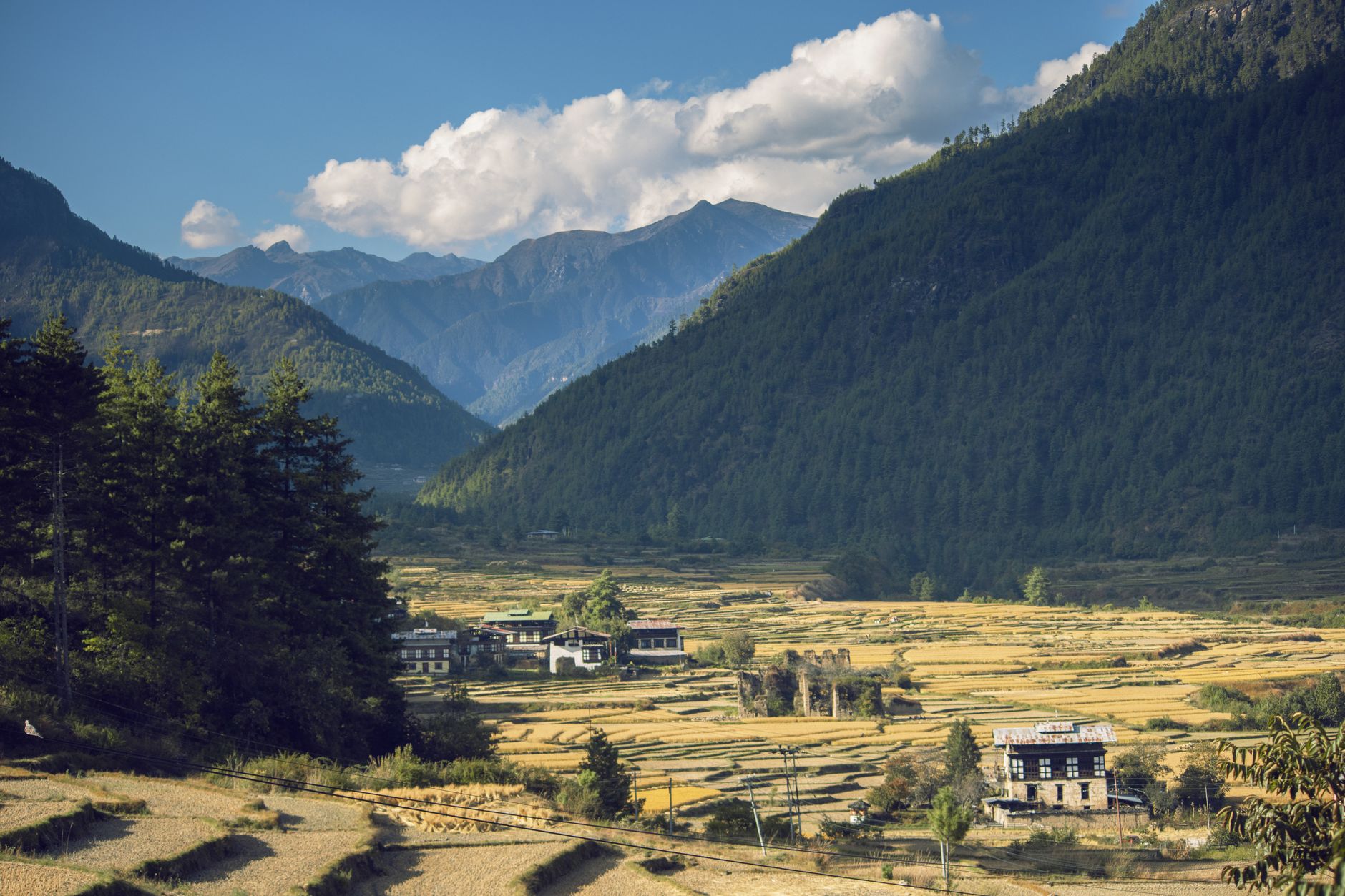
Paro gets the postcards. Its famous Tiger’s Nest monastery clings to a cliff face at 3,120 meters and appears on virtually every Bhutan travel feature published in the last two decades. But roughly 60 kilometers southwest, tucked against the Tibetan border, the Haa Valley has been quietly doing what Paro does – just with far fewer cameras pointed at it.
Haa only opened to foreign visitors in 2002, years after most of Bhutan’s other regions had already been absorbed into the standard itinerary circuit. That late start created a lag that persists today. Most visitors who fly into Paro, complete the obligatory Tiger’s Nest hike, and tick off Thimphu’s dzongs never learn that a detour south leads somewhere arguably more atmospheric.
The valley deserves its own conversation.
What Haa Actually Offers
The Haa Valley is anchored by two ancient dzongs – Lhakhang Karpo (the White Temple) and Lhakhang Nagpo (the Black Temple) – that sit side by side in the lower valley floor. Their proximity is unusual even by Bhutanese standards, and the legend surrounding their simultaneous construction in the 7th century by a Tibetan king gives the site a weight that most monastery circuits lack. These aren’t reconstructions dressed up for tourism. The plasterwork is weathered, the incense residue is decades deep, and the monks inside are working, not performing.
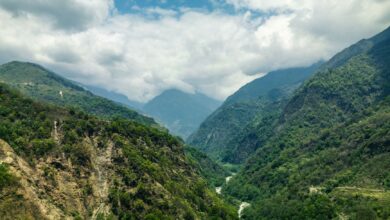
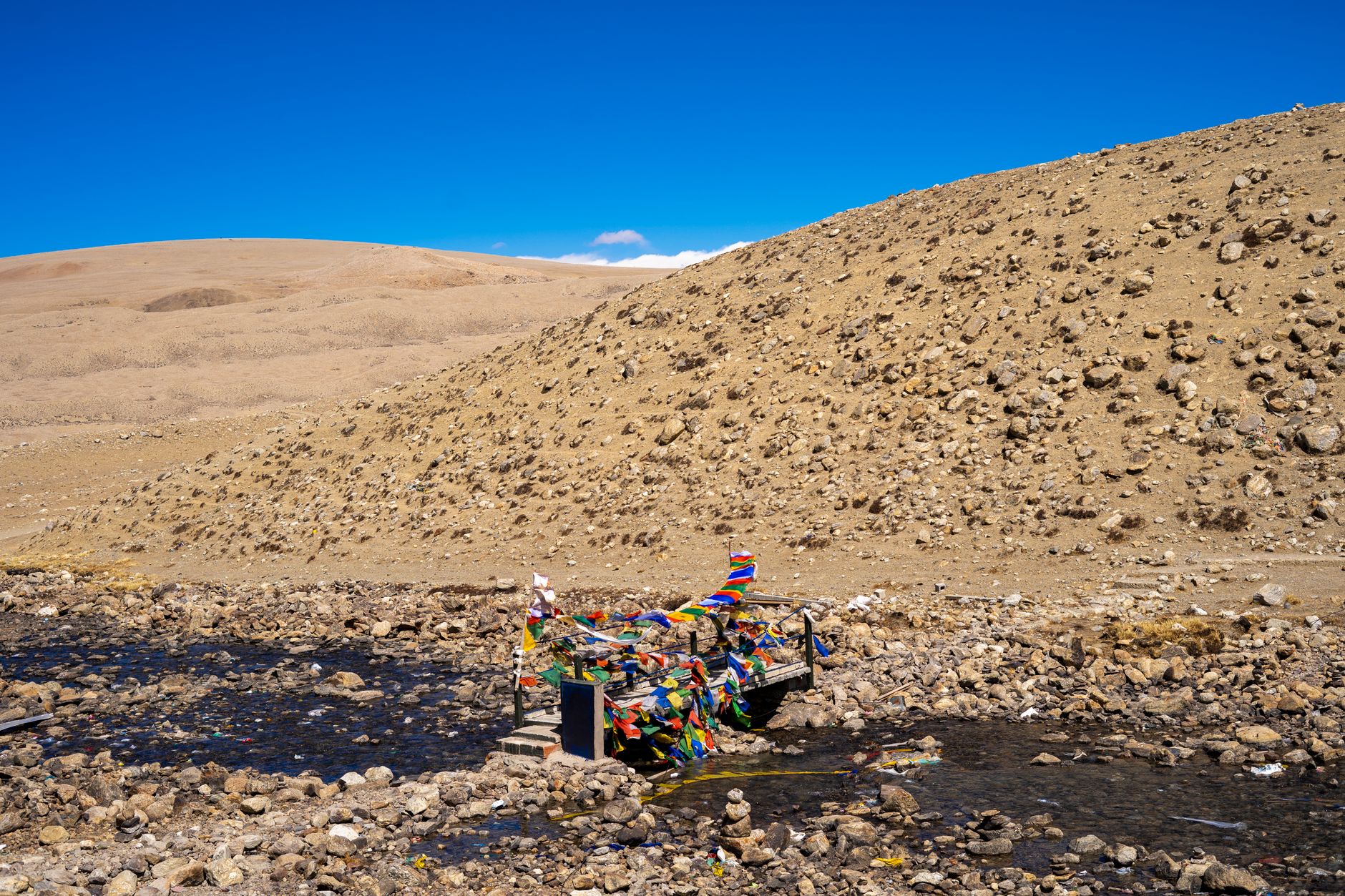
Beyond the twin temples, the valley stretches northward through pine-covered ridges toward the Chele La Pass, the highest motorable pass in Bhutan at around 3,988 meters. Prayer flags crowd the summit in dense, wind-stripped clusters. On clear mornings, the views extend to Jhomolhari and Jichu Drake – two peaks that define the skyline above Paro but look entirely different from this angle. The drive up alone justifies rerouting an itinerary.
Scattered across the upper slopes, smaller lhakhangs sit without signage, without entrance fees, and sometimes without any other visitors present. A monastery where a traveler can sit quietly in a courtyard while a single monk sweeps prayer hall steps is a genuinely different experience from queuing to photograph Tiger’s Nest at 9 a.m. That solitude is Haa’s actual selling point, and it won’t hold indefinitely.
The Logistics of Getting There
Getting to Haa requires either a day trip from Paro or, better, an overnight stay that most standard Bhutan tour packages don’t include by default. The road from Paro crosses Chele La Pass and descends steeply into the valley – a drive of roughly two to three hours depending on road conditions and stops. Bhutan’s tourism model requires all independent foreign visitors to book through a licensed operator, so adding Haa means specifically requesting it when building an itinerary. Most operators can accommodate it without major cost increases, but it needs to be asked for directly.
Accommodation in the valley is limited to a handful of guesthouses and small boutique properties, none of which operate at the scale of Paro’s lodge offerings. That scarcity actually reinforces the experience – evenings in Haa are genuinely quiet, with dinner often happening in a family-run setting rather than a hotel dining room. The valley’s elevation means temperatures drop sharply after sunset even in summer, so packing an extra layer matters regardless of the travel month.
The ideal window for visiting is late spring (April to June) or early autumn (September to November), when the passes are clear and the rhododendrons or turning leaves add color to the ridgelines. Monsoon season brings heavy cloud cover and landslide risk on mountain roads, which can close access to upper valley trails entirely. Winter is possible but cold enough to limit what’s accessible on foot.
Why Paro Still Dominates – and Why That Might Change
Paro’s dominance isn’t arbitrary. It holds the country’s only international airport, which means every visitor enters through it. That geographic fact builds itineraries by default – people stay where they land, and the Tiger’s Nest hike has enough legitimate visual drama to justify anchoring an entire trip. Haa has no equivalent single icon, no single image that travels well on Instagram or travel magazine covers. What it has instead is texture: a slow accumulation of minor encounters, unmarked temples, high-altitude silences, and a valley culture that hasn’t yet calibrated itself toward visitor expectations.
A growing number of travelers are actively seeking exactly that – destinations where the infrastructure hasn’t outrun the experience. Bhutan’s daily tourism fee structure, which has historically kept visitor numbers lower than neighboring Nepal, means the country’s lesser-known regions remain genuinely undiscovered rather than just marketed as such. Haa benefits from being a second layer inside an already low-traffic destination.
The question worth sitting with is whether that changes once a few more operators start packaging the Haa detour as standard. The valley’s twin temples and its high-pass approach are too photogenic to stay quiet forever – and once the first wave of “hidden gem” coverage solidifies into itinerary boilerplate, the version of Haa that exists right now, where a traveler can share a courtyard with monks and no one else, starts to become a memory rather than a guarantee.