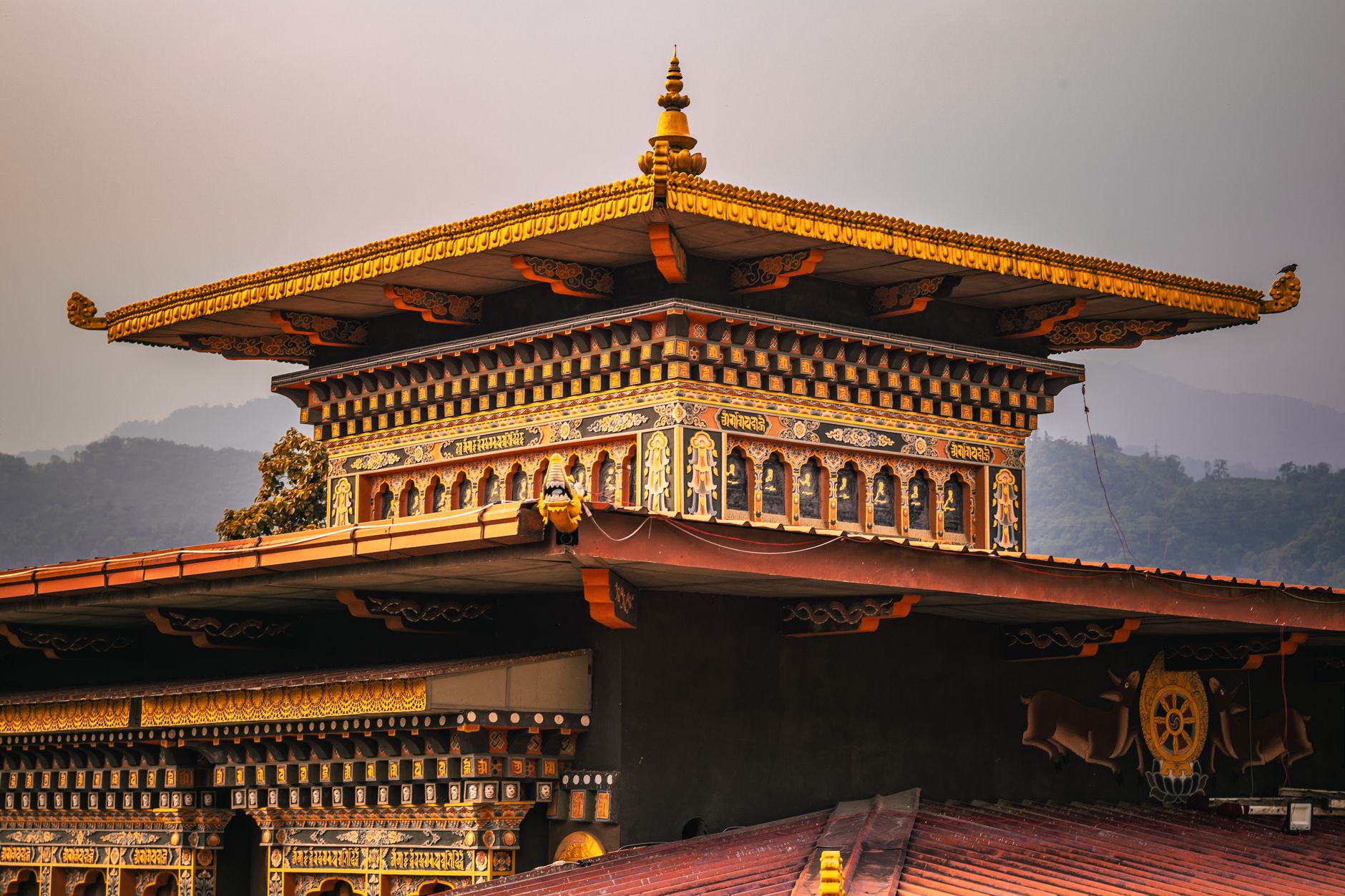

Paro gets the postcards, the flight landings, and the Tiger’s Nest pilgrimage. But tucked further west along Bhutan’s border with Tibet, the Haa Valley has been quietly drawing a different kind of traveler – one less interested in the iconic and more drawn to the genuinely remote.
A Valley That Stayed Closed Longer Than Most
Haa was off-limits to foreign visitors until 2002, years after Bhutan began opening its doors to international tourism in the late 1970s. That late start left its infrastructure underdeveloped by design, and the valley never caught up with Paro’s polished guesthouse circuit or Thimphu’s growing cafe scene. What remained was something harder to manufacture: a place that still feels like it belongs primarily to the people who live there.
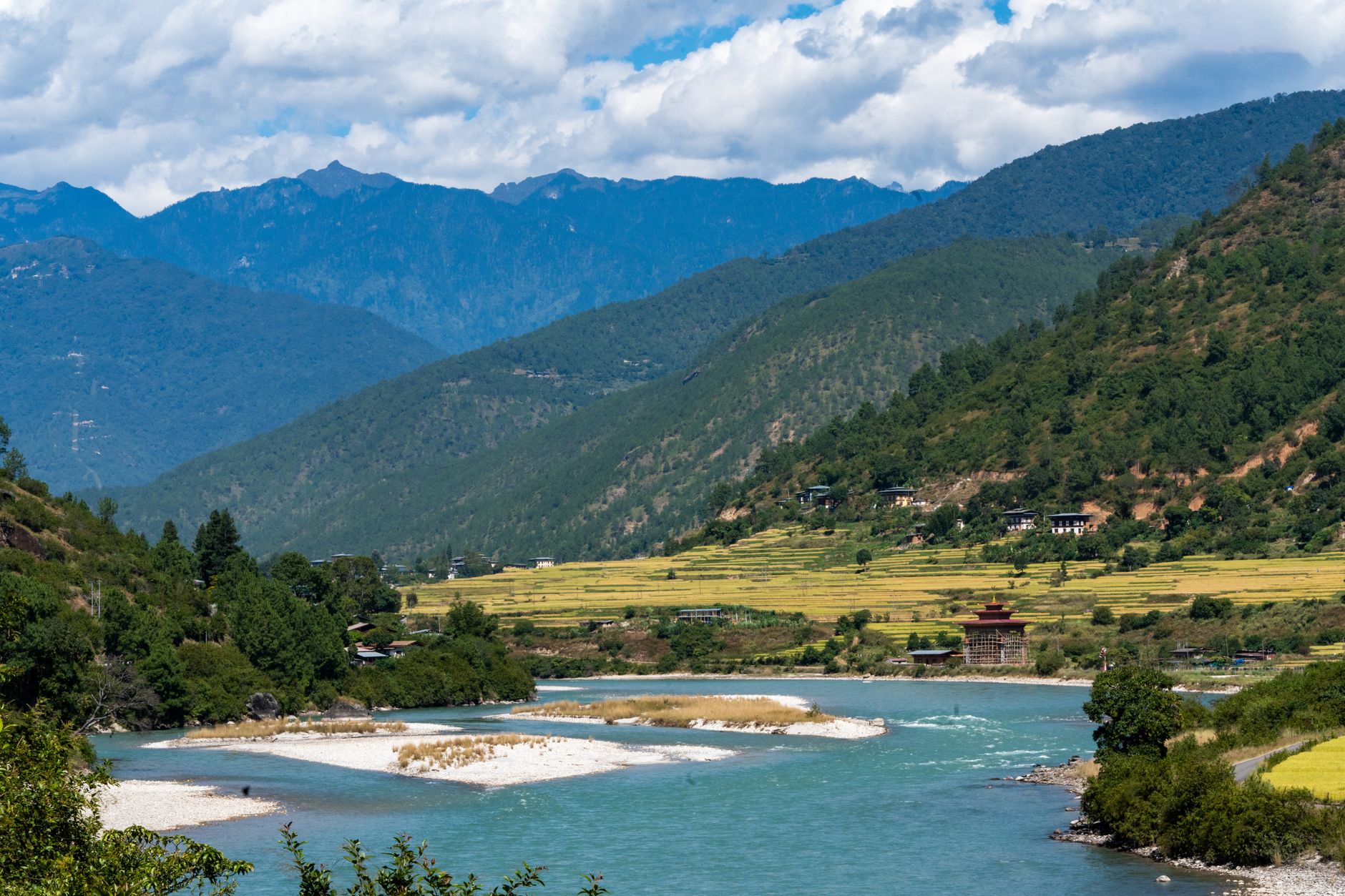
The valley sits at roughly 2,670 meters, flanked by dense pine forests and three sacred peaks – Meri Puensum – that locals consider the protective deities of the region. The river running through its center, the Haa Chhu, feeds terraced fields that turn a vivid green through the summer monsoon season. In winter, the valley receives snow and the population drops as many families move to lower altitudes, leaving a landscape that borders on austere.
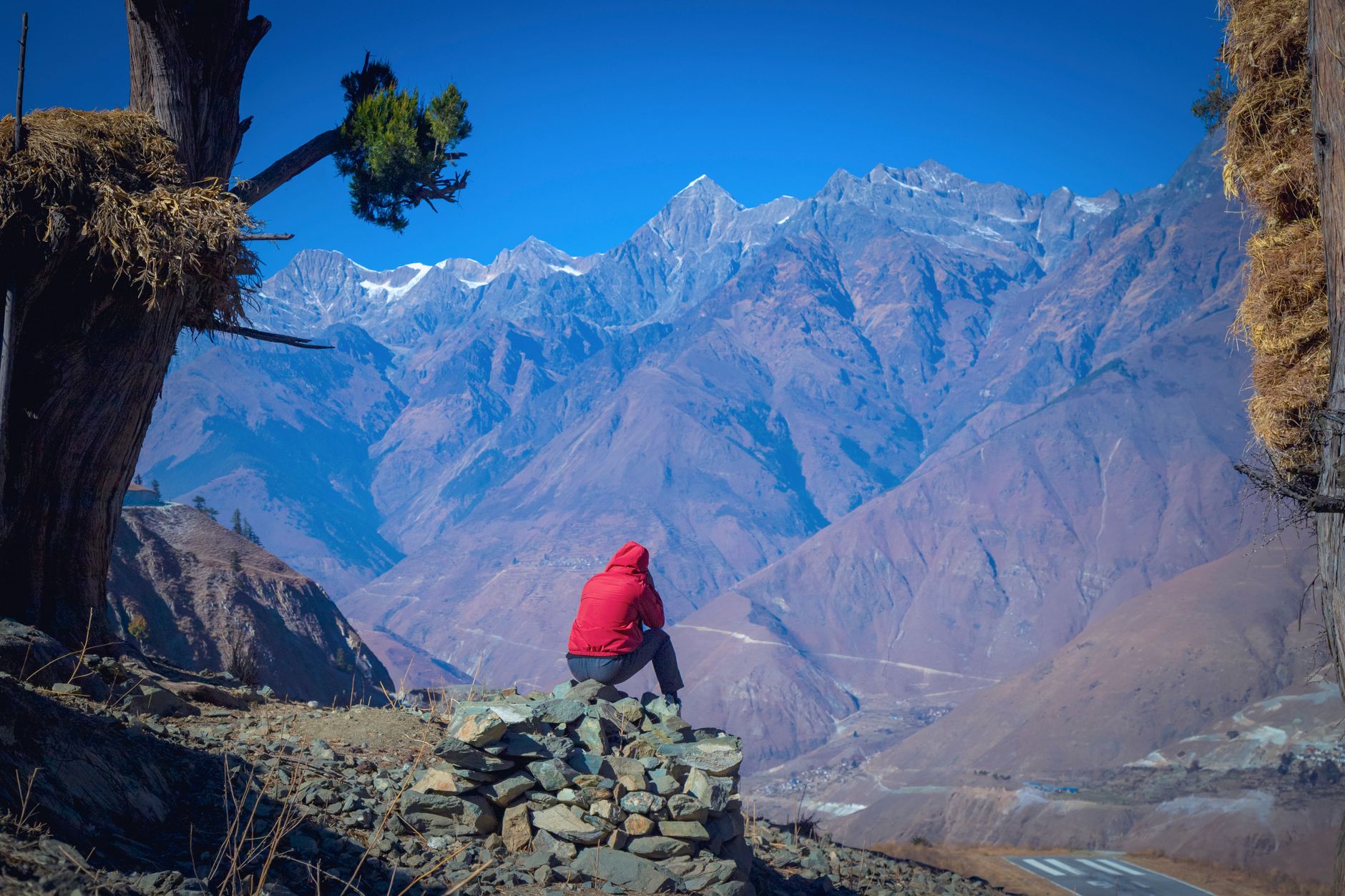
Getting there requires either a five-hour road journey from Paro or a shorter but still winding drive from Thimphu. There are no domestic flights into Haa, and the road itself – crossing the Chele La pass at over 3,800 meters – is part of the experience. The pass is frequently cited as one of the highest motorable roads in Bhutan, and on a clear day the views extend toward the Himalayan range in a way that stops conversation mid-sentence.
Tourism infrastructure exists, but modestly. A handful of guesthouses and small lodges operate in Haatown, the valley’s main settlement, offering clean accommodation without the curated luxury found in Paro’s higher-end properties. This is not a place for travelers whose comfort depends on a certain thread count. It rewards those who find value in simplicity and in being somewhere that hasn’t yet calibrated itself to outside expectations.
What Haa Offers That Paro Can’t
The comparison to Paro is almost unfair in one direction: Paro has Tiger’s Nest, and Tiger’s Nest is irreplaceable. The Taktsang Monastery, clinging to a cliff face above the Paro valley floor, draws visitors from every corner of the world and delivers exactly what it promises. But the very success of that trek has changed the experience around it. On peak days, the trail sees significant foot traffic, and the village below has built its economy around servicing that flow.
Haa offers hiking without the crowds. The trails around the valley – through yak pastures, past isolated chortens, and up toward high-altitude meadows called tshamdro – see a fraction of the visitors that Paro’s routes attract. The Sagala and Katsho trails take hikers through terrain that alternates between forested ridgelines and open grassland, with occasional sightings of Himalayan blue sheep and, reportedly, snow leopard tracks at higher elevations. No guide is going to promise you a leopard sighting, but the possibility alone changes how you look at a hillside.
The valley also holds a specific cultural interest for those willing to look past the scenery. The Lhakhang Karpo (White Temple) and Lhakhang Nagpo (Black Temple) in Haacenter are among the oldest religious structures in Bhutan, with histories that predate the formation of the Bhutanese state. Local accounts tie their founding to the 7th-century Tibetan king Songtsen Gampo, making them contemporaries of Bhutan’s most ancient sacred sites. They receive far fewer visitors than the temples around Paro and Punakha, which means a level of quiet that feels increasingly rare in the country’s more-traveled zones.
There’s also the matter of the Haa Summer Festival, held annually in July. The festival was introduced partly to encourage tourism during a shoulder season that sees heavy rainfall across much of Bhutan, but it has retained a genuine local character. Traditional sports including horse racing, archery, and khuru – a Bhutanese dart game played with heavy wooden darts – draw participation from surrounding communities rather than staging performances for cameras. The food stalls lean heavily on local ingredients: buckwheat dishes, dried yak meat, and butter tea served in the high-altitude style that takes some adjustment for newcomers.
One practical advantage Haa holds over Paro is the relative ease of spontaneous exploration. Because visitor numbers remain lower, there’s less pressure to pre-book every meal or join timed entry queues for key sites. A traveler who wakes up early and decides to follow a trail on instinct is less likely to find that trail already occupied. That kind of unscheduled wandering has become harder to find as Bhutan’s popularity grows, and Haa is one of the last valleys where it remains genuinely possible.
Practical Realities for the Bhutan-Bound Traveler
Bhutan’s Sustainable Development Fee – currently set at $100 USD per person per night for most international visitors – applies regardless of which valley you visit. This fee, intended to limit mass tourism and fund public services, often shapes how travelers structure their itineraries. Most visitors stack their time in Paro and Thimphu because those destinations offer the highest density of recognized sites per day. Adding Haa requires either extending the trip or cutting time elsewhere, and a growing number of visitors are deciding that trade-off is worth making. A minimum of two nights in the valley is widely considered necessary to move beyond the surface.
The best window for visiting runs from late April through early June, before the monsoon arrives, and again from September through November, when the post-monsoon skies clear and the high-altitude flora includes rhododendrons and dwarf juniper turning toward autumn color. Winter travel is possible but requires preparation for genuine cold – temperatures in January regularly drop below freezing overnight – and some trails become inaccessible after snowfall. For travelers who have already done the standard Bhutan circuit and found themselves wanting more than the known landmarks deliver, Haa asks a pointed question: what are you actually looking for when you book a trip to the Himalayas?