
Where the Altitude Hits Different
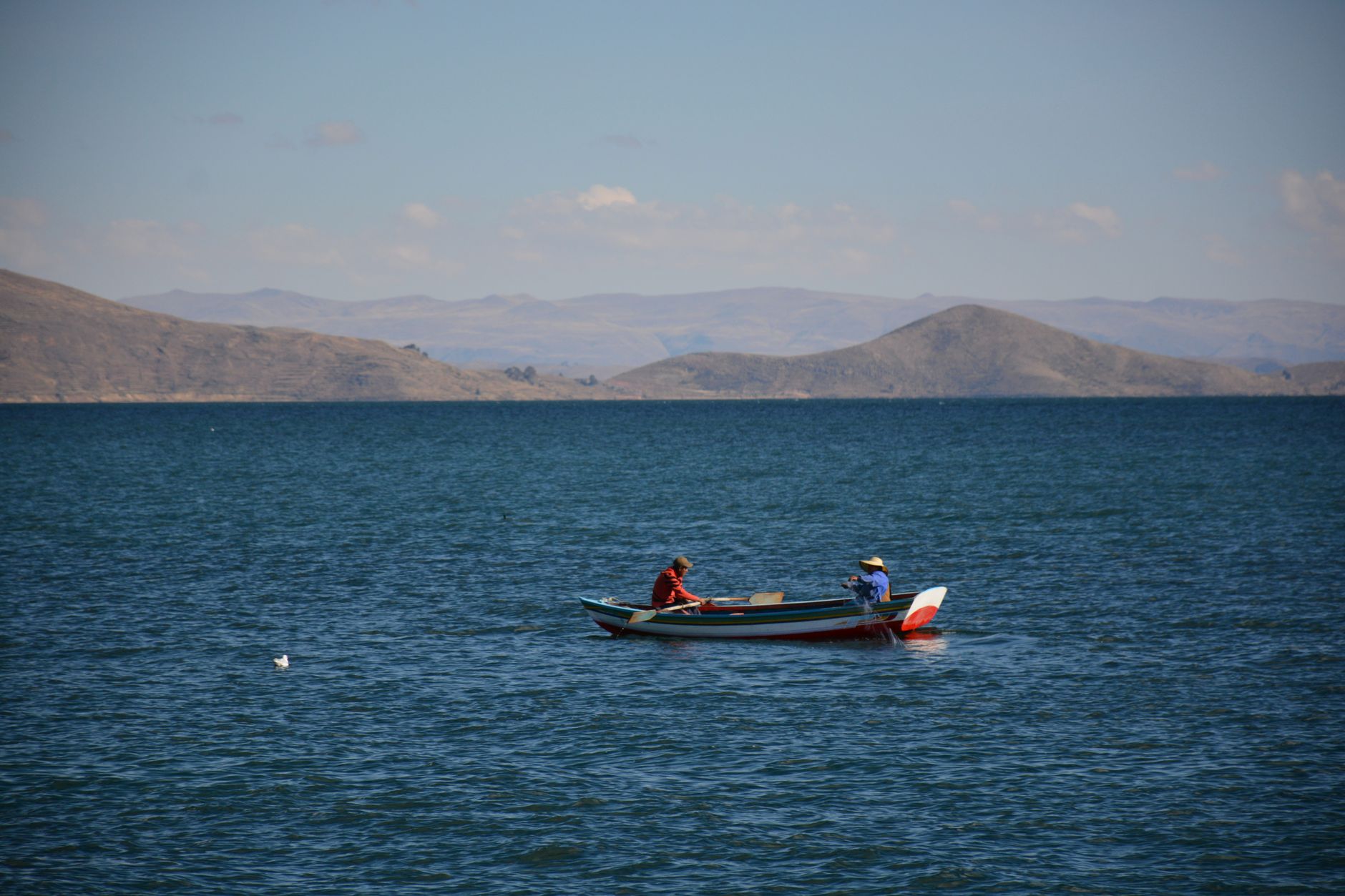
Most travelers who make it to the altiplano do so with Machu Picchu already checked off their list. They arrive in Cusco, breathless from the elevation and the itinerary, then loop back toward Lima without ever crossing into Bolivia. That oversight costs them something real. Sitting at 3,812 meters above sea level, Lake Titicaca is the highest navigable lake on earth, and the islands scattered across its Bolivian side operate on a rhythm that has nothing to do with package tourism or sunrise queues.
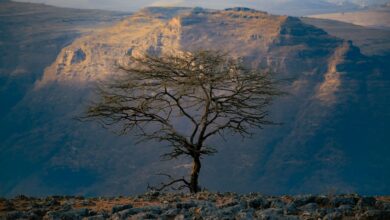
The draw is not just scenery, though the scenery is extraordinary – deep blue water against a sky that feels unnervingly close, terraced hillsides built by hand over centuries, and light that hits differently at this altitude, sharp and shadowless at noon, golden and almost theatrical by late afternoon.
What slow travelers are finding here is something increasingly hard to locate: a place that requires patience to understand.
The Islands That Aren’t on Every Itinerary
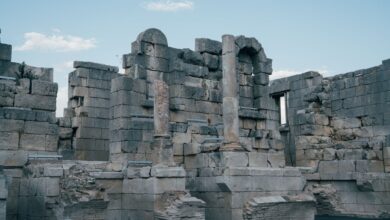
Isla del Sol gets the attention. It appears in guidebooks, on Instagram, in travel forum recommendations going back years. The northern and southern ends of the island connect to Copacabana, the Bolivian lakeside town that serves as the main gateway, and a well-worn trail links the two shores. That trail is genuinely beautiful, passing Inca ruins and reed-boat harbors, and the communities there have built a modest but functional tourism infrastructure. But Isla del Sol is no longer a secret, and the tension between community land rights and visitor access has led to restricted movement between the island’s sectors in recent years.
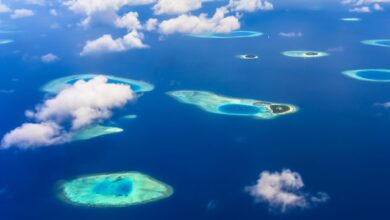
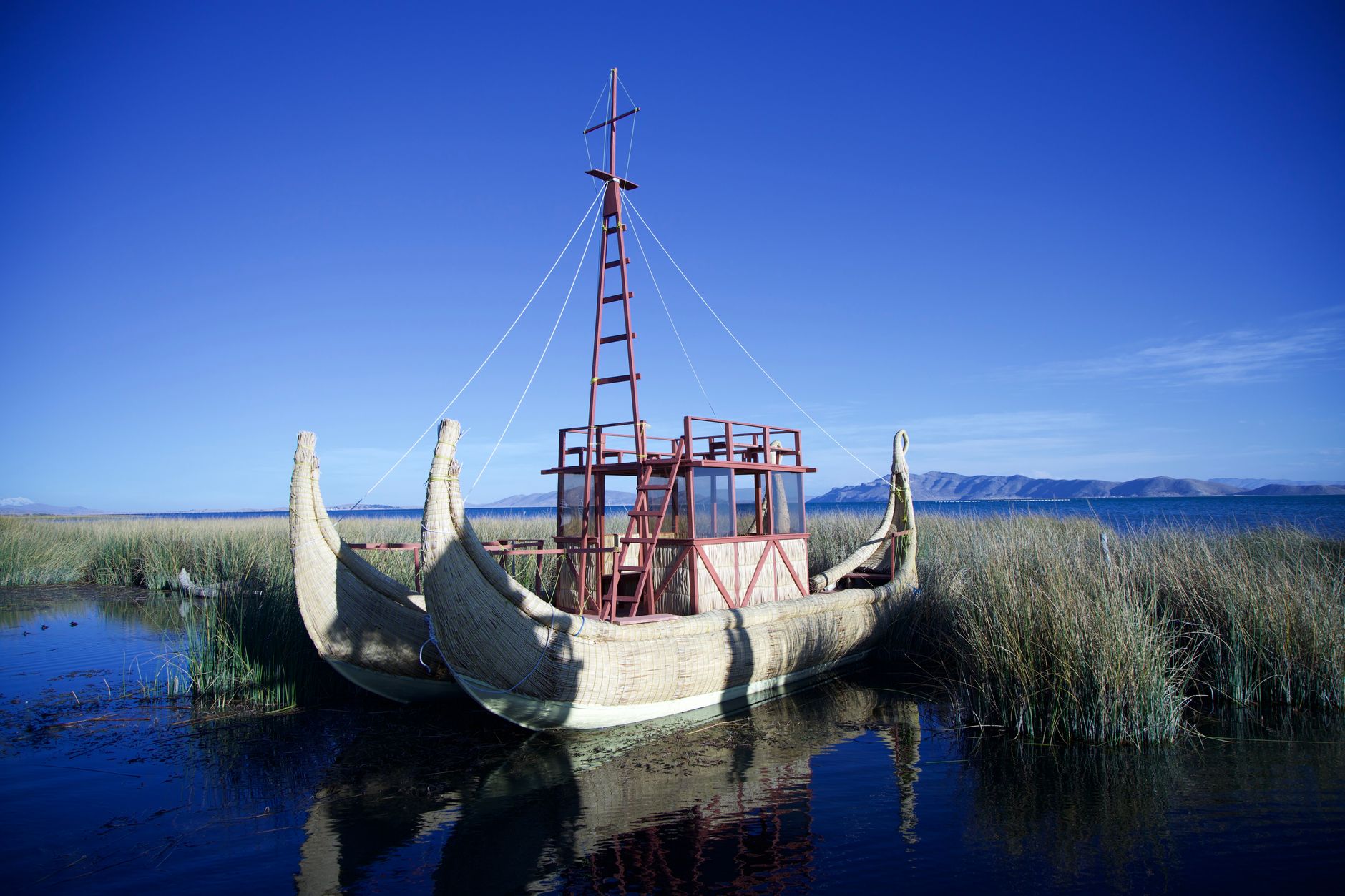
The more interesting conversation among long-haul slow travelers now centers on smaller, less-trafficked islands in the Bolivian archipelago. Isla de la Luna, a short boat ride from Isla del Sol, receives a fraction of the visitors despite holding a significant pre-Columbian site associated with the Inca moon temple. Then there are the Uros-style floating islands on the Bolivian side near Puerto Perez and Huatajata – far less visited than their Peruvian counterparts near Puno, and more likely to offer a genuine exchange rather than a choreographed demonstration.
Copacabana itself deserves more credit than it gets as a base. The town sits on a quiet bay, fronted by a white colonial cathedral that draws Bolivian pilgrims from across the country to bless their vehicles in a ritual that has nothing to do with tourist calendars. Watching that ceremony on a random Tuesday – cars and minibuses garlanded with flowers, drivers receiving blessings from priests – is the kind of unscheduled moment that slow travel is built around.
How to Actually Spend Time Here
Getting to Copacabana from La Paz takes roughly three to four hours by bus, including a short ferry crossing at the Strait of Tiquina where passengers disembark and cross by small motorboat while the bus floats across on a wooden barge. It is the sort of border-crossing logistics that would feel chaotic in another context and feels completely normal here. The road from La Paz is paved and the journey, on a clear day, includes views of the Cordillera Real rising behind the lake’s eastern shore.
Accommodation on the islands is basic by design. Homestay programs on Isla del Sol and Isla de la Luna place visitors with local families, and the arrangement is mutual in the most straightforward sense: you pay a modest fee, you sleep in a simple room, you eat what the family eats, and you are expected to make yourself useful or at least unobtrusive. These programs are not marketed aggressively, which is part of why they work. The families set the terms. Visitors who arrive expecting a boutique hotel experience dressed up as a homestay tend to leave disappointed; those who arrive curious tend to leave with something worth keeping.
For travelers who want more comfort without abandoning the region, Copacabana has a growing number of guesthouses and small hotels with lake views and reliable hot water. The town’s waterfront market runs daily, serving salteñas in the morning and fresh trout – pulled directly from the lake – through most of the afternoon. That trout, grilled simply and served with rice and boiled potatoes, is the meal you will think about afterward.
Why Bolivia’s Side of the Lake Holds
The Peruvian side of Titicaca, anchored by Puno, has absorbed decades of mass tourism and developed the infrastructure to match – tour packages, floating island visits timed to the hour, ferry services coordinating dozens of arrivals daily. None of that is wrong, but it has shaped the experience into something predictable. Bolivia’s side has not yet made that trade, partly by circumstance and partly because reaching it requires a degree of intent that filters out the casual visitor. That filtering effect is precisely what slow travelers are counting on, and for now, the lake on the Bolivian side still belongs mostly to the people who live on it.