
The Salt That Mirrors the Sky
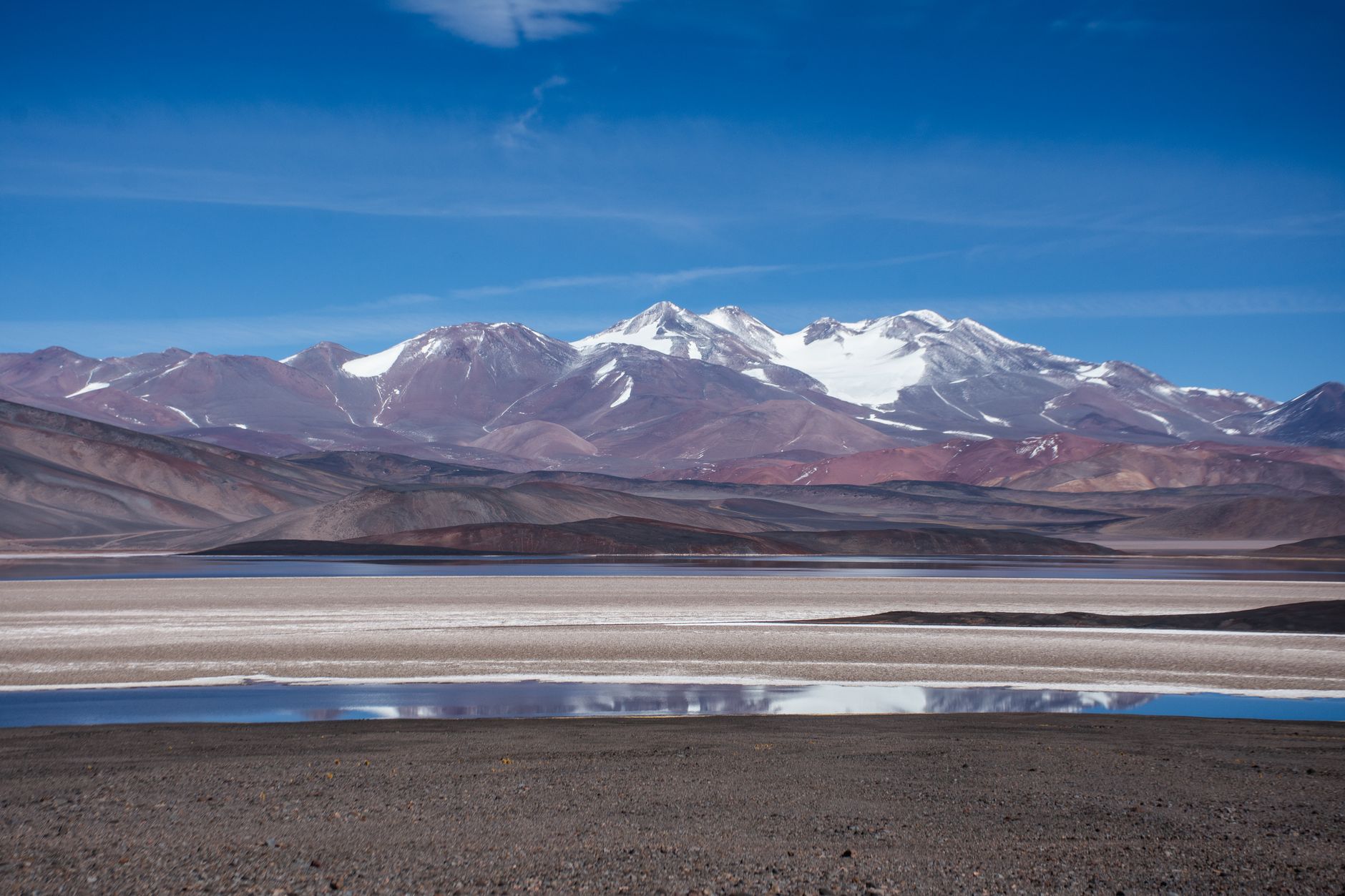
Patagonia gets the magazine covers. Torres del Paine gets the Instagram tags. But roughly 1,500 miles north, sitting at nearly 12,000 feet above sea level on the Bolivian altiplano, the Salar de Uyuni has been running one of South America’s most extraordinary astronomy experiences in near-total silence. The salt flat stretches across more than 4,000 square miles of blinding white terrain – a number that means little until you’re standing at the center of it and the horizon disappears in every direction.
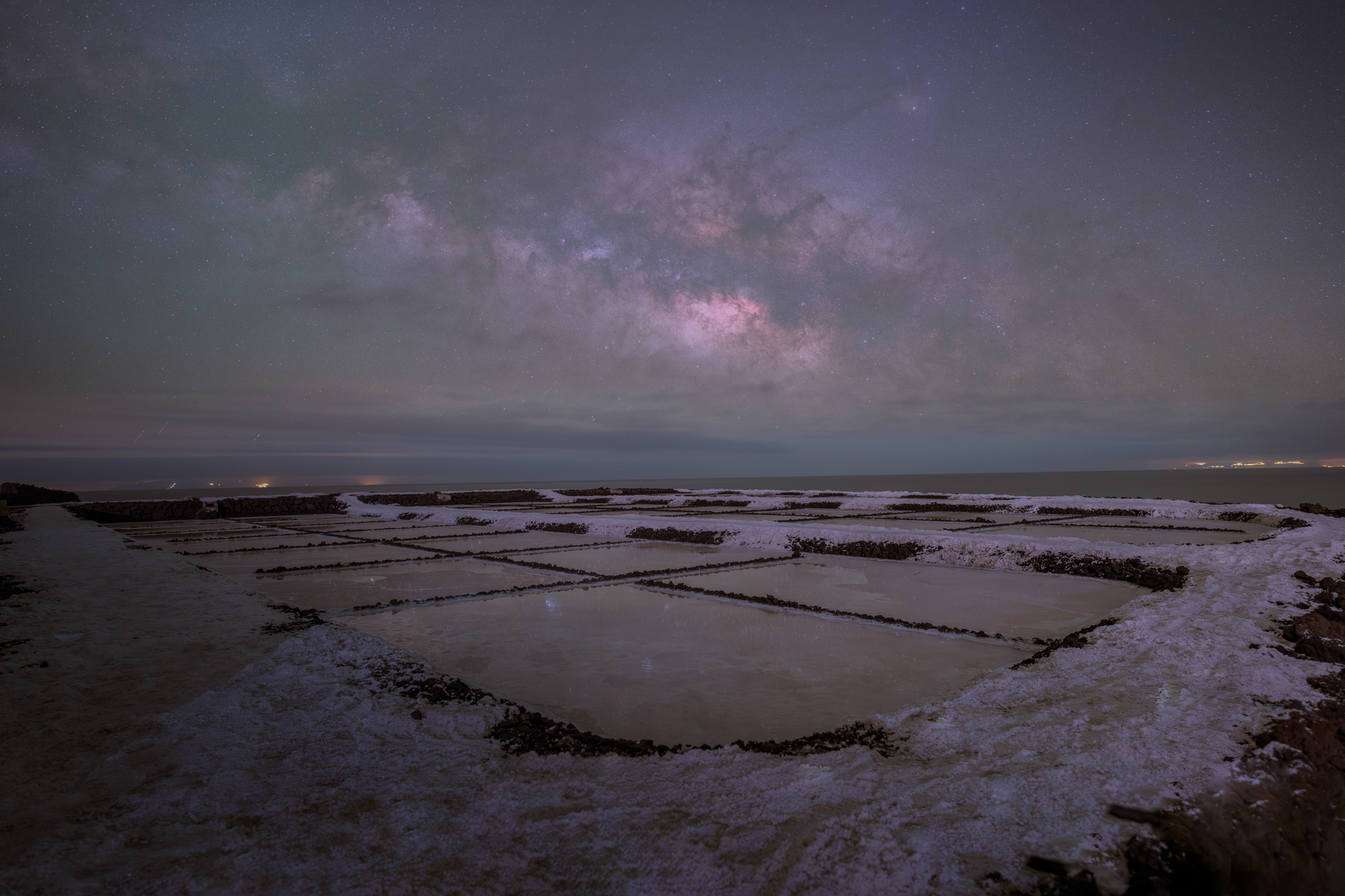
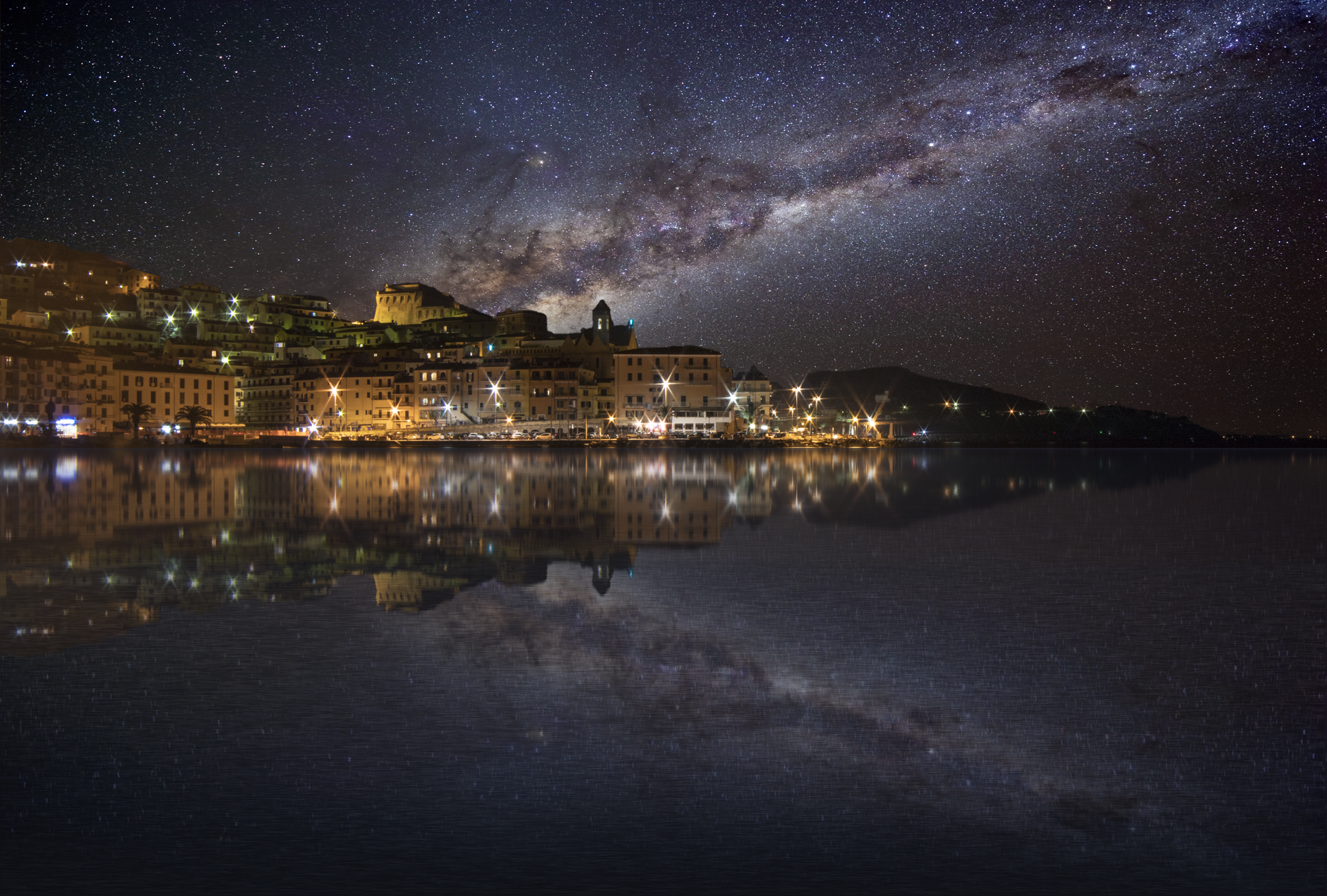
What sets Uyuni apart from other dark-sky destinations isn’t just the absence of light pollution, which is extreme. It’s the combination of altitude, atmospheric dryness, and the flat’s reflective surface that creates a visual effect no other landscape on earth quite replicates. On nights following rain, a thin layer of water turns the salt into a mirror so precise that the Milky Way appears both above and below you, and the line between ground and sky dissolves completely.
Why the Conditions Here Are Different
Most high-altitude stargazing destinations offer thin air and minimal interference – good conditions, but not extraordinary ones. Uyuni adds something those places lack: a vast, flat, featureless surface that eliminates terrain-related atmospheric turbulence near the ground. The air above the flat is unusually stable, which reduces the twinkling effect that blurs star definition at lower elevations or in more textured landscapes. For amateur photographers especially, this stability makes long-exposure shots dramatically sharper than what’s achievable at sea level.
The dry season, running roughly from May through October, brings the clearest skies. Daytime humidity on the flat can drop so low that chapped lips and nosebleeds are common complaints among first-time visitors. That same dryness at night means cloud cover is minimal and atmospheric moisture – which scatters starlight – is nearly nonexistent. The result is a sky that looks almost artificially sharp, with fainter stars visible than most travelers have ever seen from any location.
Altitude adds another layer to the experience. At roughly 3,656 meters, the flat sits above a meaningful portion of the atmosphere, reducing the air mass between observer and space. First-time visitors often report a physical sensation when looking at the Milky Way from Uyuni – not metaphorical wonder, but an actual sense of spatial disorientation as depth perception breaks down and the sky takes on a three-dimensional quality. That isn’t poetic license. It’s what happens when your visual system processes more photons than it’s been trained to handle.
Getting There Without a Guide – and Why Most People Shouldn’t Try
The logistics of reaching Uyuni are manageable. The nearest town – also called Uyuni – connects to La Paz by overnight bus or a short domestic flight. From town, the flat itself is about 20 minutes by vehicle. The harder part is getting onto the salt at night, in the right location, with the right equipment. The flat has no permanent lighting, no marked paths, and no cell service across most of its interior. Disorientation on a clear night is a real risk when every direction looks identical.
Most serious stargazers opt for guided night tours that depart after sunset and drive deep into the interior, well away from any ambient light from the town. Tour operators based in Uyuni range from basic (a Jeep, a driver, a thermos of tea) to fully equipped astronomy experiences with telescopes, star charts, and multilingual guides who can explain what’s visible. Prices vary widely, but even the premium options remain far cheaper than comparable guided experiences in Patagonia or the Atacama.
How It Compares to Patagonia – and Where It Falls Short
Patagonia’s reputation for night skies is earned. The southern tip of Argentina and Chile sits under some of the darkest skies on the continent, and the area around Torres del Paine National Park offers genuine isolation from artificial light. The Southern Cross is visible at a dramatic angle, and the low horizon over the pampa allows near-360-degree viewing. For travelers already in the region, the stargazing is a genuine bonus layered on top of an already spectacular destination.
But Patagonia’s weather is its persistent weakness. Wind is relentless, cloud cover is unpredictable even in peak season, and temperatures drop fast enough to cut a night session short well before the sky reaches its best. Planning a dedicated astronomy trip around Patagonian weather is a gamble most experienced stargazers won’t take. Uyuni’s dry season offers far more reliable clear nights – the kind of consistency that lets you book a week-long stay knowing most nights will deliver.
Where Uyuni falls short is comfort. The altiplano is cold, windy in its own right, and the town of Uyuni itself is functional rather than charming. Accommodation options have improved over the past decade – there are now several salt hotels built directly from blocks of the flat – but the culinary and hospitality infrastructure doesn’t match what you’d find in San Pedro de Atacama or El Calafate. Travelers who want luxury alongside their astronomy will find the Atacama Desert in northern Chile a more polished experience, even if the visual effect of Uyuni’s mirror surface is impossible to replicate.
The mirror effect is the detail that keeps drawing people back, and it’s worth understanding what produces it. After rainfall – which on the flat tends to leave only a few millimeters of standing water – the surface tension of the water layer is enough to create a near-perfect reflection, but shallow enough that it doesn’t distort underfoot. The dry season’s first rains, which arrive sporadically in November and December, can produce this effect while the sky is still largely clear. Timing a visit to catch both dry skies and a thin water layer is the ambition every serious Uyuni visitor carries, and a similar patience-driven approach applies to anyone planning a desert night-sky trip, whether in the Atacama, the Sahara, or Wadi Rum. When it works at Uyuni, the photographs look fabricated. The sky overhead is sharp and deep, the reflection below is perfect, and you are standing on nothing visible at all.