
Where the Jungle Still Has Edges
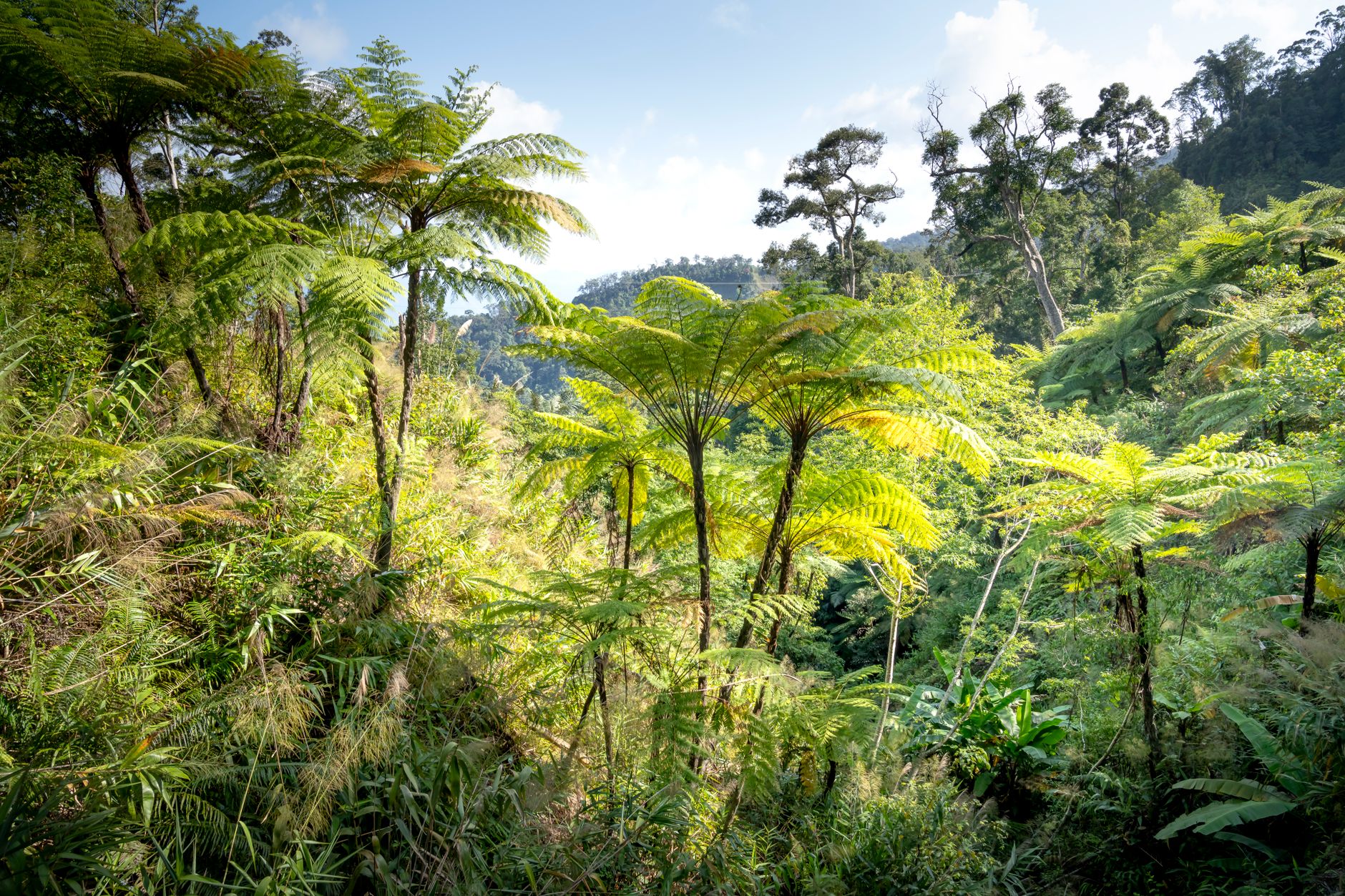
Angkor Wat draws millions of visitors each year, and for good reason – the temple complex is genuinely spectacular. But Cambodia has a second face, and most travelers never see it. The Cardamom Mountains, sprawling across the country’s southwest, hold some of Southeast Asia’s last intact lowland rainforest, a landscape so dense and difficult that even large-scale logging operations struggled to penetrate it fully. That resistance to development is exactly what makes it worth the detour.
The range covers roughly 4.5 million hectares, making it the largest remaining tropical forest block on the Southeast Asian mainland.
For trekkers who have already done the temple circuit – or who simply want something less curated – the Cardamoms offer a different kind of discovery. There are no crowds queuing at dawn for the perfect sunrise photo. There are river crossings, leeches, and guides who know these trails because they grew up using them, not because they completed a tourism certification course. The experience is slower, messier, and considerably more honest than anything you will find in Siem Reap.
What the Trails Actually Look Like
The most accessible entry point for most international travelers is Chi Phat, a former poaching village turned community ecotourism hub on the Preak Piphot River. The Community-Based Ecotourism project there has been operating long enough to develop a reliable trail network while keeping the infrastructure deliberately minimal. Visitors book through the local community center, guides are drawn from the village itself, and revenue stays within the area. The result is functional and unglamorous in the best possible way.
Trails out of Chi Phat range from half-day river walks to multi-day jungle overnights that require camping or staying in basic forest shelters. The longer routes push into territory where wildlife encounters are genuinely possible – gibbons are audible before sunrise, sun bears occasionally tear through undergrowth near fruiting trees, and the birding is serious enough that ornithologists make dedicated expeditions here. The Southern Cardamoms also hold Siamese crocodiles, one of the rarest crocodilian species on the planet, in river systems that see almost no tourist traffic.
The terrain itself is not technically extreme, but it is relentlessly wet and green. Trails follow river valleys and ridge lines through forest that closes overhead within minutes of leaving any clearing. Navigation without a local guide would be genuinely dangerous – not because of dramatic cliffs or altitude, but because the jungle here has no visual landmarks and the trail markings are sparse. Trekkers who arrive expecting a groomed national park experience will need to recalibrate quickly.
Getting There and Planning Realistically
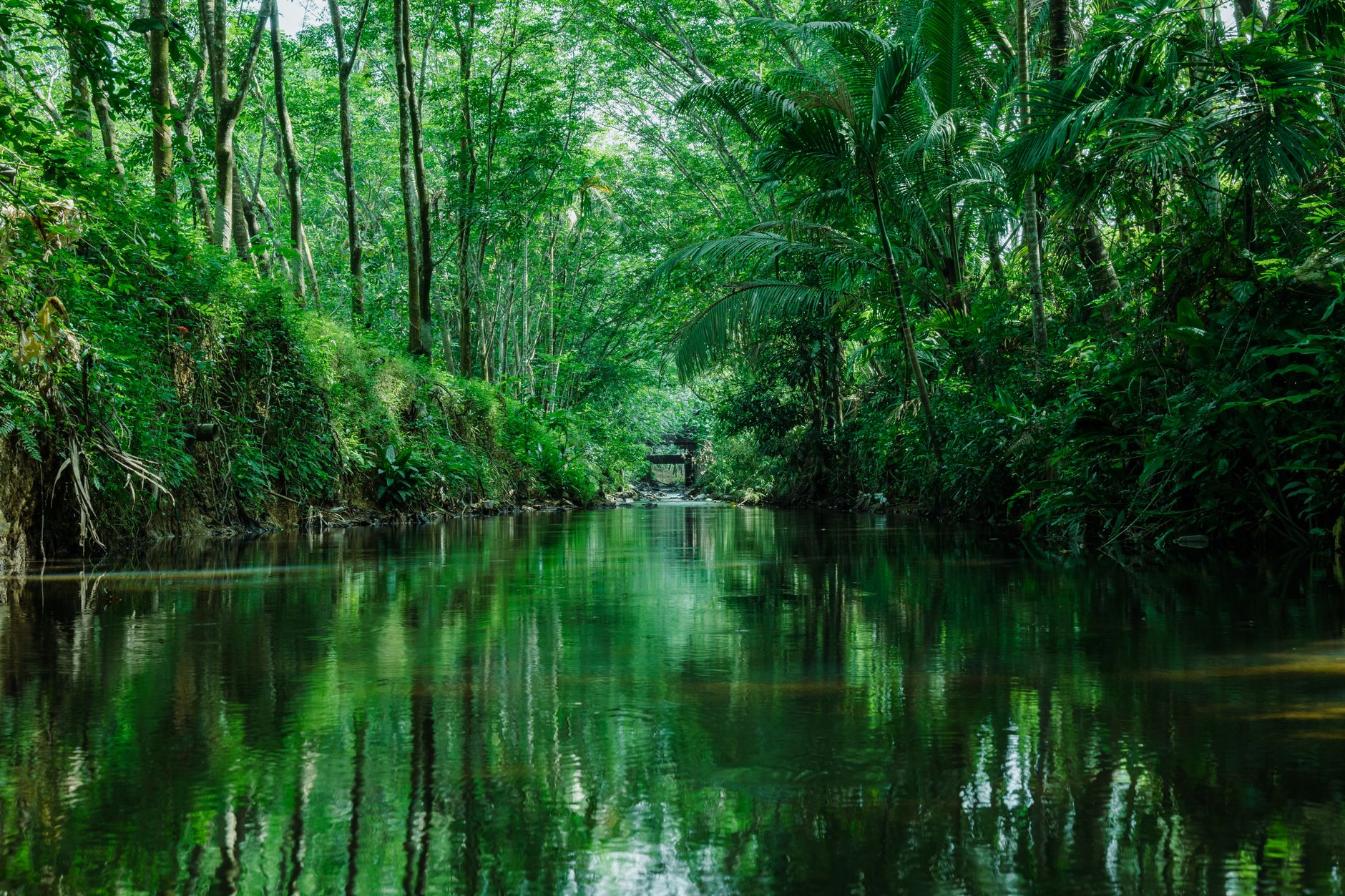
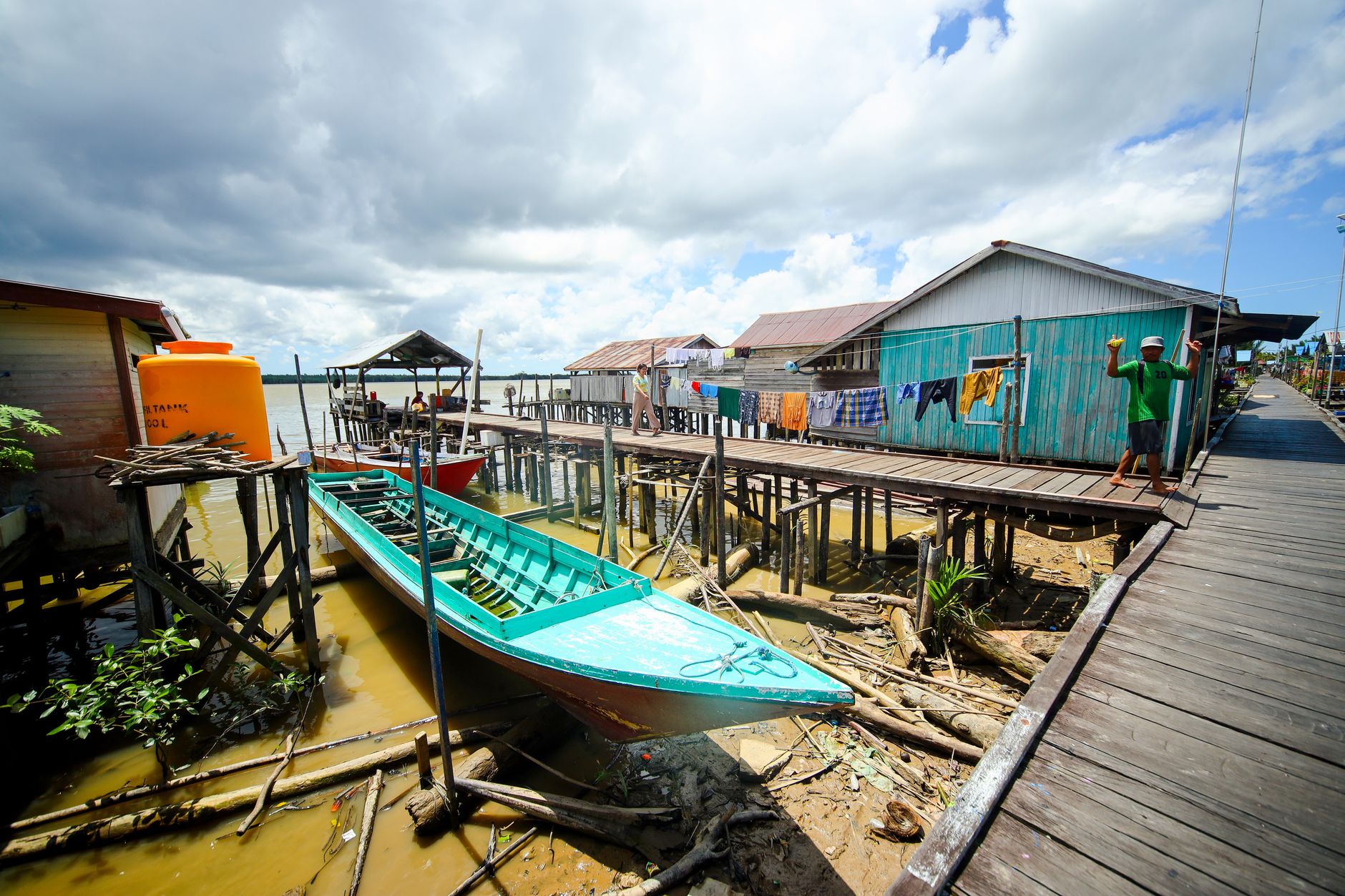
Reaching the Cardamoms requires intention. From Phnom Penh, the nearest major gateway towns are Koh Kong in the west and Tatai further south along the coast road. Koh Kong sits roughly four hours by road from the capital, and the journey itself passes through increasingly quiet provincial landscape. From Koh Kong, longtail boats travel upriver into the mountains, which is genuinely one of the better travel moments in the country – the transition from town to forest happens fast.
Chi Phat is reachable by boat from Andoung Tuek, a small junction town accessible from Koh Kong. The boat ride takes around two hours depending on water levels, which fluctuate dramatically between dry and wet season. Wet season trekking – roughly June through October – means higher rivers, muddier trails, and fewer other visitors. Dry season, November through April, opens up more trail options and makes river crossings easier, but also brings more organized tour groups into the area. Neither window is wrong, just different.
Accommodation inside the community program runs to homestays and basic guesthouses. There is no luxury lodge situation here, and anyone hoping for a spa after a trail day should plan accordingly. Some operators based in Koh Kong or Tatai offer more comfortable river lodges as a base for day trips into the forest edges, which is a reasonable compromise for travelers who want proximity without full immersion. The trade-off is that day trips reach only the forest margins – the interior takes time that only multi-day itineraries can provide. Trekkers who have already explored remote high-altitude terrain, like those drawn to Kyrgyzstan’s Karakol Valley, will find the logistical patience required here familiar territory.
The Reason to Go Now
The Cardamom Mountains are under real pressure – not from tourism, which remains low, but from agricultural encroachment, hydropower projects, and illegal wildlife trade that conservation organizations are actively working against. The community ecotourism model at Chi Phat exists partly as an economic argument: that the forest is worth more intact than cleared. That argument holds as long as enough travelers show up to make the numbers work. At the moment, they barely do – which means the trails are empty, the guides are unhurried, and the jungle is still loud enough at night to make sleep genuinely difficult.