Cambodia’s Cardamom Mountains Quietly Rival Luang Prabang for Jungle Wanderers

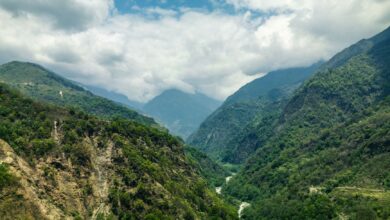
Where the Cardamom Mountains Stand
Luang Prabang has held a near-mythical status among Southeast Asia’s jungle destinations for years – monks in saffron robes at dawn, the Mekong rolling past colonial-era guesthouses, waterfalls an hour’s drive from a UNESCO-listed town center. It is, by any measure, a polished experience. The Cardamom Mountains in southwestern Cambodia offer something different: a wilderness so intact that sun bears still roam the canopy, and where the infrastructure has not yet caught up with the landscape’s ambitions.
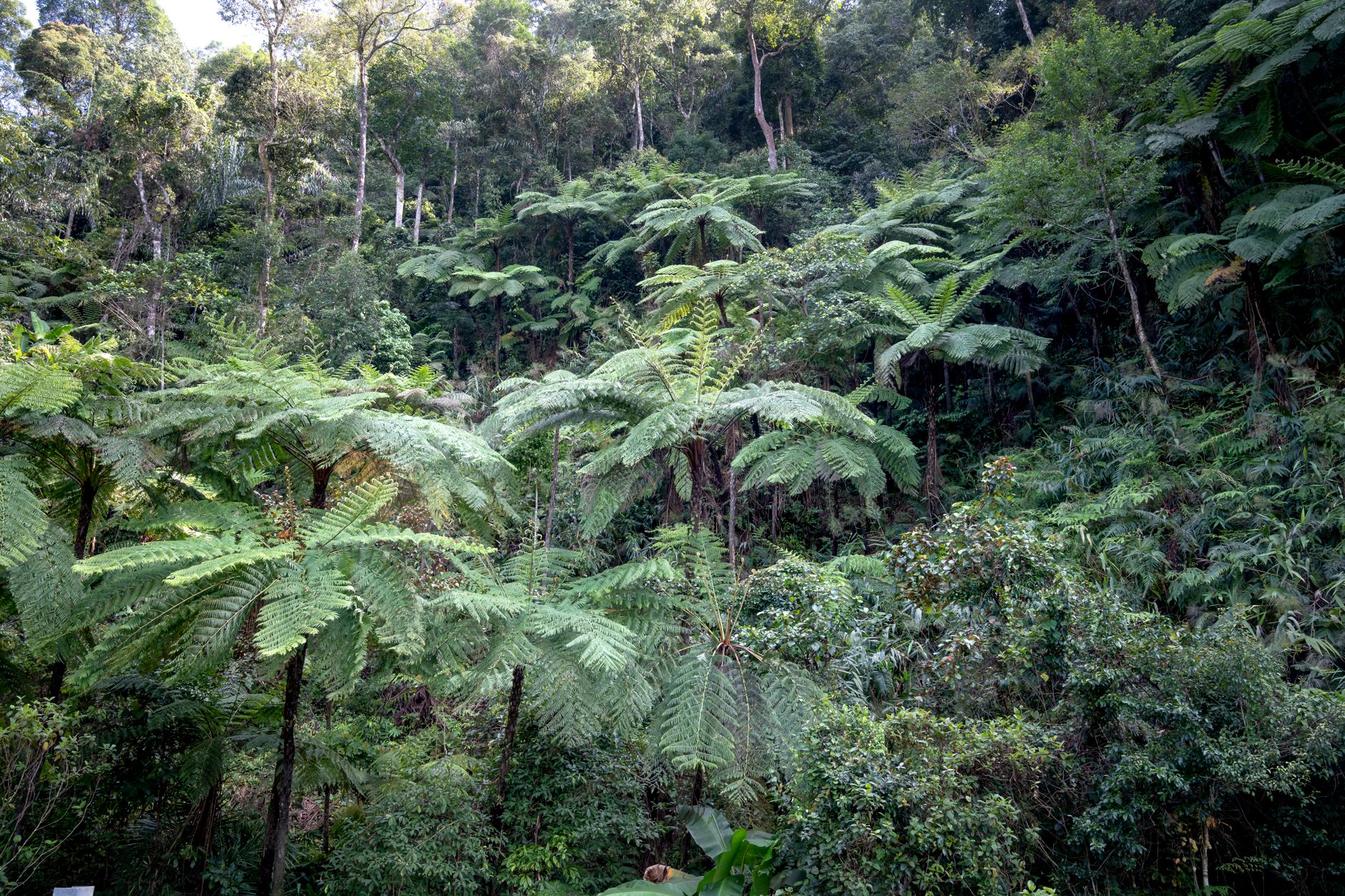
The Cardamoms cover roughly 10,000 square kilometers, making them one of Southeast Asia’s largest remaining lowland rainforests. They are not a secret among conservationists – the region has attracted serious wildlife protection efforts for over a decade – but they remain almost completely off the radar for the international leisure traveler. That gap between what this place is and how few people know it exists is precisely what makes the timing worth noting.
Getting There Without a Tour Operator Holding Your Hand
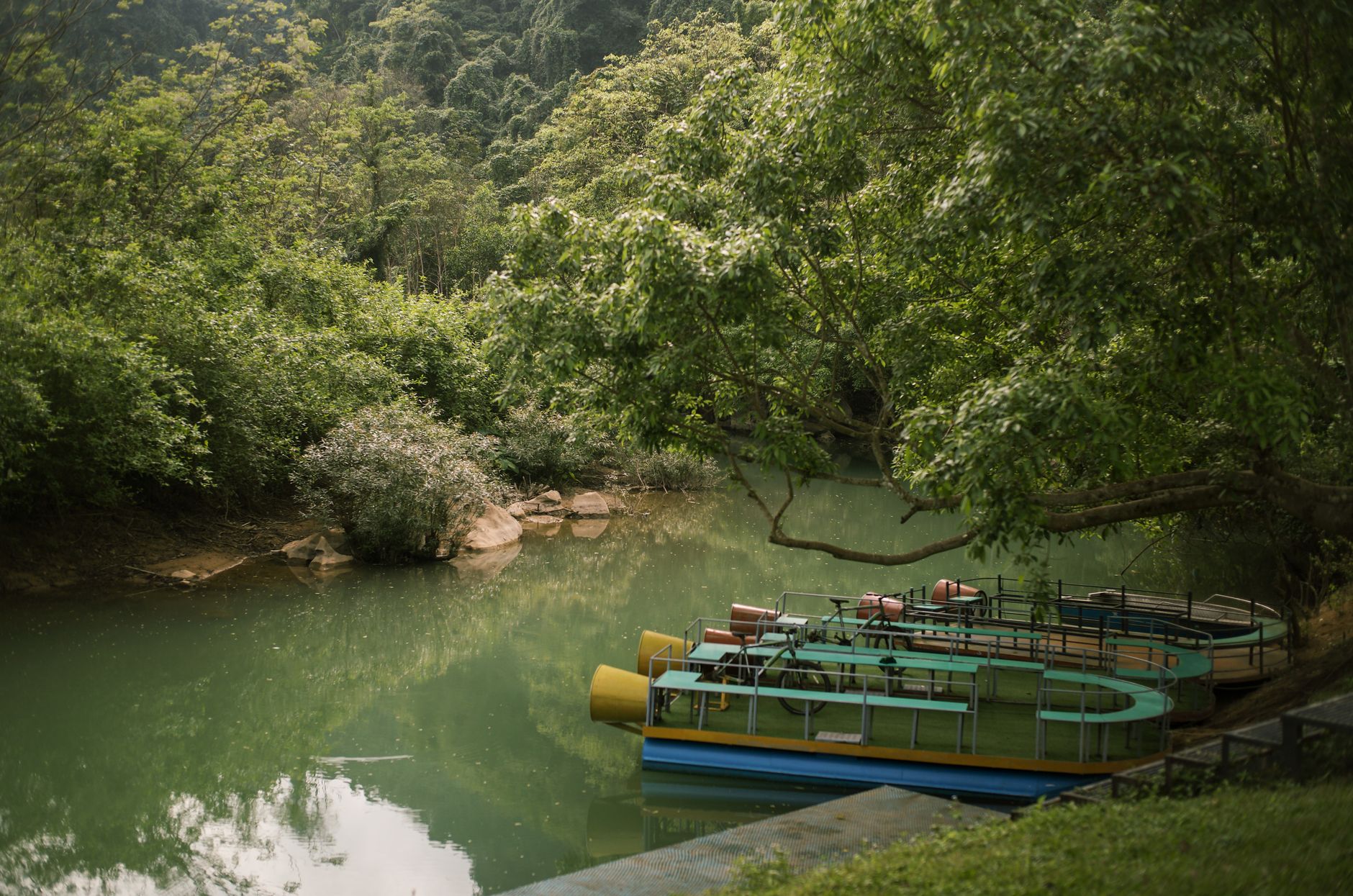
The main entry points for independent travelers are the coastal town of Koh Kong, accessible by bus from Phnom Penh in around four hours, and Chi Phat village, which sits deeper into the mountains and is reached by longtail boat along the Preak Piphot River. Chi Phat is managed as a community-based ecotourism hub, which means the guesthouses, guides, and boat transfers are organized through a central office rather than scattered across competing operators. For travelers who’ve navigated Luang Prabang’s increasingly competitive booking environment, this simplicity comes as a relief.
Road access into the interior is limited and, during the wet season from May through October, genuinely unpredictable. The dirt tracks that connect outlying villages to the main routes turn to mud quickly, and rivers swell in ways that reroute even experienced guides. This is not a place that rewards rigid itineraries. The travelers who do best here are those willing to adjust – taking a different trail because the original is flooded, staying an extra night because a boat can’t run, eating whatever the guesthouse has on hand because the supply delivery didn’t arrive.
Hiring a local guide is not optional in any practical sense. The trail network is poorly marked, and the terrain covers everything from flooded rice paddies to steep granite ridgelines. More importantly, local guides carry the kind of ecological knowledge that turns a forest walk into something genuinely instructive – knowing which tree the gibbons favor in a specific season, or where to position yourself at dawn to hear hornbills without disturbing them. This is the kind of field intelligence that no app or guidebook has yet managed to replicate.
Accommodation throughout the mountains ranges from hammock shelters at remote ranger stations to modest wooden guesthouses in Chi Phat and Thma Bang. None of it compares to Luang Prabang’s boutique hotel scene, and expecting otherwise would be the wrong approach entirely. The value here is access – waking up inside the forest rather than adjacent to it.
What the Wildlife Actually Looks Like
The Cardamoms support populations of Indochinese leopards, sun bears, pileated gibbons, Siamese crocodiles, and over 500 bird species including the critically endangered giant ibis. Sightings of the larger mammals are rare by definition – these animals are elusive by survival instinct – but the birding alone justifies the journey for anyone with even passing interest in the subject. The forest at dawn produces a layered, almost overwhelming sound environment that bears no resemblance to what most travelers associate with “nature sounds.”
The rivers deserve equal attention. The Tatai and Areng rivers run through pristine corridors where freshwater fish species found almost nowhere else still exist in meaningful numbers. Kayaking or tubing these stretches in the dry season, when water levels drop and visibility improves, offers a completely different perspective on the landscape than the forest trails do. The Areng Valley in particular has been a flashpoint for conservation battles over proposed dam construction, and visiting it carries a quiet political weight alongside its natural appeal.
Where the Cardamoms Pull Ahead
Luang Prabang’s appeal has always been the combination of culture and nature – Buddhist temples framed by jungle hills, a town that feels both livable and exotic. The Cardamoms don’t compete on culture in the same way; the region’s indigenous Chong and Khmer communities have their own traditions, but the experience here is primarily ecological rather than architectural. What the Cardamoms offer instead is the sensation of actual wilderness – not a curated version of it.
The tourism footprint in the Cardamoms is light enough that the experience doesn’t feel scripted. There are no set-piece photo locations with crowd barriers, no restaurant strips catering to six different dietary trends, no tuk-tuk drivers with laminated menus. The absence of that infrastructure can feel disorienting at first, particularly for travelers who’ve spent time in well-developed destinations across the region. It settles into something more satisfying after a day or two – the sense that you’re not being managed through an experience, but actually having one.

The comparison to lesser-known wilderness destinations that quietly outperform their famous counterparts keeps coming up among long-haul travelers who’ve grown tired of itineraries built around the same canonical stops. The Cardamoms fit that pattern precisely – a place with the ecological credentials to stand alongside any rainforest destination in the region, held back only by limited publicity and genuinely challenging access. Those are the two conditions that tend to disappear faster than any conservationist would prefer, which makes the current window feel worth acting on.