
The Arctic wilderness of Canada’s Hudson Bay region just became infinitely more accessible for polar bear enthusiasts. A new collection of heated glass igloos now offers travelers front-row seats to one of nature’s most spectacular wildlife encounters, transforming the harsh Canadian tundra into a luxury viewing experience.
These innovative accommodations launched this winter in Churchill, Manitoba, positioned strategically along known polar bear migration routes. The transparent domes feature 360-degree views while maintaining comfortable temperatures inside, even when exterior conditions drop to minus 40 degrees Celsius. Each igloo accommodates up to four guests and includes heated floors, premium bedding, and panoramic windows engineered to withstand Arctic conditions.
Revolutionary Arctic Architecture Meets Wildlife Tourism
The glass igloos represent a significant engineering achievement in extreme climate construction. Built with triple-layered thermally insulated glass, these structures maintain interior temperatures around 20 degrees Celsius while offering unobstructed views of the surrounding tundra landscape. The dome design distributes wind loads effectively, crucial for withstanding the fierce Arctic storms that regularly sweep across Hudson Bay.
Each igloo sits on adjustable foundations that accommodate the region’s permafrost conditions. The transparent walls use specialized coatings to prevent condensation and ice buildup, ensuring clear visibility throughout the polar bear viewing season from October through November. Interior amenities include USB charging ports, LED lighting systems, and emergency communication equipment.
The accommodations connect to a central facility via heated walkways, providing access to dining areas, washroom facilities, and equipment storage. Solar panels supplement the main power grid, though backup generators ensure continuous heating and lighting during the region’s extended periods of limited daylight.
Prime Positioning for Polar Bear Migration Patterns
Churchill’s location at the convergence of three major ecosystems makes it a natural funnel for polar bear populations. The glass igloos occupy sites selected through collaboration with local wildlife biologists and Indigenous guides who have tracked bear movements for generations. These positions maximize viewing opportunities while maintaining safe distances from wildlife corridors.
The timing coincides with the annual polar bear migration when approximately 1,000 bears gather near Churchill waiting for Hudson Bay to freeze. During this period, bears are most active and visible as they prepare for their hunting season on the sea ice. The igloos provide elevated viewing platforms that allow guests to observe natural behaviors without disturbing the animals.
Professional guides accompany all viewing experiences, sharing expertise about polar bear ecology, Arctic climate patterns, and traditional knowledge from local Cree and Inuit communities. These guides use spotting scopes and provide educational materials about conservation efforts protecting Hudson Bay’s polar bear population.
Luxury Accommodations in Extreme Environments
The glass igloo experience extends beyond wildlife viewing to encompass complete Arctic immersion. Guests receive specialized cold-weather gear including insulated boots, arctic parkas, and thermal layers rated for extreme temperatures. The accommodations include heated changing areas and gear drying facilities.
Culinary offerings feature locally sourced ingredients when possible, including Arctic char, wild game, and traditional bannock bread prepared by regional chefs. Meals incorporate Indigenous culinary traditions alongside contemporary techniques adapted for the unique logistics of Arctic dining.
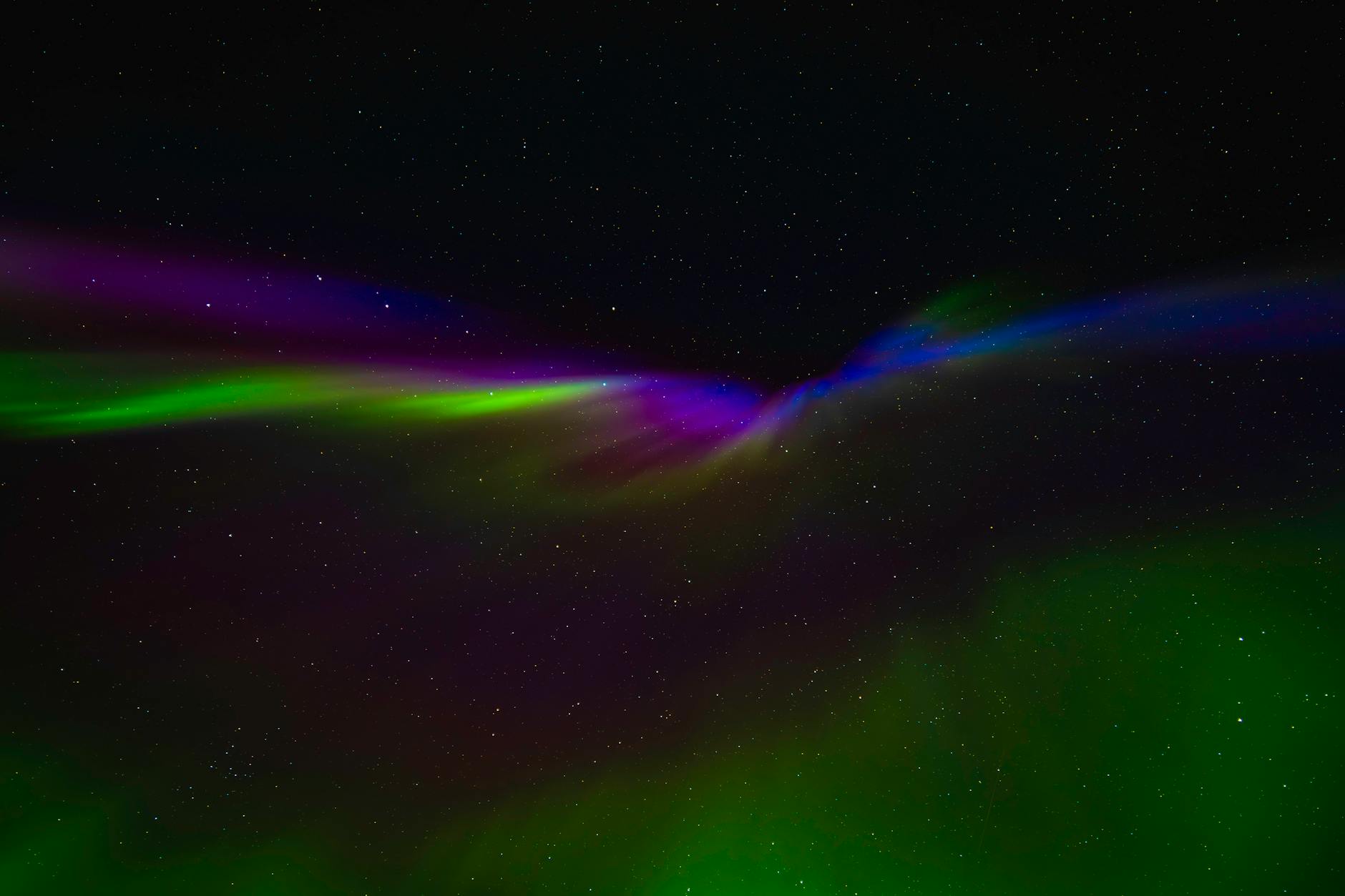
Evening programming includes aurora borealis viewing opportunities, as Churchill sits directly beneath the auroral oval. The glass igloos provide optimal positions for photographing both polar bears and northern lights, often visible simultaneously during clear Arctic nights.
Similar innovative accommodations have emerged globally, with Slovenia’s Postojna Cave System expanding underground hotel accommodations and unique wilderness experiences gaining popularity worldwide.
Conservation Impact and Community Involvement
The glass igloo project operates in partnership with Polar Bears International and local conservation organizations. Portions of booking fees support research initiatives monitoring polar bear populations and studying climate change impacts on Arctic ecosystems. Guests participate in citizen science projects, contributing observational data about bear behaviors and ice conditions.
Local Cree Nation and Inuit communities play integral roles in the operation, providing cultural context and traditional knowledge about Arctic survival and wildlife interactions. Indigenous guides share stories about the relationship between polar bears and northern communities, offering perspectives on sustainable tourism in sensitive ecosystems.
The accommodations operate under strict environmental protocols, including waste management systems designed for Arctic conditions and renewable energy integration where feasible. All structures use temporary foundations that minimize long-term environmental impact on the fragile tundra ecosystem.
Booking Information and Future Expansion
The glass igloos operate during Churchill’s peak polar bear season from mid-October through late November, with limited availability due to weather dependencies and wildlife protection protocols. Reservations include transportation from Winnipeg, all meals, guided excursions, and specialized Arctic equipment.
Similar to other unique destination accommodations like Jordan’s Wadi Rum desert luxury glamping experiences, these Arctic accommodations represent growing demand for immersive wilderness tourism combined with comfort and accessibility.
Plans for expansion include additional igloo installations and extended seasonal operations, pending environmental impact assessments and community consultations. The success of the Churchill project may inspire similar developments in other Arctic regions where wildlife viewing intersects with sustainable tourism opportunities.
The glass igloos transform one of Earth’s most challenging environments into an accessible luxury experience while supporting conservation efforts and Indigenous communities. As climate change continues affecting Arctic ecosystems, these accommodations provide crucial platforms for education and awareness about polar bear conservation and the importance of preserving Canada’s northern wilderness.
Frequently Asked Questions
When is the best time to visit the polar bear viewing igloos?
The igloos operate from mid-October through late November during Churchill’s peak polar bear migration season.
How do the glass igloos stay warm in Arctic conditions?
The igloos feature triple-layered insulated glass, heated floors, and maintain 20°C interior temperatures despite exterior conditions reaching minus 40°C.