Tunisia’s Djerba Island Quietly Fills the Gap Left by Overtouristed Malta

The Mediterranean’s Best-Kept Secret Is Running Out of Time to Stay That Way
Malta has long been the answer for travelers wanting Mediterranean culture, history, and coastline without the cost or chaos of mainland Europe’s most crowded destinations. Then everyone had the same idea. Valletta’s streets now run thick with cruise-ship passengers in summer, hotel rates have climbed steadily, and the island’s small size means there is simply nowhere to escape the crowd. Travelers who spent years recommending Malta to friends are quietly updating their advice.
The replacement they are landing on is Djerba – a Tunisian island roughly the size of Malta, sitting just off the North African coast in the Gulf of Gabes. It offers the same combination of ancient architecture, vivid coastline, and layered cultural history, but at a fraction of the price and with a fraction of the foot traffic. Djerba has been a known quantity in French and Italian travel circles for decades, but English-speaking visitors are only now catching up.
What Djerba Actually Looks Like on the Ground
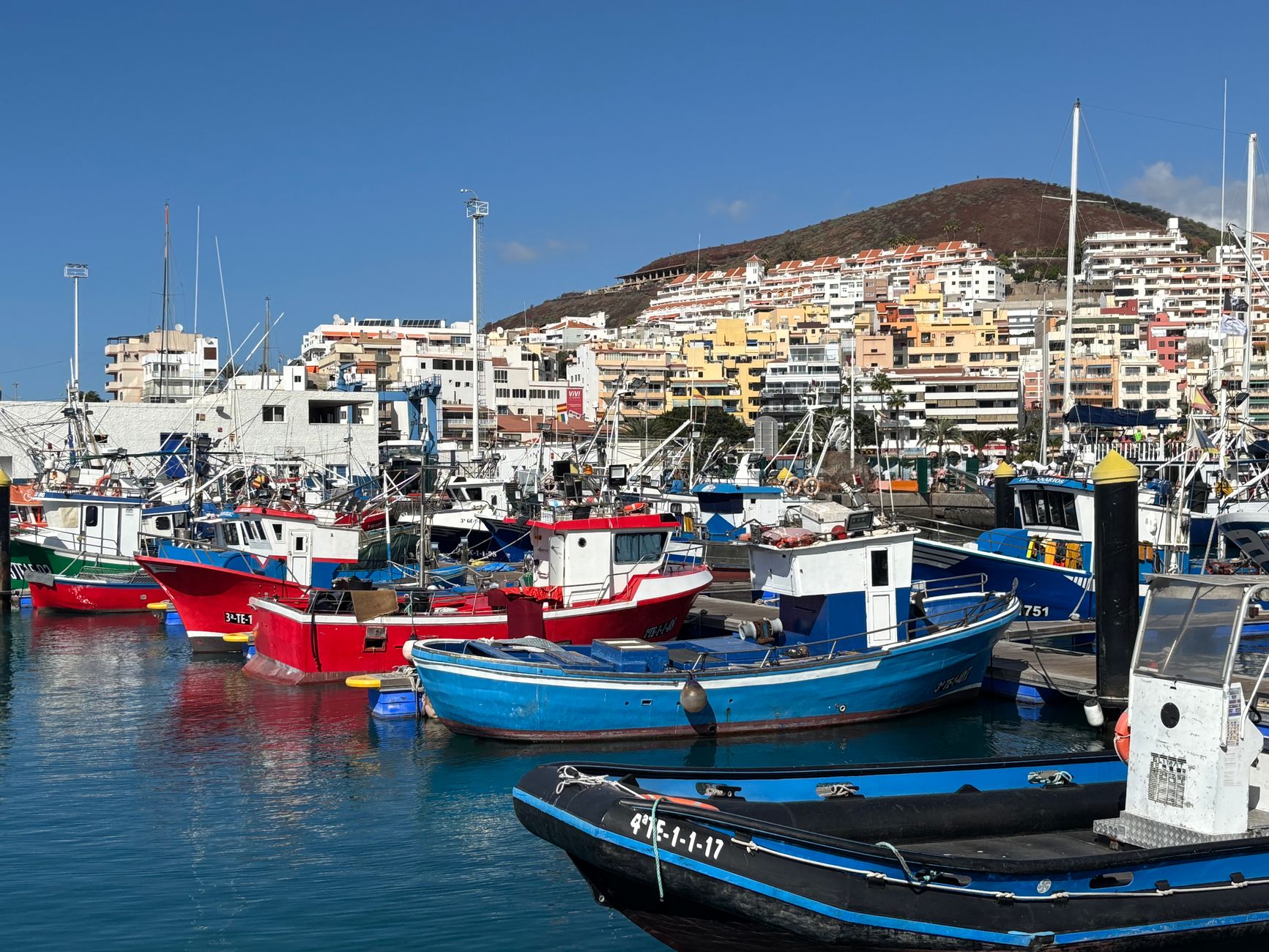
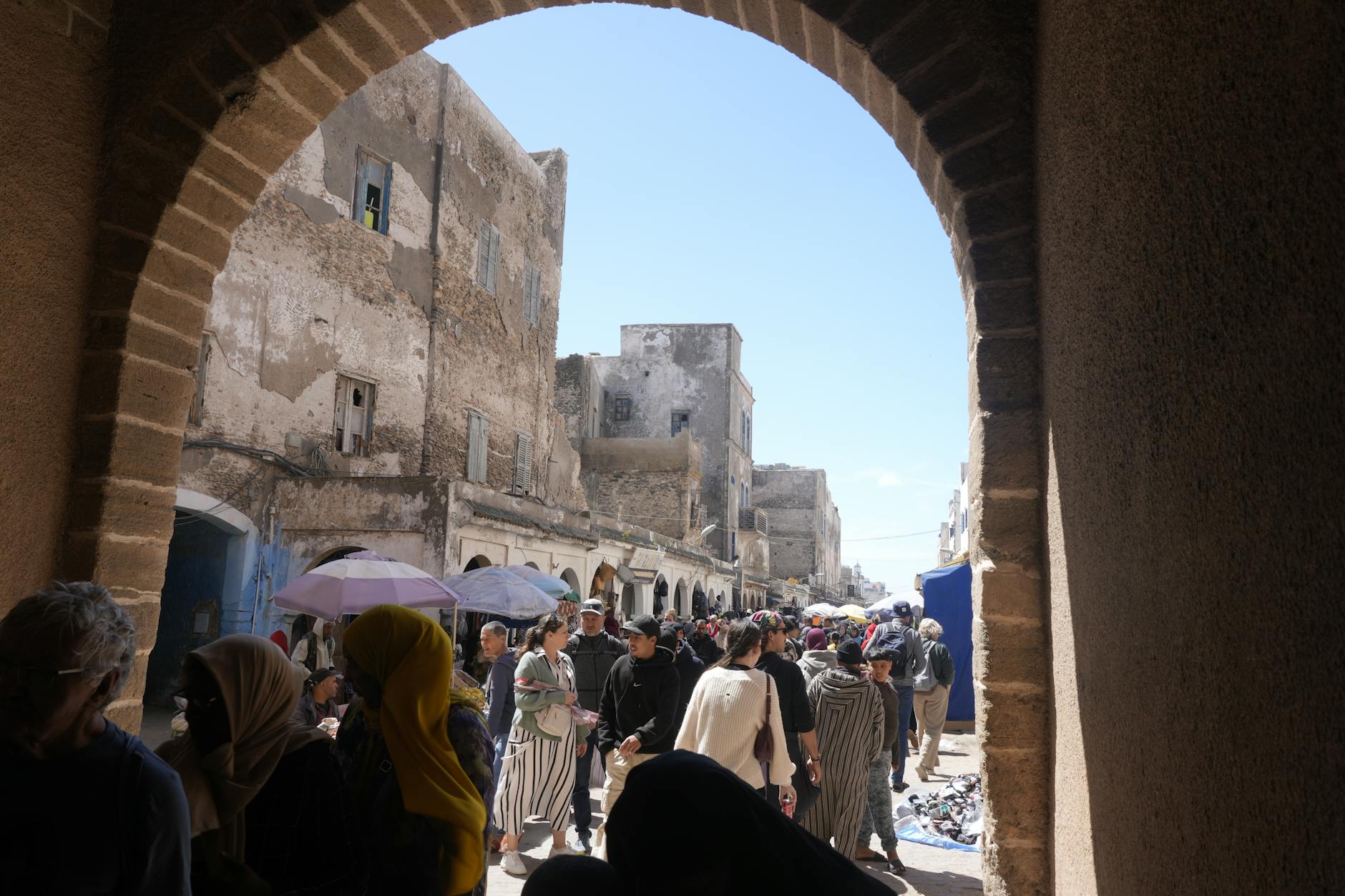
The island’s main town, Houmt Souk, is the kind of place that rewards slow walking. Its medina is compact but dense – whitewashed walls, blue-painted doorways, workshops selling hand-woven textiles alongside pottery glazed in the earthy tones that define Djerbian craft. The central market operates with the energy of a working trading post rather than a curated tourist experience, which makes a genuine difference to how a place feels when you are inside it. The Ottoman-era Borj el-Kebir fortress sits directly on the waterfront, and unlike comparable monuments in heavily visited destinations, you can often walk through it without a queue.
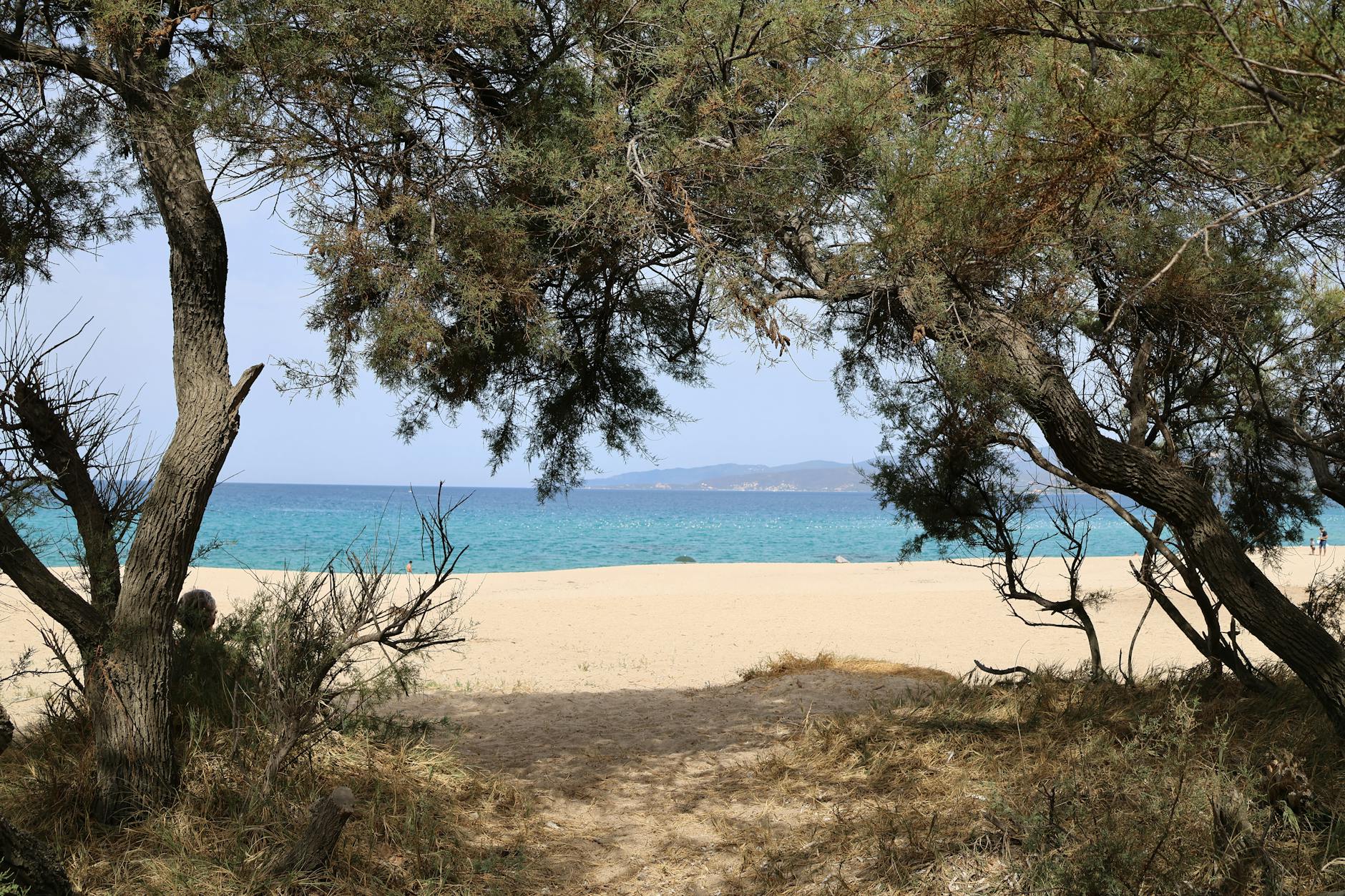
Beyond the town, the island’s interior is a flat, quiet landscape of olive groves, date palms, and small-scale farms. The coastal road south from Houmt Souk passes through villages where the architecture stays consistent – low, domed structures with thick walls designed to hold off summer heat – and where the tourist infrastructure thins out almost immediately. The beaches on the northeast coast, particularly around Sidi Mahrez and the zone around Aghir, are long, wide, and notably uncrowded outside the narrow peak of July and August. The water temperature in late spring and early September sits at a comfortable swimming range, and the shallow gradient makes the beaches accessible for most visitors.
The Cultural Depth That Most Visitors Miss
Djerba’s identity is not simply Tunisian – it is a layered accumulation of Berber, Phoenician, Roman, Arab, Ottoman, Jewish, and European influences that never fully resolved into a single coherent narrative. That unresolved quality is precisely what makes it interesting. The island’s Jewish community, one of the oldest continuously inhabited Jewish communities in the world, is centered in the village of Erriadh and anchored by the El Ghriba synagogue, which draws pilgrims annually and operates as a living place of worship rather than a preserved monument. The synagogue’s interior is remarkable – blue and white tilework, hanging ostrich eggs, stacked memorial plaques – and visiting it requires nothing more than modest dress and basic courtesy.
Erriadh itself became a focal point for street art several years ago when an arts initiative brought international muralists to paint the village’s exterior walls. The result is a neighborhood where ancient architecture and large-scale contemporary murals coexist without apparent tension, making it visually unlike anywhere else in the Mediterranean. Some of the murals have faded, which adds to rather than subtracts from the atmosphere.
The island’s food culture operates on similar principles of accidental richness. Djerbian cooking is distinct from mainland Tunisian cuisine – heavier on seafood, slightly less aggressive with harissa, more influenced by the island’s olive oil production. A meal at a small restaurant near the fishing port in Houmt Souk will cost a fraction of what a comparable meal costs in Valletta, and the ingredients – freshly caught fish, local octopus, bread baked the same morning – are not performative. They are simply what is available.
The island also holds the ruins of a Roman settlement at Meninx on its southern coast, largely unexcavated and completely unguarded. Visitors can walk through what remains of the site without a guide, a ticket, or another tourist in sight. For anyone with an interest in history, the combination of accessibility and solitude is the kind of experience that has become almost impossible to find in Western Europe.
The Practical Reality of Getting There
Djerba-Zarzis International Airport receives direct flights from several European cities, including Paris, Lyon, Brussels, and Rome, with additional seasonal routes opening in spring and early summer. Travelers from the UK or North America will typically connect through a European hub, adding a leg to the journey but not significant time. The island is also reachable by ferry from the Tunisian mainland, and the causeway connecting Djerba to the coast means that visitors renting a car can drive on and off without any maritime logistics at all.
Tunisia requires no visa for citizens of the EU, UK, US, or Canada for stays under three months. The local currency, the Tunisian dinar, is not freely convertible outside the country, so travelers should plan to exchange money on arrival rather than before departure. ATMs are available in Houmt Souk and around the resort zone, and most larger hotels and restaurants in tourist areas accept cards, though smaller establishments and market vendors will expect cash.
Who Is Going, and Why Now
The travel profile emerging around Djerba skews toward independent travelers in their late twenties through forties – people who have done Malta, who have done the Greek islands, who are looking for Mediterranean warmth and culture without the infrastructure built entirely around their presence. A growing number are combining Djerba with a few days in Tunis or a drive through the southern Tunisian interior toward the salt flats and desert landscapes near Douz. The island works as a standalone trip, but it also serves as an entry point into a country that most travelers have not seriously considered before.
The comparison to Albania’s Adriatic coast is useful context here – a destination with genuine depth and lower costs that spent years being underestimated precisely because it sat outside the established circuit. Djerba is at a similar inflection point. The resort infrastructure exists, concentrated mainly along the northeast coast, but it has not yet consumed the rest of the island’s character.
The question is whether that balance holds. Djerba was designated a UNESCO World Heritage Site in 2023, recognizing the island’s historic urban fabric and cultural complexity. That recognition brings attention, and attention, in the Mediterranean travel market, tends to move in one direction. The travelers arriving now are doing so before the designation fully registers on mainstream travel platforms – before the boutique hotel development accelerates, before the flight routes multiply, and before Houmt Souk’s medina starts calibrating its prices to European expectations rather than local ones.