
A Destination That Never Fully Disappeared
Inle Lake has spent years sitting in a kind of travel limbo – known enough to appear on Southeast Asia bucket lists, yet sidelined by political instability, infrastructure uncertainty, and the general caution travelers apply to Myanmar as a whole. But quietly, almost without announcement, it is showing up again on slow travel itineraries built around reflection rather than efficiency. Not in large numbers, not with glossy campaign backing, just through word passed between a specific kind of traveler who still prizes stillness over spectacle.
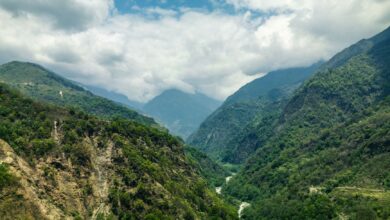
The lake itself sits at roughly 900 meters above sea level in Shan State, stretching nearly 22 kilometers through mist-softened hills. It is home to floating gardens, stilted villages, and the Intha people, who have developed a distinctive leg-rowing technique that has become one of the most photographed images in Southeast Asian travel. None of that has changed. What has changed is who is going, and why.
Slow travel, by its nature, tends to find places the algorithm hasn’t optimized yet.
Who Is Actually Going Right Now
The travelers reappearing at Inle Lake are not the resort-hopping crowd chasing Instagram geography. They tend to be longer-stay visitors – people spending two to four weeks in the broader region who build itineraries around cultural depth rather than destination count. Many are combining Inle with overland routes through northern Thailand or connecting via Chiang Mai before crossing into Shan State. The journey itself, unhurried and logistically involved, acts as a natural filter.
Guesthouses around Nyaungshwe, the gateway town to the lake, report a gradual uptick in bookings from independent travelers, particularly from Europe and Australia. These visitors are asking different questions than the pre-2020 wave did. They want longer boat rides without fixed itineraries, opportunities to visit local markets on a spontaneous schedule, and access to workshops where traditional Intha crafts – lotus silk weaving, cheroot rolling, silverwork – are still being practiced without a performance element attached.
The slow travel appeal is partly structural. Inle Lake does not reward rushing. The light changes dramatically throughout the day, the floating garden rows are best appreciated at the pace of a drifting longboat, and the villages connected by narrow channels require patience to navigate. Travelers who try to see it in a single full-day tour consistently report feeling like they missed something. Those who stay three or four nights tend to describe it as one of the most quietly affecting places they have visited in Southeast Asia.
The Practical Realities Travelers Are Navigating
Visiting Myanmar at this moment carries real complexity. The country has been under military governance since the 2021 coup, and the human rights situation remains serious and widely documented. Many travelers, travel agencies, and governments continue to advise against non-essential visits, citing both safety concerns and the ethical question of where tourism revenue flows. These are not concerns to minimize or navigate around with careful phrasing – they are legitimate factors that belong at the center of any planning conversation about Myanmar.
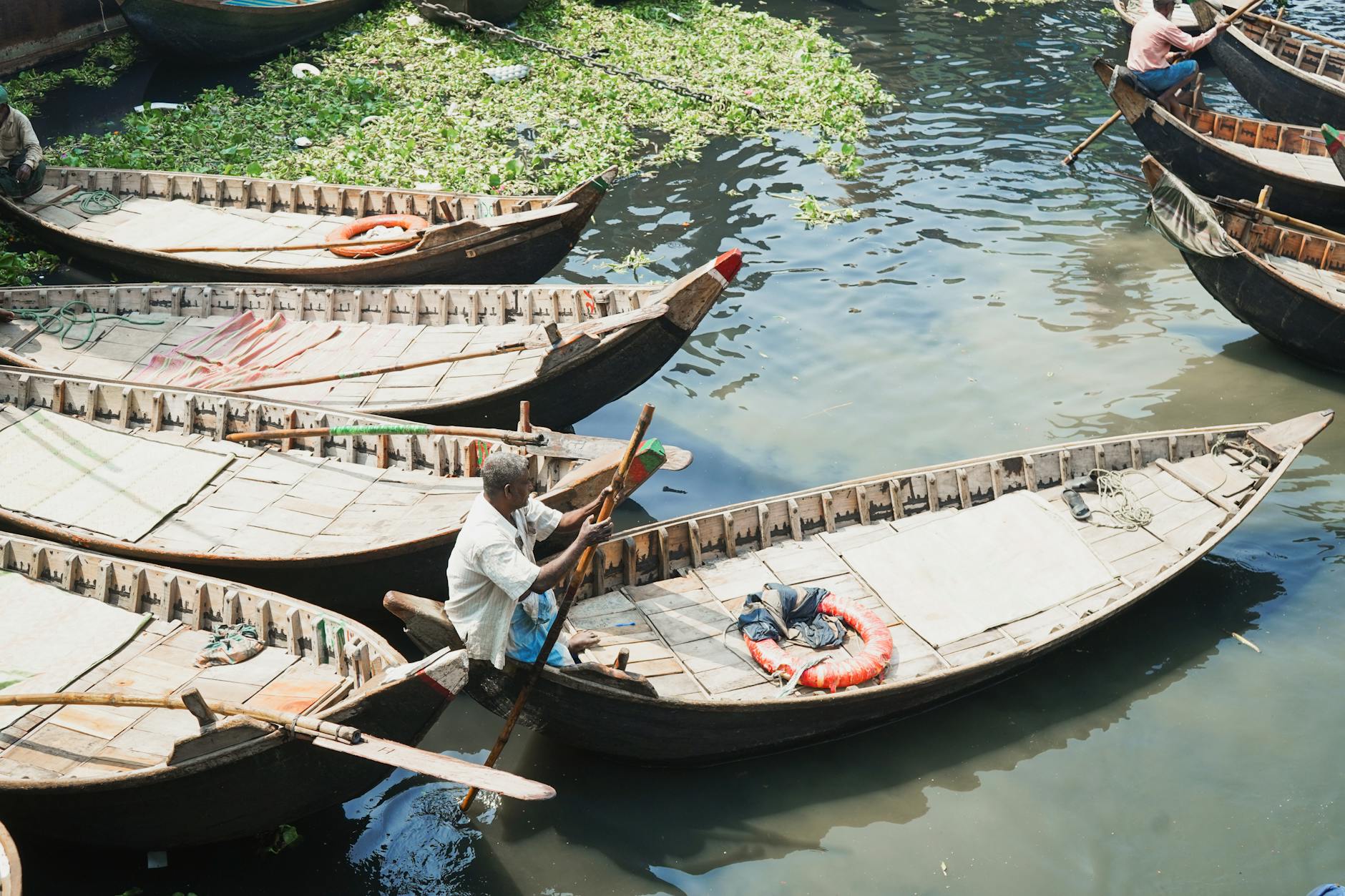
Travelers who do choose to visit Inle Lake under current conditions tend to engage deliberately with those questions. Spending directly with local boat operators, staying in family-run guesthouses rather than larger resort properties, buying crafts from artisan workshops rather than souvenir stalls, and avoiding state-connected businesses where possible are the approaches most commonly cited by those who have made the trip recently. None of it is a clean solution, but it reflects a considered effort to direct economic benefit toward local residents rather than government-linked entities.
Getting there also requires more planning than it did a decade ago. Flight connections through Yangon or Mandalay remain the most reliable options, though route availability shifts. Some travelers enter overland through the Thai border at Tachileik, though road conditions and checkpoint protocols in Shan State vary and require current, on-the-ground research before any attempt. Travel insurance that specifically covers politically unstable regions is not optional here – it is the minimum baseline for responsible trip planning.
What the Lake Offers That Other Places Don’t
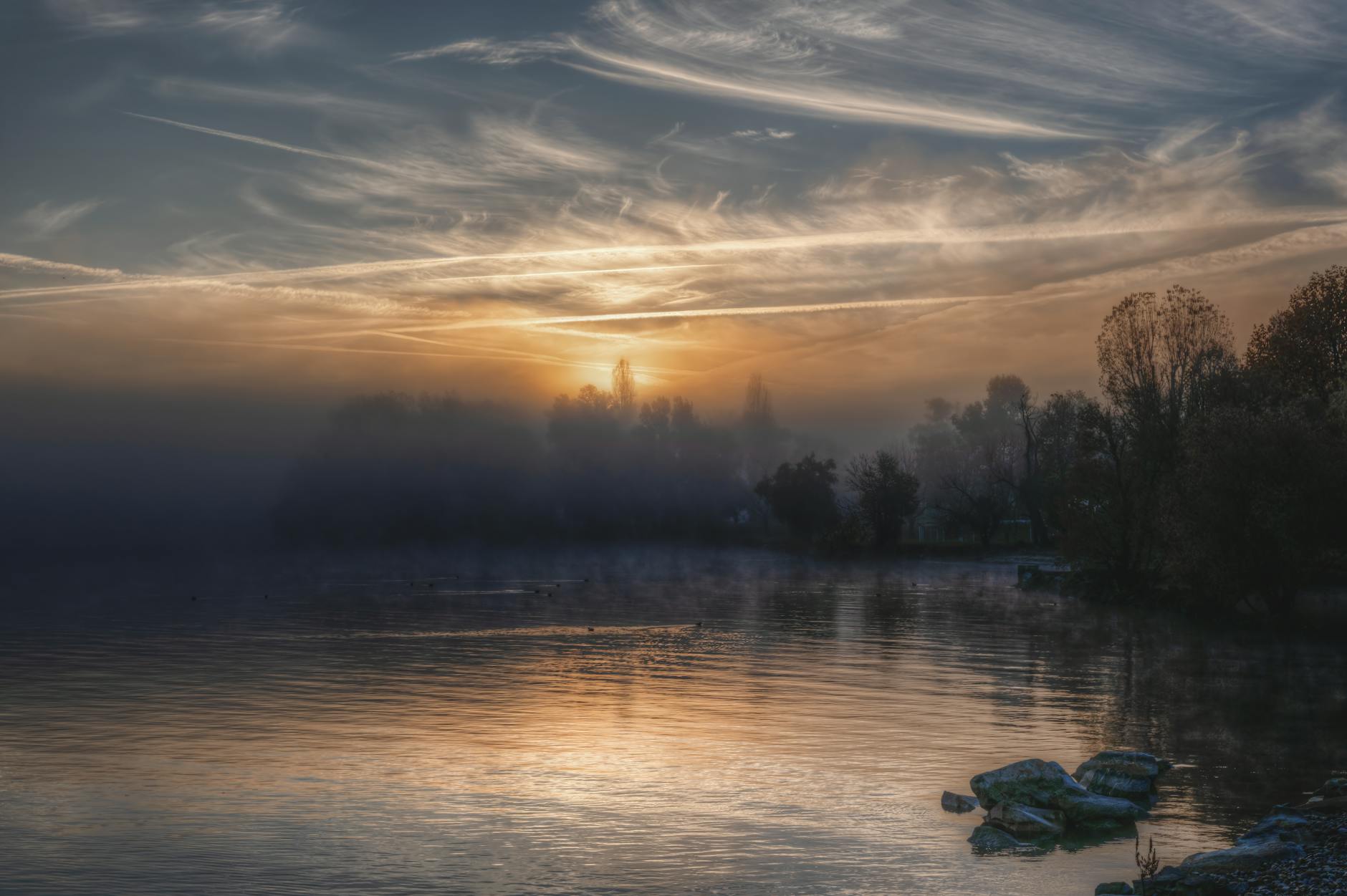
There is a particular quality to Inle Lake that is genuinely difficult to replicate elsewhere in the region. The floating gardens – rectangular plots of water hyacinth and soil anchored by bamboo poles, producing tomatoes, beans, and flowers year-round – create a landscape that feels constructed and organic at the same time. Moving through them by boat at dawn, with mist sitting low on the water and egrets working the edges of the channels, is the kind of moment slow travel itineraries are built around. Destinations like Bhutan’s Punakha Valley offer a comparable texture of quietude and cultural specificity, but the physical environment at Inle is entirely its own.
The Intha villages built on stilts directly over the water have their own internal logic – a layout shaped entirely by the lake’s rhythms, with boat traffic serving the function that road traffic serves elsewhere. Schools, markets, pagodas, and tea shops all sit above water. Children paddle to school. Monks collect morning alms from boats rather than doorsteps. For travelers accustomed to Southeast Asian cities or even the more visited highland towns, it registers as a genuinely different kind of place rather than a variation on a familiar theme.
The lotus silk industry centered around the lake adds another layer that rewards slow engagement. Weavers extract fiber from lotus stems and spin it into a fabric that is soft, lightweight, and produced in small quantities – a process that takes weeks and results in textiles sold at prices that reflect the actual labor involved. Watching the extraction and weaving process, and understanding what it takes to produce a single scarf, is the kind of context that changes how a traveler relates to a craft tradition rather than simply observing it.

Inle Lake does not need a rebrand or a marketing campaign. It needs travelers who have already decided that the point of a trip is not how many places they can say they have been – and right now, quietly, that is exactly who is finding it.
Frequently Asked Questions
Is it safe to travel to Inle Lake in Myanmar right now?
Myanmar remains under military rule following the 2021 coup, and many governments advise against non-essential travel. Travelers should check current advisories and plan with comprehensive travel insurance.
How do you get to Inle Lake?
The most common routes are via flights through Yangon or Mandalay to Heho Airport, with Nyaungshwe as the main gateway town to the lake.