
Stone Galleries in the Desert
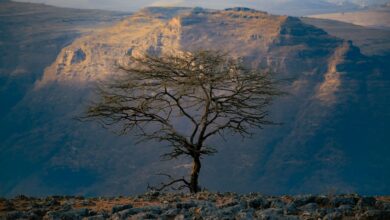
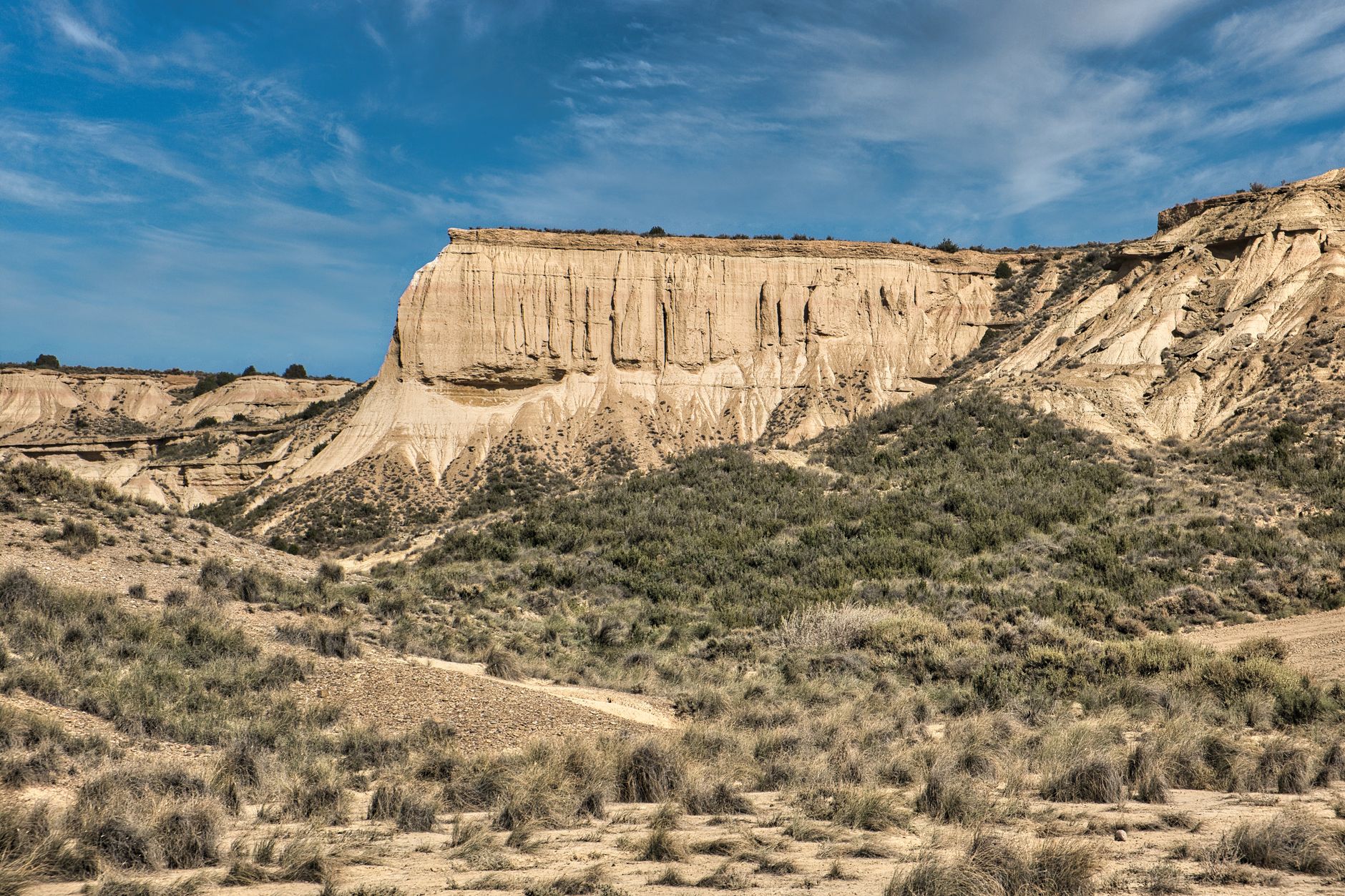
Somewhere in the northeastern corner of Chad, beyond the reach of paved roads and reliable mobile signal, sandstone towers rise from the Sahara floor like the ruins of a civilization that never quite existed. The Ennedi Plateau is a geological accident of spectacular proportions – a massif carved by wind and ancient water into arches, corridors, and chambers that shelter one of the densest concentrations of prehistoric rock art anywhere on the African continent. Few travelers have seen it. Fewer still know it exists.
While the Sahara’s better-known rock art sites in Algeria and Libya attract a modest but established circuit of archaeological tourists, Ennedi sits in a category largely its own. UNESCO recognized its outstanding value in 2016, granting it World Heritage status, yet the plateau remains functionally invisible on the international travel circuit. The reasons are logistical and political in equal measure, but for the small number of visitors who do make the journey, that invisibility is precisely the point.
What the Walls Record
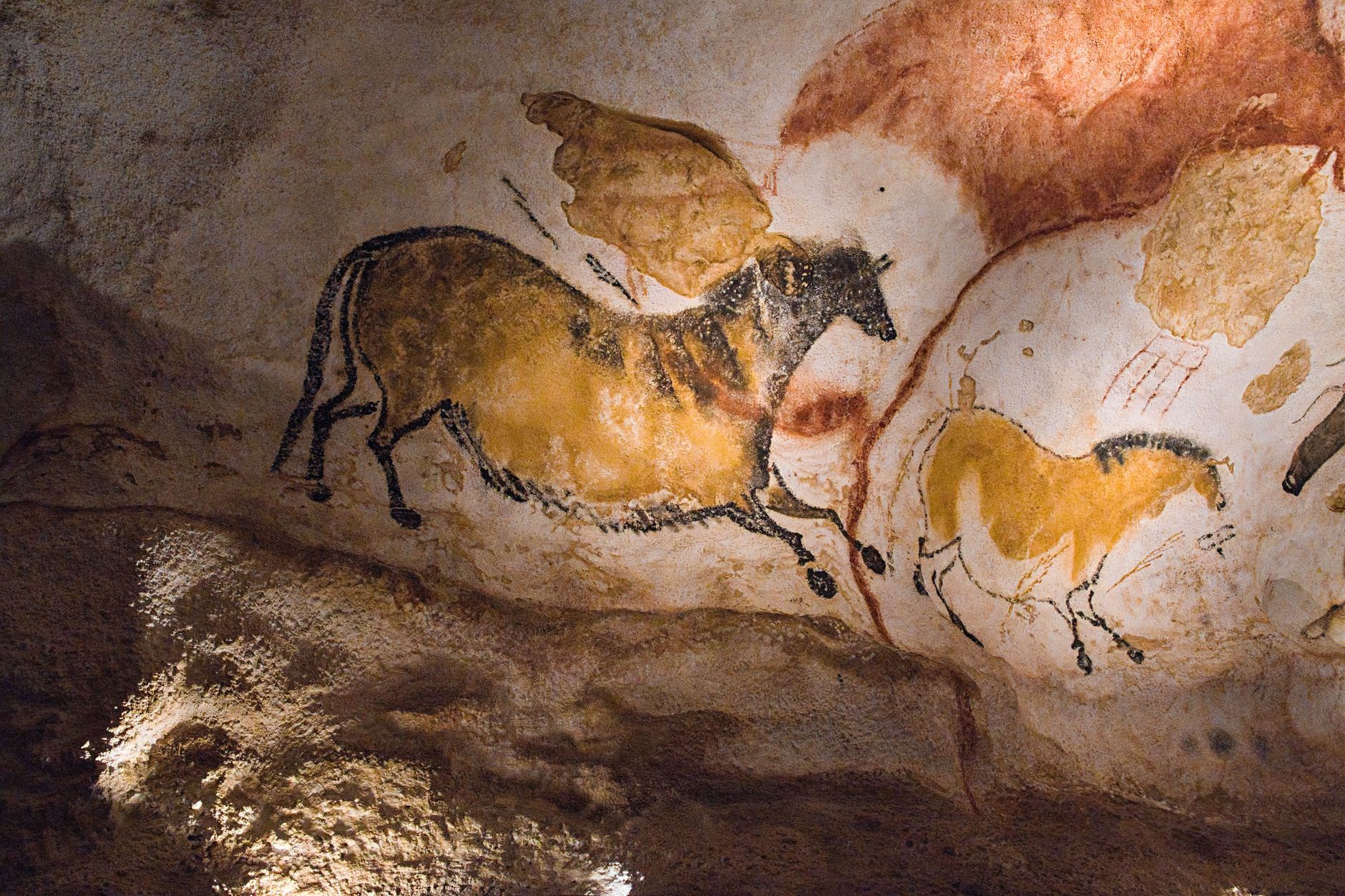
The art at Ennedi spans roughly 7,000 years of human activity. Cattle herders, hunters, and later nomadic pastoralists all left marks on the sandstone walls – paintings and engravings that document the gradual drying of the Sahara from a green, inhabitable landscape into the desert it is today. Some panels show animals now extinct in the region: hippos, crocodiles, and large antelope that would have required a wetter climate to survive. Others record domestic cattle with elaborate painted markings, suggesting complex social rituals built around livestock ownership. The visual record is not just artistic – it is ecological and ethnographic.
What makes Ennedi distinct from other Saharan rock art sites is the sheer density of sites packed into its sandstone formations. Gorgono, Niola Doa, and the Guelta d’Archei are among the most visited locations within the plateau, but hundreds of lesser-known panels exist along canyon walls, inside natural arches, and in low overhangs that provided shelter to people crossing the desert millennia ago. At Niola Doa – sometimes called the “Ladies of Ennedi” by early European explorers – a large panel of female figures painted in ochre and white represents one of the most iconic and debated images in Saharan prehistory. Scholars continue to disagree about whether the figures represent a fertility cult, a record of social status, or something else entirely.
The guelta at Archei adds another dimension entirely. This permanent water source, fed by an underground aquifer, sustains a small population of Nile crocodiles that have survived in the desert for thousands of years – genetically isolated from their cousins along the actual Nile. Watching crocodiles lie motionless beside camel caravans that stop to drink is one of those images that feels impossible until you are standing in front of it. The guelta also contains rock art on its walls, layered over centuries, making it both a living ecosystem and an open-air archive.
The Logistics of Getting There
Chad is not an easy destination to reach or to navigate, and this is the honest starting point for any serious planning conversation. The country requires a visa, and obtaining one typically involves advance contact with a tour operator already working in the country, as Chad does not currently offer visa-on-arrival to most nationalities. N’Djamena, the capital, is the main entry point, and flights connect through Paris, Addis Ababa, and a handful of regional African hubs. From N’Djamena, the Ennedi Plateau is a two-day overland journey north and east – first by road through Abeche, then by 4×4 across open desert tracks.
Independent travel in Ennedi is not realistically possible. The terrain requires multiple vehicles for safety, a local guide with genuine knowledge of the plateau’s geography, and enough fuel and water to be entirely self-sufficient. A small number of specialist tour operators run expedition-style itineraries to the region, typically lasting between eight and twelve days in total, combining the plateau with the Tibesti region or the Borkou desert depending on the season. The most viable window for travel runs from October through March, when daytime temperatures drop into manageable ranges – still hot by most standards, but not the 45-plus degrees Celsius that the Sahara delivers in summer.
Why Ennedi Has Stayed Off the Map
Chad’s absence from the adventure travel circuit is not purely a function of logistics. The country has carried sustained instability across its northern regions for decades, and travel advisories from most Western governments have historically flagged large parts of the country as high-risk. The security landscape has shifted in some areas, and operators running Ennedi expeditions report that the plateau itself – far from the country’s areas of active conflict – has remained calm and accessible for guided groups. But the advisories persist, and most travelers never look past them.
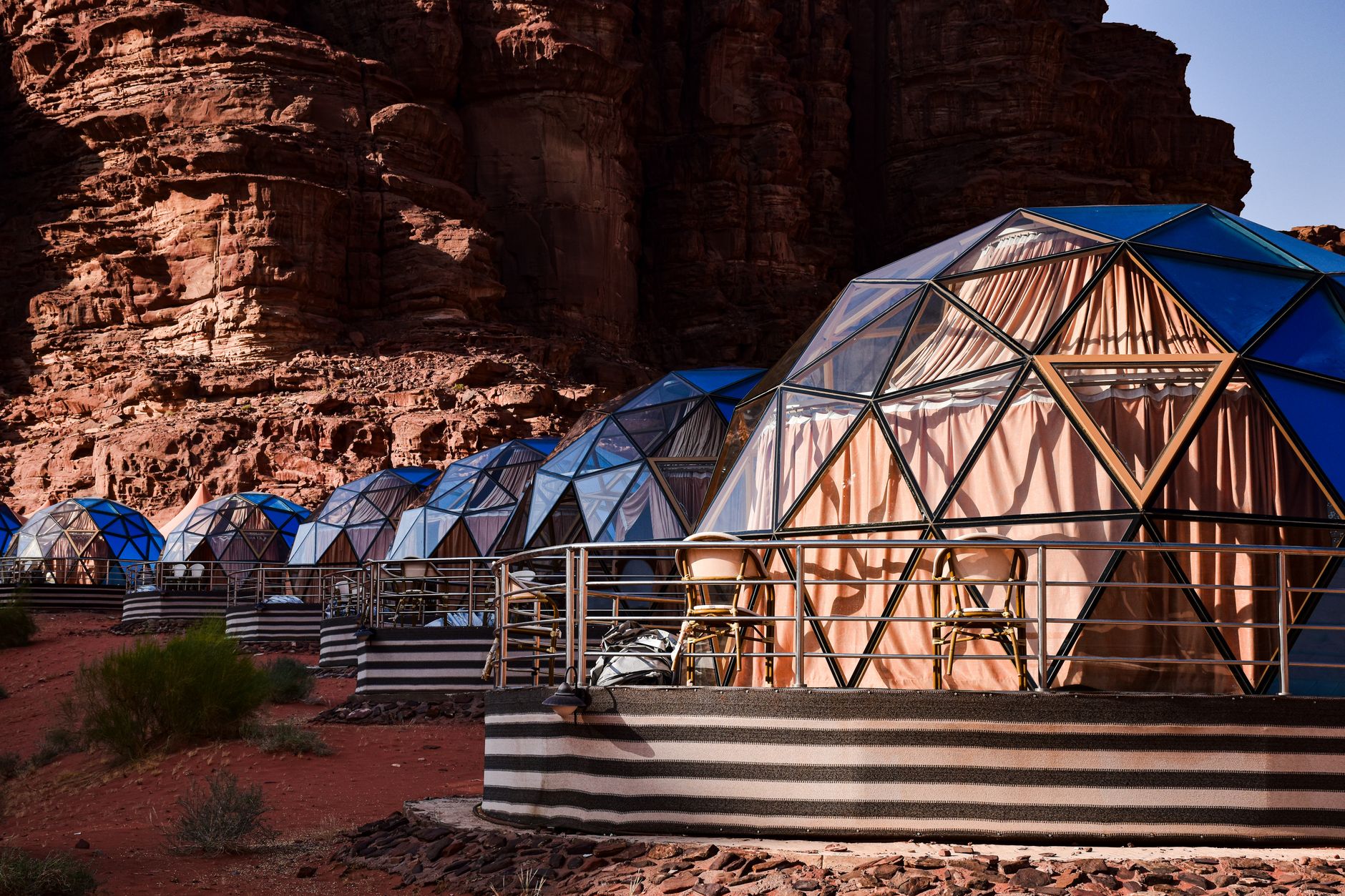
There is also the matter of infrastructure, or its near-total absence. There are no lodges, no tourist facilities, and no marked trails in Ennedi. Everything is camping – either in tents or beneath the open sky in the way travelers have slept in the Sahara for centuries. This is not a destination that suits travelers looking for comfort as an anchor to adventure. It suits people who are willing to accept discomfort as the price of access to something genuinely unmediated.
The communities living within and around the plateau – primarily Toubou and Arab nomadic groups – have a relationship with Ennedi that predates any modern administrative category. Some families have grazed camels through these canyons for generations and carry oral knowledge of rock art sites that no academic survey has formally documented. Responsible operators build relationships with these communities directly, employing local guides whose knowledge of the terrain is practical and generational rather than textbook-derived. That dynamic changes the quality of the experience considerably – a guide who grew up navigating by sandstone formations reads the plateau differently than one who learned it from a map.
For travelers drawn to Africa’s more extreme and less-visited landscapes, Ennedi presents a specific kind of appeal that goes beyond novelty. The rock art itself is a legitimate draw – the equivalent of visiting an ancient museum that has never been curated, where the exhibits were placed by people who had no concept of a future audience. Some panels are faded to near-invisibility. Others are shockingly vivid, the pigment preserved by the dry overhang above them. Standing inside a canyon at Ennedi, surrounded on three sides by painted walls from multiple eras of human occupation, the question that surfaces is less “how did they make this?” and more “what else is still out there, undocumented, waiting in a canyon nobody has walked through yet?”