
Chile’s Atacama Desert, already known as the world’s driest non-polar desert, has just become the newest frontier for luxury stargazing tourism. Three pioneering hotels have opened their doors with state-of-the-art observatory rooftops, transforming the region into South America’s premier astronomical destination.
The desert’s extreme elevation, minimal light pollution, and more than 300 clear nights annually create perfect conditions for celestial observation. These new accommodations capitalize on the same factors that have made the Atacama home to major international observatories like ALMA and the Very Large Telescope.
Revolutionary Rooftop Observatory Design
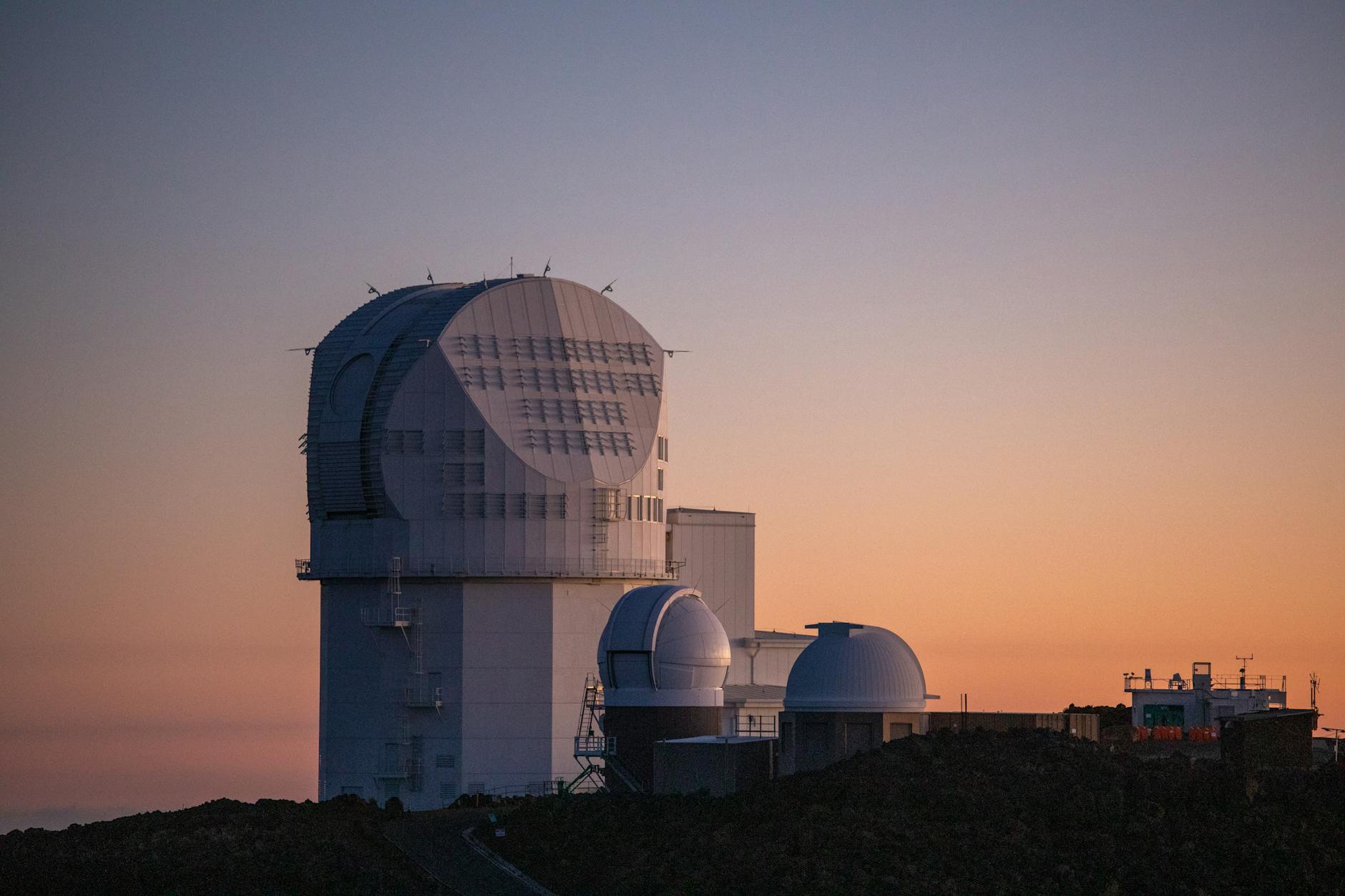
The three new properties – Cosmos Atacama Lodge, Desert Sky Resort, and Stellar Sanctuary – each feature custom-built observatory domes atop their main buildings. These aren’t simple viewing decks with basic telescopes, but sophisticated astronomical facilities designed in partnership with Chilean astronomers.
Each hotel’s observatory houses professional-grade telescopes ranging from 8-inch to 14-inch apertures, computerized tracking systems, and climate-controlled environments. Guests can observe deep-space objects typically visible only through major research facilities. The hotels employ resident astronomers who provide guided viewing sessions in multiple languages.
Desert Sky Resort’s head astronomer, Dr. Maria Gutierrez, previously worked at the European Southern Observatory. “We’re offering guests the same quality of observation that researchers use, but with luxury accommodation and gourmet dining,” she explains. The resort’s 12-inch Schmidt-Cassegrain telescope can capture detailed views of nebulae, galaxies, and planetary features.
The rooftop facilities also include heated observation lounges with floor-to-ceiling windows, allowing guests to stargaze comfortably during the desert’s chilly nights when temperatures can drop to near freezing.
Luxury Accommodations Meet Scientific Precision
Beyond their astronomical features, these properties deliver five-star hospitality in one of Earth’s most extreme environments. Rooms feature floor-to-ceiling windows facing north toward the clearest skies, blackout curtains for daytime sleep after late-night stargazing, and temperature-controlled environments that counter the desert’s dramatic day-night temperature swings.
Cosmos Atacama Lodge offers 24 suites built into the desert landscape using local materials and sustainable design principles. Solar panels power the facility during the day, while backup generators ensure the telescopes remain operational throughout the night. The property includes a spa utilizing mineral-rich waters from underground sources and a restaurant serving locally-sourced ingredients including quinoa, llama, and native herbs.
Stellar Sanctuary takes a more intimate approach with just 12 villas, each featuring private terraces equipped with smaller telescopes for personal observation. The property’s main observatory dome opens completely to provide an unobstructed 360-degree view of the sky. Guests can reserve private viewing sessions or join group presentations about constellations, planetary movements, and deep-space photography.
The hotels coordinate their lighting systems to minimize disruption to both guest observations and nearby research facilities. All outdoor lighting uses special amber filters that reduce blue light pollution, and motion sensors ensure lights activate only when needed.
Programming Beyond Stargazing
While astronomy drives the appeal, these properties offer comprehensive desert experiences during daylight hours. Desert Sky Resort organizes sunrise hot air balloon rides over the otherworldly landscape, guided tours of natural formations like the Moon Valley and Rainbow Valley, and visits to local indigenous communities who have observed these same stars for centuries.
The hotels also provide educational programs about the region’s role in global astronomy research. Guests can visit the ALMA observatory site, participate in astrophotography workshops, and attend lectures by visiting researchers. Some packages include helicopter tours to high-altitude observation points where the atmosphere is even thinner and visibility extends further into space.
Cultural programming highlights the area’s rich heritage, including the traditions of the Atacameño people who used star patterns for agricultural planning and navigation. Local guides share indigenous astronomy knowledge alongside modern scientific observations, creating a comprehensive understanding of humanity’s relationship with the cosmos.
Culinary experiences emphasize local ingredients adapted to the harsh environment. Chefs prepare dishes using native plants like chañar fruit, tamarugo pods, and various cacti, paired with regional wines from nearby valleys. The extreme desert location requires careful water management and food preservation techniques that become part of the educational experience.
Setting New Standards for Astrotourism
These Atacama properties represent a significant evolution in astrotourism, moving beyond basic stargazing to offer research-quality observation experiences. The concept builds on successful models seen in other unique destinations, similar to how Morocco’s Atlas Mountains debut Berber village homestay programs that combine cultural immersion with adventure travel.
The hotels work closely with international astronomical organizations to ensure their facilities complement rather than interfere with scientific research. They’ve established protocols for dimming lights during major observation campaigns and coordinate guest activities to avoid disrupting sensitive measurements at nearby professional observatories.
Booking demand has exceeded expectations, with many dates reserved through the next two years. Peak season runs from April through September when Southern Hemisphere skies offer optimal viewing of the Milky Way’s center and southern celestial objects invisible from northern latitudes.
The success is inspiring similar projects across Chile’s northern desert region. Three additional observatory hotels are planned for 2025, along with a dedicated astrotourism airport to serve the growing number of international visitors seeking world-class stargazing experiences.
As space tourism remains accessible only to the ultra-wealthy, these earthbound observatories offer a more attainable way to explore the universe. They’re positioning Chile’s Atacama Desert as a must-visit destination for anyone seeking to understand their place in the cosmos while enjoying luxury accommodations in one of the planet’s most remarkable landscapes.
Frequently Asked Questions
What makes Atacama Desert ideal for astronomy hotels?
The region has 300+ clear nights annually, minimal light pollution, high elevation, and extremely dry conditions perfect for stargazing.
Do the hotels provide telescopes and astronomy guidance?
Yes, each property features professional-grade telescopes with computerized tracking and resident astronomers offering guided viewing sessions.