
Where the Altitude Goes Extreme and the Crowds Don’t Follow
Patagonia has long held a near-mythical status among serious trekkers – the jagged towers of Torres del Paine, the sprawling ice fields, the wind that punishes every step. But a growing number of adventure travelers are quietly rerouting their South American itineraries northward, toward a landscape that operates on entirely different terms. Chile’s Atacama Desert, perched across the Altiplano at elevations that regularly exceed 4,000 meters, is drawing trekkers who want altitude, isolation, and scenery that doesn’t require a lottery permit or a six-month booking window.
The shift is less about Patagonia losing its appeal and more about the Atacama finally getting the attention it has always deserved. For years, the region marketed itself primarily as a stargazing destination or a luxury eco-retreat – a place you fly into, check into a high-end lodge, and watch the sunset from a hot tub. That version of the Atacama still exists, but it is no longer the only one. A different kind of traveler is arriving with trail shoes and trekking poles, and the terrain is more than ready for them.
Terrain That Rewards Serious Trekkers
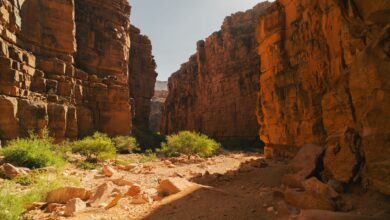
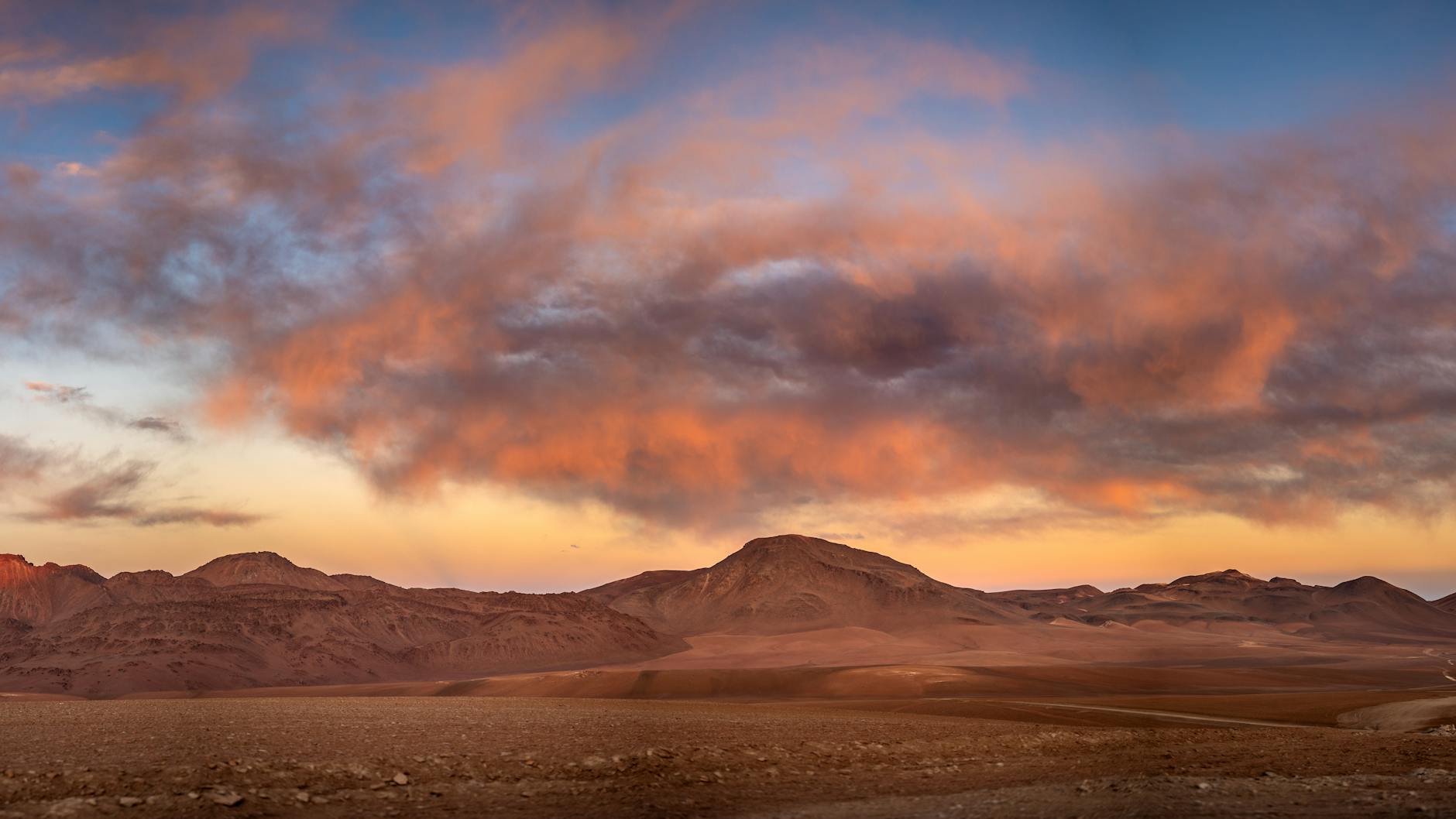
The landscape around San Pedro de Atacama, the region’s central hub, is not gentle. Volcanic peaks rise above 5,000 meters, including the striking Licancabur stratovolcano, which sits on the Chilean-Bolivian border and draws experienced mountaineers attempting its non-technical but physically demanding summit. Shorter routes through Valle de la Luna and the salt flats surrounding Salar de Atacama offer high-altitude walks with almost surreal visual rewards – crystalline salt formations, terracotta rock formations, and skies so clear the horizon seems to extend beyond reason. The light here does something that Patagonia’s heavy cloud cover rarely allows: it stays consistent, warm, and photograph-worthy for hours.
What the Atacama offers that Patagonia often cannot is predictability. Patagonia’s weather is notoriously violent – four seasons in one afternoon is not a cliché but a daily operational reality for trekkers on the W Trek or the Huemul Circuit. The Atacama, by contrast, has roughly 360 dry days per year in some zones, with rain so rare that certain microclimates have not recorded measurable precipitation in decades. For trekkers planning international trips around limited vacation time, that reliability carries real weight. You do not arrive after 20 hours of travel only to spend three days tent-bound waiting for a weather window.
The Altitude Factor – and Why It Changes the Experience
Altitude is the variable that separates Atacama trekking from most other desert walking anywhere on Earth. Acclimatization is not optional here – it is the central logistical challenge around which any serious itinerary must be structured. Most visitors spend the first two to three days in San Pedro at around 2,400 meters before moving higher, and even that lower elevation can produce headaches and fatigue in travelers arriving from sea level. The body’s adjustment to reduced oxygen levels is slow and non-negotiable, and the Atacama’s best trekking routes sit well above the acclimatization zone.
The payoff for working through that adjustment is access to some of the least-traveled high-altitude terrain in South America. Routes toward the Tatio geysers, which sit at 4,320 meters above sea level, combine geological drama with genuine physical effort. Watching those geysers erupt in the pre-dawn cold, at an elevation where every step requires conscious effort, creates a kind of earned experience that flat desert tours simply don’t replicate. The exertion is part of what makes the scenery land differently.
For trekkers who have already completed Ecuador’s Quilotoa Loop – another high-altitude circuit that threads through Andean crater lakes and indigenous villages at comparable elevations – the Atacama offers a logical next challenge on the same continent, with a dramatically different aesthetic. Where Ecuador’s loop is green, communal, and agricultural, the Atacama is mineral, silent, and almost hostile in its beauty.
Multi-day routes in the region are still largely unstructured compared to Patagonia’s established trail systems. There are no Torres del Paine-style refugios with bunk beds and dinner service. What exists instead is a network of guides, mostly operating out of San Pedro, who piece together customized trekking routes combining volcanic ascents, salt flat crossings, and high-altitude lagoon walks. The absence of infrastructure is a feature for a certain type of traveler – the one who wants the route to feel like it was designed for them rather than for the thousands who walked it last season.
The Wildlife Dimension Most Trekkers Don’t Expect
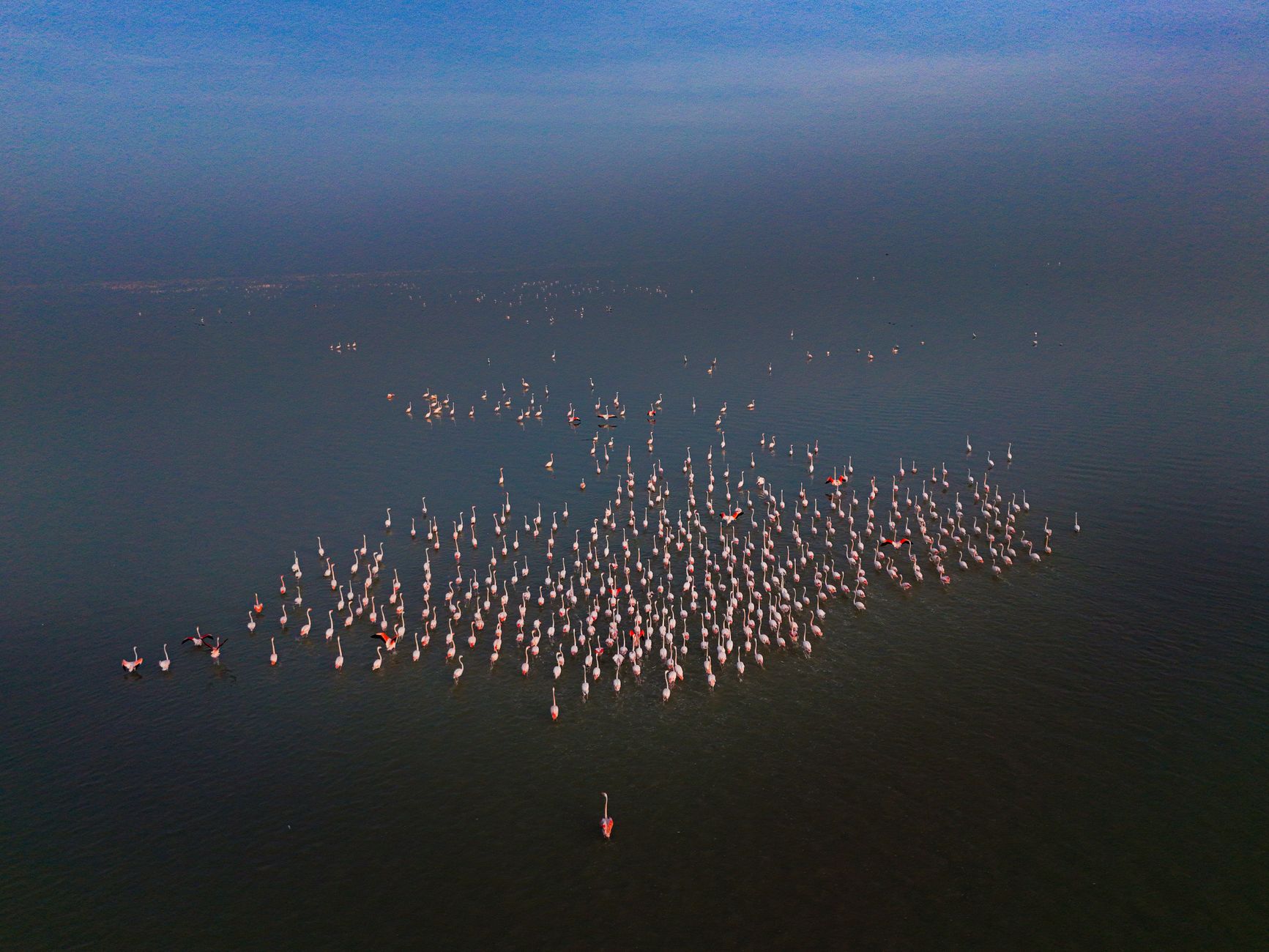
Desert treks are not typically associated with wildlife encounters, but the Atacama breaks that assumption at every turn. The high-altitude lagoons – Laguna Cejar, Laguna Miscanti, and the flamingo-filled shallows near Salar de Tara – support populations of Andean flamingos, vicunas, and viscachas in numbers that routinely surprise first-time visitors. Seeing a herd of vicunas move across a volcanic slope at 4,500 meters, with no other trekkers visible in any direction, is the kind of moment that doesn’t photograph well enough to prepare anyone for it in advance.
The flamingos are particularly counterintuitive. Pink wading birds in the middle of the driest non-polar desert on the planet, feeding in lagoons so saline that the water surface appears almost solid – it’s a combination that makes the Atacama feel less like a single place and more like several different ecosystems stacked on top of each other. That layering of experiences is exactly what keeps trekkers talking about the region long after they return home.
Logistics, Access, and the Reality of Getting There
San Pedro de Atacama is accessible via Calama, which has direct flight connections from Santiago on a daily basis. The flight from Santiago takes roughly two hours, making the Atacama significantly easier to reach than most of Patagonia, where the gateway city of Punta Arenas requires either a long haul from Santiago or a connecting flight through southern Chilean hubs. For international travelers who want to maximize trekking days without burning a week in transit, the northern route has a practical advantage that rarely gets discussed in destination guides.
Accommodation in San Pedro ranges from budget hostels to some of the most architecturally considered eco-lodges in South America, where room rates climb well above standard resort pricing. The mid-range options, small guesthouses and family-run posadas built in traditional adobe construction, represent some of the better value accommodation in Chile. Many trekkers use San Pedro as a base for a full week or more, pushing into different zones of the surrounding Altiplano each day rather than attempting linear thru-routes.
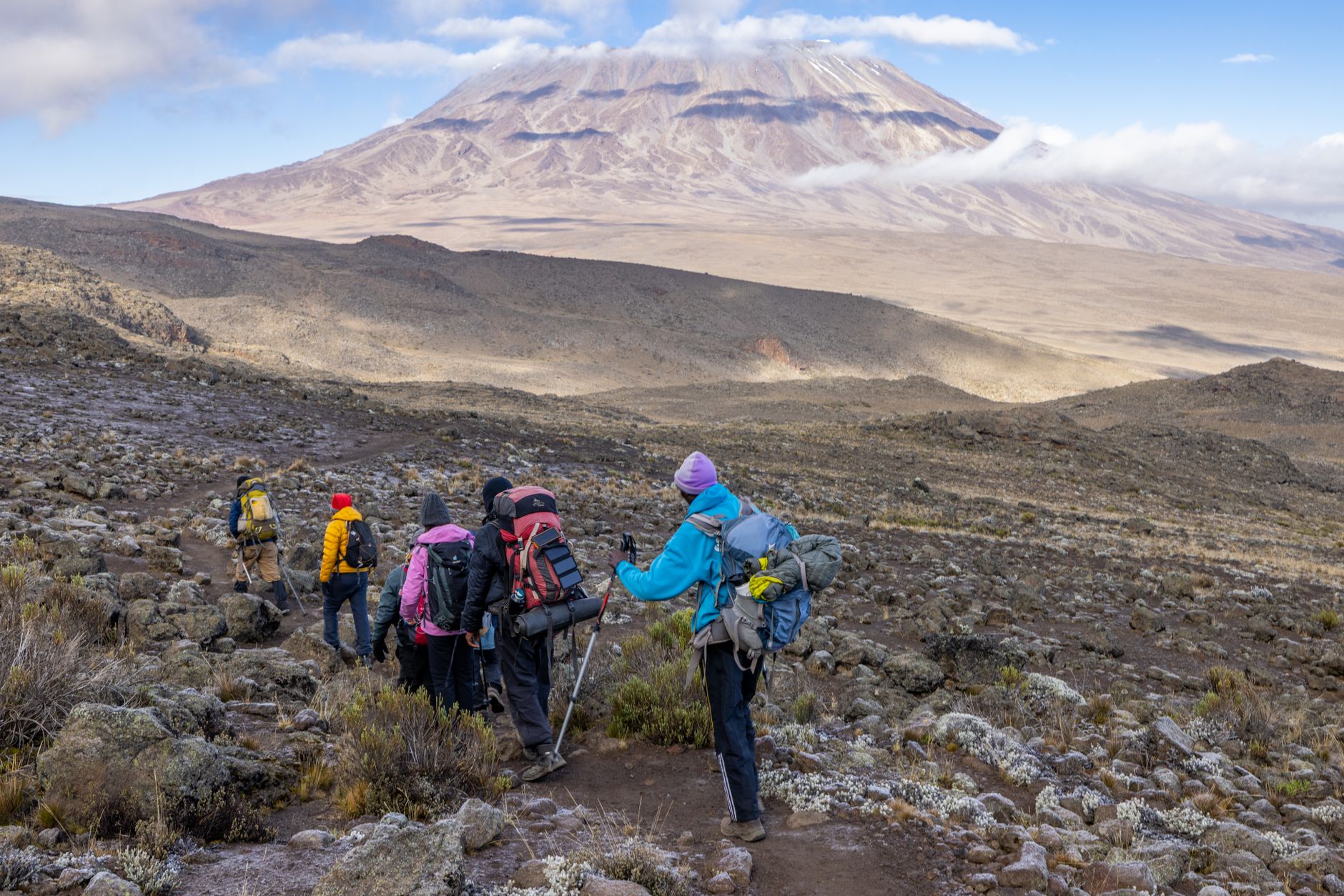
Guided trekking operations in the area vary widely in quality and in the ambition of their route offerings. Some agencies run straightforward half-day walks suitable for general tourists with minimal fitness requirements. Others build fully customized multi-day expeditions with mule support for gear and camping at high-altitude sites that see almost no other visitors between June and August, the region’s peak trekking season. The difference between those two experiences is significant enough that route selection and guide vetting matter more here than in destinations with established trail infrastructure doing the work for you.
The question serious trekkers are starting to ask is no longer whether the Atacama competes with Patagonia – it’s whether the two regions are even playing the same game. Patagonia delivers epic scale and iconic ridgelines. The Atacama delivers silence, altitude, and the specific texture of a landscape that looks actively hostile to human life yet somehow supports flamingos, volcanoes, and one of the clearest night skies on Earth. For trekkers who want the latter, no amount of W Trek marketing is going to change the destination calculus anymore.