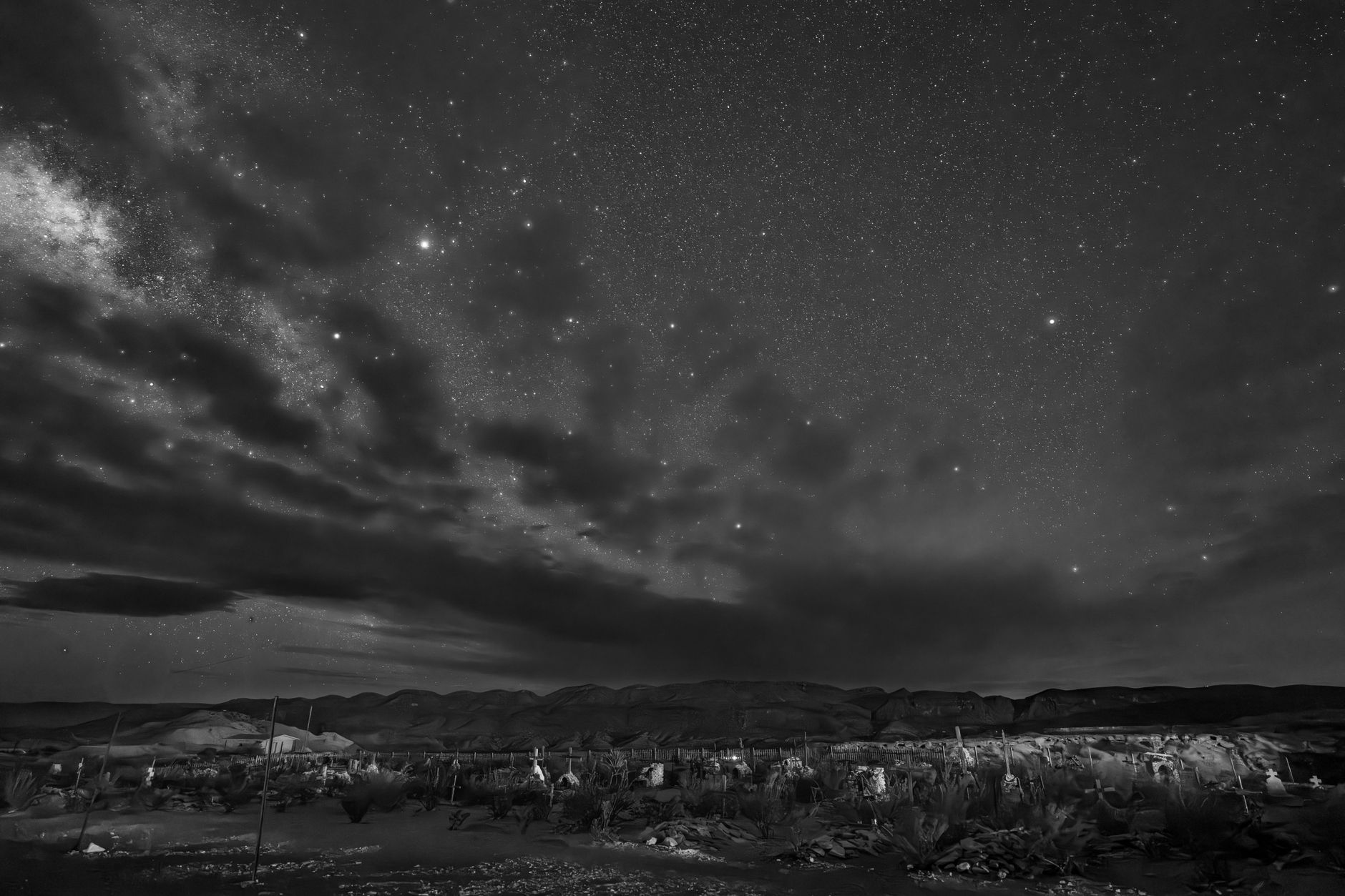

San Pedro de Atacama gets the Instagram posts, the tour buses, and the five-star desert lodges. But about 40 kilometers north, a string of adobe villages sits under the same ink-black sky with a fraction of the crowd – and for serious stargazers, that difference matters more than any amenity list.
Why the Villages Fly Under the Radar
The Atacama Desert holds one of the driest atmospheres on Earth, which is precisely why observatories cluster here. San Pedro became the gateway town for that reputation, and tourism infrastructure followed. But the same geological conditions that make San Pedro famous for stargazing extend across the entire altiplano, reaching small villages like Toconao, Socaire, and Talabre – places that see a thin slice of the visitor numbers while sitting under equally clear skies.
Toconao, a whitewashed village built largely from liparite stone, sits at roughly 2,500 meters elevation. It has a handful of family-run guesthouses, a colonial church, and almost no light pollution of its own. The village generates so little artificial light that the Milky Way core is visible with the naked eye on most clear nights between April and September. No telescope required, no tour package necessary.
Part of what keeps these villages quiet is access. The roads from San Pedro are paved but narrow, and most travelers who rent a car in the region stick to the well-signed routes toward the Valle de la Luna or the El Tatio geysers. Toconao and its neighbors sit on routes that feel more purposeful – you go there because you planned to, not because a hostel receptionist pointed you that way.
The other factor is accommodation. San Pedro has grown a sophisticated hotel scene, with some properties operating private observatories and guided night tours as part of their offering. The villages cannot compete on that level. What they offer instead is a quieter baseline: no generator hum from a neighboring lodge, no vehicle headlights cutting across a neighbor’s patio at 11 p.m., no ambient glow from a restaurant strip. For people who travel specifically to watch the sky, that trade is obvious.
What the Skies Actually Deliver
The Atacama sits within Chile’s Zone of Astronomical Interest, a designation that restricts artificial lighting across a broad area to protect conditions for professional observatories including ALMA and the Paranal facilities to the south. That regulatory framework creates a buffer that benefits even the smallest village within the zone. When local governments enforce light ordinances, the effects compound over years – dark skies stay dark, and the adjustment period for night vision stays short.
Socaire, higher up at around 3,500 meters, offers a noticeably different experience from Toconao. The altitude thins the atmosphere slightly, reducing the amount of air the light from stars must pass through before reaching your eyes. On a moonless night, the difference between viewing at 2,500 meters and 3,500 meters is subtle but real – stars appear sharper, and fainter objects become distinguishable without optical aid. Astrophotographers who visit both spots consistently favor Socaire for deep-sky work, though the colder temperatures demand serious layering.
The seasonal window matters. The southern hemisphere winter – June through August – brings the Milky Way’s galactic center to its highest point above the horizon, making those months the peak for anyone chasing the most dramatic skyscapes. But the Atacama’s dry season runs longer, often stretching from late April through October, meaning the crowds that arrive for the June solstice thin out considerably by late August while conditions remain excellent. Traveling in late August or early September hits a sweet spot: good skies, cooler temperatures, and guesthouses with available rooms.
For travelers who have already explored Bolivia’s Uyuni Salt Flats as a stargazing destination, the Atacama villages offer a useful comparison point. Uyuni’s flat reflective surface creates a surreal visual doubling effect on clear nights that is genuinely unmatched. The Atacama villages counter with something different: geographic texture. Volcanic peaks, salt flats at varying scales, and quebradas that carve into the plateau give the landscape depth that makes star photography more compositionally interesting, though both destinations reward patience and planning.
One practical note that often catches visitors off-guard: cloud cover in the Atacama does not follow the logic of wetter climates. Storms are rare, but occasional high-altitude cloud systems can drift in from Argentina, briefly obscuring the sky with no warning on weather apps calibrated for lower elevations. Spending at least three nights in the area rather than one gives you a statistical buffer against losing your entire window to a passing cloud band that breaks by morning.
Getting There and Setting Expectations
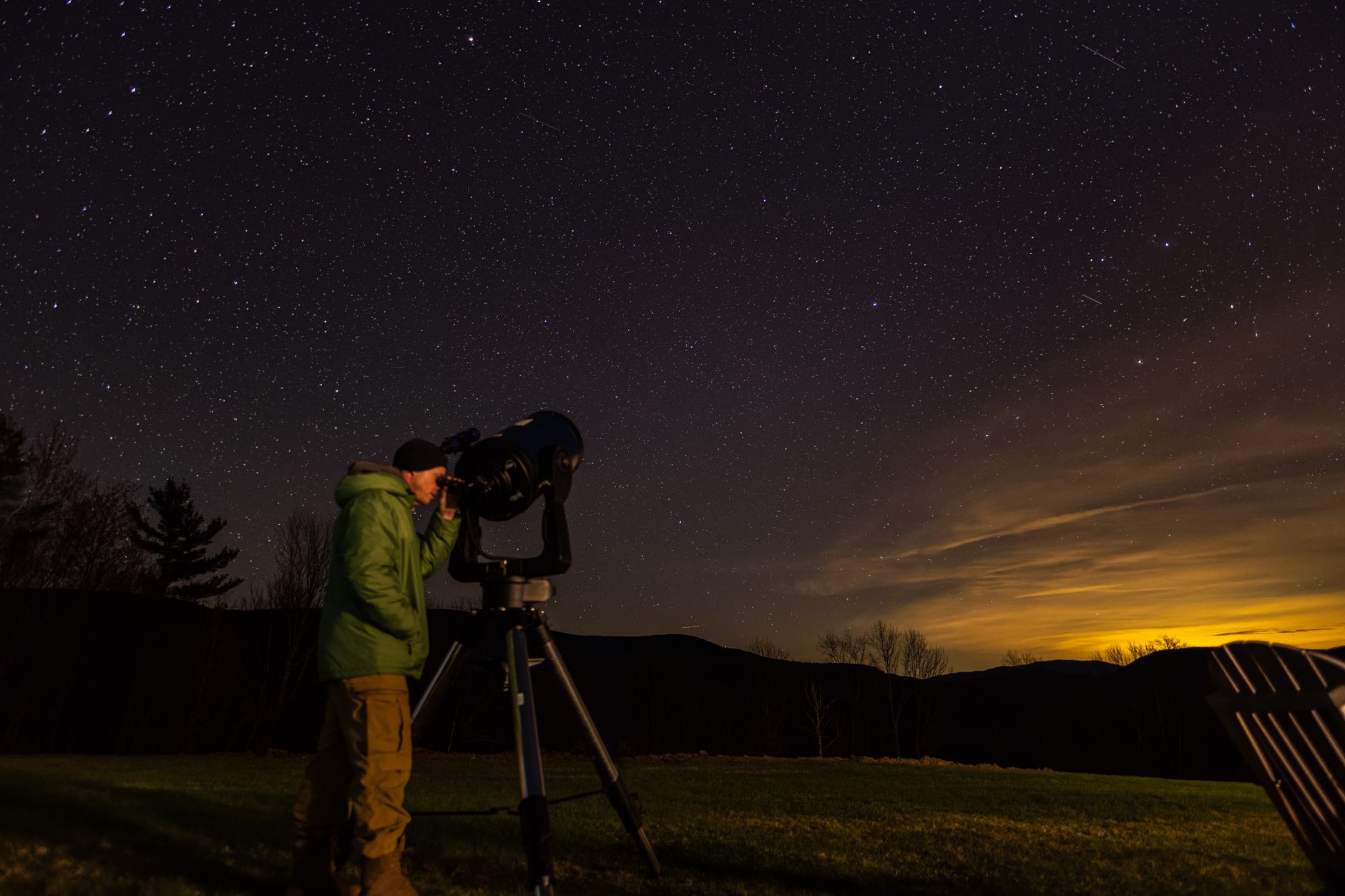
The most practical base remains San Pedro de Atacama, accessed via Calama and its domestic airport. From San Pedro, Toconao is a 35-minute drive south on Route 23. Socaire adds another 30 minutes. Neither village has reliable public transport on a fixed schedule, so renting a car in Calama or San Pedro gives the most flexibility – particularly important if you want to drive out to a dark spot at midnight and stay until 3 a.m. without depending on a taxi that may not be reachable at that hour. Many guesthouses in the villages will also point you toward trusted local guides who run small-group night excursions by request, which can include basic telescopes and enough contextual knowledge to identify constellations specific to the southern sky.
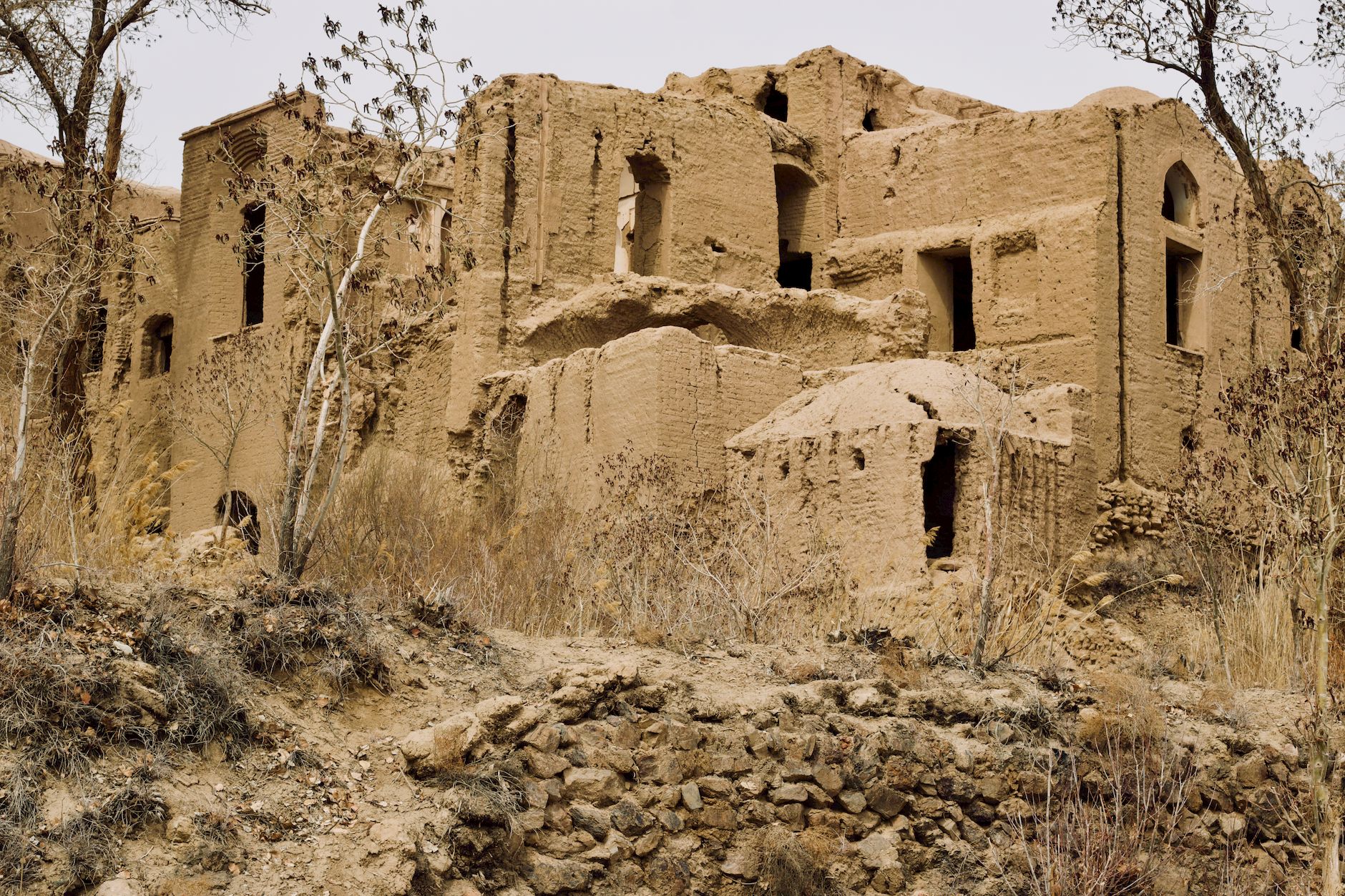
The villages are not trying to compete with San Pedro’s polish, and that is the point. A guesthouse owner in Toconao is more likely to loan you an extra blanket and point you toward the clearing behind the church than to hand you a glossy night-tour brochure. That version of stargazing – personal, unscheduled, slightly improvised – is either exactly what you want or it isn’t. The sky above Toconao on a moonless August night makes no concession either way.