
Where the Coffee Grows and the Calendar Slows
Colombia’s Eje Cafetero – the Coffee Region spanning the departments of Caldas, Risaralda, and Quindio – has spent decades existing in the background of the country’s travel conversation. Cartagena gets the colonial architecture coverage. Medellín gets the urban revival narrative. The Coffee Region, meanwhile, gets quietly on with being extraordinary. Wax palms taller than office buildings line the hillsides of Cocora Valley. Century-old fincas smell of roasting beans before dawn. Salento’s main street floods with color every afternoon and empties by nine.
Slow travel – the deliberate, unhurried approach to moving through a place – has found an almost ideal setting here. This is not a region built around a checklist of attractions. It rewards the traveler who stays three days at the same farm, who learns how fermentation affects flavor, who takes the Willy jeep not because it’s efficient but because it’s the right way to move through these mountains. The pace is not laziness. It’s attentiveness.
The Landscape Does Most of the Work
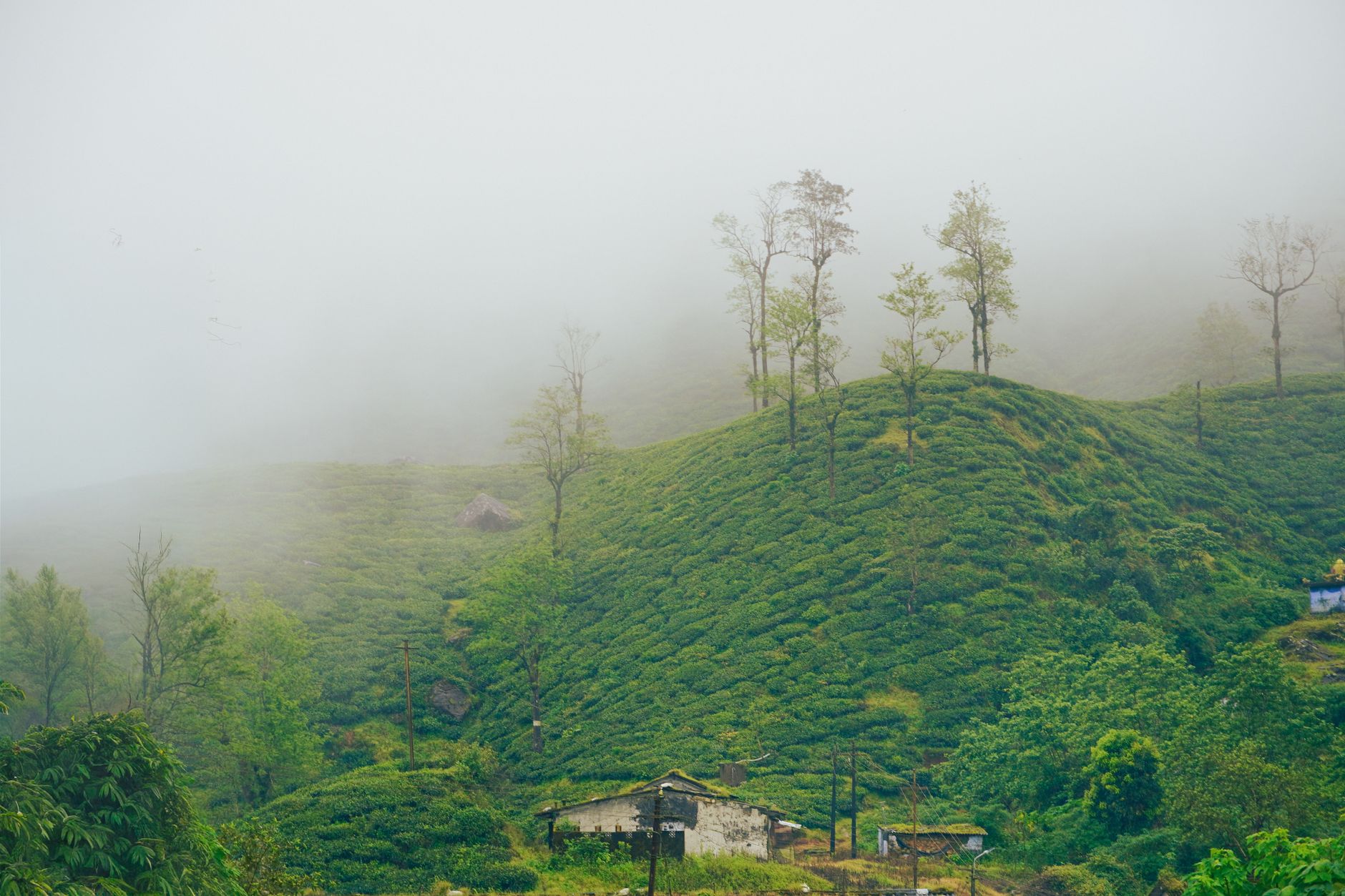
The physical geography of the Coffee Region is the first argument in its favor. The Andes split into three cordilleras across this stretch of Colombia, and the terrain that results – deeply ridged, perpetually green, draped in cloud most mornings – is the kind that makes a person want to stop walking and simply look. The Cocora Valley, outside Salento, contains the national tree of Colombia: the Quindio wax palm, which grows to heights of sixty meters and gives the valley a surreal, almost prehistoric quality. On a clear morning, the mist clears to reveal these palms rising above the cloud line, which is the sort of sight that stops conversation entirely.
Beyond Cocora, the region offers hiking trails through cloud forest, thermal springs near Santa Rosa de Cabal, and river valleys that see almost no foreign foot traffic. The Nevado del Ruiz volcano, accessible from the region, adds a layer of high-altitude drama for those willing to make the ascent. Birdwatching is serious business here – the region sits within one of the most biodiverse corridors on the planet, and birders traveling specifically for tanagers, hummingbirds, and toucans have been making the journey for years. The broader tourist market is only now catching up to what naturalists have known for decades.
Coffee Culture as a Travel Experience
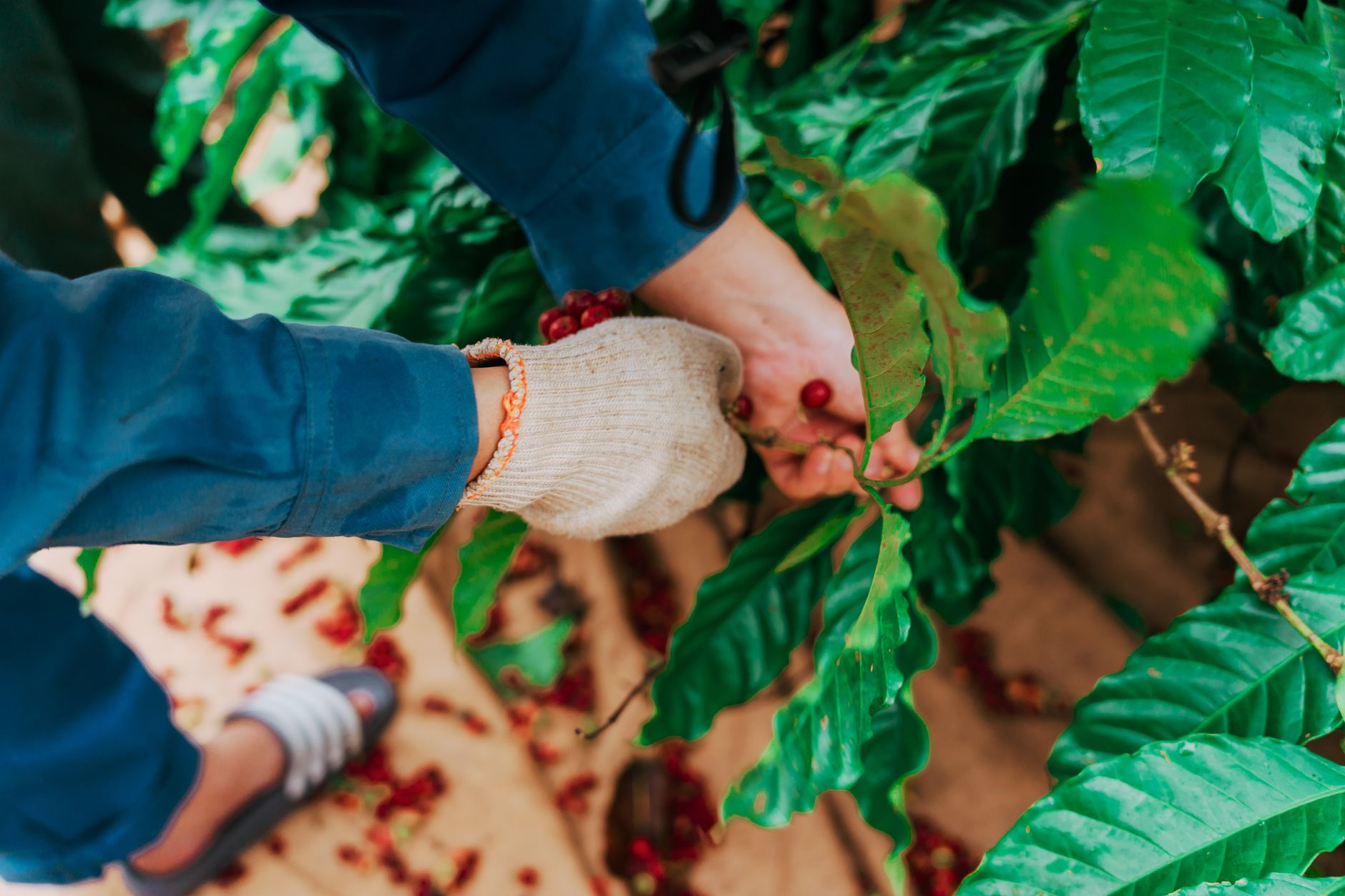
The word “coffee tour” can summon images of a thirty-minute walkthrough with a laminated pamphlet at the end. What happens on working fincas in the Eje Cafetero is different in character and depth. Travelers who stay at smaller, family-run coffee farms – rather than passing through on a day trip – get access to the full agricultural cycle: planting, picking, pulping, fermenting, drying, roasting, and cupping. These processes unfold over days, not hours, and understanding them takes time that a tour bus schedule cannot accommodate.
Colombia produces one of the few coffees in the world grown primarily by smallholders rather than large plantations. The farms that make up much of the Eje Cafetero are measured in hectares, not hundreds of hectares. That scale makes the relationship between a farm and its land visible in a way that industrial agriculture cannot replicate. A finca owner can walk you to the specific slope that produces the beans with the most acidity, explain why that slope faces north, and pour you a cup made from the last harvest while standing twenty meters from where it was picked.
The coffee itself, tasted this close to its source, is a different product from anything labeled Colombian in a foreign supermarket. Specialty coffee culture in the region has grown significantly over the past decade, with small roasters and tasting rooms appearing in Salento, Manizales, and Armenia. Some have developed single-origin offerings that fetch serious prices at specialty cafes in Europe and North America. Visiting travelers can access these roasters directly and, more importantly, have informed conversations with the people who made the sourcing decisions.
Manizales, the largest city in the Coffee Region, is underutilized as a base. Most visitors gravitate toward Salento’s charm and never make it to Manizales, which is a structural oversight. The city sits at 2,200 meters, has a functioning cable car, a strong local food scene, and a university population that gives it an energy Salento lacks. It also serves as a more practical starting point for Nevado del Ruiz day trips and connects easily to smaller towns that see almost no organized tourism at all.
Infrastructure Without Overexposure
One practical advantage the Coffee Region holds over better-known Colombian destinations is a functional mid-range hospitality infrastructure that hasn’t yet priced itself for international demand. Finca stays that include meals, coffee experiences, and trail access remain accessible at price points that would be impossible in more heavily marketed destinations. This won’t hold indefinitely – the region has started appearing on slow travel and specialty tourism radar – but for now the economics still favor the traveler.
Ground transport between the main towns is handled largely by jeeps and local buses, which keeps prices low and gives travel a tactile, non-packaged quality. The drive from Pereira to Salento, for example, takes under two hours and passes through a landscape that justifies the trip on its own terms. Domestic flights connect Pereira and Manizales to Bogota multiple times daily, making the region straightforward to access from the capital without requiring an internal routing through Medellín.
Salento Is the Entry Point, Not the Destination
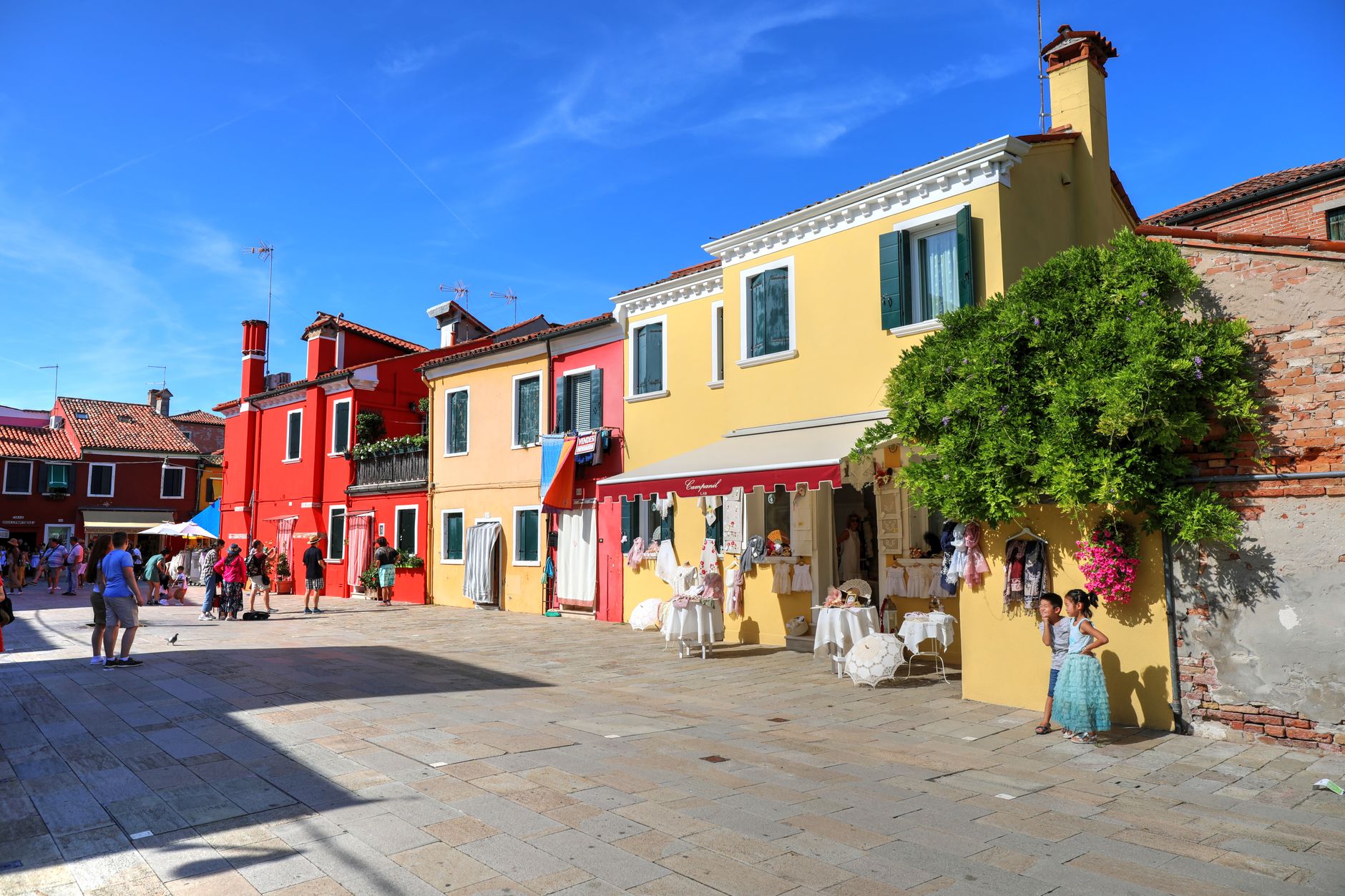
Salento has become the default answer to “where should I go in the Coffee Region,” and that reputation is earned – its preserved bahareque architecture, colorful balconies, and proximity to Cocora Valley make it a genuine draw. But travelers who begin and end in Salento are missing the point. The town functions best as an orientation, a first night that helps calibrate expectations before heading deeper into the region.
The surrounding villages – Filandia, Pijao, Genova – are quieter, more authentically lived-in, and increasingly reachable by travelers willing to arrange their own transport. Pijao, which declared itself a “Cittaslow” town (an international designation for places committed to slower, quality-of-life-focused living), has leaned into that identity with local food markets and artisan workshops that operate without performance anxiety about tourist approval. A traveler with a week in the region who never gets past Salento has, essentially, read only the first chapter.
Medellín will always be easier to explain. It has an airport, a metro system, and a decade of international press behind it. The Coffee Region requires a different kind of traveler – one who can tolerate a slower return on investment, who doesn’t need the destination to announce itself immediately. What the region offers in exchange is proportional: a landscape that has not been simplified for consumption, a cultural product – coffee – that has genuine depth when engaged with seriously, and a travel pace that makes the time spent feel longer than the calendar says it was. Whether that trade-off appeals says something about what a person actually wants from travel, which is perhaps the more useful question to sit with.
Frequently Asked Questions
What is the best base for visiting Colombia’s Coffee Region?
Salento is the most popular entry point, but Manizales offers better practical access to the wider region and sees far fewer tourists.
When is the best time to visit the Eje Cafetero?
The region’s climate is relatively stable year-round, but December through March and June through August tend to offer drier conditions and clearer mountain views.