Colombia’s Serranía de la Macarena Quietly Rivals Patagonia for Color Seekers

A River That Runs in Seven Colors
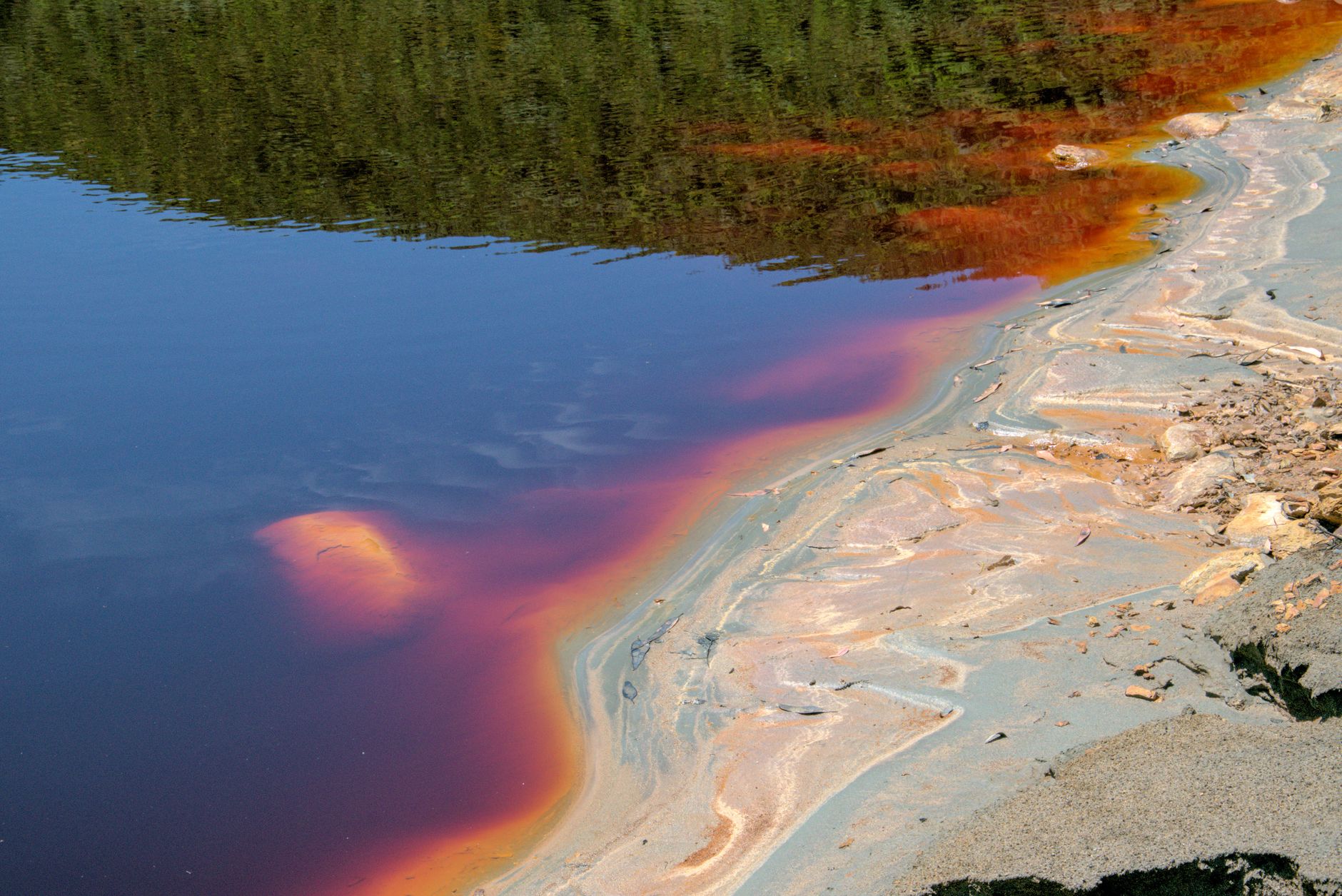
Somewhere in the Colombian interior, a river flows in shades of red, yellow, green, blue, and black – all at once, without any filter or enhancement. The Cano Cristales, nicknamed “the river of five colors” by locals, sits inside the Serranía de la Macarena national park, a protected stretch of land that straddles four of Colombia’s distinct ecological zones. What happens here has no real parallel anywhere else on earth: aquatic plants called Macarenia clavigera bloom in crimson across the riverbed when water levels hit a specific seasonal sweet spot, and the result looks less like nature and more like a landscape someone painted and forgot to sign.
Patagonia has long held the title of South America’s premier destination for travelers chasing visual extremes – the granite towers of Torres del Paine, the electric blue of Perito Moreno, the bleached stillness of the pampas. But Serranía de la Macarena offers something Patagonia does not: color that is warm, layered, and almost alive underfoot. You are not looking at it from a viewpoint. You wade through it.
The park has been quietly drawing a specific kind of traveler – not the gap-year backpacker or the luxury resort guest, but the person who plans trips around a single, specific natural phenomenon.
What Makes the Colors Happen
The science behind Cano Cristales is deceptively simple, which makes the timing of a visit everything. The Macarenia clavigera plant requires fast-moving, clear, shallow water and direct sunlight to produce its vivid red pigmentation. This window opens roughly between late June and late November, when the river transitions from dry season – when the plants don’t bloom – to wet season – when the current runs too deep and muddies the view. That narrow stretch in between is when the chromatic show occurs.
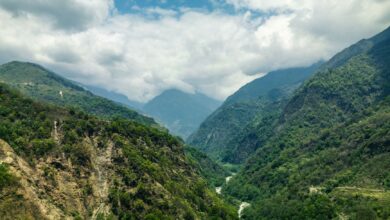
Beyond the river itself, the park’s geological age adds another dimension entirely. The Serranía de la Macarena sits on a tepui formation estimated to be among the oldest exposed rock on the continent, somewhere in the region of one billion years old. The flat-topped mesas, known locally as cerros, look less like Colombian terrain and more like something from Venezuela’s Gran Sabana. Ancient riverbeds have carved labyrinths of sandstone into smooth corridors, pools, and natural waterslides called piletones, where visitors swim in water so clear it barely looks wet.
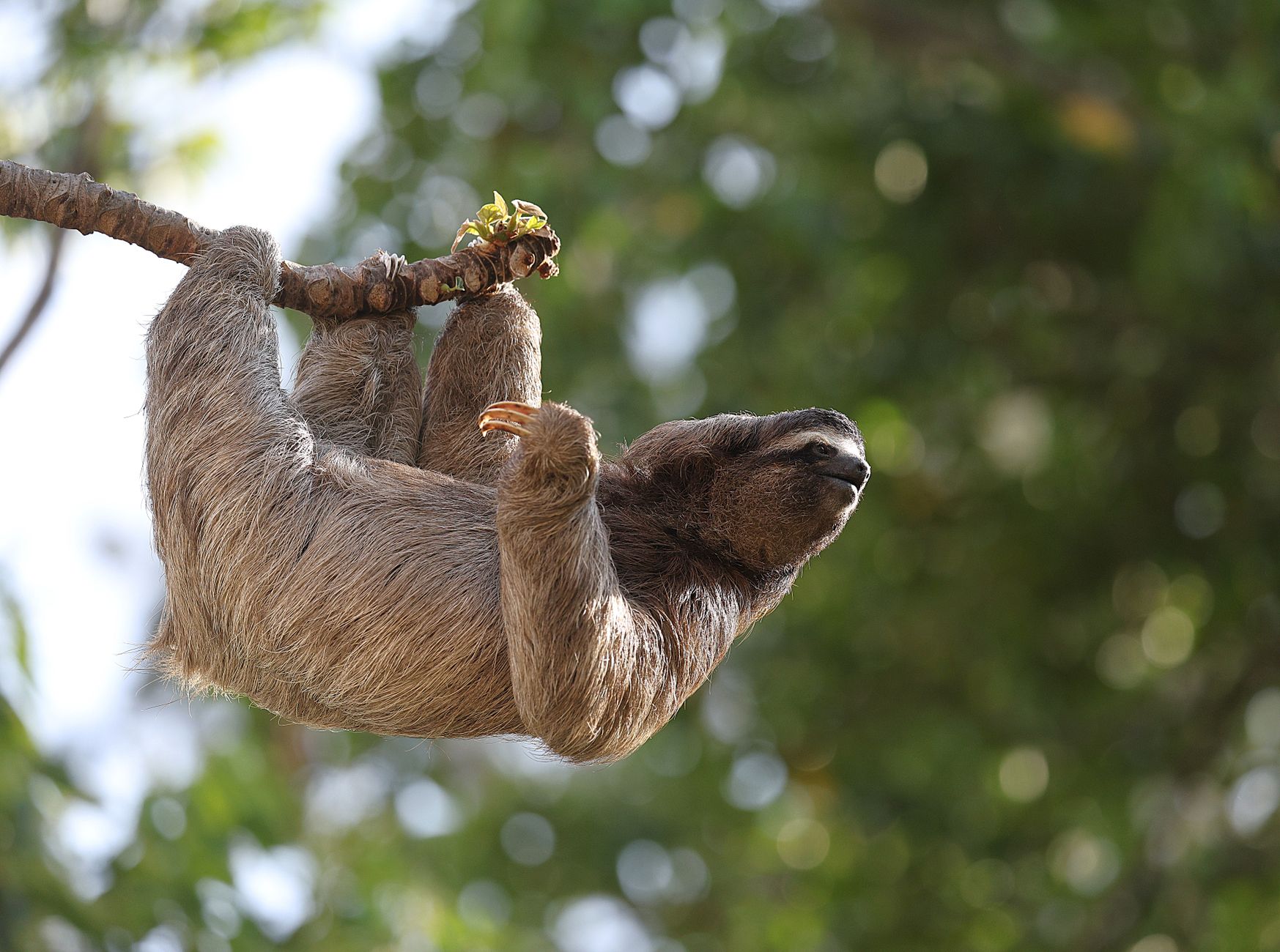
The biodiversity around all of this color is staggering in a way that rarely gets mentioned alongside the river. The park occupies a zone where the Andes, the Amazon, the Eastern Plains, and the Orinoquia all converge, meaning the wildlife checklist reads like four countries merged into one. Pink river dolphins move through the lower waterways. Tapirs cross the park’s interior trails at dusk. Scarlet macaws cut across mornings with the kind of noise that makes silence feel like a gift the moment they leave.
Getting There Without Losing the Plot
La Macarena is not easy to reach, and that difficulty is part of what keeps it honest. The gateway town, also called La Macarena, sits in the Meta department and is accessible by a short domestic flight from Bogota or Villavicencio – there is no overland tourist route that most travelers would consider reasonable. Flights are small, sometimes bumpy, and run on a schedule that bends to weather and demand rather than convenience.
Entry to the park requires a permit, and visitor numbers are capped per day. This is not a bureaucratic formality – it is enforced. Park authorities introduced the restrictions after Cano Cristales briefly became an internet sensation and foot traffic began visibly stressing the ecosystem. The permit system now means that tours must be booked through registered local operators, many of them based in the town itself, where guides double as conservation monitors. You will not walk the river alone. You will not find a shortcut.
That structure actually works in the visitor’s favor. Guides here know which pools are safe to enter and which sections are off-limits during bloom season to protect the plants. They know where the morning light hits the red water at the angle that makes it look like something burning just beneath the surface. The experience is more curated than it appears – deliberately so, and without apology.
How It Sits Against the Rest of the Region
Travelers who have spent time in Patagonia and then come to La Macarena often describe the experience in terms of scale and intimacy. Patagonia asks you to confront enormity – glaciers that dwarf buildings, winds that make forward motion feel optional, distances that require a week just to begin. La Macarena asks you to crouch down, lean in, and look at a four-centimeter aquatic plant doing something no other plant on earth does quite like this. The payoff is not panoramic. It is close-range and specific.
The comparison to color-focused destinations elsewhere in South America is worth drawing carefully. Bolivia’s Laguna Colorada runs red from algae and minerals, but it is cold, high-altitude, and severe. The Uyuni salt flat delivers white and blue in blinding quantities but little warmth. Ecuador’s cloud forests offer green in a hundred shades but no singular chromatic event. What Serranía de la Macarena delivers – a warm, accessible, multi-colored river you can actually stand in – sits in a category that has very few competitors globally.
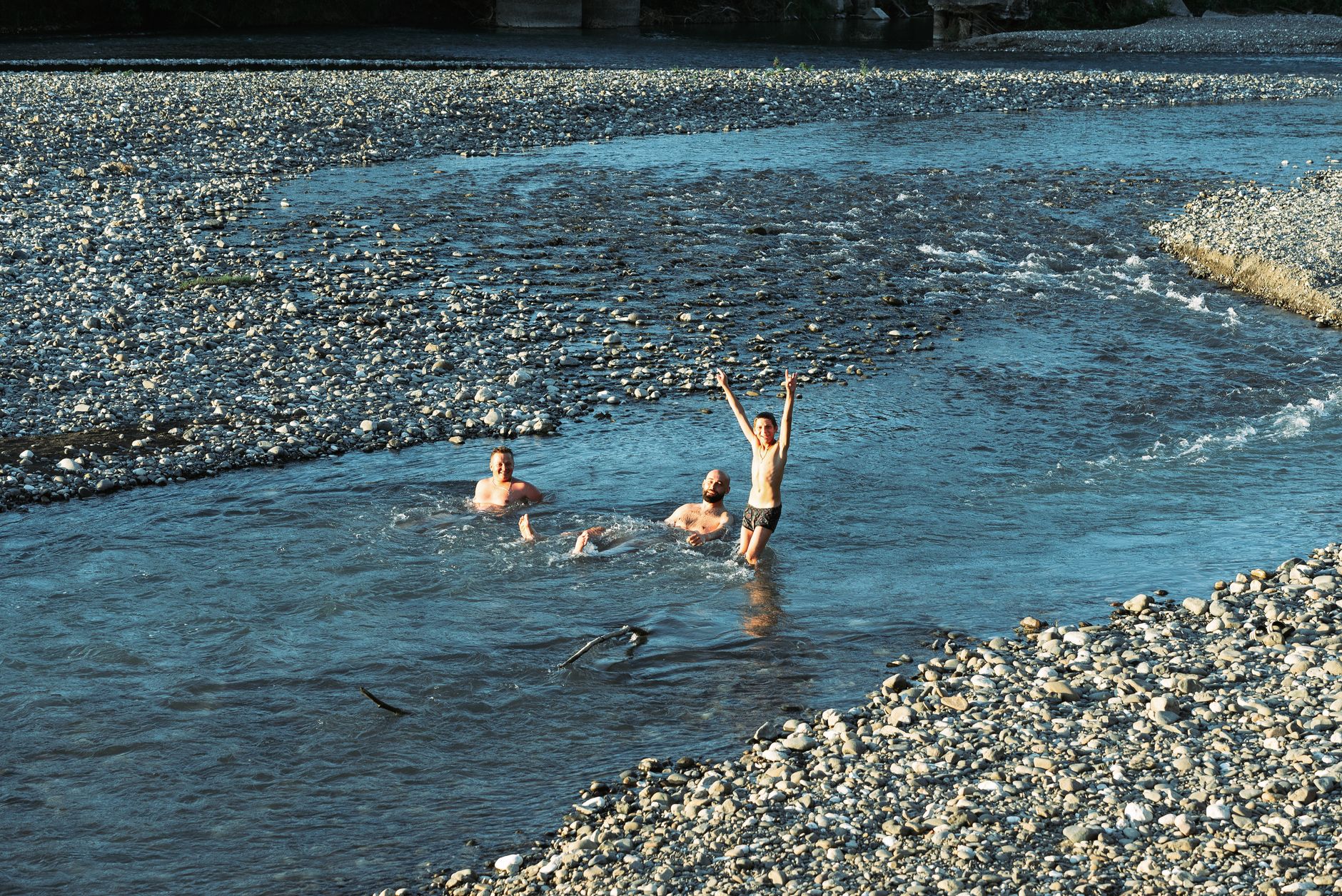
The Colombian government began promoting the region more actively after decades of keeping it off the tourist map for security reasons tied to the country’s internal conflict. Those conditions have shifted considerably, and tour operators now report that European and North American visitors arrive with specific research already done – they know the bloom window, they know the permit limits, and they book months in advance. The park’s daily visitor cap means that in peak season, spots sell out faster than flights to Torres del Paine, without the corresponding media coverage to explain why.
Frequently Asked Questions
When is the best time to visit Cano Cristales in Colombia?
The bloom window runs roughly from late June to late November, when water levels are shallow enough to expose the red Macarenia clavigera plants to sunlight.
Do you need a permit to visit Serranía de la Macarena?
Yes. Daily visitor numbers are capped and entry requires a permit booked through a registered local guide operator, usually arranged from the town of La Macarena.