
The Other Mountain Island
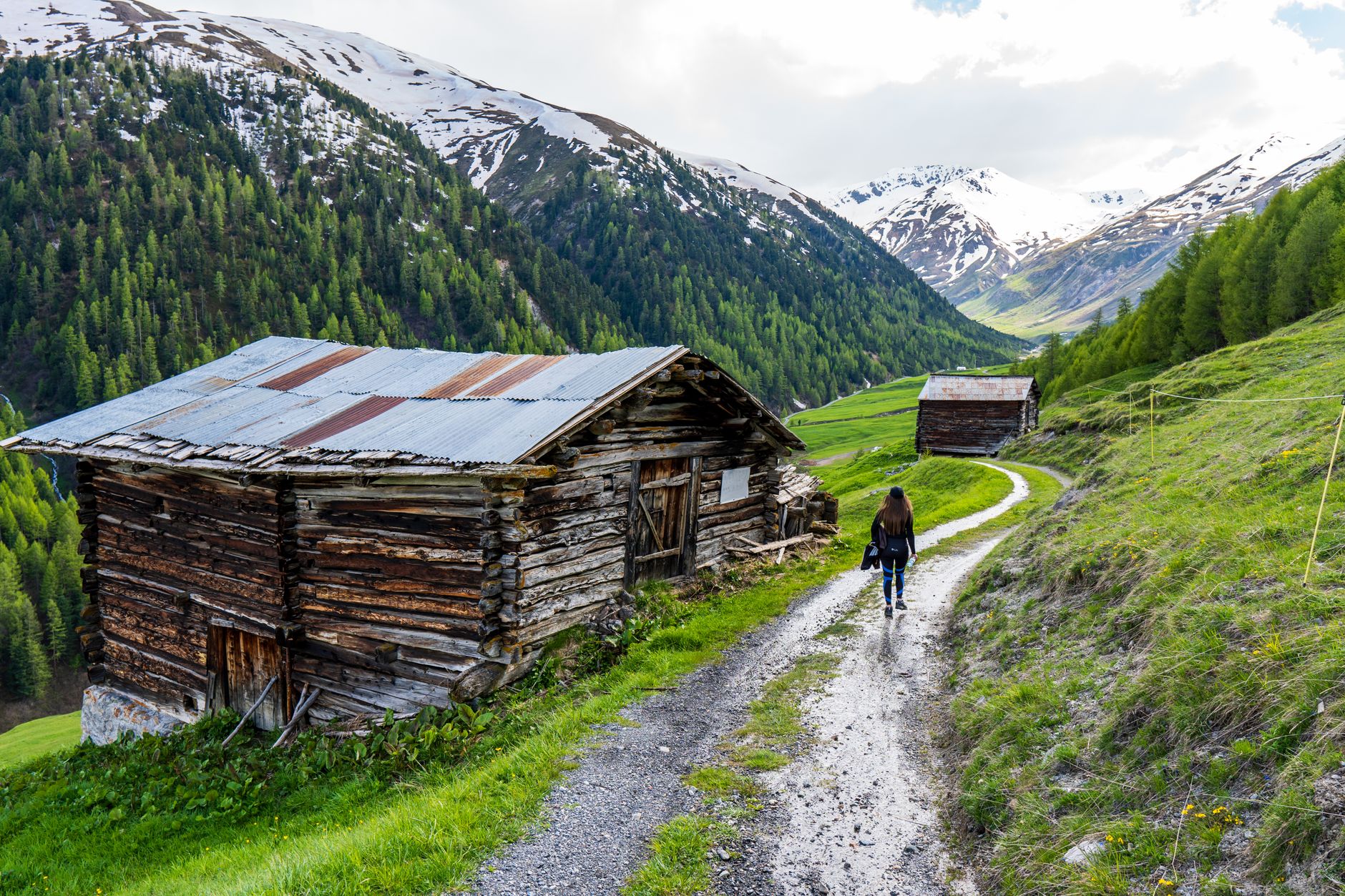
Crete gets the glory – the gorges, the guidebook spreads, the Instagram reels of hikers above the Libyan Sea. But Cyprus, sitting just a few hundred kilometers to the northeast, has been quietly building a case for itself among walkers who care more about what they find in a village square than what they can tag on social media. The Troodos Mountains, rising to just over 1,900 meters at Mount Olympus, offer a network of trails that weave through Byzantine monasteries, terraced vineyards, and stone villages where the coffee is still served in small copper pots.
The comparison to Crete is not casual. Both islands reward slow travel. Both have mountain interiors that most visitors never reach, content to stay coastal. But the Troodos circuit – loosely defined as the range and its surrounding villages in the Limassol and Paphos districts – has a particular intimacy that even the quieter corners of Crete rarely match. The villages are smaller, the trails less crowded, and the infrastructure just developed enough to be useful without being intrusive.
What the Trails Actually Look Like
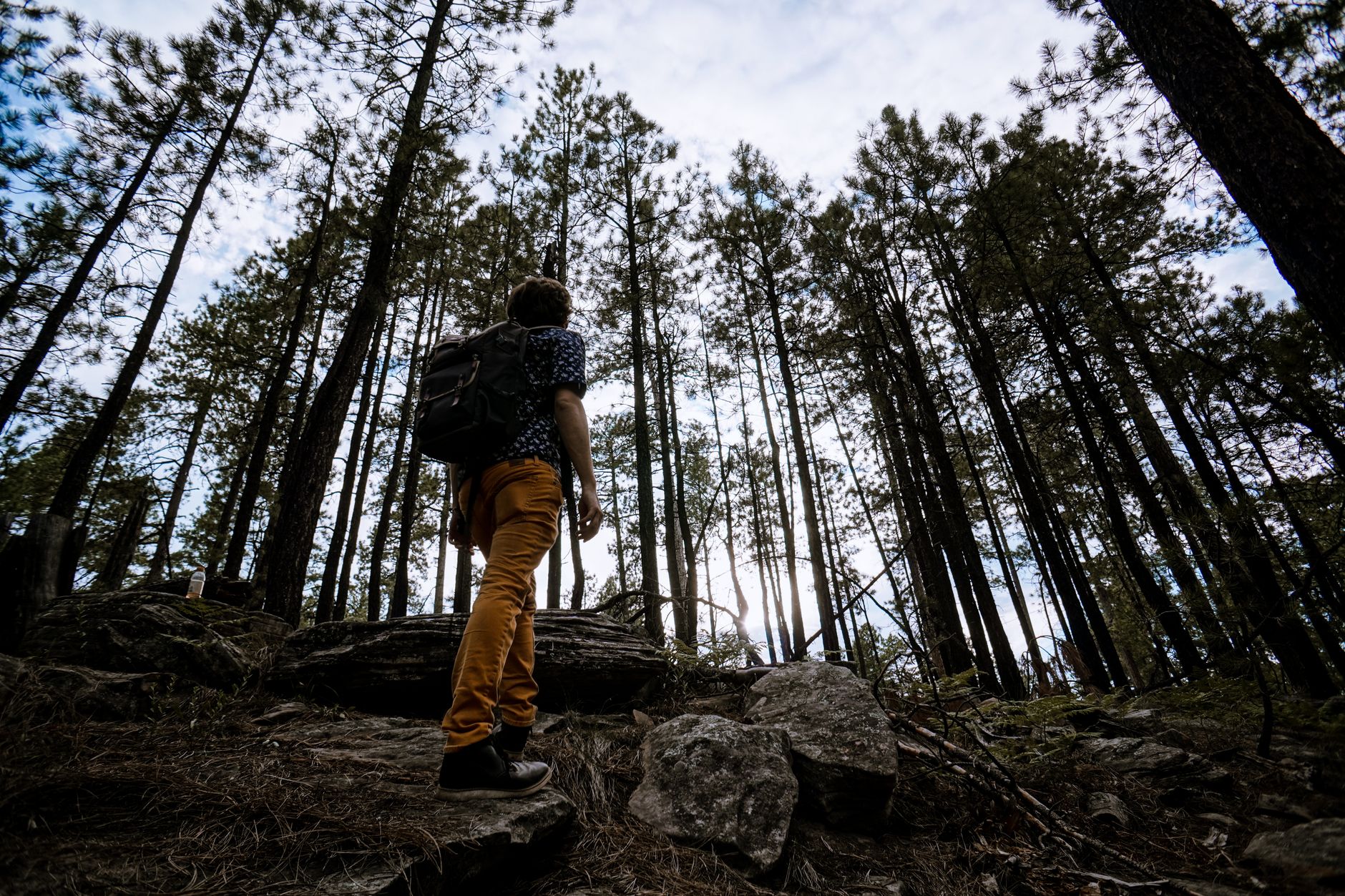
The Cyprus Tourism Organisation has mapped and waymarked a series of nature trails through the Troodos, ranging from easy loop walks around the summit to longer routes connecting villages through pine forest and cherry orchards. The Atalante Trail, circling the upper reaches of Olympus, is the most well-known – a roughly 14-kilometer loop that passes through dense black pine, with views that open unexpectedly toward the Troodos foothills and, on clear days, the coast. It is not a dramatic alpine route. The appeal is texture: the smell of resin, the sound of water running under stone, the way the light arrives through the trees in early morning.
Below the summit zone, the character of the walks changes entirely. The Caledonia Trail, dropping steeply from the Troodos resort area down to the village of Platres, runs alongside a river gorge and passes the island’s tallest waterfall. It takes roughly 90 minutes at a reasonable pace and is genuinely beautiful in a way that surprises people who arrive expecting Mediterranean dryness. The south-facing slopes of the Troodos receive enough rain to sustain real forest, not just scrub, and that detail changes everything about walking here.
The longer village-to-village routes demand more planning but offer the most. The Troodos E4 long-distance path – the Cyprus stretch of the European E4 network – passes through the range and can be walked in sections over several days, with accommodation available in a handful of villages along the way. Kakopetria, Platres, and Agros each have small guesthouses or agrotourism properties where walkers can stop overnight. These are not resort towns. They are working villages that happen to have spare rooms, which is exactly why the walking feels authentic rather than staged.
The Villages Are the Point
Omodos is the most visited of the Troodos villages, and deservedly so – its cobbled square, wine cooperative, and 13th-century monastery make it an obvious stop. But the villages that reward walkers most are the ones slightly off the circuit: Lofou, with its restored stone houses and almost complete absence of tourist infrastructure; Vouni, clinging to a ridge above the Kouris valley; and Dymes, where the vineyard paths run directly through the village rather than around it. These places are not performing for visitors. They exist independently, and that independence is readable in everything from the architecture to the pace at which people move through them.
The wine culture of the Troodos foothills is relevant here in a way it rarely is in other walking destinations. The Commandaria wine region – one of the oldest named wine appellations in the world – covers a strip of villages on the southern slopes of the range, and walking through it during harvest season means moving through active agricultural land. The grapes dried on reed mats outside old houses, the smell of fermentation in the air, the tractors moving between rows of low-trained vines: it adds a sensory layer to the walking that pure wilderness trails cannot replicate.
How It Stands Against Crete
Crete’s walking credentials are not in question. The Samaria Gorge alone draws tens of thousands of hikers each season, and the E4 route across the island from Kissamos to Kato Zakros is a serious long-distance walk with genuine drama. But that scale is also Crete’s limitation. The well-documented routes are crowded in peak season, the villages along the popular paths have adjusted their economies accordingly, and the quieter corners require real research to find. Crete rewards the experienced traveler who knows how to avoid its own popularity.
The Troodos requires less defensive planning. Even in summer, the altitude keeps temperatures manageable – the summit zone sits reliably 10 to 15 degrees cooler than the coast – and the trails rarely fill. A walker can arrive in Kakopetria on a Saturday in August, start the Caledonia Trail before 8am, and encounter almost no one for the first two hours. That experience is increasingly difficult to guarantee anywhere in Crete without going significantly off-map.
The counterargument is fair: Crete has more of everything. More trails, more villages, more variation in landscape, more accommodation options at every price point, more history at the surface. The Minoan palaces, the Venetian harbors, the sheer geographic variety of an island that spans high mountains, deep gorges, and isolated peninsulas – Cyprus cannot compete on breadth. What it offers instead is concentration. The Troodos package is compact enough to understand in a week, varied enough to hold attention across that week, and quiet enough that the walking feels like discovery rather than tourism.
The practical gap between the two destinations is narrowing. Direct flights to Larnaca and Paphos from most European cities are frequent, rental cars are affordable, and the agrotourism sector in the Troodos has been expanding steadily as walkers who might once have defaulted to Crete start looking for alternatives. The question for anyone already planning a Mediterranean walking trip is not whether the Troodos is worth it – it clearly is – but whether they are willing to trade Crete’s drama for something more understated. Some walkers will always choose the gorge. But the village with the copper coffee pot and no queue at the door has its own argument to make.