
Wadi Rum gets the film crews, the glossy magazine spreads, and the bucket-list crowds. Egypt’s White Desert, sitting about 500 kilometers southwest of Cairo in the Farafra Depression, gets the chalky silence and the sculptural rock formations that look like they belong on another planet entirely.
A Landscape That Earns Its Name
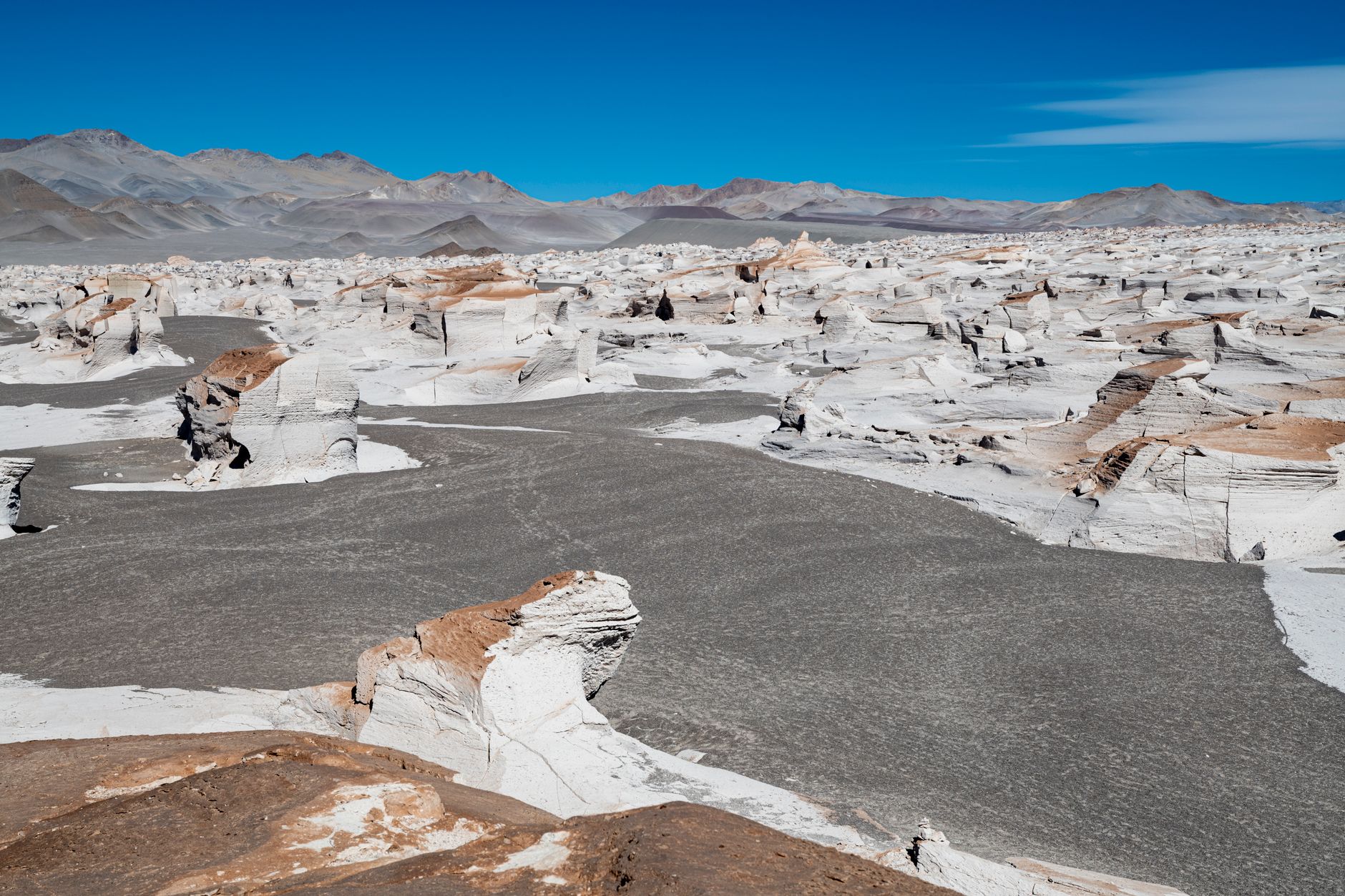
The White Desert – known locally as Sahara el Beyda – owes its otherworldly appearance to millions of years of wind erosion working on soft chalk deposits left behind by an ancient sea. The result is a flat expanse of cream-colored sand punctuated by enormous white formations: mushroom-shaped pillars, rounded domes, narrow spires that glow amber at sunset and turn a cold blue-white under a full moon. No digital filter required, no creative license needed.
What separates the White Desert from Wadi Rum is not quality – it is character. Wadi Rum offers towering sandstone cliffs in deep reds and purples, a landscape that signals grandeur and drama. The White Desert offers something more disorienting: an open plateau where the formations appear randomly scattered, like chess pieces abandoned mid-game across an endless board. Campers who have done both consistently describe the White Desert as more surreal, more intimate, and harder to contextualize in photographs.
The protected area covers roughly 3,010 square kilometers and was designated a national park in 2002. Within that boundary, two distinct zones reward different types of travelers. The Black Desert lies closer to the road and gets more day-trippers – its dark volcanic hills peppered with iron-rich stones create a contrast so sharp it feels theatrical. Drive deeper south and the chalk formations begin, growing denser and more elaborate until the landscape becomes genuinely disorienting after dark.
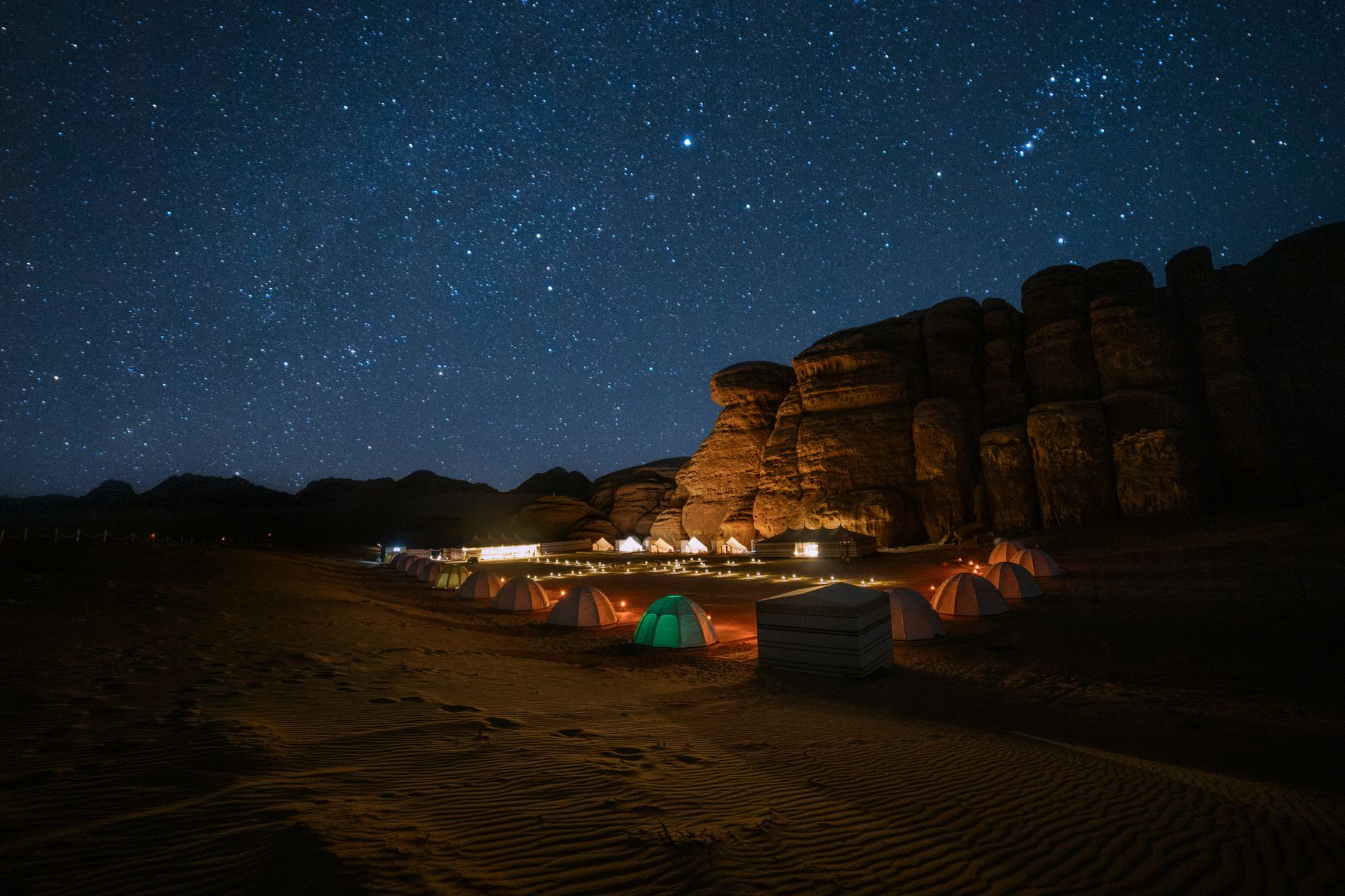
Visibility at night here is extraordinary. The Farafra Depression sits far from any major urban light pollution, and on clear nights the Milky Way appears close enough to feel architectural rather than astronomical. For travelers who have made the journey to Chile’s Atacama villages for stargazing, the White Desert operates at a comparable level of sky darkness with far fewer competitors for camping spots.
The Logistics That Keep the Crowds Away
Getting to the White Desert requires real commitment, and that commitment is largely why it remains undercrowded. The drive from Cairo takes between five and six hours, passing through the sprawling oasis town of Bahariya before continuing southwest on a well-maintained but largely featureless desert highway. There are no budget airlines, no quick weekend charter options. You either rent a 4WD from Cairo and navigate independently, or book a tour operator out of Bahariya who provides a guide, camping equipment, and a Bedouin cook. Most serious campers take the latter route for their first visit.
Bahariya itself deserves more attention than it typically gets. The oasis has a handful of guesthouses ranging from spartan to genuinely comfortable, and a small market where you can stock up on provisions. Tour operators running White Desert overnight trips are concentrated here, and the quality varies significantly – the better ones include a proper camp setup with foam mattresses, blankets for the cold desert nights, and a cook who handles dinner and breakfast over an open fire. The cost is a fraction of comparable overnight experiences in Wadi Rum.
Cold nights are not a selling point that appears in most promotional materials, but they should be. Even in spring and autumn, temperatures in the White Desert drop sharply after sunset. In winter months, temperatures can fall close to freezing. This is not a soft glamping situation unless you book specifically for it – standard overnight tours are ground-based, open-air, and entirely dependent on your sleeping bag quality. That physical reality keeps the experience honest and filters out travelers looking for luxury desert aesthetics without the desert conditions.
The landscape also shifts based on season in ways worth planning around. Spring – particularly March and April – brings the best combination of mild daytime temperatures and clear skies. Summer heat between June and August is genuinely extreme and pushes daytime temperatures well above 40 degrees Celsius, making camping unpleasant for most visitors. Autumn repeats the spring conditions reasonably well. Winter visits are popular with experienced desert campers specifically because the cold nights thin the crowds further and the low-angle winter light does something extraordinary to the chalk formations in the hour before sunset.
One practical consideration that catches first-timers off guard: the White Desert sits within a protected national park, and wild camping without a registered guide is not permitted. Enforcement is inconsistent in remote areas, but operating outside the system means no support if conditions change and no Bedouin knowledge of the safest camping spots within the formations. The permit system exists partly for environmental protection – the chalk formations are more fragile than they appear, and vehicle tracks from years of unguided tourism have left visible scars in certain sections of the park.
Why the Comparison to Wadi Rum Actually Holds
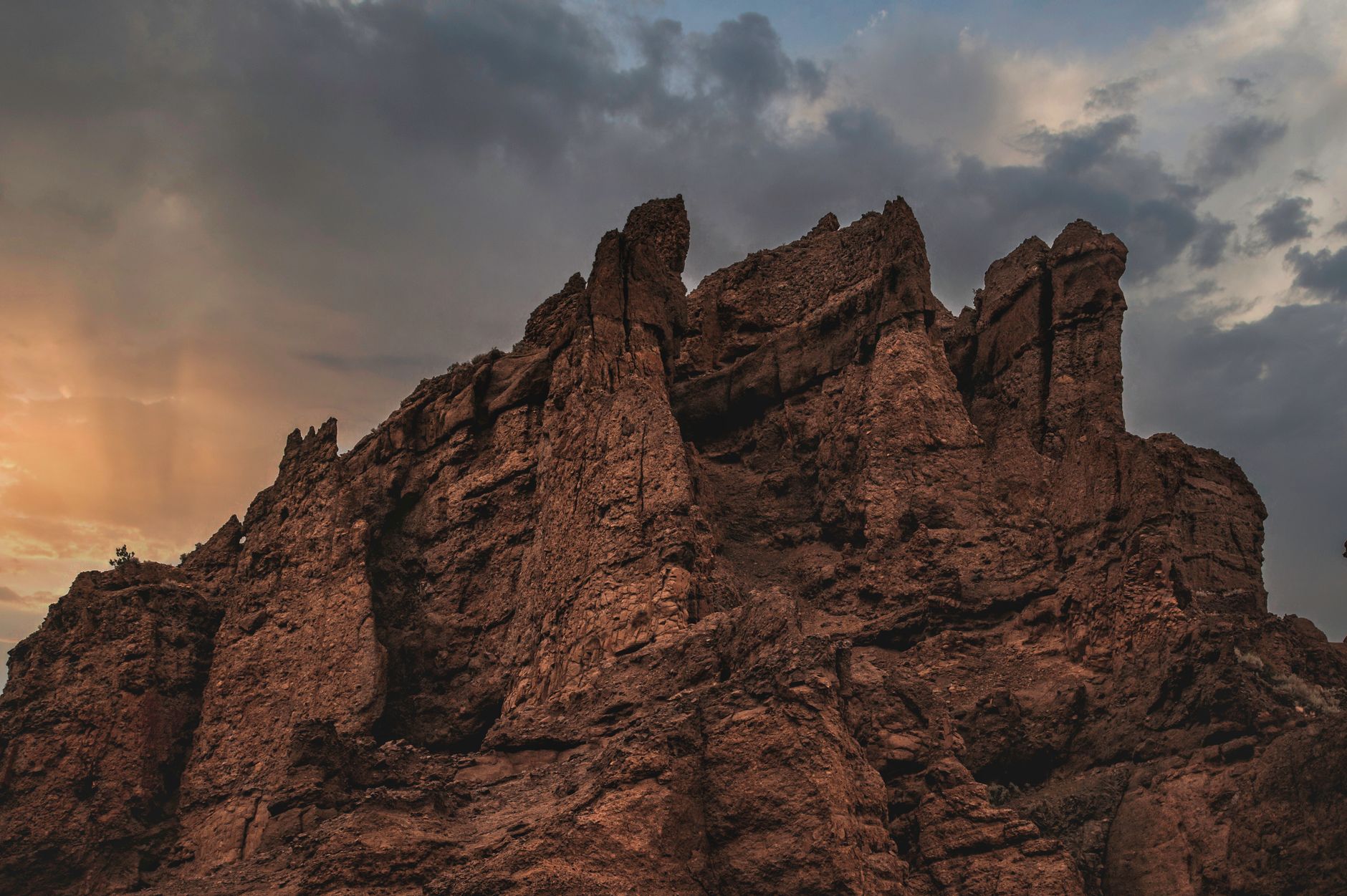
Wadi Rum’s reputation was built over decades, accelerated significantly by its role as a film location and by Jordan’s efficient tourism infrastructure. The White Desert has no equivalent marketing machine, no Hollywood association, and sits within a country where travelers sometimes hesitate due to perception rather than reality. That hesitation creates the gap – and the gap is the whole point for travelers who want a desert camping experience without the organized spectacle that Wadi Rum’s popularity now brings. At peak season, certain camps in Wadi Rum operate more like outdoor hotels than wilderness experiences. No one is booking a White Desert overnight trip by accident.
The honest caveat is that the White Desert lacks Wadi Rum’s supporting ecosystem. Jordan has built a smooth tourism corridor around its desert – reliable guides, tiered accommodation options, organized jeep tours, and straightforward access from Aqaba and Amman. Egypt’s infrastructure around Farafra remains thinner, with fewer guesthouses, less standardized guide quality, and a longer drive from the nearest international airport. For travelers who need everything handled cleanly, Wadi Rum wins on execution. For those willing to do a bit more research and accept a rougher entry, the White Desert offers something Wadi Rum stopped being years ago: genuinely quiet.