
The Ethiopian Highlands Hold a Secret Most Trekkers Walk Right Past
Ask any wildlife trekker about Ethiopia and the Simien Mountains come up almost immediately – the dramatic escarpments, the gelada baboons, the UNESCO World Heritage status. The Simiens have earned their reputation, and they wear it loudly. But roughly 400 kilometers to the southeast, the Bale Mountains sit at higher elevation, shelter more endemic species, and offer something the Simiens genuinely cannot match: the densest population of Ethiopian wolves on the planet. The wolves are the rarest canid in the world, and Bale is where you actually see them.
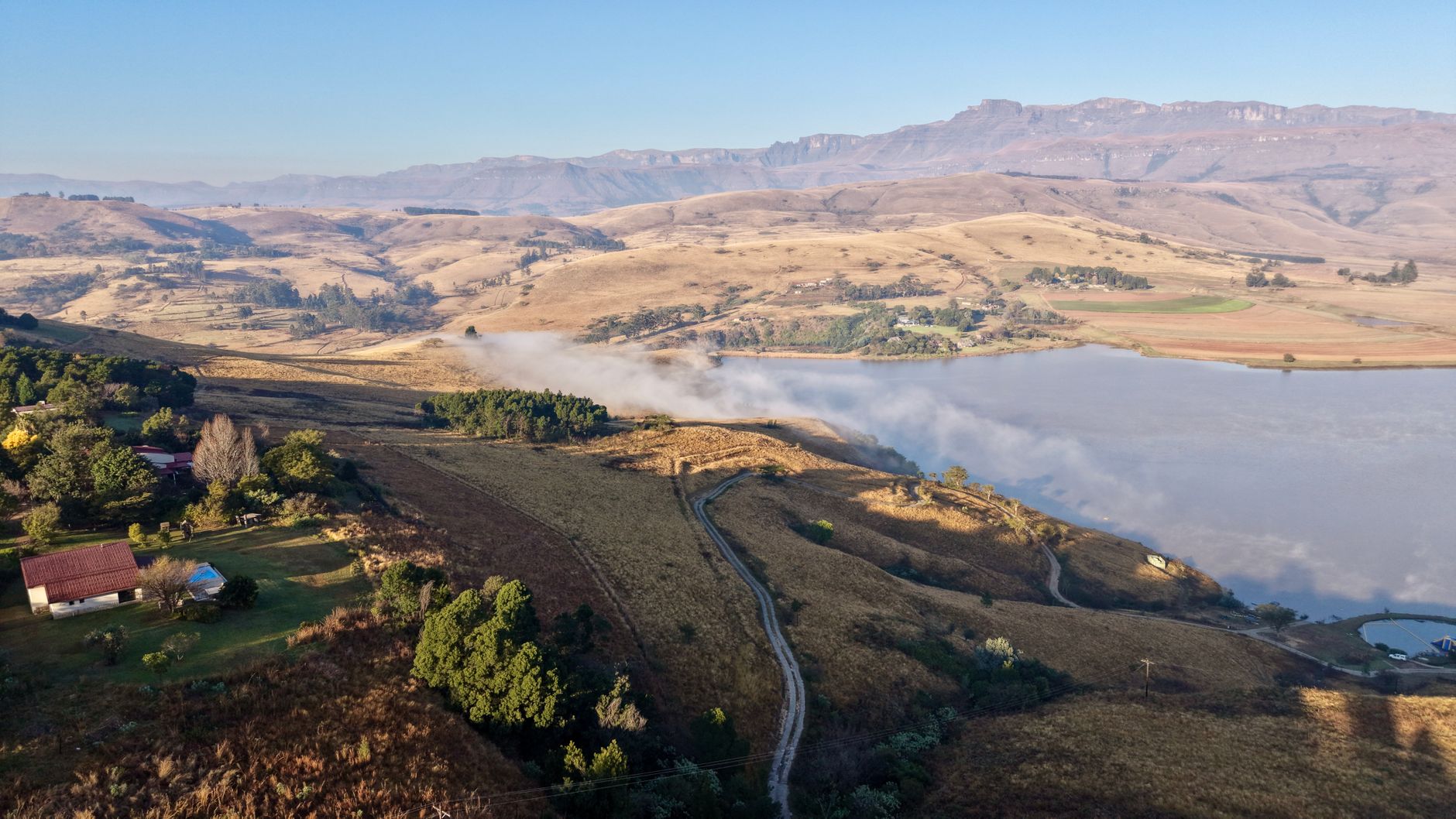
The Bale Mountains National Park covers a vast sweep of Afroalpine plateau, juniper forest, and highland moorland that feels genuinely remote in a way that even serious wilderness destinations rarely deliver. Visitor numbers remain low enough that solo mornings on the Sanetti Plateau – the roof of the park, sitting above 4,000 meters – can pass without another human being in sight. That kind of solitude, with wolves hunting giant mole rats in the open grass fifty meters away, is the experience Bale quietly offers to anyone willing to make the effort to get there.
Why the Ethiopian Wolf Makes Bale Worth the Journey
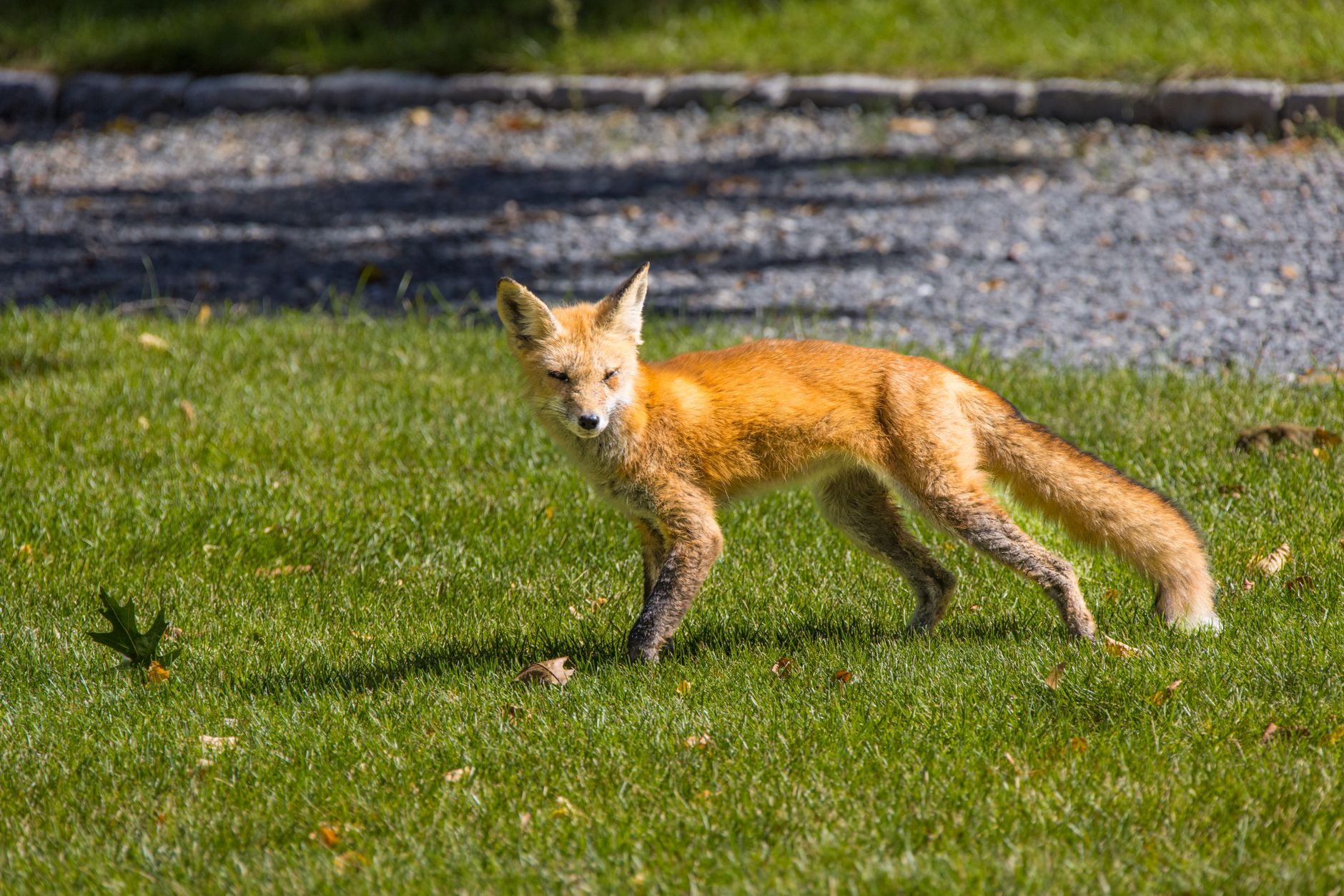
The Ethiopian wolf is not a creature most people can plan a trip around casually. Fewer than 500 individuals survive in the wild, scattered across a handful of highland fragments across the country. Of those, roughly half live in the Bale Mountains ecosystem. No other site on Earth offers comparable odds of encounter. On the Sanetti Plateau, a well-timed morning walk almost routinely produces sightings – wolves moving through the short Afroalpine grass in their russet coats, stopping to pounce on rodents with a precision that looks more like a fox hunting than anything wolf-like.
The wolves are diurnal hunters, which makes observation dramatically easier than most predator encounters. They work the plateau in the early morning and late afternoon, following scent trails and patiently working the burrow systems of the giant mole rat – the species that makes up the majority of their diet. Because the plateau is open, treeless, and flat enough to scan wide distances, guides can locate packs with reasonable confidence. That predictability is a quiet luxury in wildlife watching, where so many encounters depend entirely on luck.
Comparing the Experience to the Simiens
The Simien Mountains deliver something Bale does not – that raw, cathedral-edge drama of vertical escarpments dropping into the lowlands, the kind of scenery that photographs like a painting. Gelada baboons move through the Simiens in herds numbering in the hundreds, and the sheer density of primate activity gives the trekking a constant, almost theatrical energy. For travelers whose priority is landscape spectacle and mammal diversity in a well-developed trekking circuit, the Simiens remain the stronger choice.
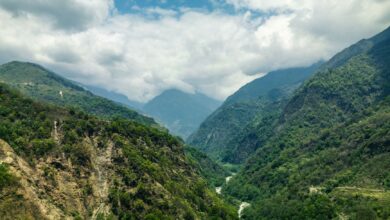
Bale operates at a different register. The Sanetti Plateau has a strange, stripped-down beauty – the high moorland stretches are covered in giant lobelias and everlasting flowers, the sky sits close overhead, and the cold is persistent even in the dry season. It does not try to impress the way the Simiens do. The emotional impact builds slowly, through encounters rather than vistas.
The Harenna Forest on the park’s southern slope adds a second ecosystem entirely, dropping from the plateau into dense, mist-draped canopy that shelters lions, wild dogs, and bale monkeys. Few parks on the continent shift this dramatically between altitude zones within a single trekking route. Walking from the Sanetti Plateau into the Harenna in a single day produces a physical and visual shift that is hard to find elsewhere in African wildlife travel. For travelers who have already done Rwanda’s Nyungwe Forest and are looking for the next less-traveled forest trekking experience on the continent, the Harenna deserves serious consideration.
The practical gap between the two parks is also real. The Simiens have a more established trekking infrastructure, with better-marked trails, more lodge options, and guides who are accustomed to managing large groups efficiently. Bale requires more logistical patience – transport connections are slower, accommodation options outside the main town of Goba are limited, and the park itself needs more careful planning around weather windows. The tradeoff is almost entirely in the visitor’s favor once the logistics are sorted: fewer crowds, a more intact ecosystem, and a wildlife encounter that no other site can replicate.
Planning the Trek: What to Know Before You Go
The dry season runs roughly from October through February, with a shorter dry window from June through August. The long rains, which fall from March through May, can make the high plateau trails very difficult and cloud cover can shut down wildlife visibility for days at a stretch. The Sanetti Plateau sits at over 4,000 meters and temperatures drop sharply after dark throughout the year, so warm layers are non-negotiable regardless of when you visit.
Entry to the park and guide fees are managed through the park headquarters near Dinsho. Licensed guides with wolf tracking experience are available and worth booking in advance through the park or through a Addis Ababa-based operator who works regularly with Bale. The park road that crosses the Sanetti Plateau allows vehicle access to the upper moorland, which matters for acclimatization – arriving from Addis directly and walking at altitude the same day is a recipe for altitude sickness given the elevation gain.
The Honest Case for Choosing Bale
The argument for Bale over the Simiens is not that one park is objectively better. It is that most wolf trekkers choose the Simiens by default, on reputation alone, without knowing that their primary target – a real encounter with Ethiopian wolves – is far more reliably delivered 400 kilometers south. The Simiens have wolves too, but the population is smaller and sightings are less consistent. If the wolves are the point of the trip, the math is simple.
Infrastructure improvements in the Bale region have been gradual but real, with a growing number of community-based lodges offering basic but functional accommodation closer to the park than was possible a decade ago. The road from Addis to Goba has improved enough that self-drive trips are increasingly practical for experienced travelers comfortable navigating Ethiopian highland roads.
What Bale lacks is the marketing machine. The Simiens have had decades of organized tourism feeding their profile, and that visibility compounds. Bale gets overlooked partly because the people who have been there tend to describe it in terms that sound almost private – a place they are not entirely sure they want to share. That reluctance to advertise it is, arguably, the most honest review the park has.