Ethiopia’s Danakil Depression Quietly Rivals Iceland for Volcanic Travelers

Where the Earth Turns Inside Out
The Danakil Depression sits at the intersection of three tectonic plates in northeastern Ethiopia, and the geology there does not behave like geology anywhere else on the surface of this planet. Temperatures regularly exceed 50 degrees Celsius. The ground glows. Sulfuric pools bubble in acid-bright yellows and greens. The landscape looks less like a travel destination and more like a warning. And yet, a growing number of volcanic travelers are arriving here specifically because of that.
Iceland has held the volcanic tourism market for years, largely because of accessibility – direct flights, English-speaking guides, geothermal spas that ease nervous first-timers into the experience. But the Danakil Depression offers something Iceland cannot: raw, unmediated geological spectacle with almost no commercial infrastructure softening the edges. The difference between the two is the difference between watching a thunderstorm through glass and standing in the rain.
What the Danakil Actually Looks Like
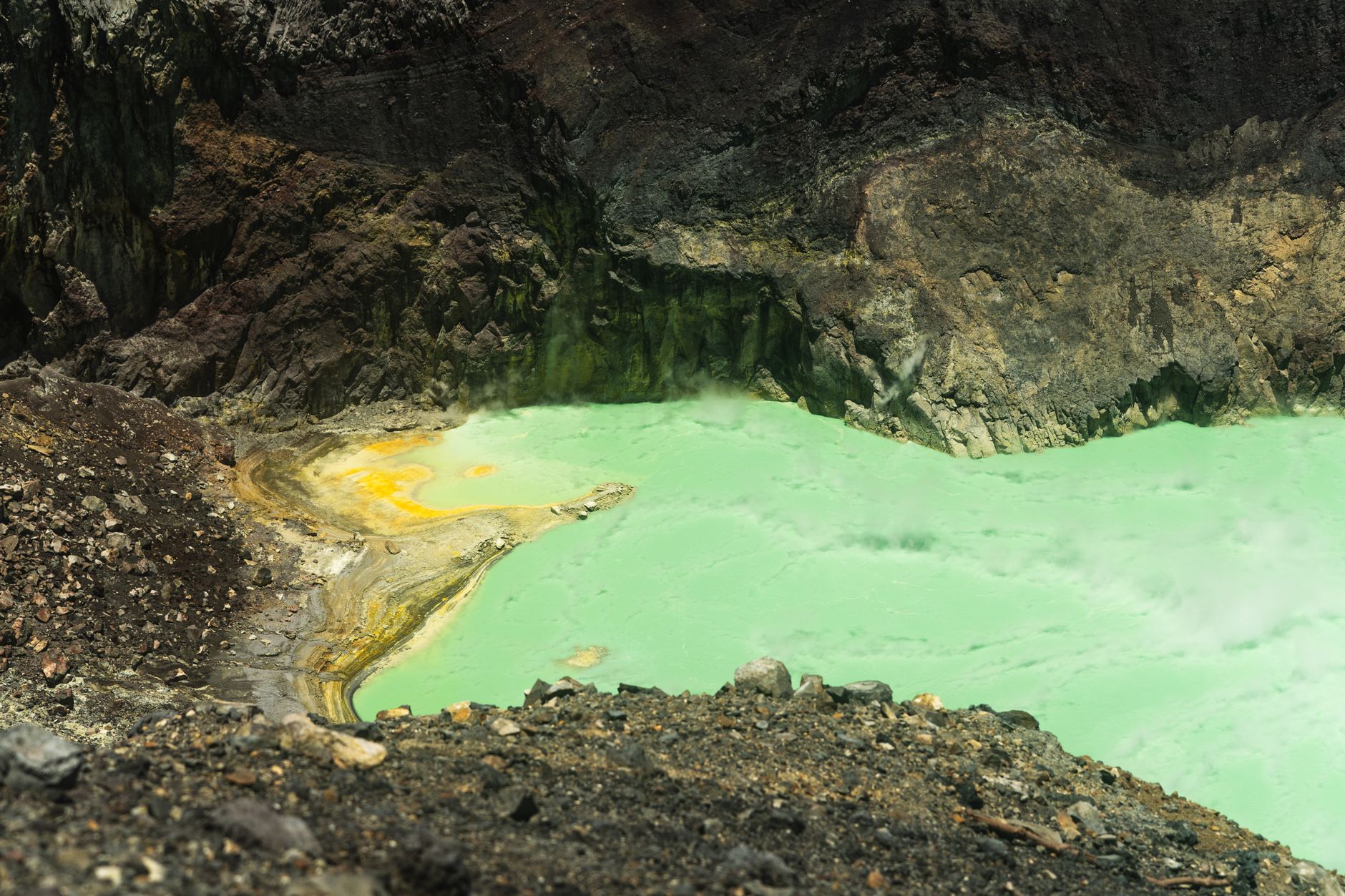
The most visited site within the depression is the Dallol hydrothermal field, a maze of salt formations, acidic hot springs, and mineral chimneys that change color depending on the iron, sulfur, and potassium content of each pool. The palette runs from deep rust to electric chartreuse to a pale, almost white yellow. Photographs rarely capture it accurately because the colors look oversaturated even in person. It is one of the hottest inhabited places on Earth – not seasonally, but year-round – and the closest human settlement, the town of Dallol itself, was essentially abandoned by the 1970s after its salt-mining operations closed.
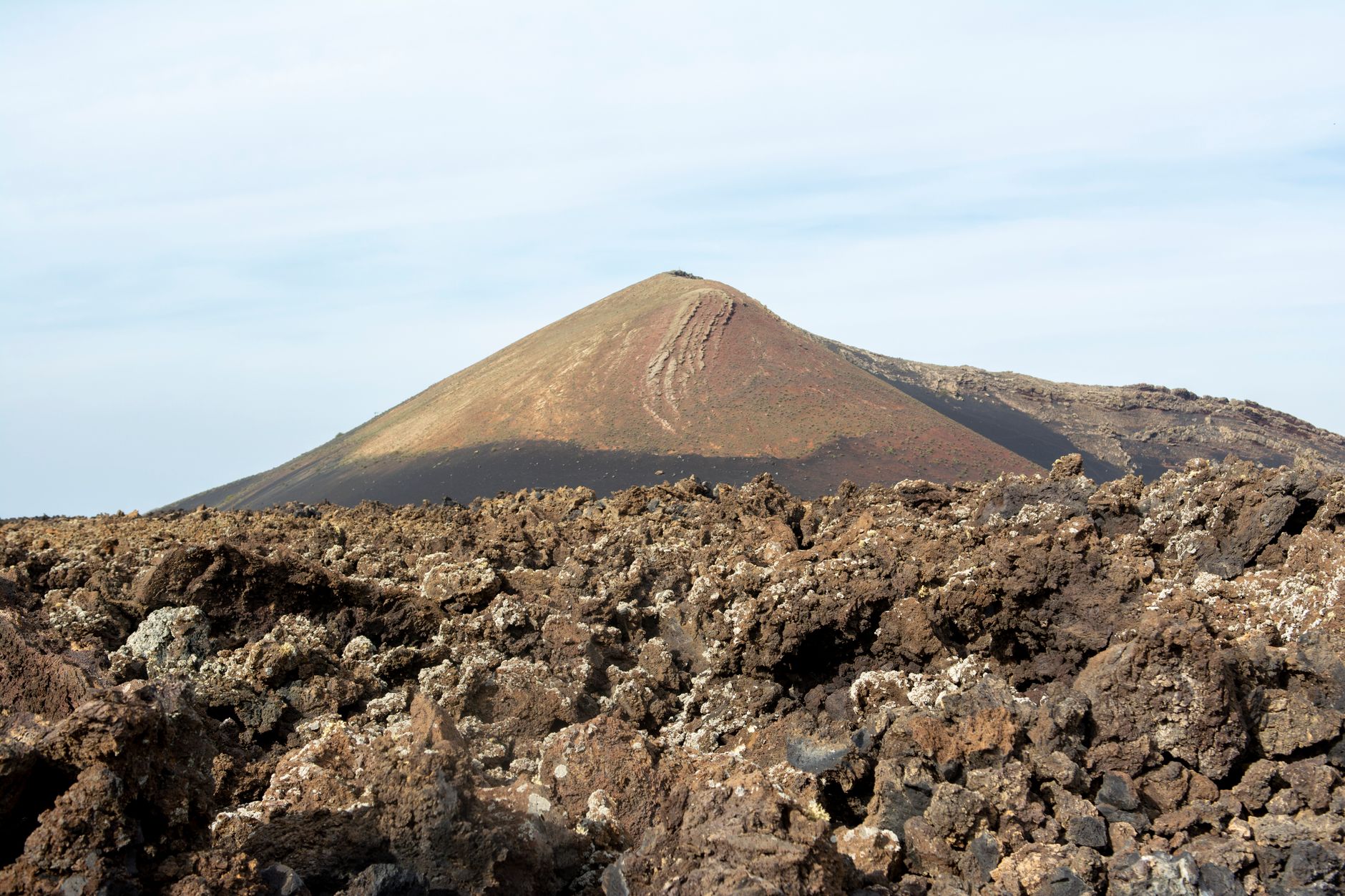
Beyond Dallol, the depression contains Erta Ale, an active shield volcano with a persistent lava lake – one of only a few on Earth – that has been continuously active for decades. Standing at the crater rim at night, the light from the lava lake throws orange against the smoke rising around it. The trek to Erta Ale takes several hours across hardened lava fields, usually done overnight to avoid the worst heat, and guides from the Afar region lead every group. This is not a marked trail with safety railings. The approach feels earned in a way that few volcanic experiences in better-marketed destinations manage.
The Iceland Comparison, Unpacked
Iceland’s volcanic landscape is extraordinary. The Reykjanes Peninsula, Vatnajokull, Landmannalaugar – each offers something visually distinct and geologically significant. But Iceland’s volcanic tourism operates within a highly developed framework: rental cars, paved roads to within walking distance of most major sites, hotels in nearly every town, and a well-organized emergency response system. That infrastructure is valuable, especially for travelers without expedition experience. It is also the reason Iceland feels approachable to millions of people who would never consider Ethiopia.
The Danakil Depression requires a different kind of planning. Independent travel is not possible – all visitors must join an organized tour group with Afar guides, and most itineraries originate from the city of Mekelle in the Tigray region. The logistical gatekeeping is partly practical (the terrain is genuinely dangerous without local knowledge) and partly political, since the Afar region has its own complex relationship with the central government and with foreign visitors. These are not obstacles that brochure language can smooth over.
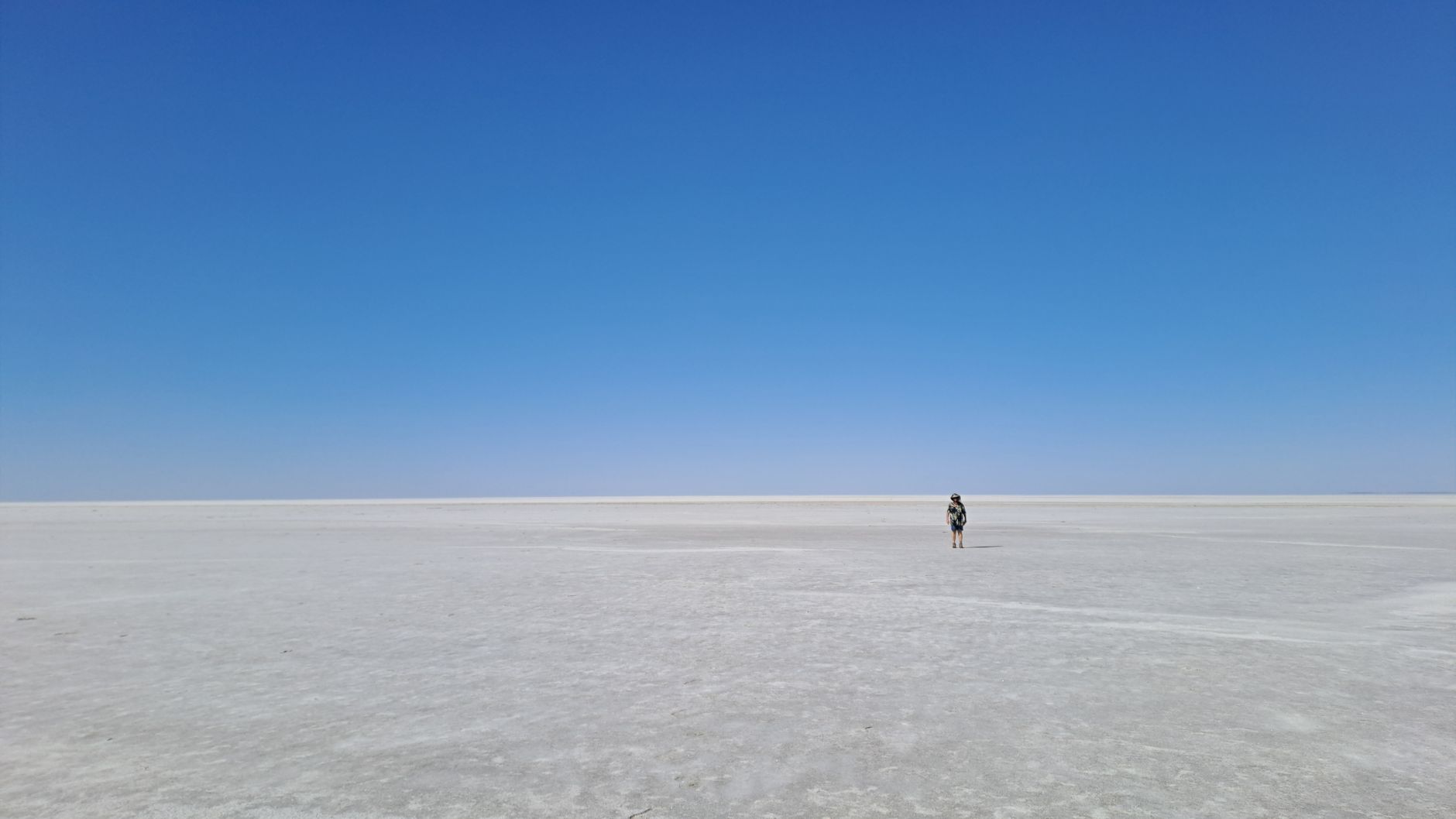
What the Danakil offers in return is a density of geological phenomena within a small area that Iceland, spread across a much larger island, cannot match. The salt flats of the Karum Lake, the acid pools of Dallol, the lava lake at Erta Ale, and the colorful sulfur vents around the depression’s fringes are all accessible within a few days of each other. Iceland has breadth; Danakil has concentration. For travelers who care specifically about volcanic geology rather than hot spring wellness, that concentration matters.
The seasonal window is also narrower than Iceland’s. Most tour operators recommend visiting between October and March, when temperatures drop from genuinely dangerous to merely extreme. Summer visits are possible but require extra preparation and carry higher risk. Iceland, by contrast, offers volcanic access across a much wider seasonal range, which gives it a practical advantage for travelers who cannot plan months in advance.
Who Is Actually Going
The traveler profile for Danakil is distinct. Geology enthusiasts, long-distance overlanders, and photographers chasing surreal landscapes make up a large portion of the visitor base. Adventure travel companies have started including Danakil on multi-country East Africa itineraries alongside the Simien Mountains and the rock-hewn churches of Lalibela, which gives the depression more visibility than it had five years ago. It still does not appear on the mainstream bucket-list radar the way Iceland does, but within the niche of extreme-terrain travel, its reputation is well established.
Ethiopia’s tourism sector more broadly has had a complicated decade, with political instability in the Tigray region affecting access and safety assessments from various governments. Travelers planning a Danakil trip should check current travel advisories from their home country before booking – conditions have shifted multiple times and will likely continue to shift. That instability is part of why the destination remains uncrowded even as interest grows.
Practical Anchors for the Trip
Mekelle functions as the main staging point, with international connections through Addis Ababa. Most organized tours range from three to five days and include camping near the volcanic sites, all meals, Afar guides, and armed escorts, which are standard practice in the region rather than a sign of exceptional danger. Costs run higher per day than a comparable Iceland itinerary because of the logistics involved, but the total trip length is shorter, which balances out for many travelers.
Gear requirements are specific. The heat demands serious hydration planning – guides typically recommend two to three liters per hour during walking sections. Closed-toe shoes are mandatory near the acid pools, where a slip could mean contact with pH levels close to battery acid. The sulfur content in the air near active vents requires some visitors to use masks. None of this is insurmountable, but it does mean the destination selects for travelers who read the preparation materials rather than those who assume conditions will be manageable on arrival.
Iceland rewards spontaneity. You can land in Reykjavik with a rental car reservation and reasonable weather luck and see extraordinary volcanic terrain within hours. The Danakil Depression rewards the opposite – detailed planning, physical preparation, and a tolerance for conditions that do not negotiate with comfort preferences. For a specific kind of traveler, that is not a drawback. It is the point. The question worth sitting with before booking either destination is not which one is better, but which version of volcanic travel you actually want: the experience that welcomes you, or the one that makes you prove you showed up ready.
Frequently Asked Questions
Is the Danakil Depression safe to visit?
Visits require organized tours with Afar guides and armed escorts. Travelers should check current government travel advisories before booking, as regional conditions can change.
What is the best time of year to visit the Danakil Depression?
October through March is the recommended window, when temperatures drop from dangerous to extreme. Summer visits carry significantly higher heat risk.