
Africa’s High Plateau Is Having a Moment
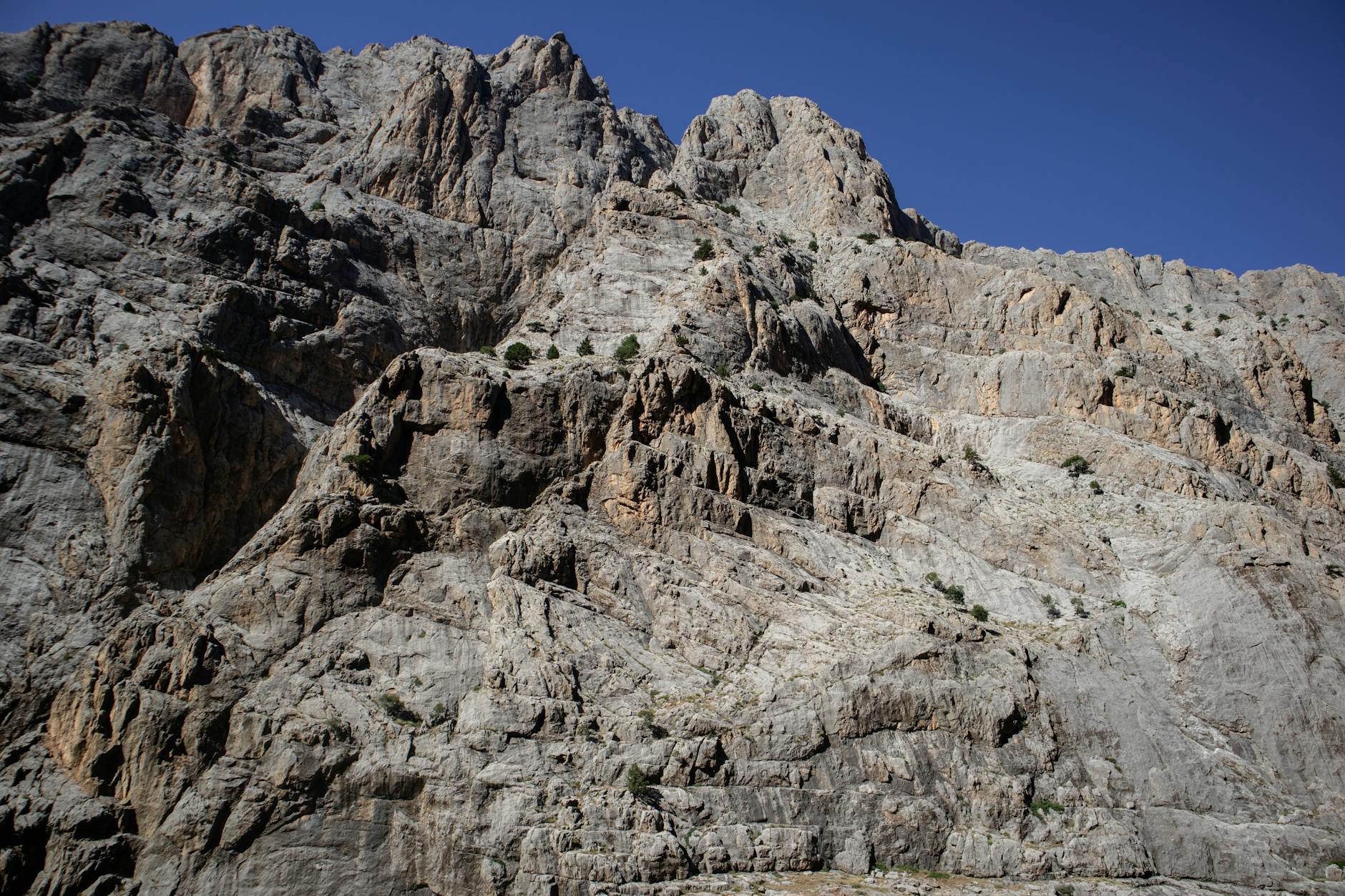
The Simien Mountains of northern Ethiopia have sat at elevations above 4,500 meters for millennia, home to jagged volcanic escarpments, ancient juniper forests, and wildlife found nowhere else on earth. For most of modern travel history, this UNESCO World Heritage Site remained the domain of serious mountaineers and a handful of determined adventure travelers willing to navigate logistical complexity to get there. That calculation is shifting. A growing number of trekkers – many of them first-time visitors to sub-Saharan Africa – are now routing their itineraries specifically around the Simiens, drawn by trail improvements, expanded guide networks, and a surge of word-of-mouth enthusiasm across hiking communities online.
The timing is notable. African trekking destinations have broadly seen renewed interest over the past few years, with travelers looking beyond Southeast Asia and Patagonia for routes that feel genuinely off the beaten path. The Simiens deliver on that promise while offering an experience that is logistically approachable in ways that weren’t true even a decade ago. Organized multi-day treks are now more widely available, and the infrastructure around gateway towns like Debark has developed enough to support travelers who aren’t arriving with expedition-level gear.
What the Terrain Actually Offers
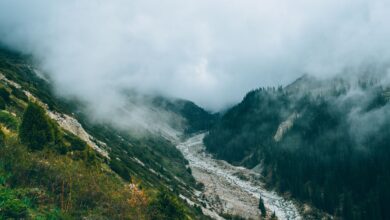
The Simien range runs across the Amhara region of northern Ethiopia and contains Ras Dashen, the country’s highest peak at roughly 4,550 meters. But the draw for most trekkers isn’t summit-bagging – it’s the landscape itself. The plateau breaks apart into dramatic cliffs and gorges, with viewpoints that drop thousands of meters to the lowlands below. Walking along the escarpment edge on a clear morning, with cloud layers filling the valleys below, is the kind of view that turns casual hikers into genuinely evangelical converts when they return home.
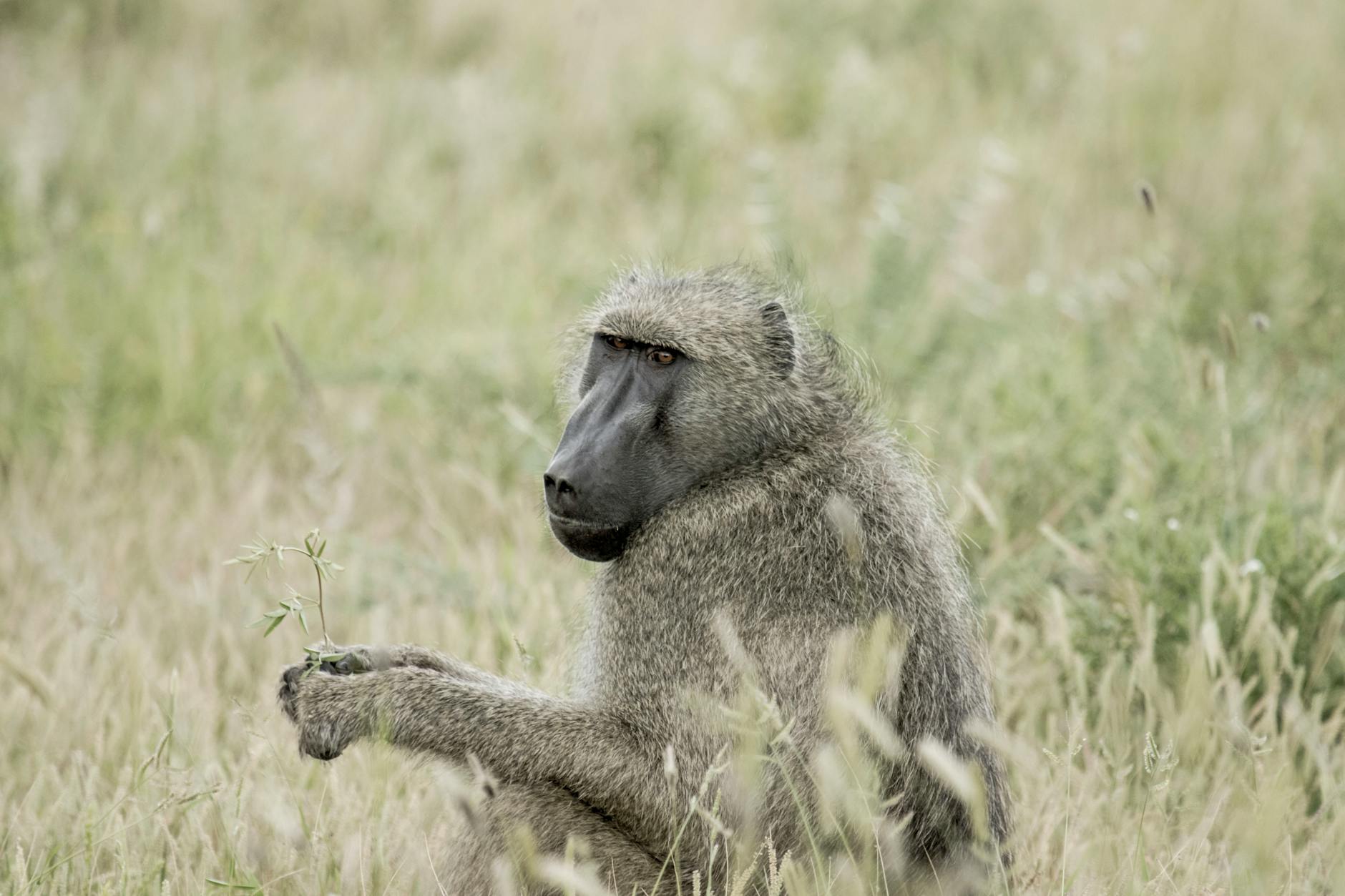
Wildlife access here is unlike most mountain destinations anywhere in the world. The Simiens are one of the few reliable places to observe gelada baboons in large numbers – troops of several hundred animals graze openly across the high grasslands, seemingly indifferent to the presence of trekkers passing a few meters away. Ethiopian wolves, among the rarest canids on earth, are also spotted regularly along higher sections of the route. The sheer density of wildlife encounters gives the Simien trek a quality that sits somewhere between safari and alpine hiking, a combination with few equivalents globally.
Trek routes vary from three-day introductory circuits to extended eight-day crossings that reach Ras Dashen. The classic route follows the escarpment from Sankaber camp through Geech and on to Chennek, covering ground that most moderately fit trekkers can handle with proper acclimatization. The altitude is the primary challenge – not technical difficulty. Anyone who has trekked at high elevation before will find the Simiens physically demanding but accessible. First-timers should budget at least one extra day at Debark (elevation roughly 2,800 meters) before heading higher.
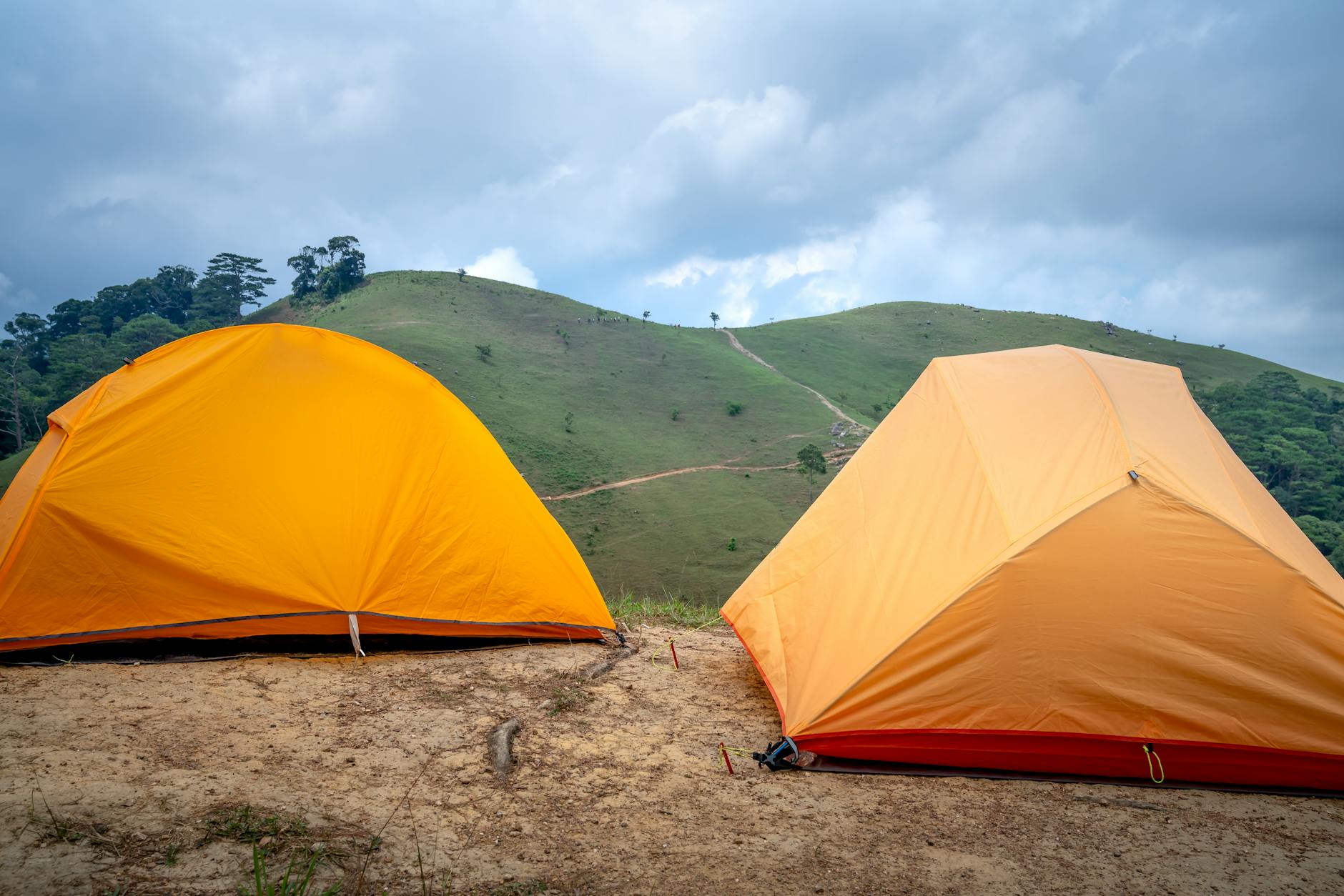
Camping remains the standard accommodation format across the route, with established sites managed by the Simien Mountains National Park authority. A small number of basic guesthouses operate in villages along certain trails, and some operators now offer upgraded camping setups with better sleeping gear and prepared meals – a meaningful improvement for travelers who want the wilderness experience without the full weight of expedition-style self-sufficiency.
The Guide Economy and Why It Matters
Foreign trekkers are required by park regulations to hire a licensed guide and at least one armed scout – the scouts are a practical reality in a landscape where encounters with wildlife, including Walia ibex and hyenas, are common after dark. This requirement, which occasionally draws complaints in online travel forums, is worth understanding on its own terms. The guide economy in and around Debark directly supports dozens of local families, and the quality of guiding has improved considerably as training programs and certification standards have tightened.
A good Simien guide brings something to the trek that GPS routes and downloaded maps simply cannot replace: ecological knowledge, cultural context, and the kind of moment-by-moment reading of conditions that keeps parties safe on high-altitude escarpments. Many of the most experienced guides have been working these trails for twenty-plus years, and their familiarity with gelada troop patterns, wolf denning areas, and reliable water sources makes a material difference to what trekkers actually see and experience.
Getting There and Planning the Trip
Lalibela and Gondar are the most common entry points for trekkers heading into the Simiens. Gondar, which sits roughly 100 kilometers from Debark by road, is the more straightforward gateway – it has a functional domestic airport with connections to Addis Ababa, and the drive to Debark takes around two to three hours on a road that has improved significantly in recent years. Ethiopian Airlines operates the domestic network and connects Addis Ababa to a wide range of international hubs, making routing relatively straightforward for travelers coming from Europe, the Middle East, or North America.
Trek permits, scout fees, and camping fees are paid at the park headquarters in Debark, and organized operators typically handle all of this as part of their package pricing. Independent trekkers can arrange guides and scouts directly at the park office, though showing up without any advance booking during peak season – roughly October through March, when the rains have ended and skies are clear – is a gamble that can result in delays if guides are already committed to other groups.
Packing for the Simiens requires more thought than many trekkers initially assume. Daytime temperatures at elevation can be warm and sunny, but nights at the escarpment camps drop sharply – temperatures at Chennek camp routinely fall below freezing in peak season. Sun exposure at altitude is intense, and the combination of high UV index and unpredictable afternoon cloud cover means weather can change faster than it looks like it will from below. The trekkers who have the worst experiences in the Simiens are almost always the ones who underestimated the cold, not the ones who overpacked for it.
A Destination Still Finding Its Footing
The Simiens have the kind of natural assets – dramatic scenery, rare endemic wildlife, cultural richness in the surrounding villages – that tend to attract mass tourism once the word gets out widely enough. Right now, the route still feels remote. Multi-day treks regularly go with no other parties visible from camp, and the gelada troops that cluster near Geech plateau haven’t yet been conditioned by years of tourist crowds to ignore visitors entirely. That quality of encounter, unhurried and genuinely wild, is a finite thing.
Park management and the Ethiopian tourism authority are actively working to balance access growth with conservation requirements, and the national park’s UNESCO listing does provide some structural protection against overdevelopment. But the more immediate question is simpler: how long before the Simiens become a well-known bucket-list entry rather than a well-kept secret? The trekkers arriving now are getting there ahead of that answer.