Ethiopia’s Simien Mountains Draw Trekkers Beyond Lalibela’s Church Circuit

Ethiopia draws most first-time visitors into a loop that runs from Addis Ababa to Lalibela, ticks the rock-hewn churches, then circles back. It works. But a growing number of trekkers are bypassing that circuit entirely – or extending well beyond it – to reach the Simien Mountains in the country’s northwest, where the terrain is rawer, the wildlife is stranger, and the altitude will catch you off guard if you underestimate it.
A Plateau That Drops Off the Edge of the World
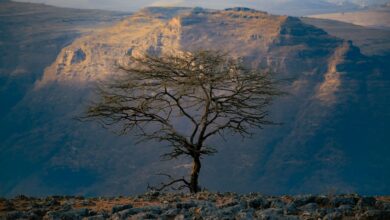
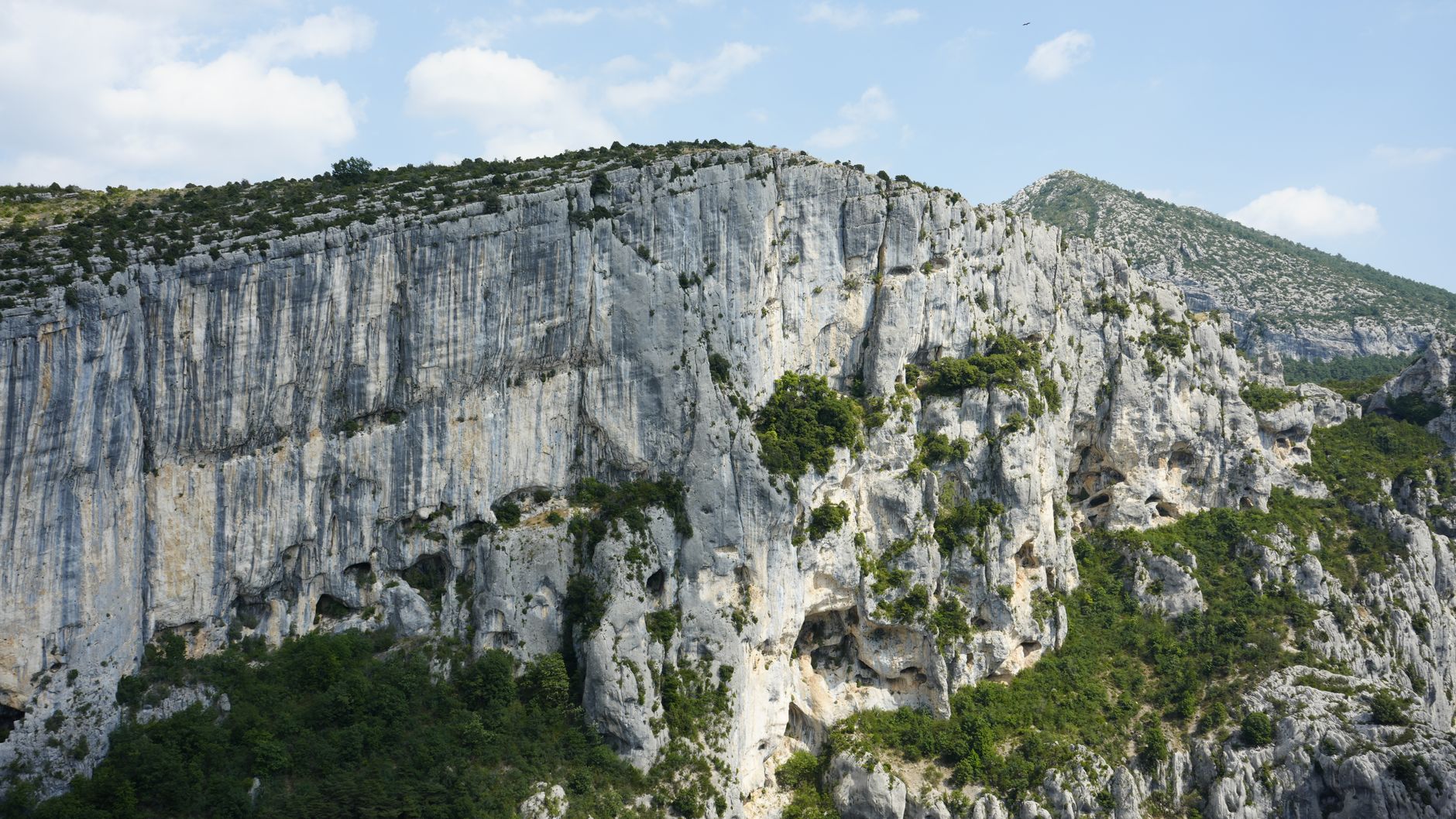
The Simien Massif sits at the northern edge of the Ethiopian Highlands, and what makes it visually arresting is not a single dramatic peak but rather the escarpment itself – a series of basalt cliffs that plunge thousands of meters to the lowlands below. Standing at the rim feels less like mountain hiking and more like standing on a broken continent. The plateau was formed by ancient volcanic activity, and millions of years of erosion carved the jagged peaks, deep gorges, and flat-topped ambas that define the landscape today.
Ras Dashen, at roughly 4,550 meters, is the highest point in Ethiopia and the fourth highest on the African continent. It draws summit-focused trekkers who want an African high-altitude tick without the logistical machine required for Kilimanjaro. The climb is non-technical but demanding, involving multiple days of altitude gain across open moorland. Acclimatization is not optional here – the standard route from the gateway town of Debark takes four to seven days depending on pace and fitness, and altitude sickness is a real risk above 3,800 meters.
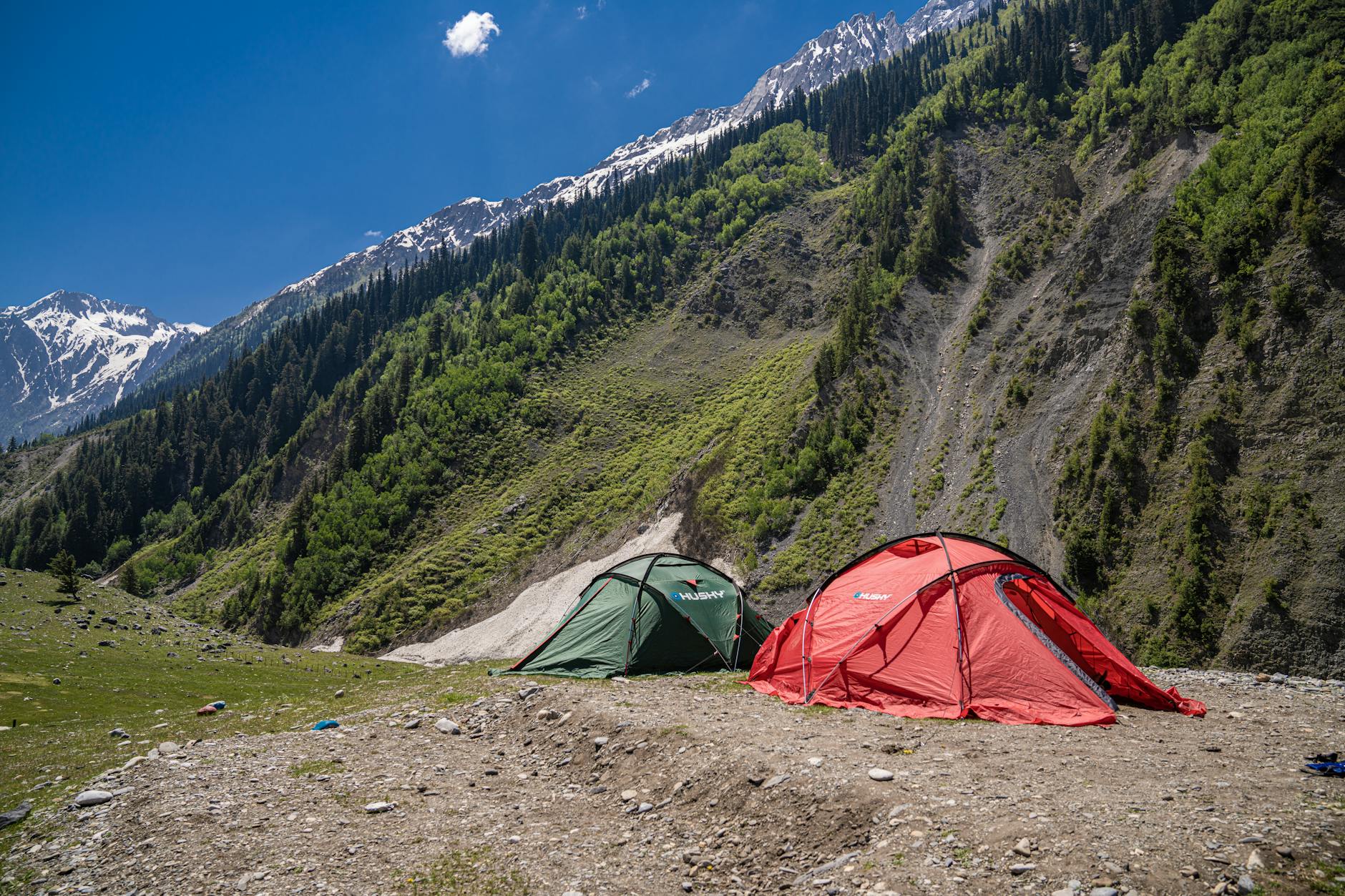
The park was designated a UNESCO World Heritage Site decades ago, and while that status has protected much of the ecosystem, it has not sanitized the experience into anything resembling a tourist trail. Infrastructure is minimal. The lodges that do exist – clustered mainly around Sankaber and Chenek – are basic by any international standard, which is part of the appeal for trekkers who are tired of mountain circuits that feel managed. Camping under the stars at elevation, with the escarpment visible in the moonlight, is the kind of thing people describe years later.
Getting there requires either flying into Gondar, the nearest city with reliable air connections, or taking a long road journey from Addis Ababa. From Gondar, a vehicle to Debark takes roughly three hours on a road that has improved considerably in recent years but still rewards patience. The town itself is functional rather than charming, serving mainly as a staging point for hiring guides and scouts – both of which are legally required inside the park boundaries.
Geladas, Walia Ibex, and the Animal Logic of High Altitude
The wildlife in the Simiens is the other reason trekkers make the detour, and it is unlike anything else on the continent. Gelada baboons – sometimes called bleeding-heart monkeys for the distinctive red patch on their chests – exist only in the Ethiopian Highlands, and the Simiens hold one of their largest populations. They graze in herds that can number in the hundreds, entirely unbothered by human presence, moving across the moorland in slow, grazing waves. Walking through a herd of geladas is one of those wildlife moments that no amount of planning can prepare you for.
The Walia ibex is rarer and harder to spot. This endemic mountain goat, found nowhere else on earth, navigates the sheer cliff faces of the escarpment with a casual athleticism that feels implausible. Numbers have recovered somewhat from the lows of previous decades, but the population remains small and sightings are not guaranteed. The area around Chenek offers the best chances. Ethiopian wolves, one of the world’s rarest canids, also roam the high moorland, though they are sighted less frequently in the Simiens than in the Bale Mountains further south.
What separates the Simien wildlife experience from a conventional safari is the intimacy of it. You are on foot at their elevation, sharing the same cold, the same thin air, moving at roughly the same pace as the animals that live there. There are no vehicles, no radio communications between guides tracking animals across a reserve. When you encounter a gelada troop on a ridge, it is because you both happened to arrive at the same place at the same time. That randomness feels honest in a way that structured game drives often do not.
The park’s rangers have increasingly focused on community-based conservation, involving villages on the park’s edge in protection efforts rather than displacing people from land they have farmed for generations. This model has complicated tensions between agricultural expansion and wildlife habitat, but it has also produced local guides with genuine ecological knowledge – people who grew up watching geladas and can read animal behavior in ways that a script cannot replicate. Hiring locally is not just a responsible travel choice; it produces a better, more textured experience on the trail.
Birdwatching is an underreported reason to visit. The Simiens host thick-billed ravens, lammergeiers soaring on thermals above the escarpment, and several endemic species found only in the Ethiopian highlands. For birders who have already covered high-altitude trekking routes elsewhere – where endemic species concentrate in isolated mountain ecosystems – the Simiens offer a comparable density of sightings in a setting most birding itineraries have not yet overrun.
What Trekkers Actually Need to Know
The best trekking season runs from October through March, when the rains have cleared and visibility across the escarpment is sharp. The months of June through August bring heavy rainfall that turns trails to mud and clouds over the views that justify the journey. Temperatures at altitude drop sharply after dark regardless of season – nights below freezing are common above 4,000 meters even in dry months – so packing for cold is non-negotiable regardless of what the daytime heat suggests.
Entry fees, mandatory guide costs, and scout fees mean that the park is not as inexpensive as its remote location might imply. Budget the logistics carefully before arriving, because the costs add up across a multi-day trek. The payoff, for those who do the math and make the trip anyway, is a landscape and a wildlife encounter that remains genuinely uncommon on international itineraries – and a version of Ethiopia that exists well outside the church-and-history circuit that most travel writing reaches for first.
Frequently Asked Questions
How long does it take to trek the Simien Mountains?
Most trekkers spend four to seven days inside the park, depending on whether they attempt Ras Dashen’s summit or focus on the escarpment and wildlife areas.
Is a guide required in the Simien Mountains?
Yes – both a licensed guide and an armed scout are legally required for all trekkers inside the park boundaries.