Faroe Islands’ Reservation-Only Trails Are Quietly Reshaping Overtourism Policy

A Small Archipelago Sets a New Standard
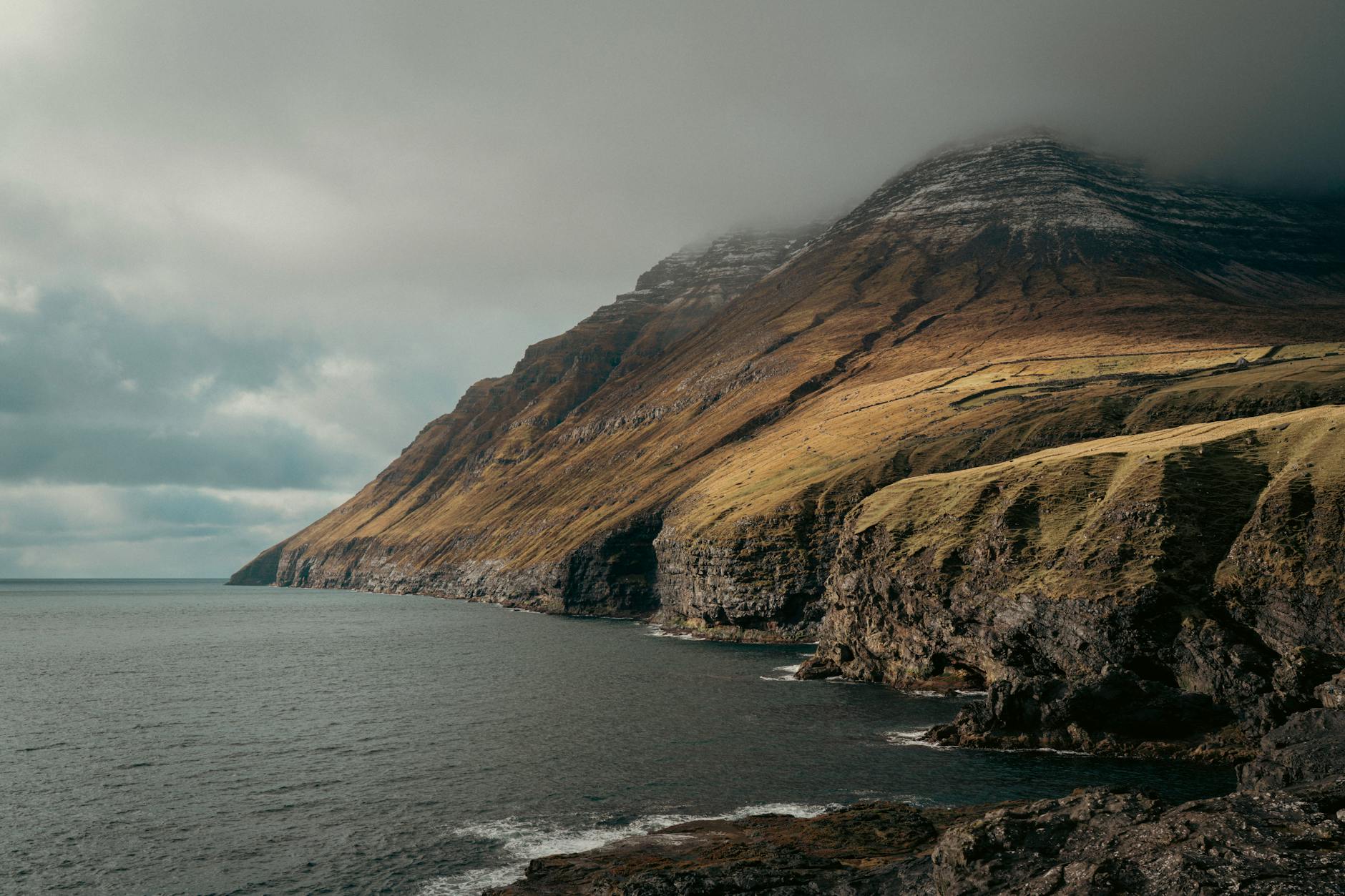
The Faroe Islands have never been easy to reach. Perched in the North Atlantic between Norway and Iceland, this 18-island archipelago requires serious intent from anyone who visits – long flights, ferry connections, and weather that cancels plans without apology. Yet in recent years, visitor numbers climbed fast enough to alarm the Faroese government, local farmers, and the communities whose cliffside paths were being worn down by foot traffic that the land simply was not built to absorb. The response was not a wall or a fee hike. It was a reservation system – and it has become the most-watched experiment in trail management running anywhere in the world right now.
Since the Faroe Islands’ tourism agency began rolling out its “Closed for Maintenance, Open for Voluntourism” program and later expanded into a broader reservation-only trail network, the approach has moved from curiosity to case study. Tourism ministries from Iceland to New Zealand have sent delegations to observe how a population of roughly 54,000 people manages to say, firmly and without apology, that certain places are simply not available on certain days.
How the System Actually Works
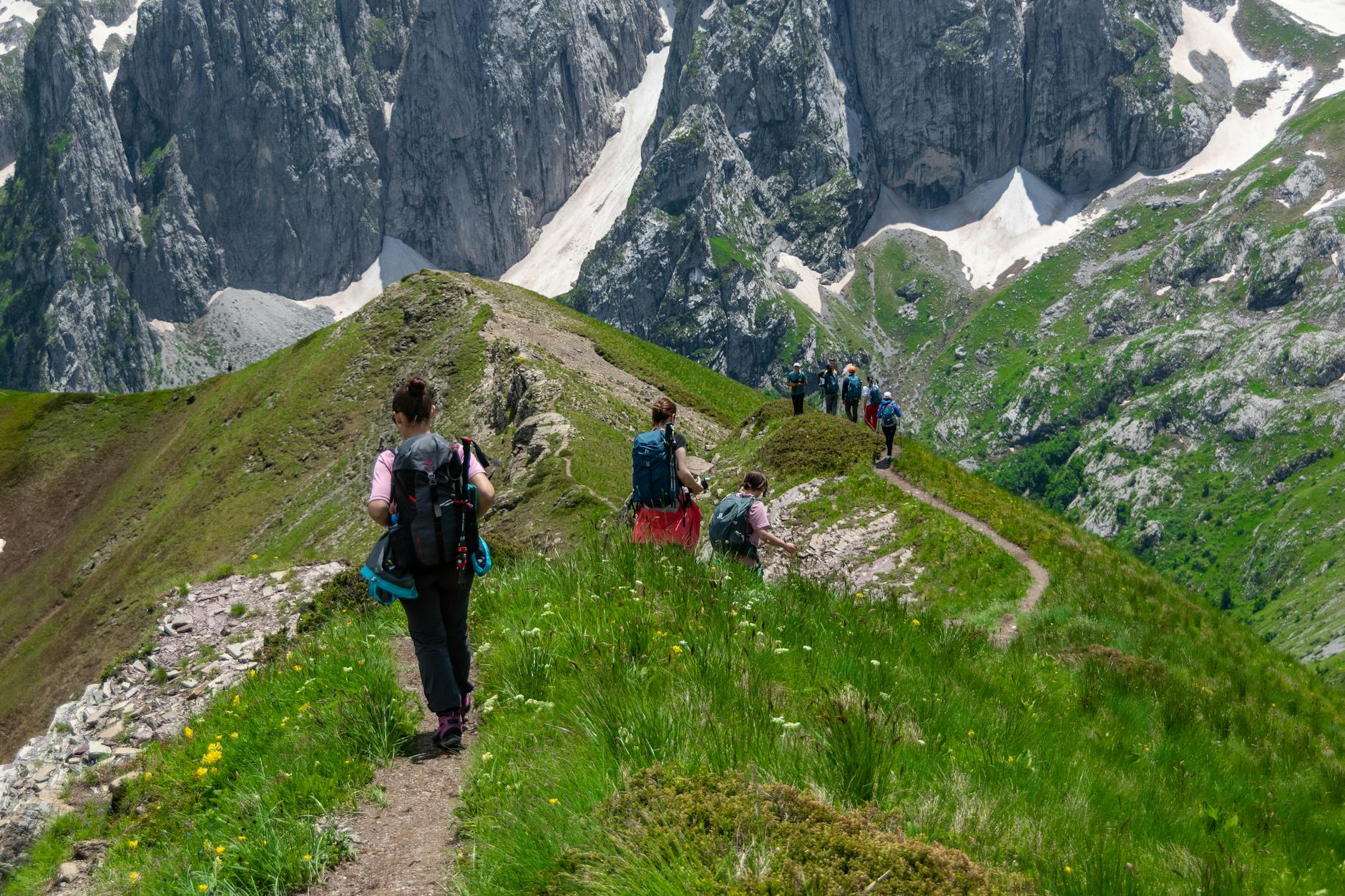
The reservation model divides access into tiers. Some trails require advance booking through a centralized portal, with daily capacity caps set by local landowners – often farmers whose private property the paths cross. Others operate on a seasonal closure schedule tied directly to nesting periods for seabirds, particularly puffins and oystercatchers, whose colonies sit adjacent to the most photographed viewpoints. The logic is ecological rather than economic: the cap exists because the land has a real threshold, not because the government wants to manufacture scarcity.
What makes the Faroese model unusual is where authority sits. The national tourism board does not dictate terms to farmers – farmers dictate terms to the tourism board. A landowner in Saksun or Tjornuvik can close a trail for a week because lambing season demands it, and the booking system simply reflects that closure automatically. Tourists who arrive expecting access are redirected or turned away. There is no grandfather clause for anyone who traveled a long distance.
The booking portal itself is deliberately simple. There are no premium tiers, no paid-access fast lanes. A group wanting to hike to the lake at Sorvagsvatn – the optical-illusion lake that appears to float above the ocean and is probably the most-shared Faroese image on social media – books a timed entry window the same way anyone else does. Groups that miss their window leave. That enforcement, backed by local wardens who are often the farmers themselves, is what separates the Faroe Islands’ system from similar programs that exist only on paper.
Why Other Nations Are Paying Attention
The broader conversation around overtourism has produced a lot of policy documents and very few working models. Destinations that depend heavily on visitor revenue face an obvious structural problem: the tools most likely to reduce crowd pressure – entry fees, capacity caps, restricted access – are the same tools that risk alienating the budget travelers and repeat visitors who sustain local economies during slow seasons. The Faroe Islands sidestep part of this tension because their visitor profile skews toward people who research carefully and spend significantly once they arrive. Limiting trail access has not visibly reduced overall tourism revenue. If anything, the scarcity signal appears to have strengthened the destination’s premium positioning.
Other nations watching this play out are dealing with very different scales and economic pressures. Iceland, which receives more than two million visitors annually against a population of roughly 370,000, has studied the Faroese approach with genuine interest but has struggled to replicate it at national scale. The Faroe Islands’ advantage is size – 1,400 square kilometers, a contained set of high-traffic sites, and a political culture where consensus decisions carry real social weight. That combination is not easily exported. Ethiopia’s Simien Mountains, now contending with rapidly growing trekking demand, face the same structural question the Faroes answered: who actually holds the authority to enforce a cap.
The Broader Policy Implications
What the Faroe Islands have demonstrated is that overtourism policy works when it is anchored in local land ownership rather than administered from a tourism ministry. The farmer who can physically close a gate has more enforcement power than a regulation that requires a ranger to issue a citation. This sounds obvious stated plainly, yet most national park systems and trail networks around the world are designed around the opposite assumption – that access is a public right and restriction is the exceptional case requiring justification.
The reservation system has also produced a secondary effect that no one seems to have fully anticipated: it has changed traveler behavior before arrival. When visitors know that trail access is genuinely limited and non-negotiable, they plan more carefully, they book accommodation earlier, they research weather windows and alternative routes. The average stay in the Faroes has grown longer as visitors try to build contingency time into itineraries in case a first-choice trail is closed. Longer stays mean more spending in local restaurants and guesthouses, which distributes tourism income more evenly across the archipelago rather than concentrating it at a handful of viewpoints.
There is a harder argument worth making here. The Faroese model only works because the Faroese were willing to accept that some visitors would leave disappointed, and to build that disappointment into the system design rather than treating it as a failure. Most tourism economies are structured around the assumption that any turned-away visitor is lost revenue. The Faroes are testing whether a destination can accept that trade-off and come out ahead – not just ecologically but financially.
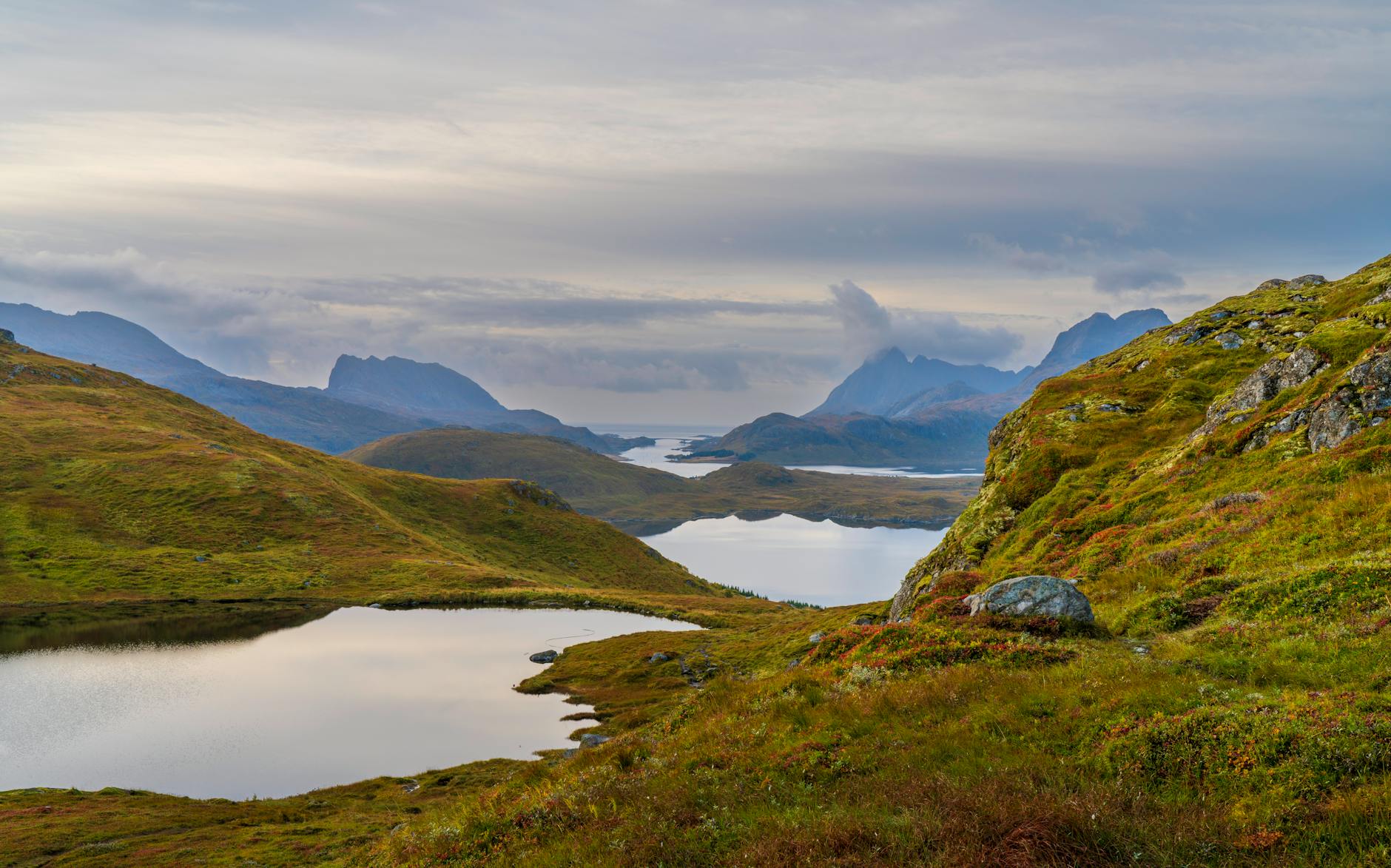
The program has not been without friction. Some local business owners, particularly those running day-trip boat services, pushed back on the early closure schedules, arguing that the capacity caps were set too conservatively and cut into viable commercial windows. The tourism board has revised the numbers on several trails more than once, recalibrating caps based on seasonal data and landowner feedback. Sorvagsvatn’s entry limits were loosened slightly after the first year, then tightened again after drone footage of crowd buildup near the cliffside overlook circulated widely. The system is not static – and that ongoing adjustment might be the most transferable lesson it offers. A cap that cannot be revised is a policy, not a management tool.