
The Reef That Doesn’t Need a Marketing Budget
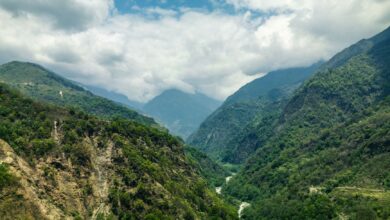
Kadavu Island sits about 100 kilometers south of Fiji’s main island of Viti Levu, reachable by a 45-minute flight or a boat ride that takes the better part of a day. It has no luxury resort strip, no overwater bungalow brand presence to speak of, and no celebrity endorsement campaign. What it does have is the Great Astrolabe Reef – the fourth largest barrier reef system on the planet – wrapping around its southern coast in a near-continuous wall of coral that reef divers are increasingly treating as a genuine alternative to the Indo-Pacific’s more famous destinations.
The comparison to the Maldives is not accidental.
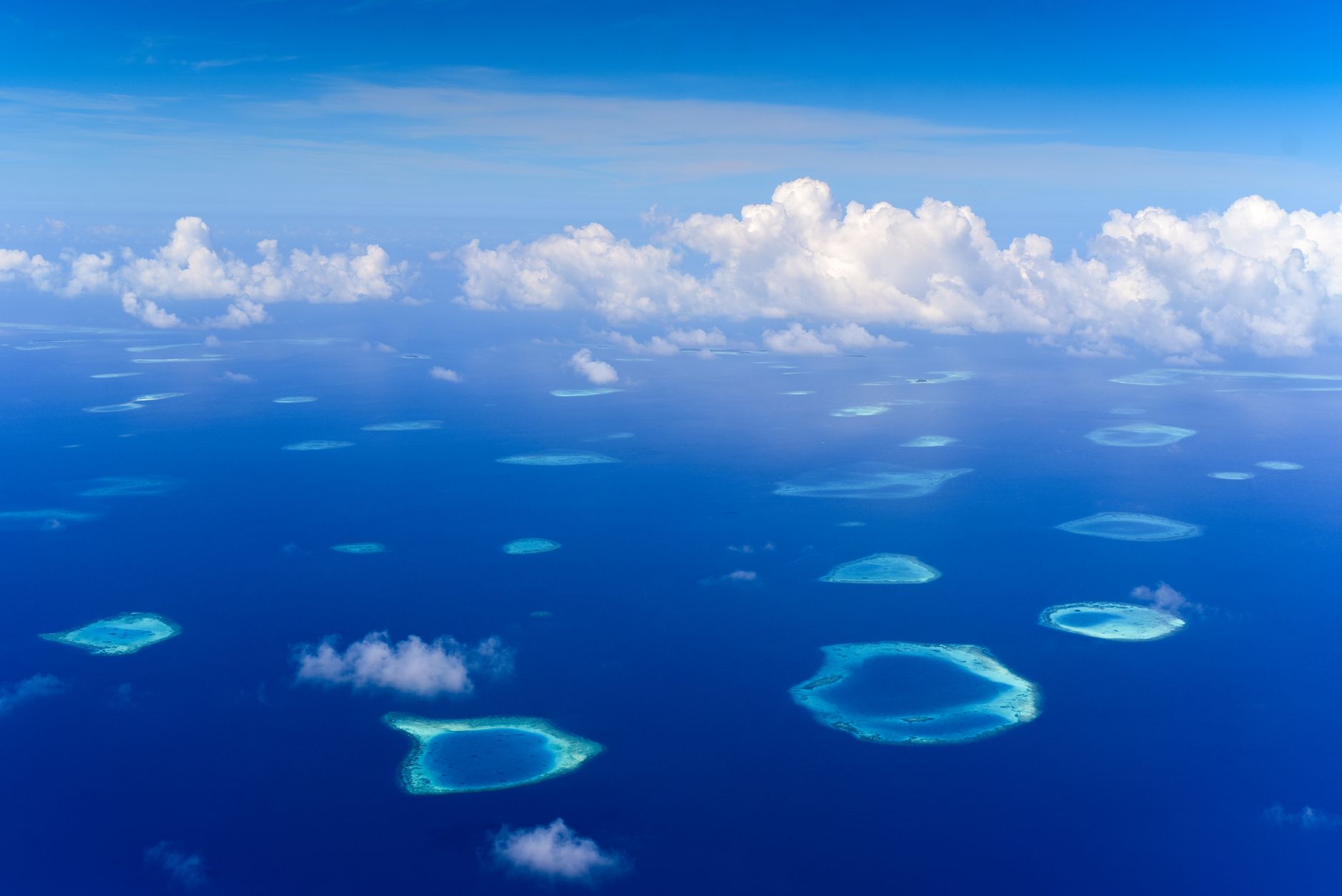
Both destinations offer visibility that regularly exceeds 30 meters, both sit within the Coral Triangle’s extended zone of marine biodiversity, and both attract divers chasing encounters with large pelagic species – manta rays, hammerhead sharks, and the kind of schooling fish aggregations that still feel genuinely wild. The difference is what surrounds the water. The Maldives has engineered its above-water experience for decades; Kadavu has largely left its above-water experience alone, which is either its greatest liability or its strongest selling point depending on what kind of traveler you are.
What the Great Astrolabe Reef Actually Delivers
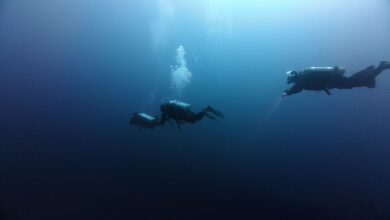
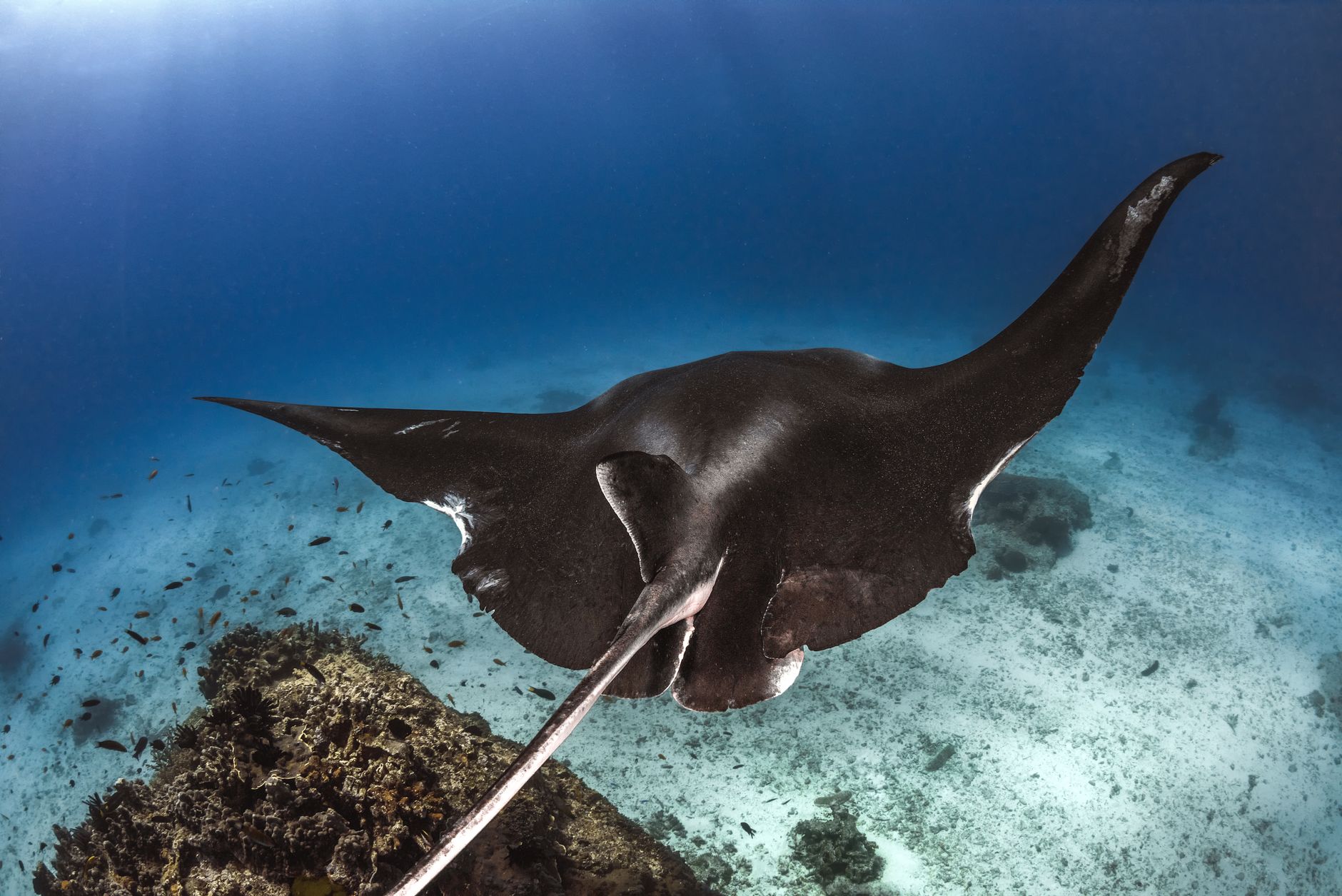
The reef system spans roughly 100 kilometers and contains dozens of named dive sites, many of which are accessible only to small dive operations running from the handful of eco-lodges scattered across Kadavu. Naiqoro Passage is the site most referenced by returning divers – a channel cut through the reef where strong currents bring in nutrient-rich water and, with it, consistent manta ray activity. Dive guides at the local lodges track individual mantas across seasons, giving the experience a level of ecological intimacy that package-tour dive operations rarely provide.
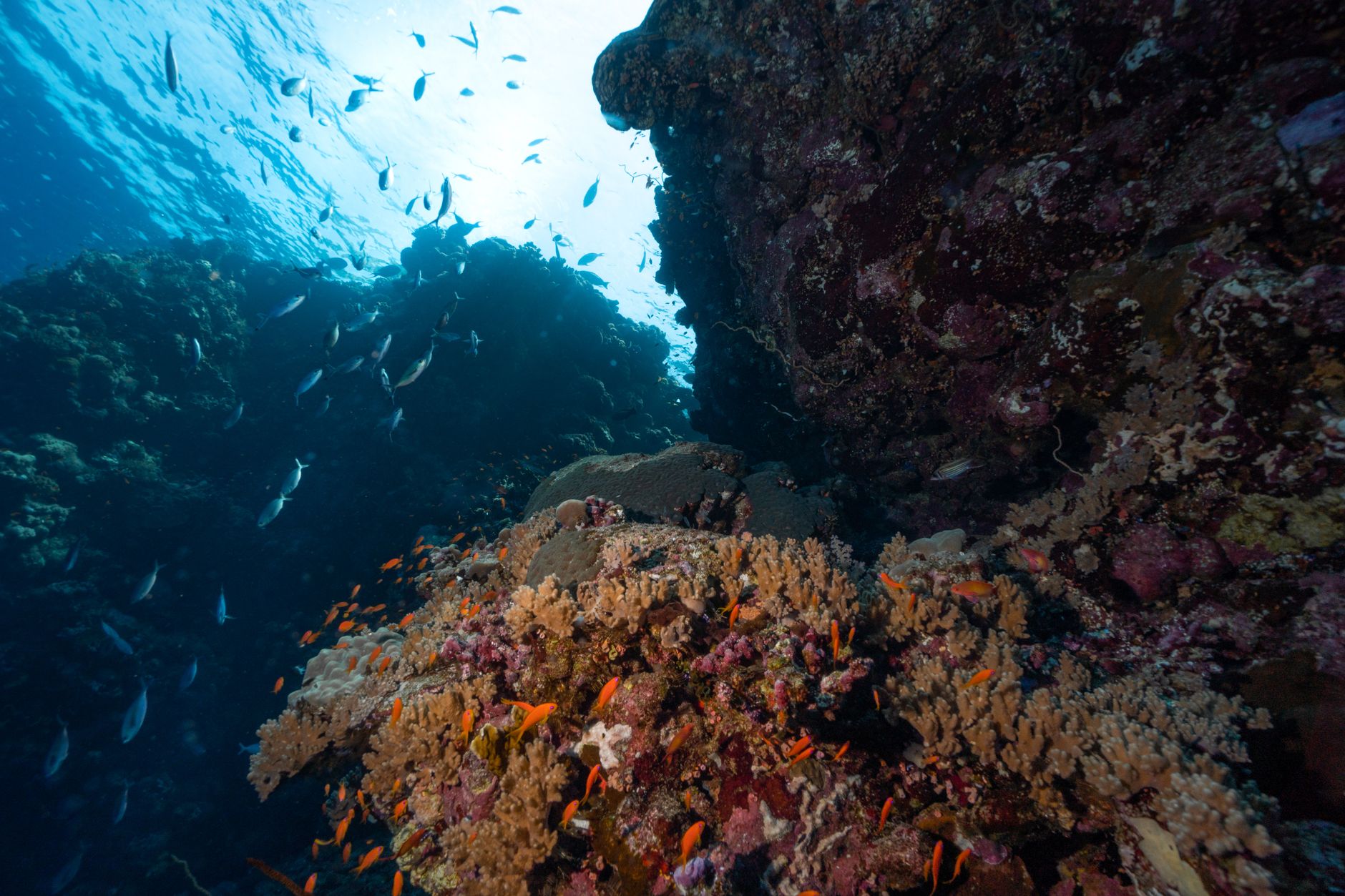
The coral health at Astrolabe is worth dwelling on. Bleaching events have hit reef systems across the Pacific over the past decade, and no reef is entirely immune. But Kadavu’s relative isolation – no industrial runoff, minimal boat traffic compared to more developed sites, and no tourist infrastructure crowding the shoreline – has helped portions of the reef maintain coral cover and structural complexity that is increasingly rare. Hard coral gardens in the shallower sections give way to steep walls dropping past 30 meters, where sea fans and black coral grow in formations that take generations to develop. You don’t fabricate that kind of depth – you either have it or you don’t, and Astrolabe does.
For divers who prioritize variety, the island delivers across categories. Drift dives through the passages, muck diving in the bays where the seafloor reveals nudibranchs, ghost pipefish, and frogfish camouflaged against rubble, and open-water sites where visibility and current create the conditions for bigger encounters. One dive operation alone can rotate a group through meaningfully different ecosystems across a week without repeating an experience. That range, at this reef quality, is what puts Kadavu in the conversation alongside destinations that spend heavily on positioning themselves as premium dive travel.
The Logistics Are Real, and So Is the Tradeoff
Reaching Kadavu takes effort. Flights from Nadi operate on island-time schedules, and the boat crossing from the mainland can be rough depending on the season. Accommodation is limited to small eco-resorts and village homestay arrangements, some of which are genuinely basic – solar power, limited connectivity, meals built around local fishing and garden produce. The trade working in your favor is that this friction filters the crowd. You are unlikely to share a dive site with 40 other divers. You might share it with four.
The dry season runs from May through October, which is when visibility peaks and water temperature sits between 24 and 27 degrees Celsius – comfortable for multiple dives daily without heavyweight wetsuits. The wet season brings warmer water and some storm disruption to diving schedules, but also lower prices and fewer visitors to compete with for boat space. Traveling outside peak season requires more flexibility but is entirely workable for divers who build their itinerary around dive conditions rather than resort amenities.
Budgeting also runs counter to what the Maldives demands. A week of diving from a Kadavu eco-lodge – accommodation, meals, and multiple daily dives included – typically costs a fraction of what a comparable dive safari in the Maldives charges. The absence of premium infrastructure is precisely what keeps the price accessible. There are no overwater villas to subsidize, no spa revenue models, no celebrity chef residencies. The money goes toward the water.
Why Serious Divers Are Starting to Pay Attention
Word moves slowly about places like Kadavu, partly because the lodges operating there don’t have marketing departments and partly because divers who find a great reef with no crowds have mixed feelings about broadcasting it. But dive travel communities – forums, live-aboard networks, underwater photography groups – have been pointing toward Astrolabe with increasing frequency. The reef photographs well. The encounters are real. And for divers building a list of serious dive destinations rather than resort experiences, Kadavu offers something the Maldives, for all its polish, has partly traded away: the feeling that the ocean is still running the show.