Finland’s Lapland Region Debuts Ice Hotels With Northern Lights Viewing Tunnels

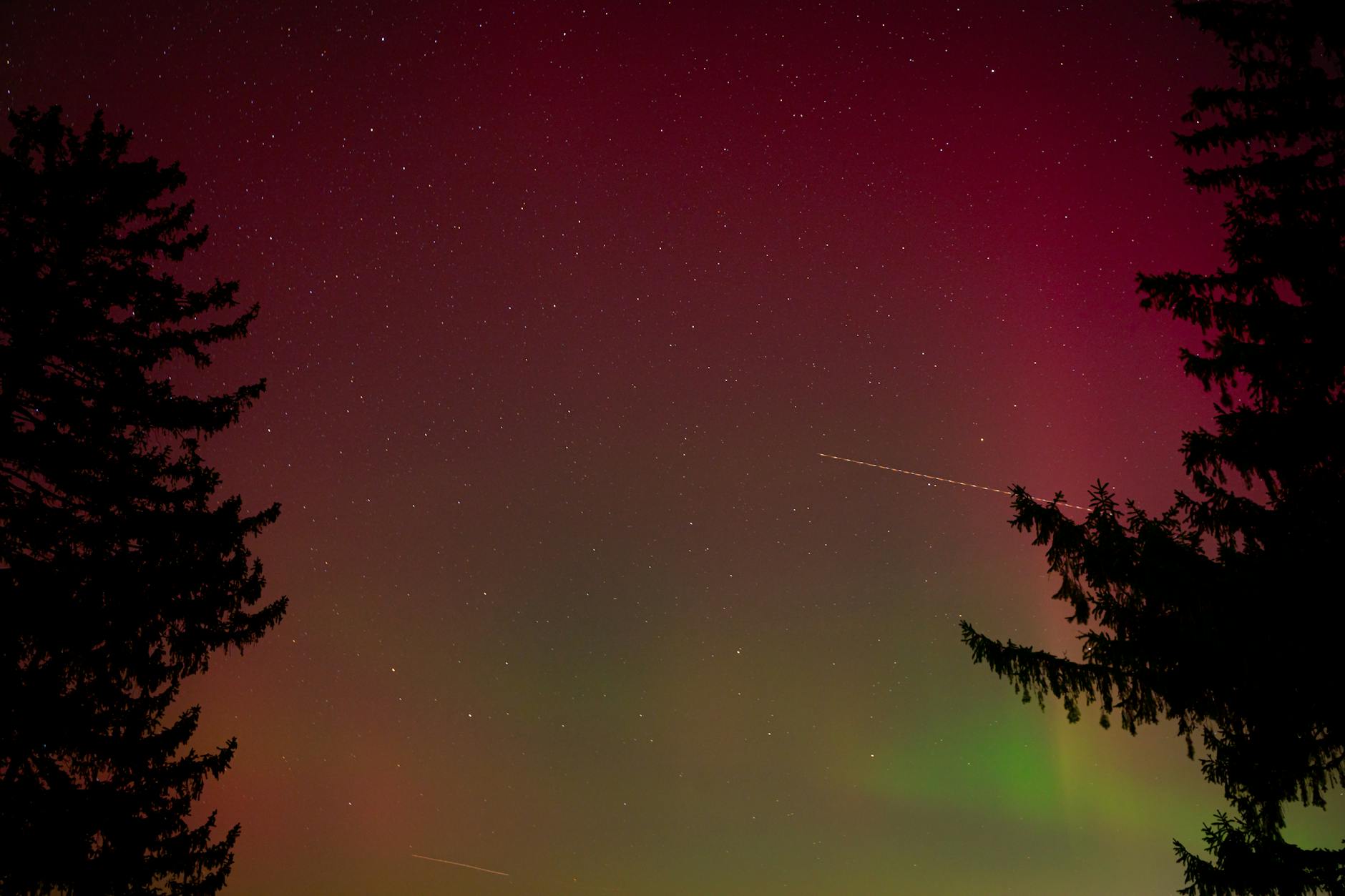
Arctic wind cuts through Finland’s wilderness, but deep beneath the ice, something unprecedented is taking shape. Hotel operators in Finnish Lapland have unveiled the world’s first ice hotels equipped with underground Northern Lights viewing tunnels, transforming how visitors experience the aurora borealis.
The innovation addresses a fundamental challenge of aurora tourism: unpredictable weather. Traditional Northern Lights viewing requires clear skies and often means standing outdoors in temperatures that can drop to -40°F. These new subterranean tunnels, carved directly into frozen ground beneath select ice hotels, offer heated observation chambers with panoramic glass ceilings positioned to maximize aurora visibility while protecting guests from harsh Arctic conditions.
Engineering Marvels Beneath the Ice
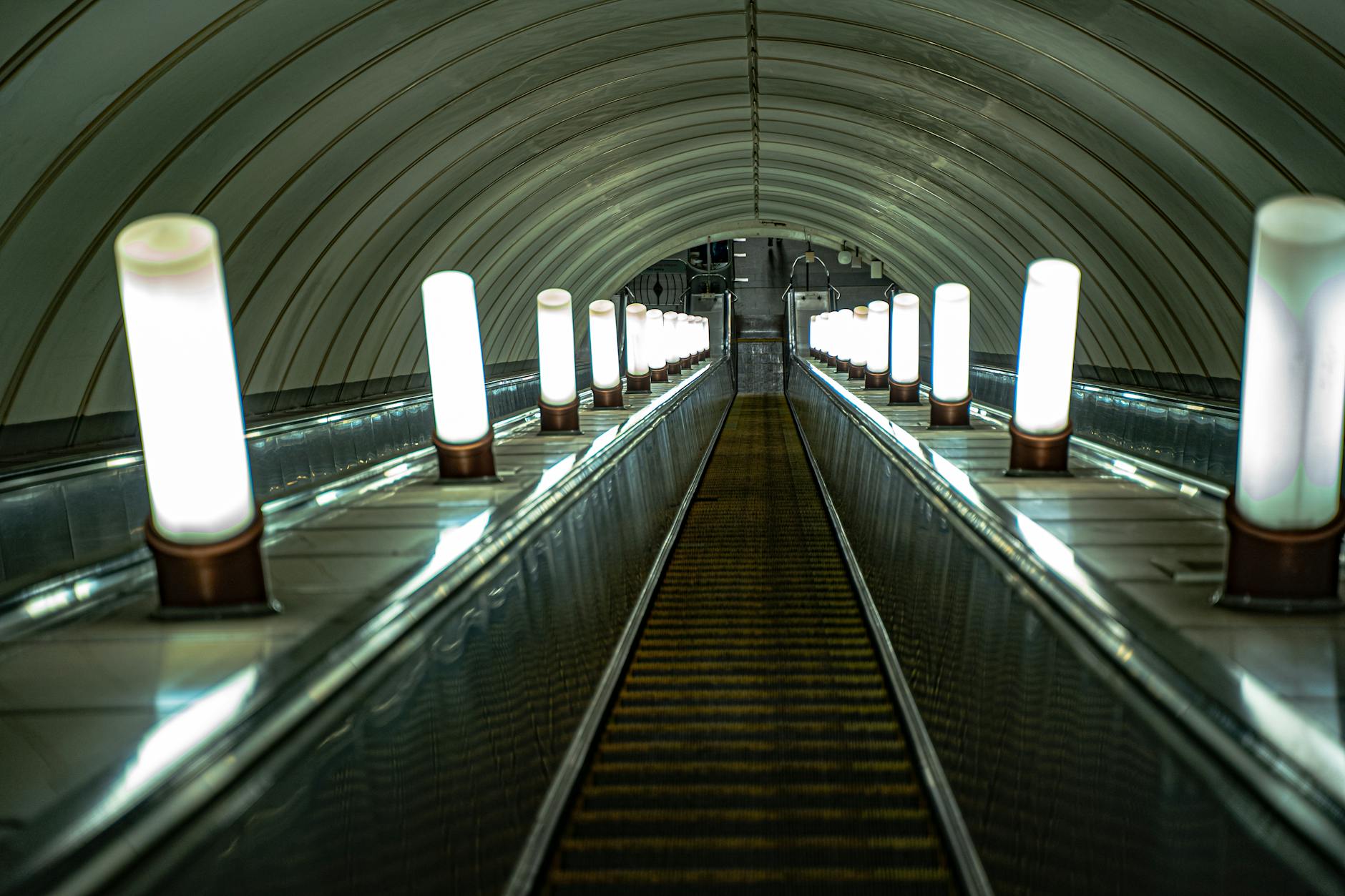
The tunnel systems represent a breakthrough in polar construction technology. Each viewing chamber extends roughly 30 feet underground, with reinforced glass panels angled at precise degrees to capture the widest possible view of the northern sky. The tunnels maintain comfortable temperatures around 50°F through geothermal heating systems that tap into Finland’s natural ground warmth.
Construction teams faced unique challenges working in permafrost conditions. Engineers developed specialized boring techniques to create stable underground chambers without compromising the structural integrity of the ice hotels above. The glass panels themselves required custom manufacturing to withstand extreme temperature differentials between the heated interior spaces and the frozen exterior environment.
Multiple hotels across the Lapland region have implemented these systems, including properties near Rovaniemi and Kittilä. Each facility features differently designed tunnels – some with single large chambers accommodating up to 20 guests, others with smaller intimate viewing pods for couples or families.
Transforming Aurora Tourism
The tunnels are already reshaping Northern Lights tourism patterns. Traditional aurora viewing seasons in Finnish Lapland run from late September through March, but success rates vary dramatically based on cloud cover and weather conditions. Hotels report that guests previously might wait several nights without seeing the lights due to overcast skies or storms.
These underground viewing chambers don’t eliminate weather dependency entirely – aurora activity itself still requires clear skies – but they significantly improve the viewing experience when conditions are favorable. Guests can now observe the lights in comfort, without the physical challenges of extended outdoor exposure in Arctic conditions.
The innovation is attracting attention from international tour operators who previously steered clients toward other Arctic destinations with more predictable viewing conditions. Early booking data suggests these tunnel-equipped properties are seeing increased reservations from travelers specifically seeking guaranteed comfort during their Northern Lights experience.
Hotel operators report that the tunnels are particularly popular with older travelers and families with children – demographics that often avoided traditional aurora tourism due to the physical demands of outdoor viewing in extreme cold.
Economic Impact on Remote Communities
The tunnel systems represent significant investment in Finland’s remote northern regions. Construction costs for each tunnel system reportedly exceed several hundred thousand euros, but early returns suggest strong economic viability. Hotels are charging premium rates for tunnel access, with some properties adding 200-300 euros per night to base accommodation costs.
Local employment has increased as hotels require specialized tunnel maintenance staff and aurora guides trained to operate the underground viewing systems. Several properties have partnered with indigenous Sámi communities to provide cultural programming in conjunction with the tunnel experiences, creating additional revenue streams for local residents.
The success is inspiring similar innovations across the Arctic tourism industry. Similar to how Canada’s Hudson Bay Region Opens Polar Bear Viewing Glass Igloos revolutionized wildlife viewing, these Finnish tunnels are setting new standards for comfort-focused Arctic experiences.
Regional tourism boards report inquiries from hotel developers in Norway, Sweden, and Alaska about implementing similar tunnel systems. The Finnish properties are positioning themselves as technology leaders in Arctic hospitality innovation.
Year-Round Potential
While designed primarily for Northern Lights viewing, the tunnels offer additional applications throughout the year. During summer months when Finland experiences nearly 24-hour daylight, hotels use the underground spaces for stargazing experiences during the brief periods of darker sky. Some properties host underground dining experiences or use the chambers for midnight sun viewing parties.
The versatility helps justify the substantial construction investments and provides revenue opportunities beyond the traditional aurora season. Hotels are experimenting with themed events, private celebrations, and educational programs that utilize the unique underground environment.
Future of Arctic Tourism
The success of Finland’s Northern Lights tunnels signals a broader shift toward comfort-enhanced adventure tourism. As travelers increasingly seek authentic experiences without sacrificing convenience, innovations like these underground viewing chambers represent the future of Arctic hospitality.
Several Finnish properties are already planning expansion phases, including larger tunnel networks and additional viewing angles. Some are exploring integration with other underground experiences, potentially creating comprehensive subterranean tourism complexes that showcase multiple aspects of Arctic life and natural phenomena.
The innovation reflects a maturing Arctic tourism market where technological solutions address traditional barriers to participation. As climate change continues affecting global weather patterns, destinations that invest in weather-independent viewing infrastructure may gain competitive advantages in attracting international visitors seeking reliable Northern Lights experiences.
Frequently Asked Questions
How do the Northern Lights viewing tunnels work?
Underground heated chambers with glass ceilings positioned 30 feet below ground offer panoramic aurora views while protecting guests from Arctic weather.
When can guests use the Northern Lights tunnels?
Tunnels operate during aurora season from late September through March, with summer stargazing programs during brief dark periods.