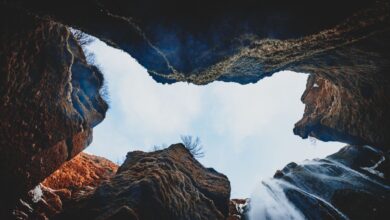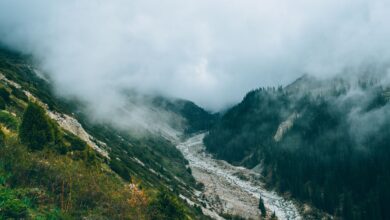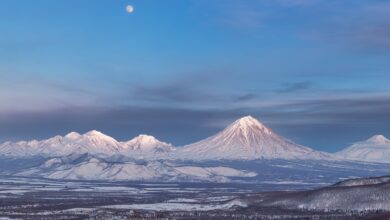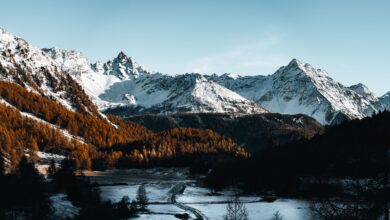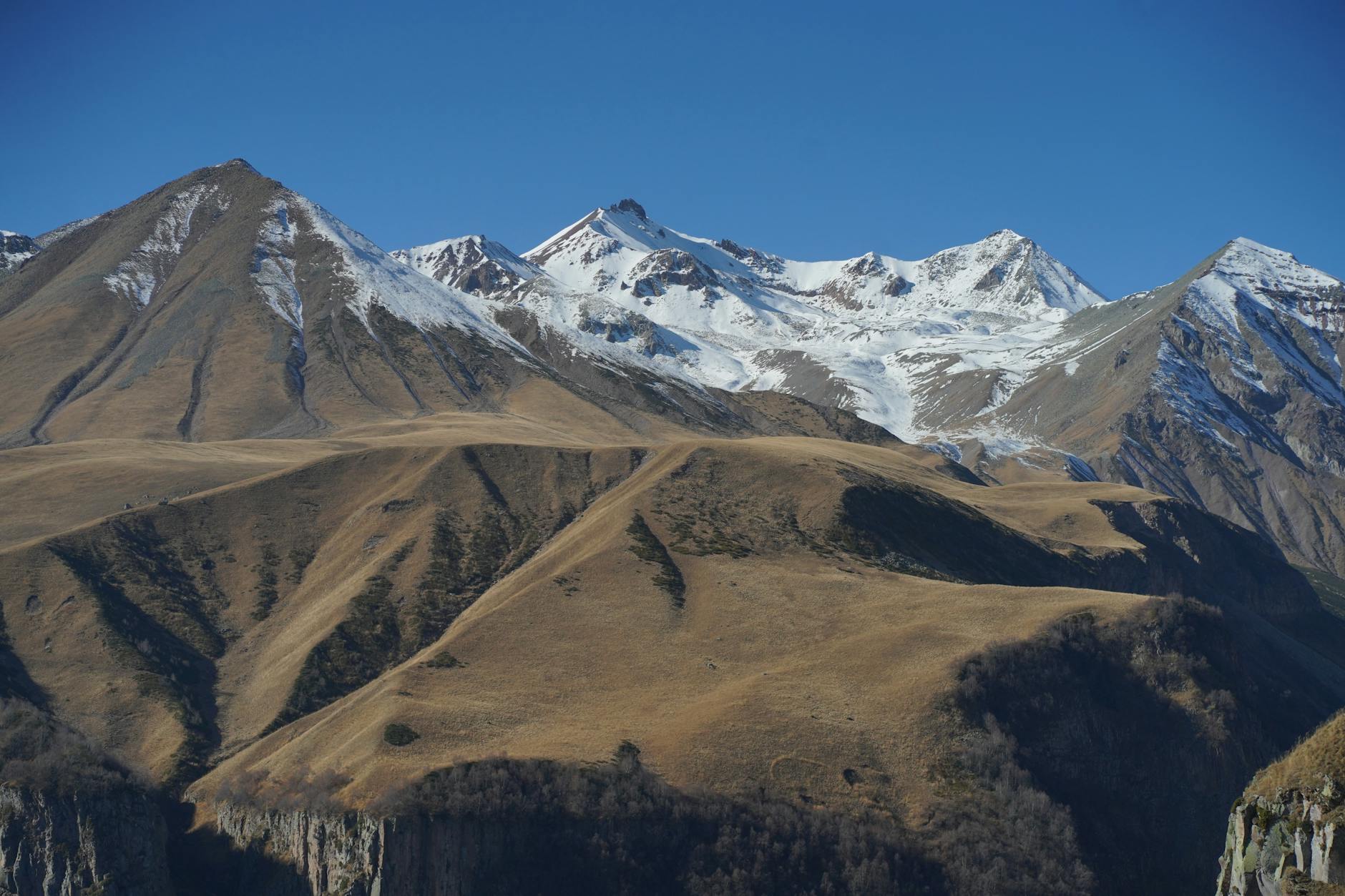

Tucked into the Greater Caucasus mountain range in northwestern Georgia, the Svaneti region is drawing serious trekkers who have grown tired of crowded alpine circuits. Stone towers, glacial valleys, and trails that see a fraction of the foot traffic found in the Alps or Nepal are pulling a new wave of adventure travelers toward one of Europe’s least-visited highland territories.
A Region Built for Serious Trekkers
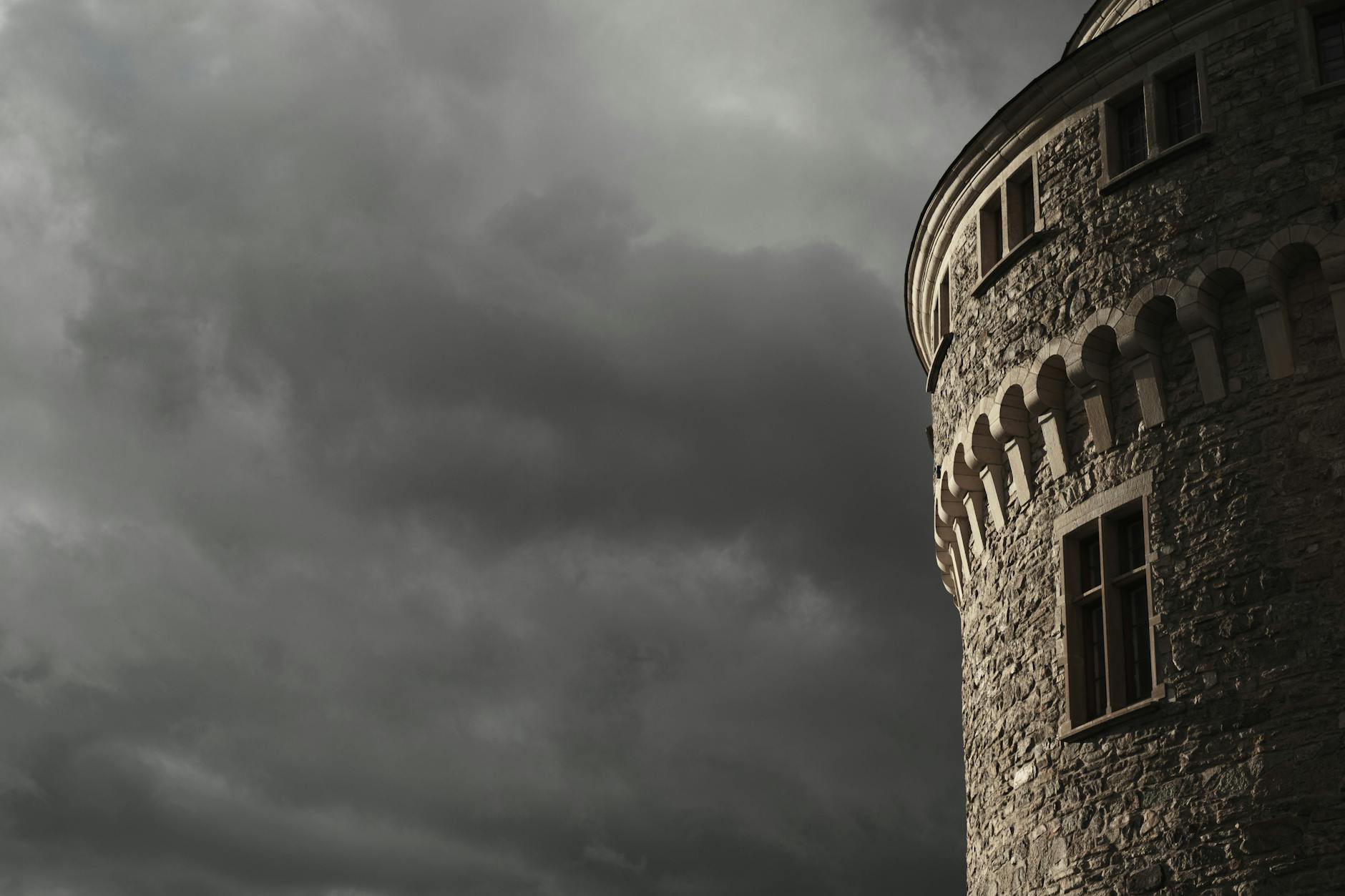
Svaneti sits at elevations that regularly exceed 2,000 meters, with several popular routes pushing well above 3,000. The landscape is defined by medieval Svan towers – stone defensive structures that have stood for nearly a thousand years – rising above villages that still function much as they did generations ago. The combination of cultural depth and raw alpine terrain is rare, and trekkers are starting to notice.
The classic route through the region is the Mestia to Ushguli trek, a four-to-five day journey that connects two of Svaneti’s most significant settlements through high passes, river crossings, and sweeping views of Mount Ushba and the Shkara massif. Ushguli itself holds the distinction of being among the highest continuously inhabited villages in Europe, sitting above 2,200 meters year-round. The trail is challenging but accessible to fit hikers with solid mountain experience, and it requires no technical climbing equipment.
Beyond the flagship route, a growing network of lesser-known paths branches out from the main Enguri valley. The Koruldi Lakes trail above Mestia offers a punishing day hike with panoramic Caucasus views. The Chalaadi Glacier walk is shorter but takes hikers directly onto the moraine of an active glacier. And for those willing to cross into the adjacent Racha region, multi-week wilderness circuits exist that see almost no organized tourism at all.
Guesthouses run by local Svan families form the backbone of the accommodation network. Meals tend to be heavy and generous – khachapuri, kubdari (a spiced meat bread specific to Svaneti), and homemade chacha, the region’s potent grape spirit. The hospitality is genuine and unhurried, partly because the infrastructure hasn’t yet been shaped by mass tourism expectations.
Why Svaneti Is Gaining Momentum Now
Georgia as a whole has seen steady growth in international arrivals over the past several years, with Tbilisi establishing itself as a well-known city break destination. That visibility has had a downstream effect – travelers who come for the capital increasingly venture beyond it, and Svaneti has become a natural extension of the Georgian itinerary for those with more time and appetite for the outdoors.
Access has improved meaningfully. Flights to Mestia’s small airport from Tbilisi cut what was once a grueling ten-hour marshrutka ride to a twenty-minute hop, though the mountain weather means delays and cancellations are common. The road through the Enguri gorge has been upgraded in sections, making the overland route from Zugdidi more manageable than it was a decade ago. These are incremental improvements, not overhauls, and the journey still requires patience – which, for many trekkers, is part of the appeal.
The trekking season runs roughly from late May through early October, with July and August being the most crowded months by local standards. Even at peak season, the trails feel quiet compared to well-worn routes in the Dolomites or the Annapurna Circuit. Off-season trekking in September and early October brings cooler temperatures, golden larches, and almost no other hikers on the trail – conditions that experienced mountain travelers tend to seek out specifically.
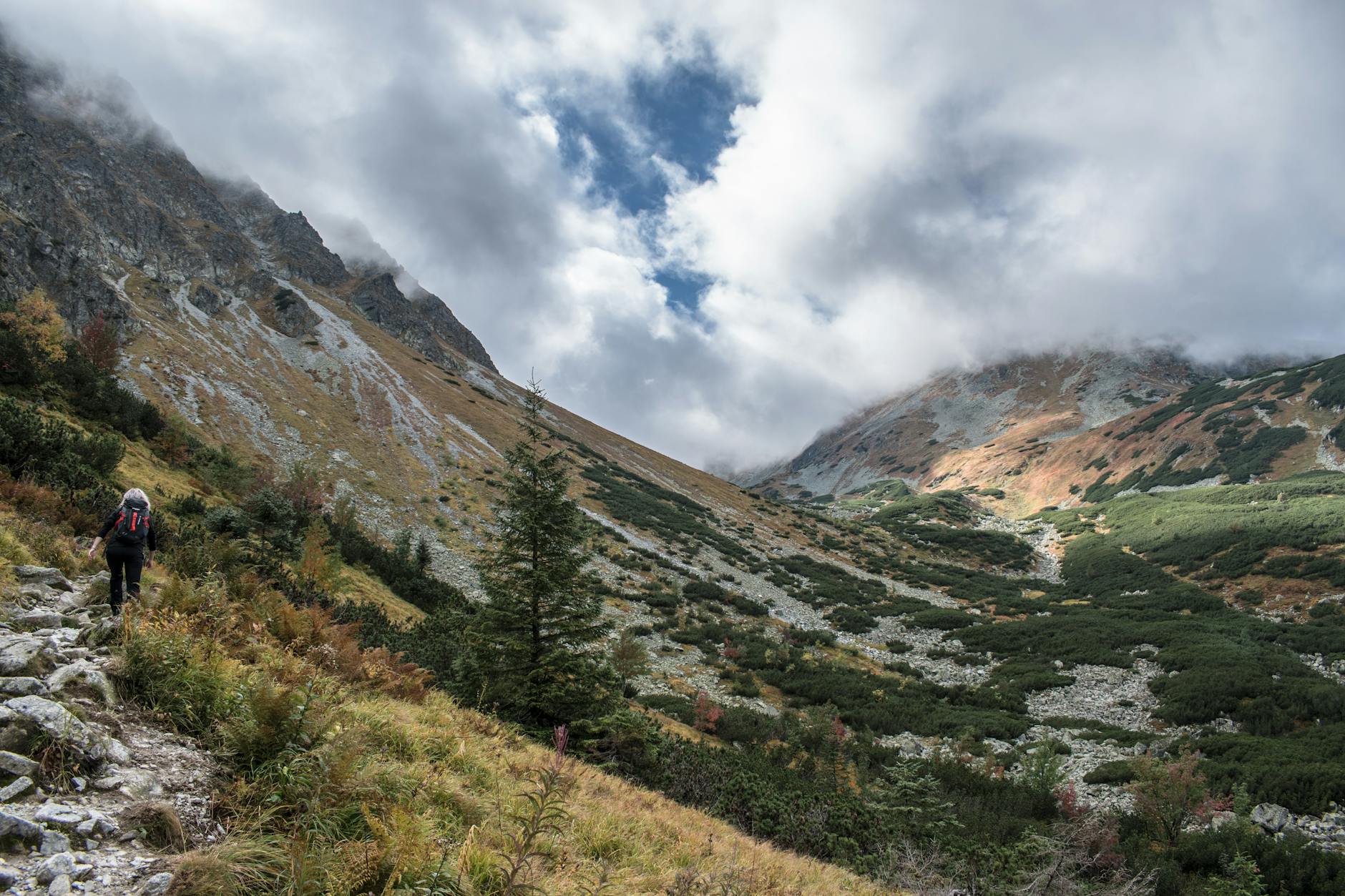
A growing number of small-group operators, based both in Tbilisi and in Western Europe, now offer guided Svaneti itineraries. These range from straightforward supported treks with porter arrangements to more demanding multi-week expeditions targeting remote passes near the Russian border. The guided market is still thin compared to more established destinations, which keeps prices relatively low and group sizes small – typically capped at eight to twelve people.
What Svaneti offers that few comparable destinations can match is the sense that the landscape hasn’t been organized around tourism yet. There are no souvenir corridors in Mestia’s center, no queuing systems at trailheads, no laminated menus in three languages at every guesthouse. For travelers who have walked the Tour du Mont Blanc or trekked to Everest Base Camp and found those routes almost suburban in their infrastructure, Svaneti represents something genuinely different. The friction is real, but so is the reward.
Practical Realities Before You Go
Georgia is visa-free for citizens of most Western countries, and the Georgian lari remains a favorable currency for European and North American travelers. Mobile data coverage drops off quickly outside of Mestia, and mountain rescue infrastructure, while improving, is not at the standard of the Alps. Trekkers should carry comprehensive travel insurance with helicopter evacuation coverage – the terrain is serious, and emergencies in the backcountry require proper planning.
Weather in the Caucasus changes fast. Afternoon thunderstorms are common in summer, and passes that were clear at dawn can be whited out by midday. Anyone venturing beyond the main Mestia-Ushguli corridor should carry a paper map and compass – the trails are marked, but not with the consistency you’d expect in more developed trekking regions. That inconsistency is one reason Svaneti rewards experienced hikers and challenges casual walkers, and it’s also the precise reason the region hasn’t been overrun yet.
Frequently Asked Questions
When is the best time to trek in Svaneti, Georgia?
Late May through early October is the main trekking season. September offers cooler temperatures, autumn colors, and the fewest other hikers on the trail.
Do I need a visa to visit Georgia?
Citizens of most Western countries can enter Georgia visa-free. Check your country’s specific entry requirements before traveling.