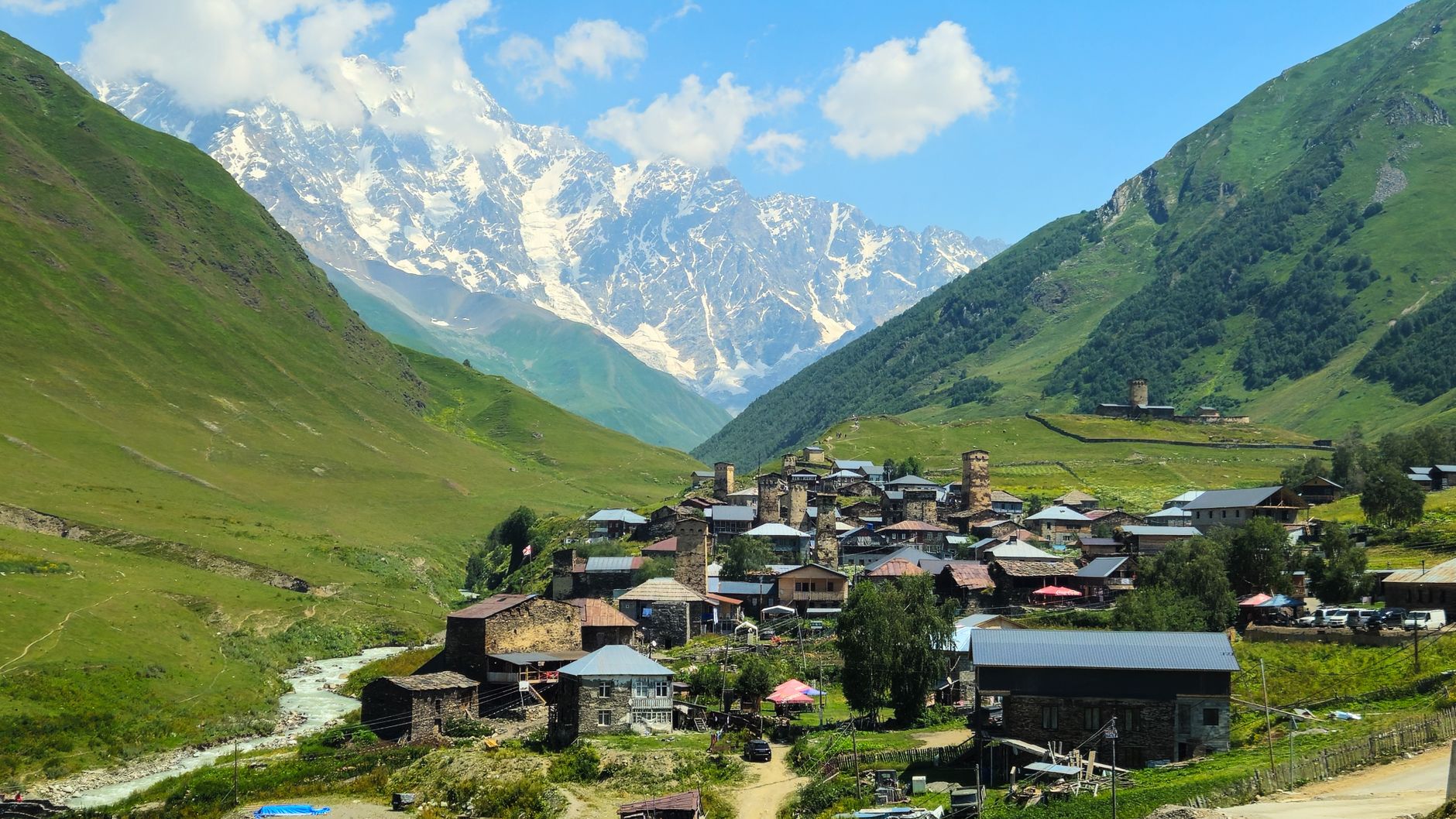

The Swiss Alps have spent decades collecting the world’s hiking traffic – the Instagram tags, the boutique mountain lodges, the branded gear shops at every trailhead. Meanwhile, a corner of the Caucasus mountains in northwestern Georgia has been quietly doing something more interesting: offering the same dramatic vertical terrain, medieval stone towers, and jaw-dropping glacier views, but without the lines, the prices, or the sense that everything around you has been carefully curated for tourist consumption.
A Region Built for People Who Actually Want to Be Alone on a Mountain
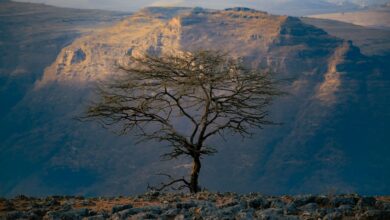
Svaneti sits at elevations that would make most European highland destinations feel modest by comparison. The region’s main hub, Mestia, hovers around 1,500 meters above sea level, and trails from there push into terrain that regularly exceeds 3,000 meters. The centerpiece of the skyline is Mount Ushba – a double-peaked giant that even experienced alpinists treat with serious respect. The mountain does not ease you in. It simply exists, enormous and indifferent, visible from town on clear mornings in a way that makes every other landscape you have ever called “dramatic” feel slightly overstated.
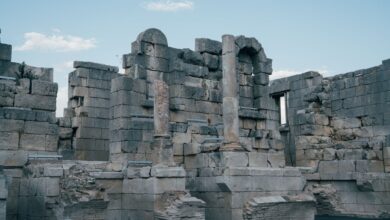
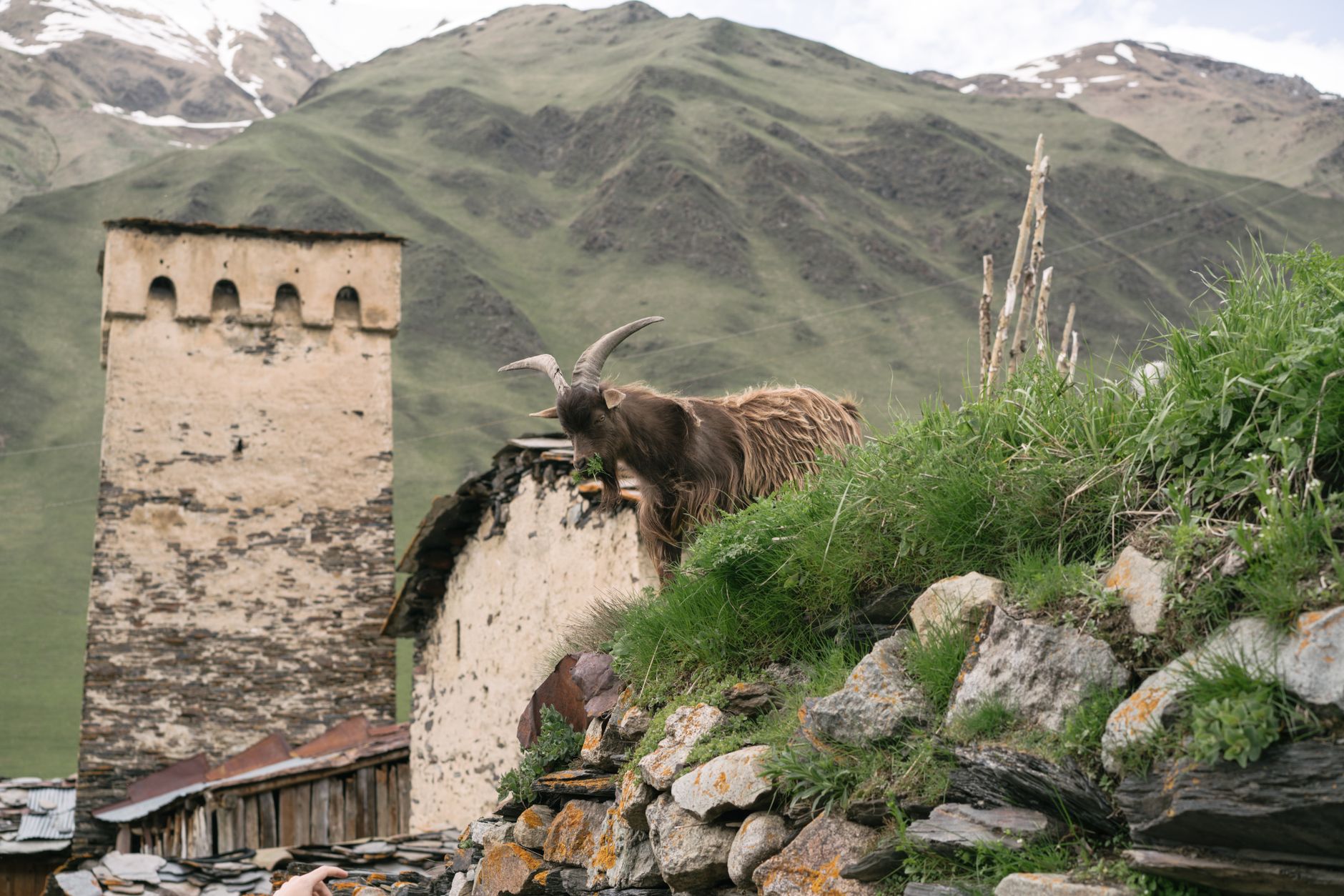
The Svaneti towers are the other thing that sets this region apart from any hiking destination in Western Europe. Built between the 9th and 13th centuries as both watchtowers and defensive family refuges, roughly 200 of them still stand across the region – many within walking distance of active guesthouses where you can sleep the night before. No other hiking region in the world pairs medieval military architecture with this caliber of alpine terrain. The effect of rounding a switchback to find a cluster of stone towers framed against a glacier is genuinely disorienting in the best possible way.
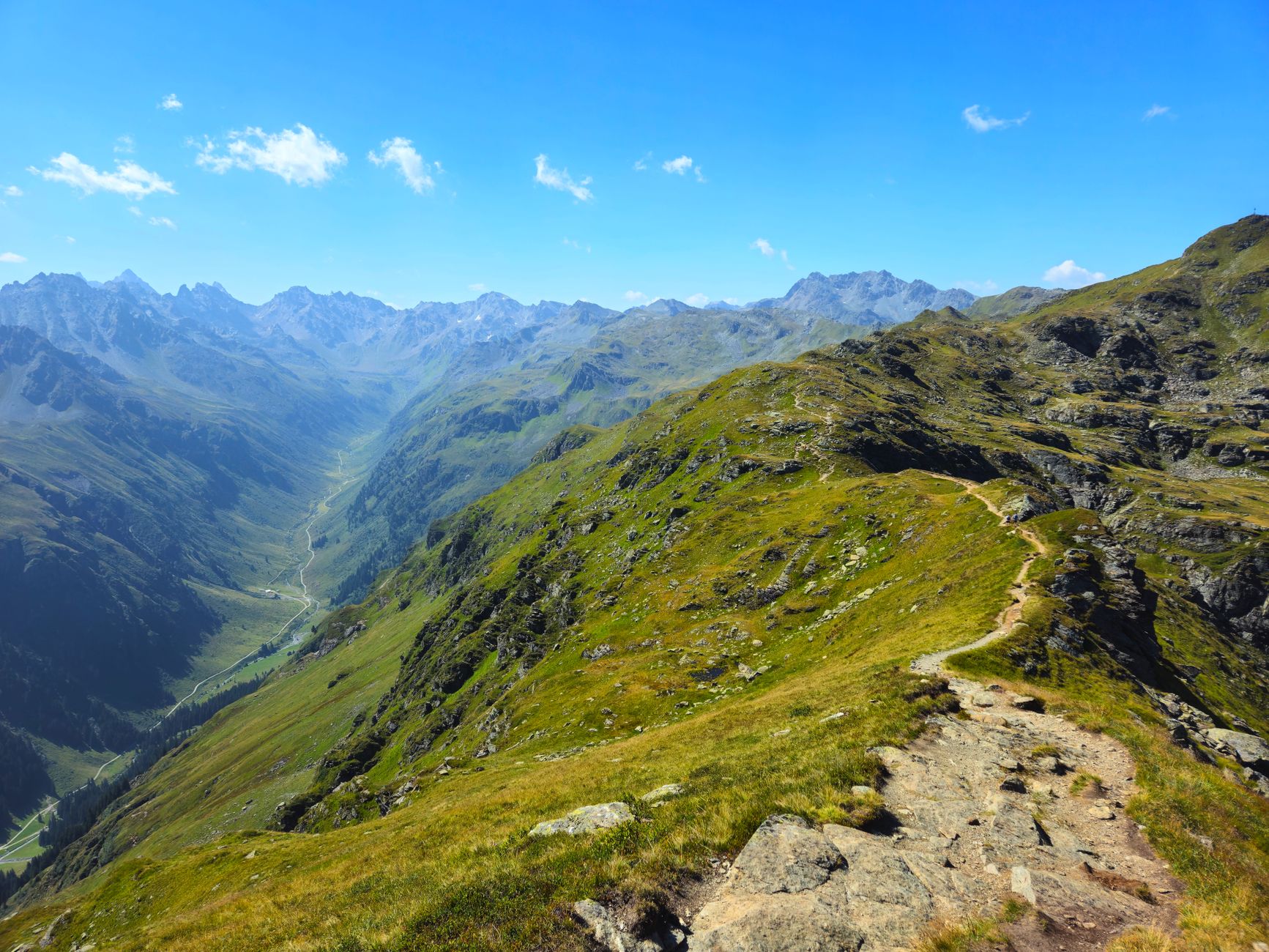
The most traveled multi-day route in the region is the Mestia to Ushguli trek, typically covered in three to four days across roughly 45 kilometers of trail. Ushguli itself, at the far end of the route, sits above 2,100 meters and holds a strong claim to being the highest continuously inhabited village in Europe. The trail passes through pastures shared with cattle, over rocky ridgelines, and along river valleys that have the kind of unfiltered wildness that takes most European hiking destinations years of trail rehabilitation to accidentally re-create.
What the Swiss Alps do extremely well is infrastructure. There are huts every few hours, GPS-accurate signage, and an entire industry built around making alpine hiking comfortable and low-risk. Svaneti does not offer that same level of support – and for a particular kind of traveler, that is precisely the point. Trails can be poorly marked or entirely unsigned. Guesthouses in smaller villages operate on informal schedules. Weather in the high Caucasus shifts faster than most hiking apps can track. Bringing a competent guide is worth the cost, and the local guide networks centered in Mestia are genuinely experienced rather than commercially assembled.
The Practical Mechanics of Getting There and Staying Comfortable
Getting to Svaneti requires accepting that the journey is part of the experience. From Tbilisi, travelers can fly to Mestia on a small regional aircraft – a route that operates seasonally and offers views of the entire Caucasus range on approach – or take a marshrutka minibus that winds through mountain roads for six to eight hours. The road option, while exhausting, passes through landscapes that make the time feel earned rather than wasted. Neither option involves a sleek train connection or a private transfer service waiting at a terminal.
Accommodation in Mestia has improved considerably over the past decade. Family-run guesthouses remain the dominant option, and the standard experience involves a host household feeding you three times a day with food that is overwhelmingly local – churchkhela (walnut-stuffed grape must candy), kubdari (meat-filled flatbread specific to Svan cuisine), and whatever has come out of the garden that week. Prices at this level of comfort run a fraction of what a mid-range mountain hotel in Zermatt or Grindelwald would charge for a single night.
Beyond Mestia, accommodation thins out quickly. Ushguli has a small number of guesthouses and has seen steady growth in visitors over the past few years, but it remains far from overrun. Villages along the Mestia-Ushguli route offer sporadic overnight options, and planning around their availability requires flexibility or a guide who knows which families take guests. Camping is possible and in some stretches preferable, though altitude and temperature drops at night make lightweight gear a poor choice.
The hiking season runs roughly from June through September, with July and August offering the most stable weather and the highest likelihood of clear views toward the high peaks. Late June often still carries snowpack on the upper sections of more ambitious routes. September brings colder nights and occasional early-season snowfall, but also significantly fewer other hikers on trail – the tradeoff that serious hikers tend to choose when given the option.
One thing worth accounting for before arrival: Svaneti operates on Svan cultural rhythms that are distinct from the rest of Georgia. The Svan people have their own language, their own calendar of festivals, and a long tradition of fierce independence from outside administrative pressure. Travelers who approach the region with curiosity rather than expectation – who ask questions, linger at guesthouses, and accept invitations – tend to leave with something that no branded alpine destination could manufacture: an actual relationship with a place.
What Switzerland Charges Extra For, Svaneti Still Gives Away
The Swiss Alps experience, at its best, delivers precision. Every logistic is resolved before you arrive. The trail surfaces are maintained, the huts are bookable online, and the scenery has been photographed so thoroughly that you often feel you are walking through an image you already know. There is real value in that – especially for first-time alpine hikers or those traveling with children or mobility considerations. But for travelers who have already done Zermatt, already walked the Tour du Mont Blanc, and are looking for terrain that still requires some problem-solving, Svaneti offers something Switzerland cannot easily replicate: genuine uncertainty about what is around the next ridge.
Travelers familiar with the under-the-radar logic that draws hikers to Serbia’s Tara National Park over Slovenia’s better-known canyon routes will recognize the pattern at work in Svaneti. The less-known option is not lesser – it is simply further from the machinery of mass tourism, which means the experience it delivers is harder to replicate and slower to dilute. The towers of Svaneti have stood for a thousand years. They will still be standing long after the algorithm stops recommending Mestia to someone who searched “hiking in Europe” for the first time.