
The City That Slow Travelers Keep Finding by Accident
Lisbon has spent the better half of a decade collecting accolades – affordable wine, walkable neighborhoods, golden-hour light that photographers chase obsessively. But a quieter city has been drawing the same kind of traveler without any of the marketing machinery. Tbilisi, the capital of Georgia tucked between the Greater Caucasus and the border with Turkey, keeps appearing in the itineraries of people who describe themselves as tired of “the usual European circuit.” They arrive skeptical. Most stay longer than planned.
Slow travel – the practice of staying weeks rather than days, eating where locals eat, and resisting the monument checklist – suits Tbilisi in a way that few cities manage without forcing it. The city is not trying to be discovered. That indifference, paradoxically, is exactly what makes it work.
What Tbilisi Actually Looks Like on the Ground
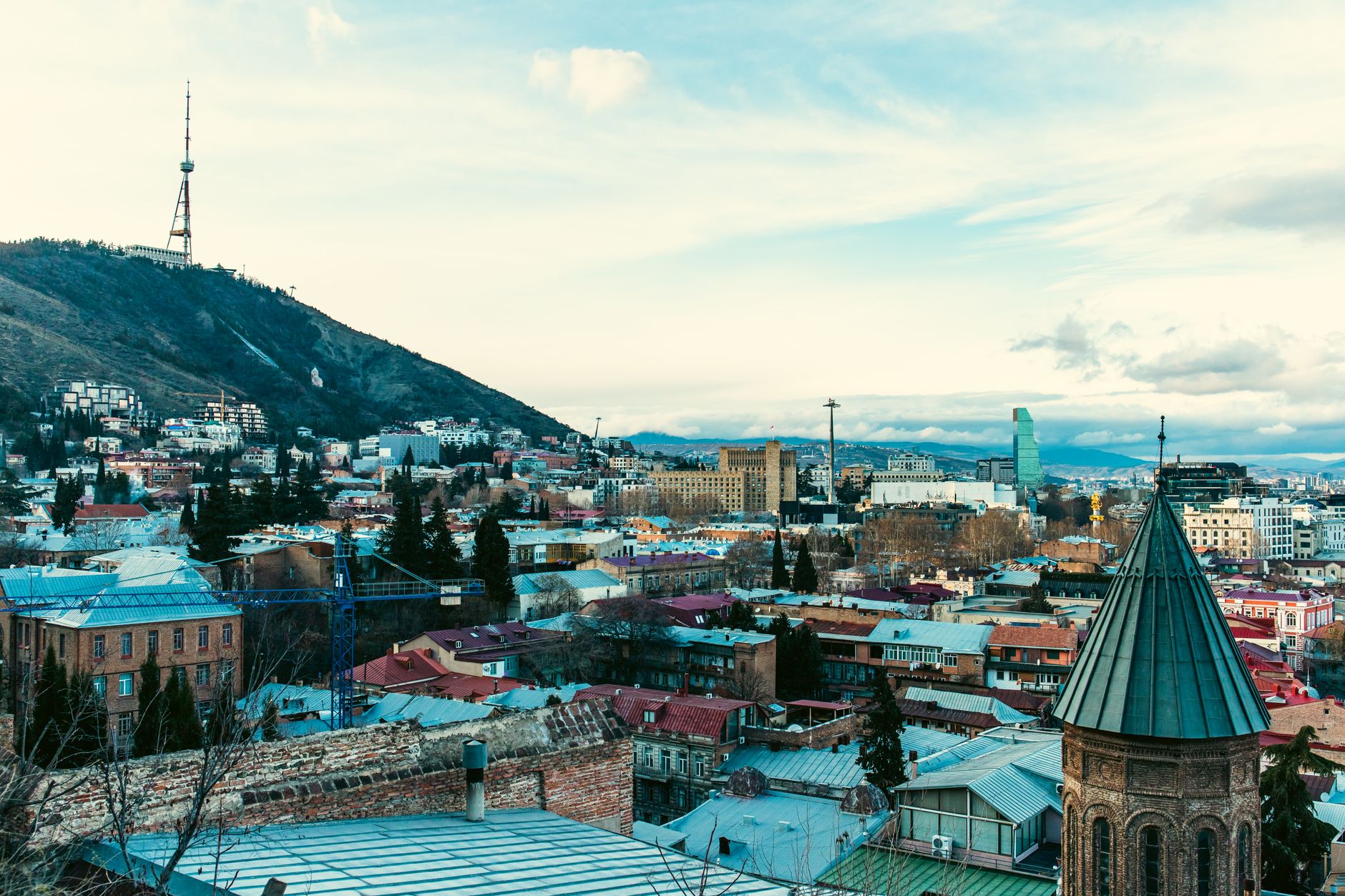
The Old Town district of Abanotubani sits above a cluster of natural sulfur baths that have operated continuously for centuries. The smell hits you before you see the domed rooftops – faintly eggy, distinctly mineral, oddly comforting after the first encounter. A bath session in one of the private cabins costs a fraction of what a spa afternoon would run in Porto or Cascais, and the experience carries none of the curated wellness branding that has attached itself to European thermal culture.
The Marjanishvili and Vera neighborhoods are where Tbilisi’s version of the Lisbon slow-travel experience actually lives. Wide balconied apartment buildings in various states of elegant decay line streets where small wine bars open late and close whenever the last conversation winds down. The architecture is a collision of Ottoman, Soviet, and Persian influences that somehow produces something cohesive – peeling paint and iron lacework framing courtyard gardens that locals treat as semi-public living rooms.
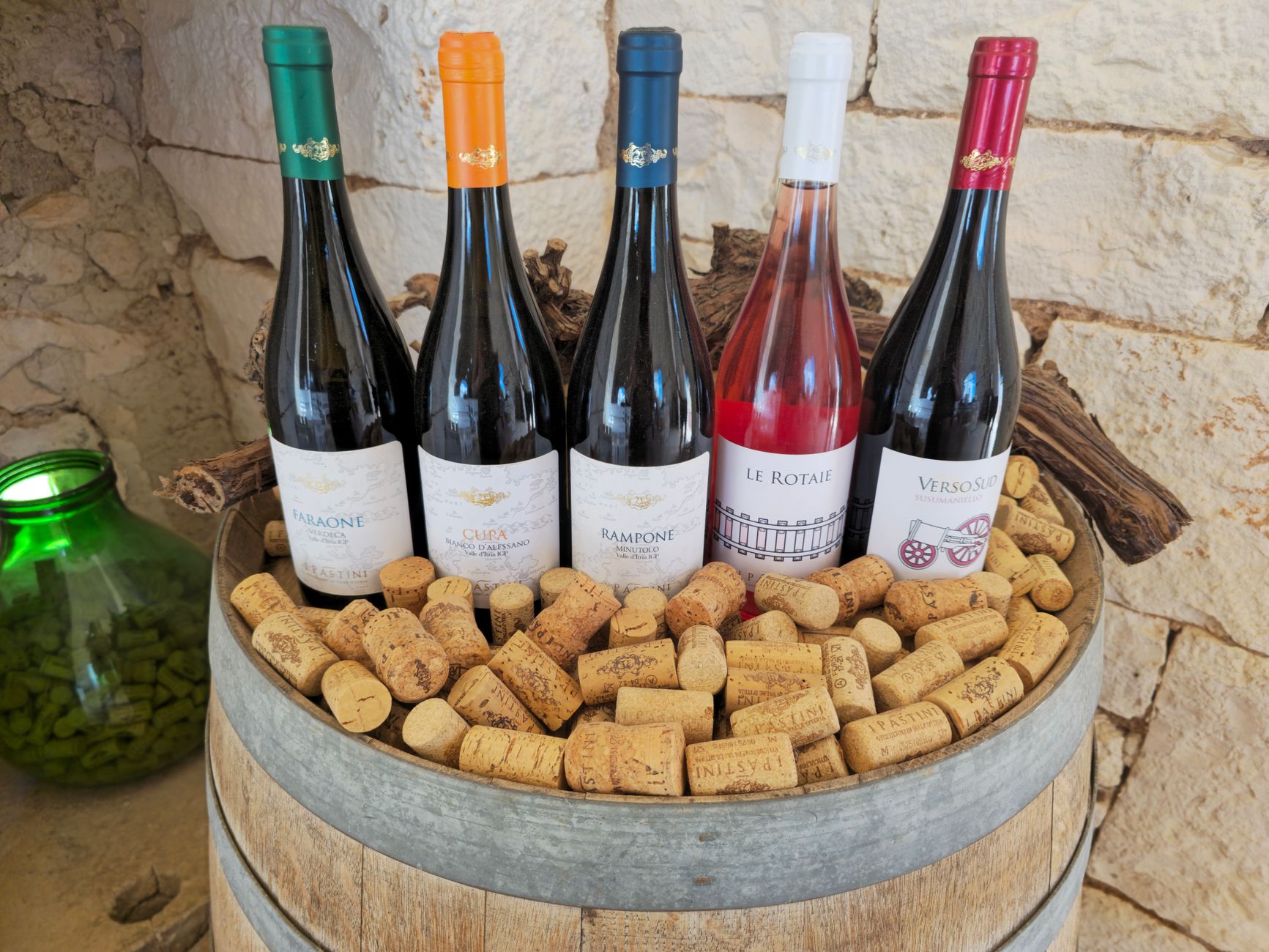
Wine is not a side attraction here – it is a throughline. Georgia is widely credited as the origin of winemaking, and the amber-colored skin-contact wines fermented in clay qvevri vessels have developed a serious following among natural wine circles in Europe and North America. A growing number of small producers have opened tasting rooms in Tbilisi itself, making it possible to spend an afternoon moving between wine bars without leaving a single walkable neighborhood. The comparison to Lisbon’s natural wine scene is direct and honest – except the price per glass in Tbilisi is typically less than half.
The Lisbon Parallel – Where It Holds and Where It Breaks
The comparisons to Lisbon are structural, not cosmetic. Both cities are built on hills, which creates neighborhoods that feel self-contained even within a capital. Both have older historic cores surrounded by areas that absorbed 20th-century expansion awkwardly, leaving pockets of genuine character between the less interesting parts. Both have become entry points for a specific kind of traveler who wants to rent an apartment for a month, work remotely, and build a routine around coffee in the morning and long dinners at night.
Where Tbilisi breaks from the Lisbon template is cost and crowd density. Lisbon’s slow-travel identity has been complicated by its own popularity – apartment rental prices in central neighborhoods have risen sharply, and the Alfama district now operates with a visible tourist layer that locals navigate around rather than through. Tbilisi has not reached that inflection point. The infrastructure for slow travelers exists – good coffee, reliable internet, interesting food, walkable streets – but it has not yet been priced or crowded into something performative.
The Food Argument Is Its Own Case
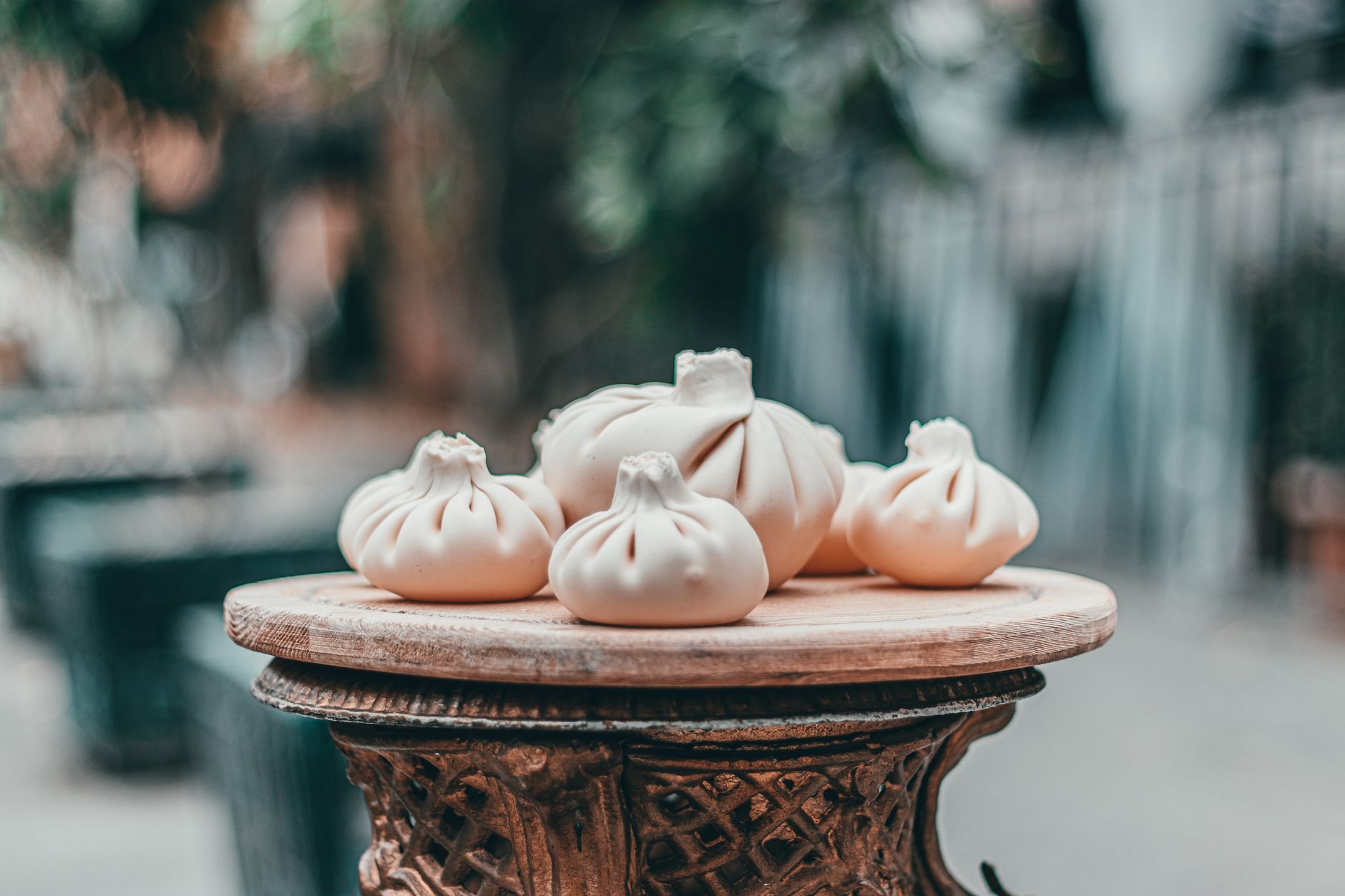
Georgian cuisine does not have a global celebrity ambassador, a Netflix documentary series, or an established diaspora restaurant scene in most Western cities. What it has is a set of dishes that reward the kind of unhurried eating that slow travelers claim to be after. Khinkali – large soup dumplings folded with spiced meat or mushrooms – require technique to eat correctly and time to enjoy properly. Churchkhela, walnut strings dipped in grape must and dried, sold from street stalls, is the kind of snack that only makes sense once you understand how old the recipe is. The food culture is generous in portions and unapologetic in richness.
The restaurant scene in Tbilisi runs on a logic that suits slow travel instinctively. Most places worth eating at are small, require no reservations, and seat guests for as long as they want to stay. The Georgian tradition of the supra – a long, multi-course feast organized around toasts and conversation – means that even a casual dinner invitation from a local contact can turn into a four-hour event. This is not a dining style that accommodates people trying to see three things after dessert.
A note on logistics that matters: Georgia offers visa-free access to citizens of most European, American, and many Asian countries, with stays of up to a year permitted for some nationalities. The cost of accommodation in Tbilisi remains low enough that a well-located apartment in a character neighborhood costs significantly less per month than a comparable Lisbon rental. Flights from major European hubs typically connect through Istanbul or Vienna, with journey times manageable enough to not require the multi-day commitment that draws some travelers to more remote slow-travel destinations.
The city’s single real limitation for slow travelers is language. Georgian script – Mkhedruli – is entirely unique and offers no visual footholds for anyone arriving from a Latin or Cyrillic alphabet background. Menus in neighborhood restaurants outside the central tourist circuit will be entirely in Georgian, and street signage follows the same rule. Younger Georgians in Tbilisi often speak English or Russian, but the daily navigational friction is real in a way that Lisbon, with its Latin-adjacent Portuguese, is not. Some slow travelers find this friction part of the appeal. Others find it genuinely tiring after week three. The honest answer is that it depends entirely on how committed a traveler is to the idea that difficulty is not the same thing as inaccessibility.