Greece’s Zagori Villages Quietly Rival Santorini for Stone Bridge Wanderers

Where the Crowds Aren’t
Santorini gets the postcards, the honeymoon packages, and the Instagram reels shot from infinity pools at golden hour. Greece’s most photographed island has built an entire economy around a single aesthetic – white walls, blue domes, caldera views – and it delivers that aesthetic with precision. But somewhere in the country’s northwest, tucked into the folds of the Pindus mountain range, a region called Zagori has spent centuries building its own kind of beauty, with almost no interest in being discovered.
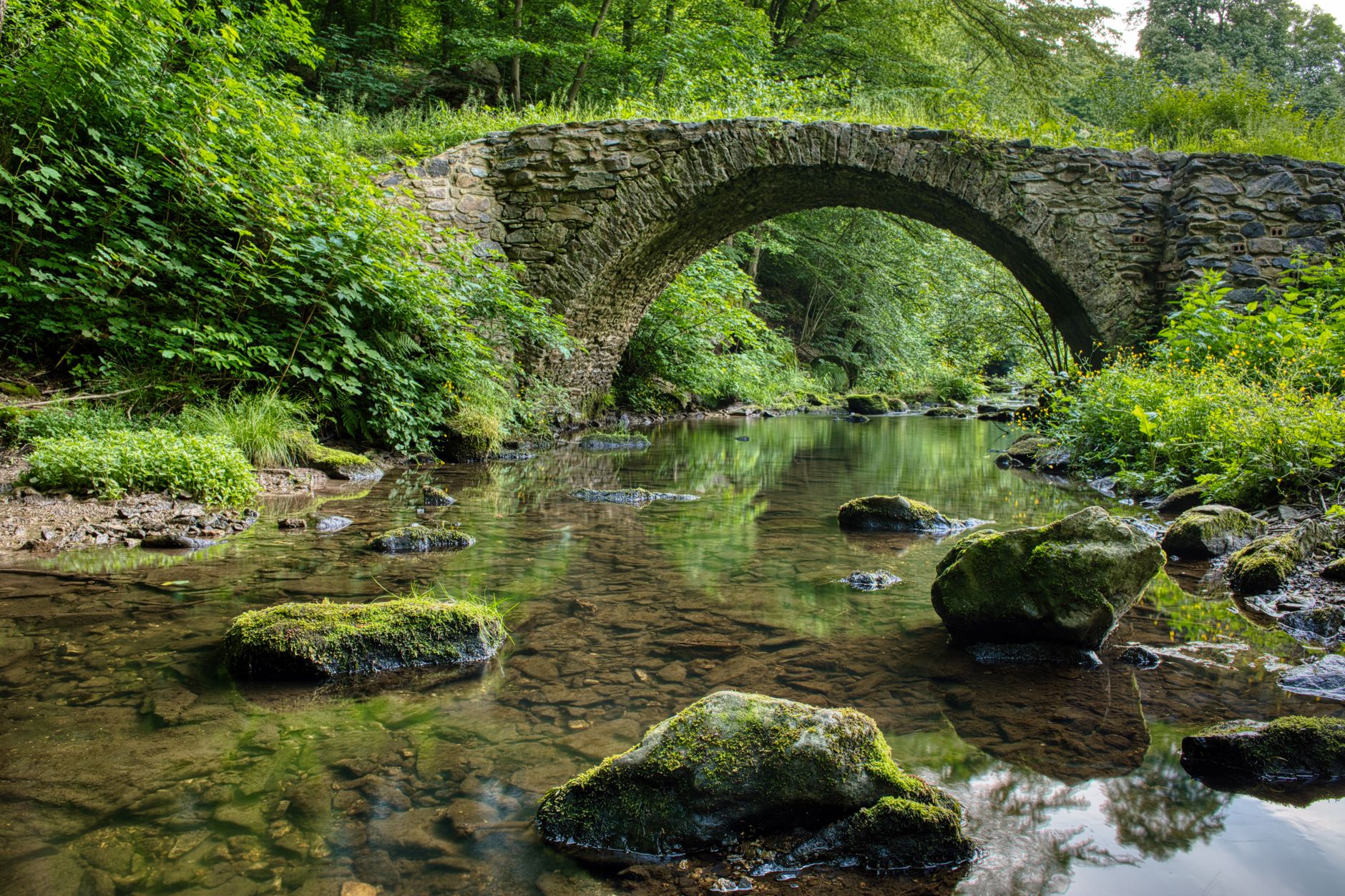
The Zagori region covers roughly 1,000 square kilometers of rugged terrain in the Epirus district, encompassing around 46 traditional villages collectively known as the Zagorochoria. What connects them – literally and figuratively – are the arched stone bridges scattered throughout the valleys, some dating to the 17th and 18th centuries, handbuilt by craftsmen whose techniques were passed down through generations. No filters required.
A Landscape That Works on Its Own Terms
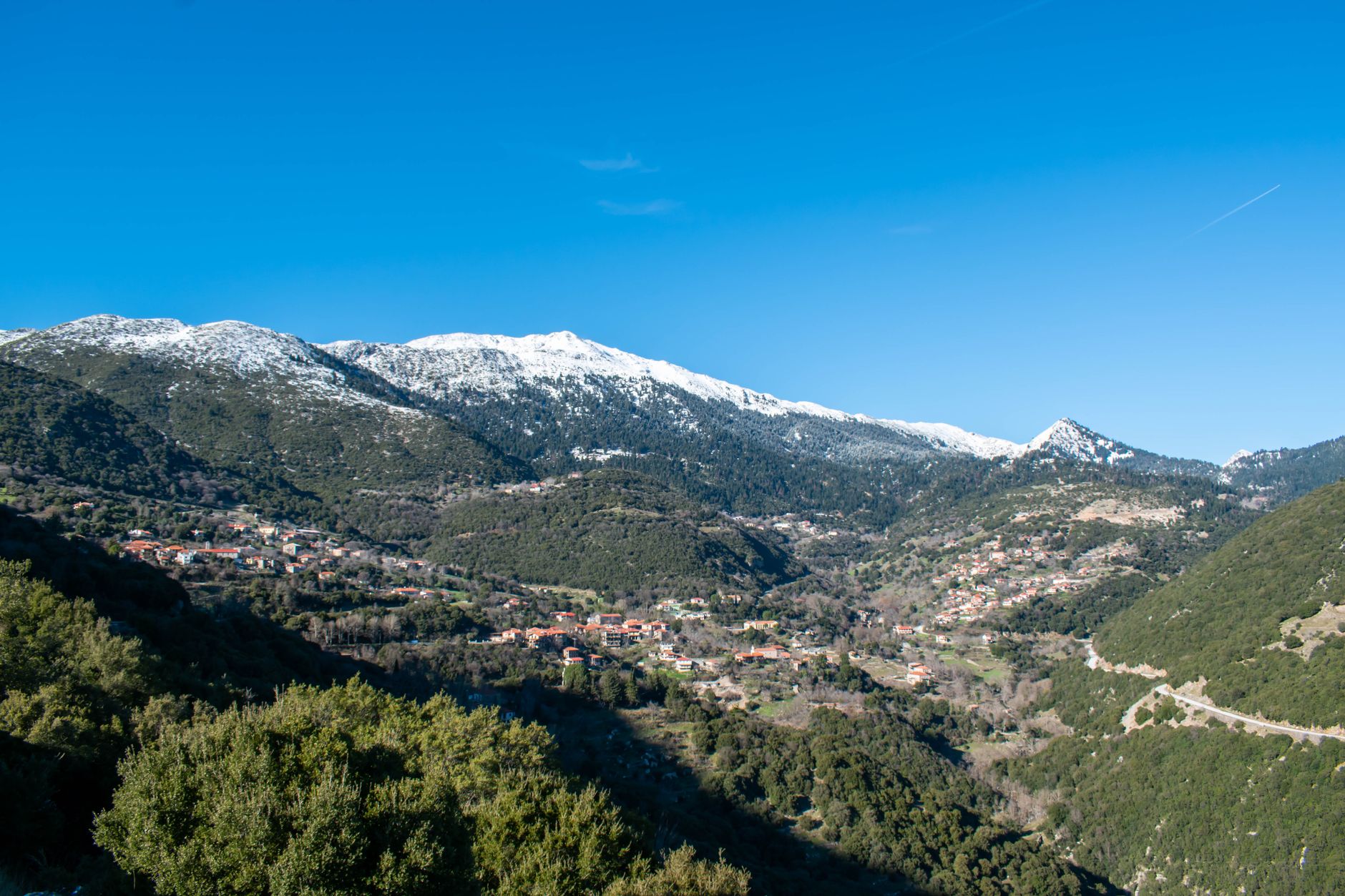
The villages themselves are architectural anomalies. Built from local grey limestone, they look as though they grew out of the hillside rather than being placed on it. Narrow cobblestone lanes cut between high stone walls, opening occasionally into small squares anchored by a church or a fountain. The buildings have a density and permanence that feels different from the sun-bleached openness of the Aegean islands – more serious, more weathered, more likely to outlast everyone currently walking through it.
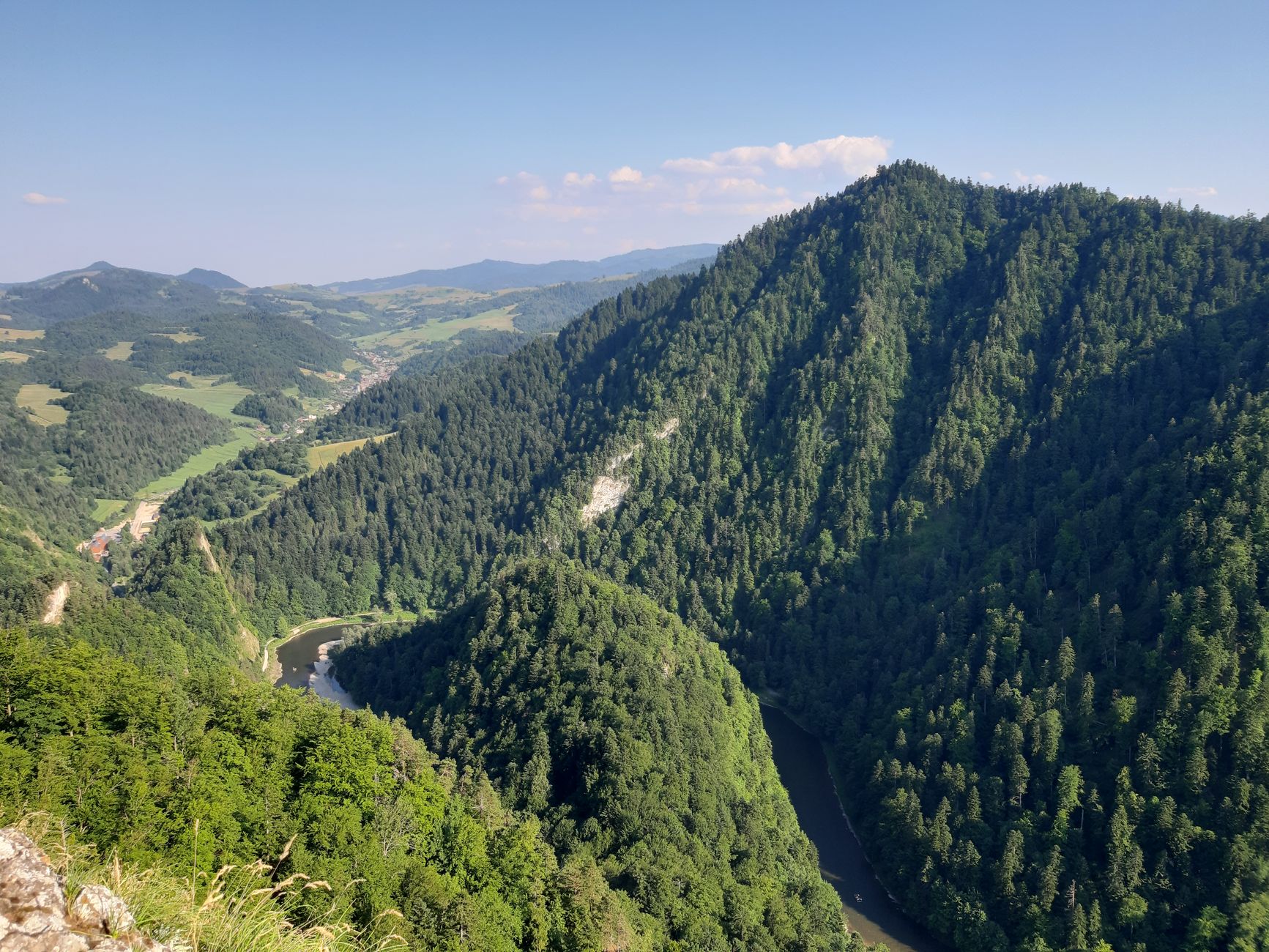
Vikos Gorge runs through the heart of the region and holds the distinction of being among the deepest gorges in the world relative to its width, with walls dropping over 900 meters in places. The Voidomatis River runs cold and startlingly clear at the bottom, and hiking the gorge floor is one of those experiences that resets your sense of scale. Most visitors come for a day hike and find themselves rearranging their itinerary.
The stone bridges are the region’s most photographed feature, though photography barely captures why they matter. The Kokkori bridge, the Kalogeriko triple-arched bridge at Kipi, and dozens of smaller crossings were built without mortar, relying entirely on the geometry of their construction to stay standing. That they have stood for centuries under mountain weather, floods, and the general indifference of time is either a testament to the builders or to the mountains themselves, depending on who you ask.
Getting There Requires Actual Effort
Zagori does not reward passive travel. The nearest major city is Ioannina, which has an airport with connections to Athens, and from there the drive into the villages takes about an hour on roads that climb sharply and narrow without warning. There is no rail access, limited bus service to the outer villages, and the road signage ranges from helpful to absent. A rental car is not optional – it is the entire strategy.
This friction is, for a certain kind of traveler, the point. The region draws hikers, slow travelers, photographers, and people who have already done Mykonos and Santorini and want something that asks more of them. The guesthouses tend to be small, family-run operations with fireplaces and breakfasts that run long. Few have websites with booking systems. Some still require a phone call in Greek.
What Zagori Actually Offers Versus What Santorini Sells
Santorini operates on spectacle – the view, the sunset, the feeling of having arrived somewhere worth arriving. It delivers this consistently, and the infrastructure around it is sophisticated. Zagori operates on accumulation. A single stone bridge is interesting. A morning spent walking between three villages, crossing five bridges, watching the light shift through beech forest, stopping at a spring because the water is genuinely cold and clean – that is something else. The experience builds rather than peaks.
The food culture also diverges sharply. Epirus has its own culinary identity, built around dairy, game, and mountain greens – dishes like kontosouvli (slow-roasted pork), cheese pies cooked in wood-fired ovens, and trout pulled from the Voidomatis. The cuisine is not designed for Instagram. It is heavy, seasonal, and served in quantities that assume you have been walking since early morning. Most of the time, if you are doing Zagori correctly, you have.
Accommodation pricing reflects the region’s lower profile. A stay at a well-appointed stone guesthouse in one of the central villages typically costs a fraction of a comparable room in Oia or Fira, and the rooms tend to be larger, quieter, and equipped with views that require no crane-mounted camera to appreciate. The trade-off is that the region essentially shuts down between November and April, when snow closes many of the mountain roads and the villages return to their actual residents.
There is a particular kind of traveler who spends time in places like Slovenia’s Soca Valley or the quieter corners of the Balkans and comes away feeling that the lack of crowds was not an accident but a filter – that the effort involved selected for the right kind of company. Zagori functions the same way. The villages are not undiscovered, but they are not overrun, and the distance between those two states is exactly how wide the road needs to be to keep most tour buses from bothering.
What remains unresolved is how long that balance holds. Greek tourism boards have taken increasing notice of Zagori as island saturation continues to drive visitors toward alternatives, and several international travel publications have started running features that treat the Zagorochoria as a discovery rather than an established circuit. The stone bridges will not move. The gorge will not change. But the guesthouses that still require a phone call in Greek may not stay that way much longer.
Frequently Asked Questions
How do you get to the Zagori villages in Greece?
Fly into Ioannina from Athens, then rent a car – it’s the only practical way to reach the villages, as public transport is limited and roads are narrow mountain routes.
What is the best time of year to visit Zagori?
Late spring (May-June) and early autumn (September-October) offer the best conditions – mild temperatures, clear trails, and open guesthouses before the winter road closures.
Are the Zagori stone bridges free to visit?
Yes, the historic stone bridges are open and free to access, scattered throughout the valley paths connecting the villages and easily reached on foot or by car.