Greenland’s Ilulissat Icefjord Quietly Emerges Beyond Arctic Cruise Routes

Where the Ice Speaks Before the Crowds Arrive
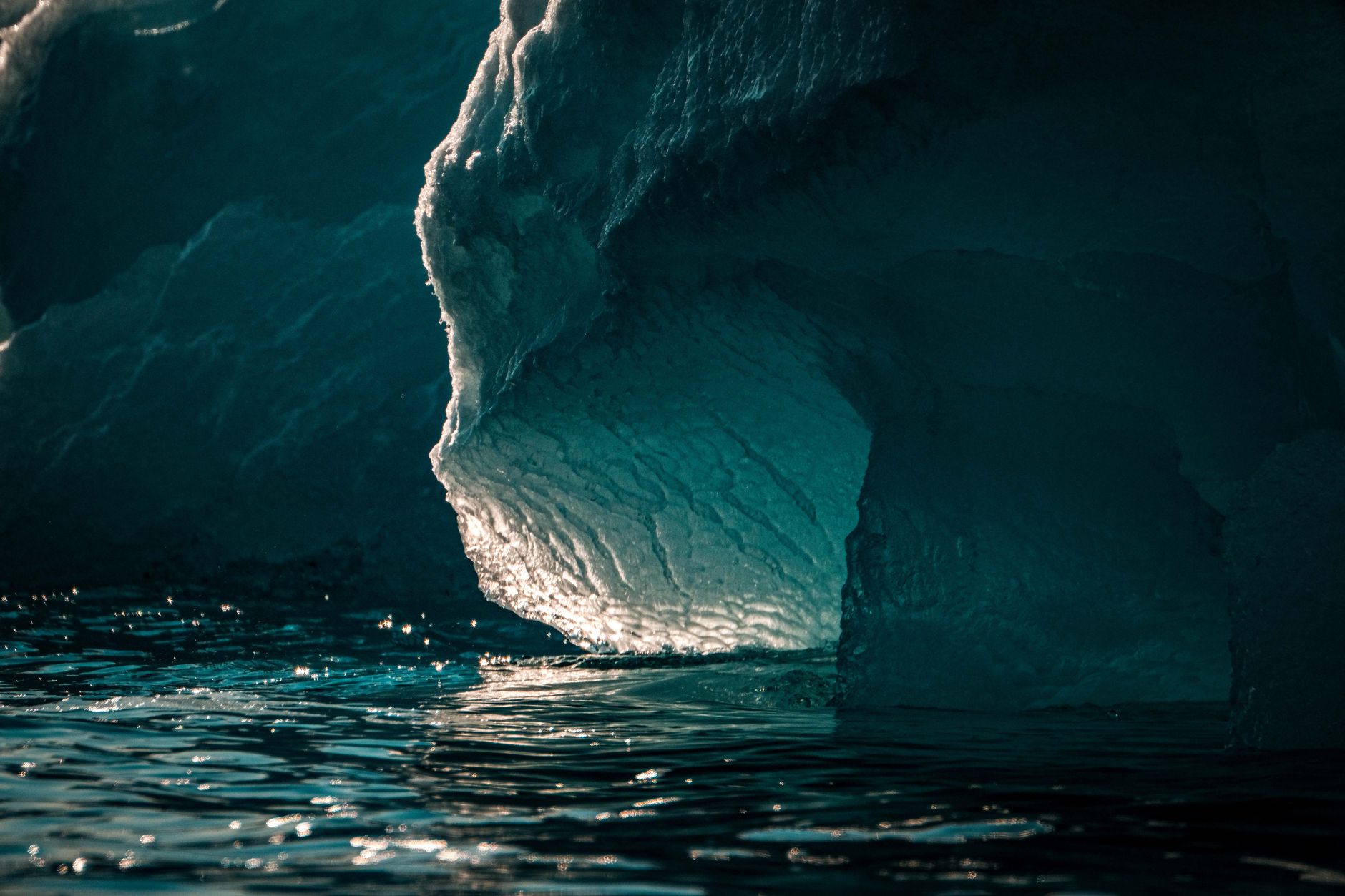
Ilulissat Icefjord sits on Greenland’s west coast, about 250 kilometers north of the Arctic Circle, and it produces more ice than almost any other glacier in the Northern Hemisphere outside Antarctica. The Sermeq Kujalleq glacier feeds it constantly, calving icebergs so massive they spend months grinding through the fjord before floating south into Disko Bay. This is not a destination that requires dramatic lighting or a perfect season to impress – the scale alone does that work.
For years, Ilulissat existed primarily as a port of call on Arctic expedition cruises, a stop between more logistically demanding destinations. That positioning kept it clean of the infrastructure overload that has reshaped Iceland and parts of Norway, but it also kept it underdiscovered by independent travelers. That balance is now shifting, slowly, and the window to experience it before the crowds properly arrive may be shorter than most people realize.
The Icefjord Itself: What You Are Actually Looking At
The fjord was designated a UNESCO World Heritage Site, a recognition tied directly to its scientific value as a natural record of climate and glacial movement. The ice that flows through it is ancient – some of it compressed over tens of thousands of years – and the sheer volume moving through the system at any given time creates a landscape that changes hour by hour. Standing at the observation platform above the fjord, travelers regularly describe a disorientation that photographs cannot prepare you for. The icebergs are not merely large; some rise 80 to 100 meters above the waterline, with multiples of that mass sitting below the surface.
The town of Ilulissat, population around 4,500, sits directly beside this spectacle. It is the third-largest settlement in Greenland, which gives you a sense of the country’s overall scale. The town has hotels, restaurants, and a small airport with connections to Nuuk and Kangerlussuaq, meaning it is genuinely reachable without joining an expedition vessel. That accessibility is recent in practical terms – the tourism infrastructure in Ilulissat has grown noticeably over the past decade, not to resort-town levels, but enough to support independent itineraries of four to seven days.
How Independent Travelers Are Reaching Ilulissat
Air Greenland operates the primary flight network connecting Ilulissat to the outside world, with service through Nuuk and Kangerlussuaq. From Kangerlussuaq, connections exist to Copenhagen, which means European travelers can reach Ilulissat in a single layover day. North American travelers typically route through Copenhagen or Reykjavik, adding a transatlantic leg. The flights are not cheap, and seat availability to smaller Greenlandic airports runs tight during peak summer weeks, so booking three to four months in advance is standard practice rather than a precaution.
Once in Ilulissat, the icefjord trail network is walkable without guides for travelers with basic hiking experience. The marked path along the southern rim of the fjord runs roughly six kilometers and delivers unobstructed views at multiple points. In summer, the trail is accessible nearly around the clock under the midnight sun, which means hikers frequently choose to walk it at 11 p.m. or 1 a.m. specifically to avoid the modest but noticeable daytime foot traffic from cruise passengers.
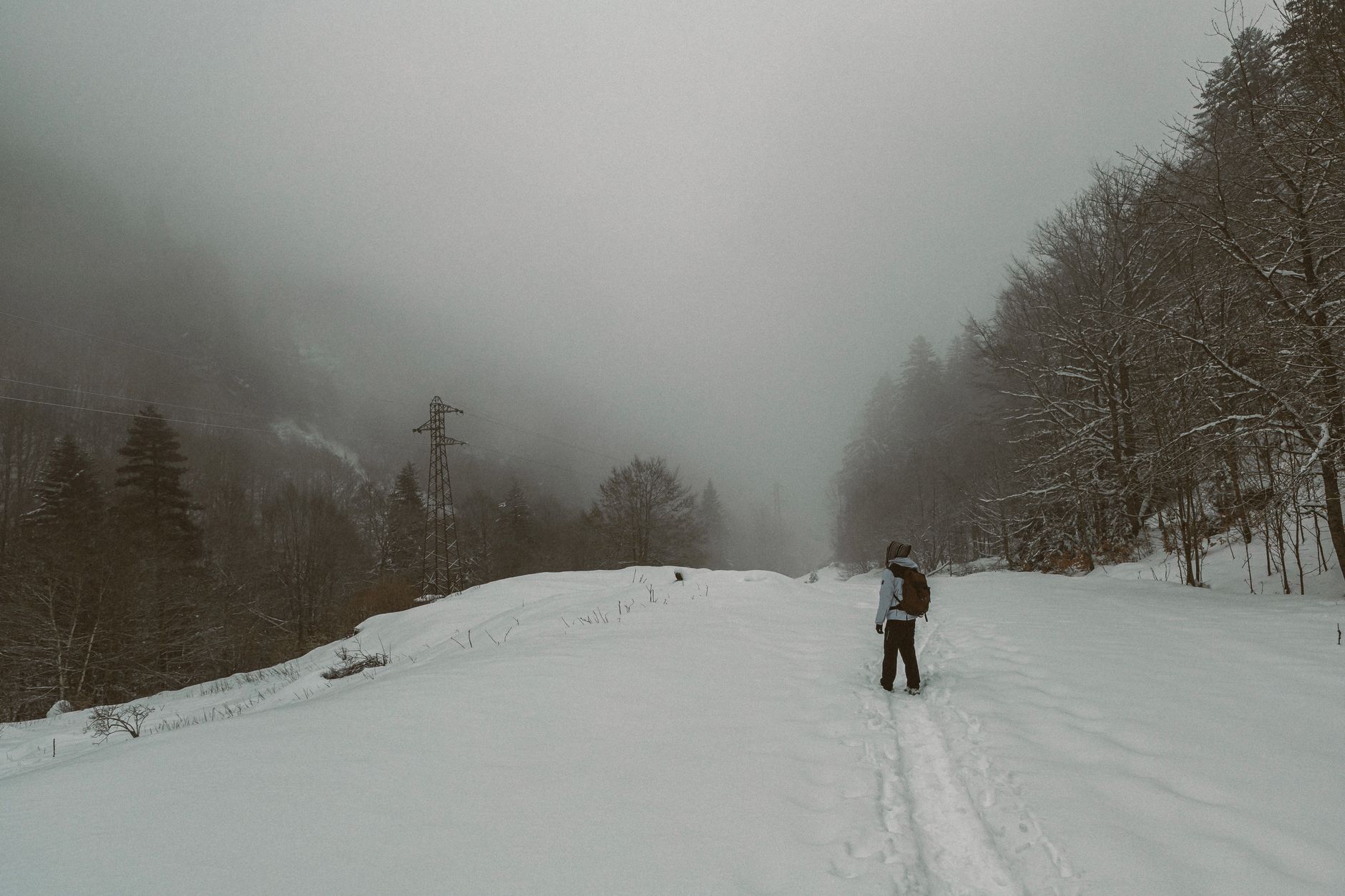
Winter visits present a different proposition entirely. Dog sledding on the sea ice and the possibility of northern lights make December through March appealing to a different type of traveler. The polar night – weeks with minimal daylight – is not a deterrent for visitors who have done their research, but it requires honest preparation and better cold-weather gear than most people own. Local operators in Ilulissat rent equipment and lead guided sled trips, and a small number of outfitters now offer multi-day expeditions into the surrounding backcountry.
Boat tours into Disko Bay, departing directly from Ilulissat harbor, give travelers close proximity to the icebergs after they exit the fjord. These range from short two-hour trips to full-day excursions, and conditions dictate the route – the bay’s ice field shifts constantly. The closer encounters with freestanding icebergs, where the sound of the ice cracking and settling carries across flat water, consistently ranks among the experiences travelers describe as the reason they came this far north.
Accommodation and the Limits of Comfort Expectations
Ilulissat has a small but functional range of accommodation options, from basic guesthouses to mid-range hotels with fjord-facing rooms. A handful of properties have positioned themselves toward travelers willing to pay for location and views rather than luxury amenities. The honest expectation is clean, comfortable, and well-located – not boutique hotel polish. Travelers accustomed to the service standards of Scandinavian city hotels may find the gap noticeable, but most who make the trip report the location absorbs that entirely.
Dining in Ilulissat leans heavily on local seafood and catches from the surrounding waters – Greenlandic halibut, Arctic char, and shrimp appear on nearly every menu. The food culture is not elaborate, but freshness at this latitude is automatic in a way it simply cannot be duplicated elsewhere. A meal of local fish eaten while looking at drifting icebergs through a restaurant window is, practically speaking, the defining culinary experience of the destination.
The Timing Question and What It Changes
June through August delivers the midnight sun and the most reliably accessible trail conditions, which is also when cruise ships dock most frequently. The shoulder windows – late May and mid-September – offer meaningfully fewer visitors, usable daylight, and in September, the first real cold snapping in with dramatic low-angle light that photographers specifically seek out. The ice is also higher and denser in late summer, as a full season of calving has filled the bay.
The UNESCO designation and growing media attention from documentary coverage have made Ilulissat increasingly familiar by name to travelers who track remote destinations before committing. That name recognition has a compounding effect on visitor numbers that tends to accelerate faster than destinations anticipate. Greenland’s government has publicly discussed managing tourism growth carefully, and some restrictions on trail access during peak hours have already been introduced at the fjord overlook points.
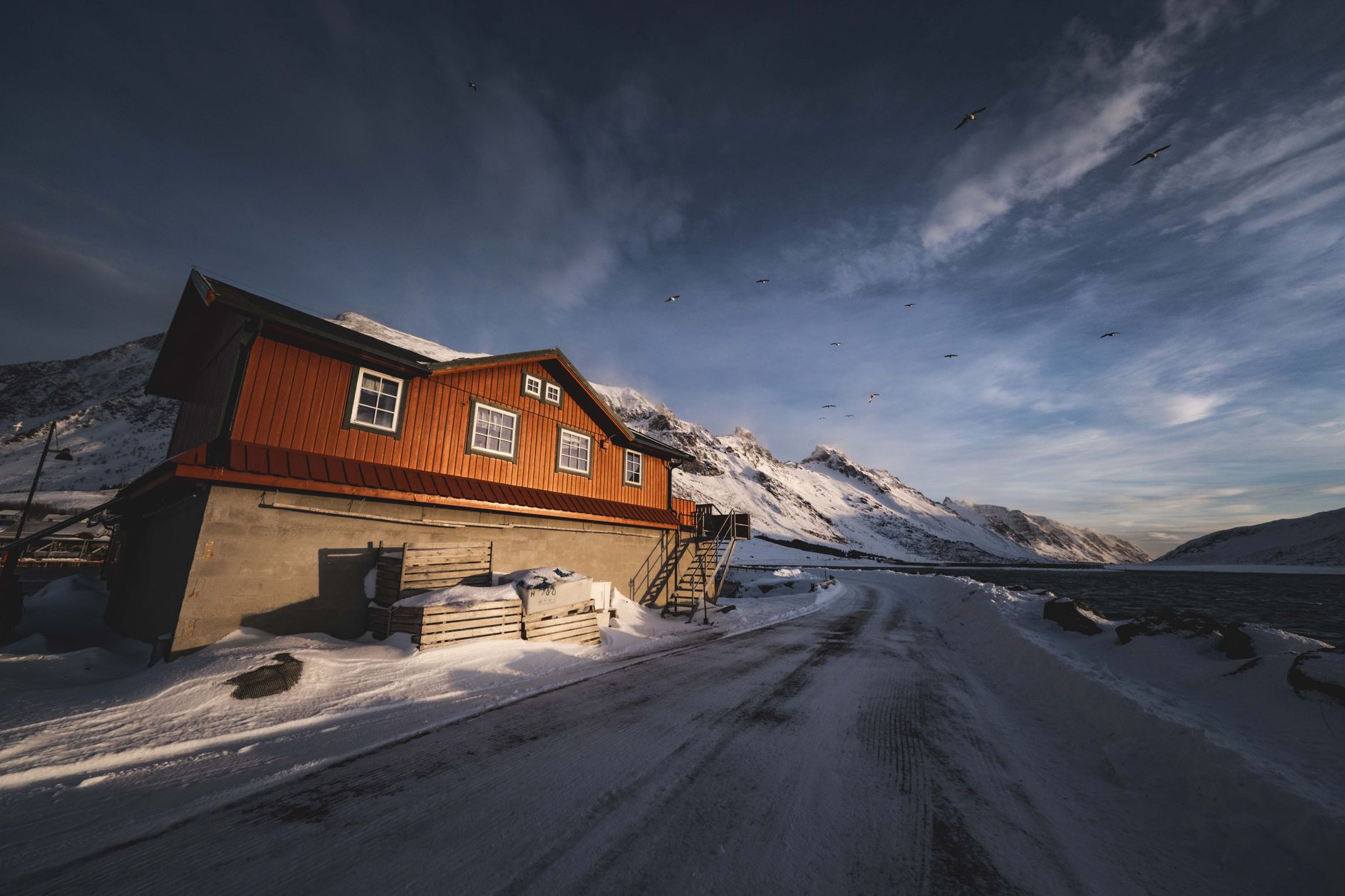
For travelers drawn to places where the natural environment still operates on its own terms without choreography or commercial softening, the appeal here is specific and direct. The Sermeq Kujalleq glacier moves roughly 20 to 46 meters per day, making it one of the fastest-moving glaciers on the planet. That speed means the fjord is never the same place twice – not figuratively, but in a literal, measurable sense that you can observe in real time if you stay long enough and pay close enough attention.