Greenland’s Ilulissat Icefjord Quietly Rivals Svalbard for Arctic Wanderers

Where Ice Speaks Louder Than Tourism Brochures
Svalbard has held the Arctic imagination for decades – polar bear warnings on the outskirts of Longyearbyen, Northern Lights tourism that books out months in advance, and a well-worn circuit of expedition cruise routes that have made it the default shorthand for high-latitude adventure. But a growing number of serious Arctic travelers are quietly redirecting their itineraries toward western Greenland, specifically to the Ilulissat Icefjord, a UNESCO World Heritage Site that delivers a scale of glacial drama that Svalbard simply cannot match. The difference is not subtle.
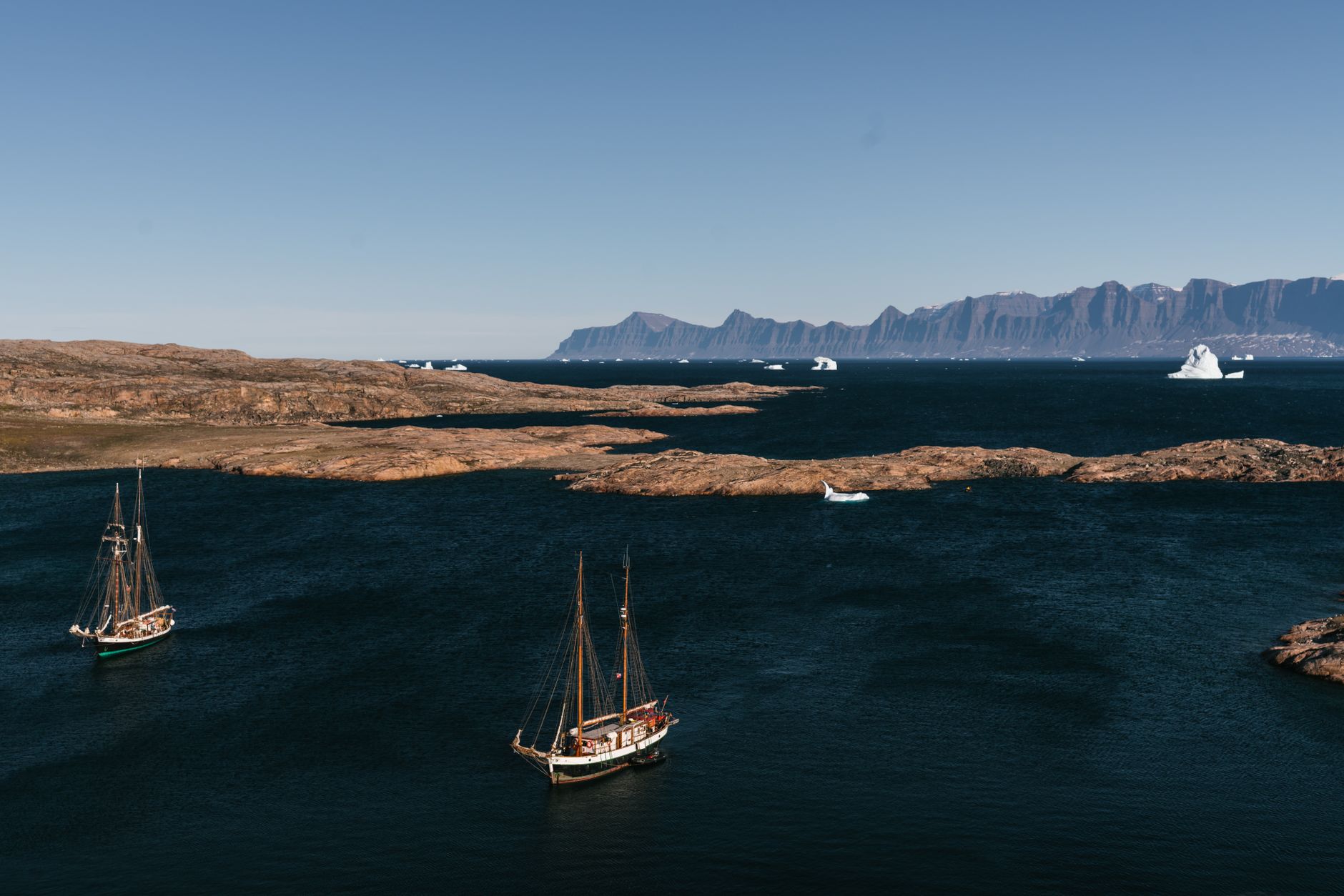
The Icefjord sits just north of the Arctic Circle, adjacent to the town of Ilulissat – Greenland’s third-largest settlement with a population of around 5,000. It serves as the outlet for the Sermeq Kujalleq glacier, one of the fastest-moving and most productive glaciers in the Northern Hemisphere. The icebergs calved here are so massive that many run aground in the fjord before making their slow procession out to open sea, creating a frozen landscape that looks less like a natural phenomenon and more like a fever dream someone forgot to turn off.
What Ilulissat Has That Svalbard Does Not
Svalbard’s appeal rests largely on wildlife density and accessibility – it is, by Norwegian standards, relatively easy to reach, and the chances of encountering polar bears, walruses, and Arctic foxes within a short distance of Longyearbyen are genuinely high. The archipelago’s landscape is beautiful, but it is tundra-flat in many areas, and the glaciers, while present, do not dominate in the way that Greenland’s do. Visiting Svalbard often feels like being in a well-organized Arctic classroom. Visiting Ilulissat feels like standing in front of something indifferent to your presence entirely.
The icebergs at Ilulissat operate on a different scale of reference. Some stand taller than 100 meters above the waterline, their bulk extending far deeper below the surface. Walking the marked trail along the fjord’s edge – the Icefjord Trail, which loops for roughly 6 kilometers through rocky terrain above the water – puts visitors at eye level with ice formations the size of city blocks. There is no equivalent experience in Svalbard. The comparison is not about which destination is better so much as which kind of silence you are looking for: Svalbard offers wilderness breadth; Ilulissat offers vertical awe.
Ilulissat also carries cultural weight that Arctic-focused travelers sometimes overlook when comparing the two destinations. The town itself is a living Greenlandic community with deep Inuit heritage, where dog sledding remains a working practice rather than a tourist performance, and where the local fishing industry still shapes daily life. Visiting outside of summer means encountering a place that operates entirely on its own terms, not on a schedule designed around visitor convenience. That friction – the sense that you are accommodating the destination, not the other way around – is something Svalbard’s tourism infrastructure has largely smoothed away.
The midnight sun season, running roughly from late May through late July, is when Ilulissat reaches an almost hallucinatory quality. The light never disappears, the icebergs glow in colors that shift from white to gold to pale blue depending on the hour, and the fjord becomes almost impossible to photograph accurately because cameras consistently underexpose what the eye actually sees. Winter visits, by contrast, bring darkness, dog sled routes across frozen terrain, and a Northern Lights season that operates with considerably less competition from the crowds that now fill Tromso and Alta.
Getting There and Managing Expectations
Ilulissat is not easy to reach, and this is precisely why the traveler ratio still favors the serious over the casual. There are no direct transatlantic flights. The standard route connects through Copenhagen, then Kangerlussuaq or Nuuk via Air Greenland, with an onward domestic flight to Ilulissat. The journey typically requires an overnight stop somewhere in the chain. Budgets adjust accordingly – accommodation in Ilulissat skews toward small hotels and guesthouses rather than large resort properties, and dining options are limited enough that meal planning becomes part of the trip itself.
What this logistical friction filters out is the day-tripper and the accidental tourist. Nearly everyone who arrives in Ilulissat chose it deliberately, which shapes the atmosphere of the town and the trails in a way that matters when you are trying to stand at the edge of a fjord without someone’s selfie stick entering your peripheral vision. That is not a knock at accessible destinations – it is simply an honest accounting of what difficulty of access preserves.
Expedition Cruises, Day Hikes, and What to Prioritize
The most direct way to experience the icebergs at close range is by boat. Small vessel tours operate out of Ilulissat harbor, running among the grounded icebergs at water level and occasionally drifting close enough to hear the low structural groans that large ice formations produce as they shift. Kayaking among icebergs is available through local operators, though safety briefings are thorough and conditions can change without warning – the fjord is not a controlled environment and does not pretend to be.
For those who prefer to stay on land, the Icefjord Trail remains the most reliable option and requires no guide, no permit, and no specialized gear beyond sensible footwear and weather layers. A longer route, the Russell Glacier hike, takes travelers closer to the active glacier face and demands more time and physical commitment, but returns views of meltwater rivers running across the ice surface that have no parallel elsewhere in accessible Greenland. A small interpretive center near the fjord entrance provides geological context without overwhelming the experience with narrative.
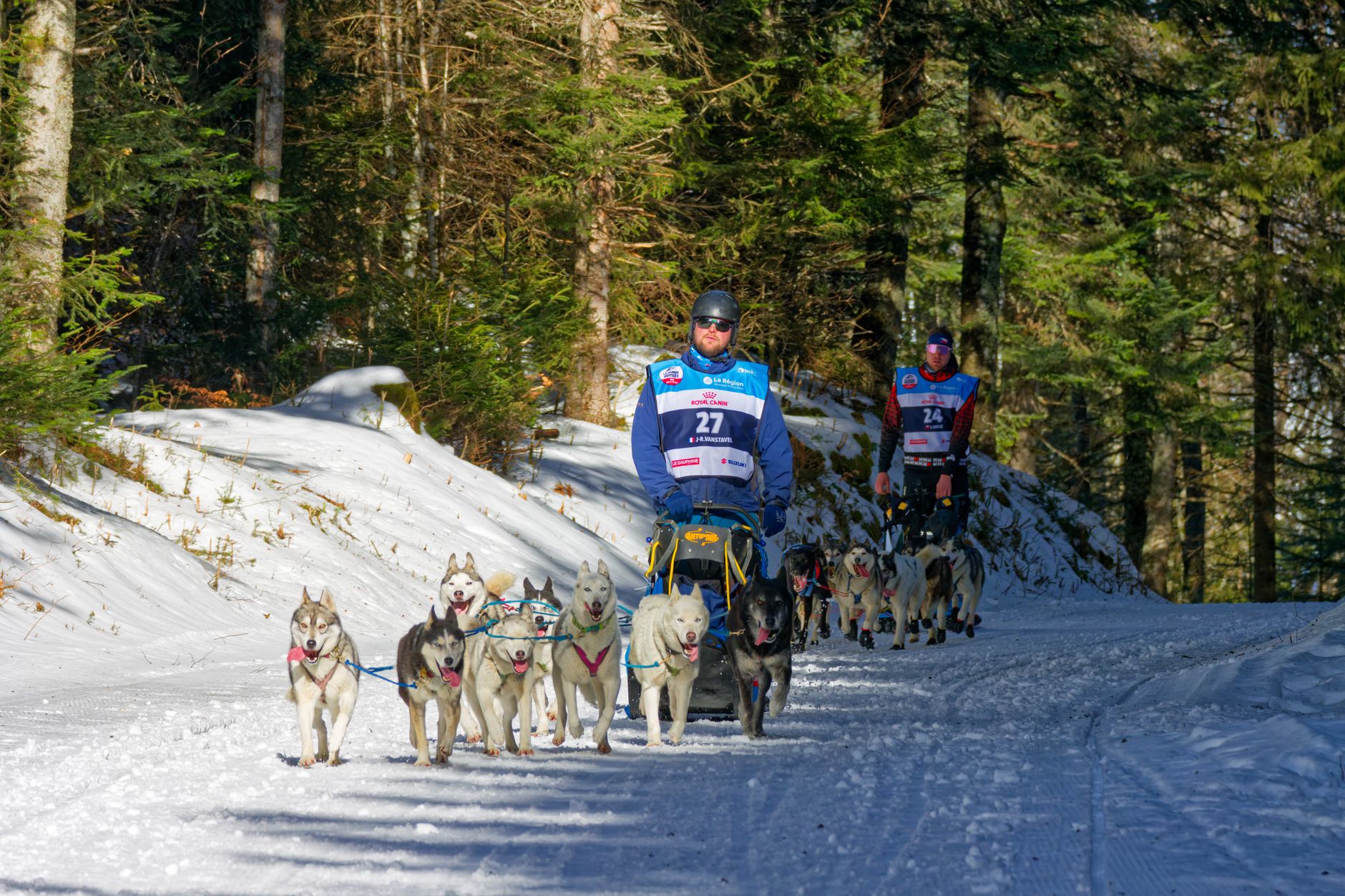
Dog sledding deserves specific mention as a winter activity that carries real cultural and practical significance in this part of Greenland. East Greenland and the Ilulissat region are among the last places where Greenlandic sled dogs – a legally protected working breed distinct from other husky types – are still used as primary transport by some residents. Guided sled tours run between roughly November and April, depending on ice conditions, and cover terrain that is entirely unreachable by any other means. Svalbard offers snowmobile tours in similar conditions; only Ilulissat offers this specific history moving under its own power across the ice.
The Question Serious Arctic Travelers Are Already Asking
The comparison to Svalbard will likely fade as Ilulissat builds its own reference point in the travel conversation. But the more interesting question is not whether one replaces the other – it is what it says about Arctic tourism broadly that a destination of this magnitude remained secondary for so long. The infrastructure around Svalbard is the answer: when a place is easier to sell, it gets sold first.
Greenland’s complexity as a destination – its distances, its costs, its limited English-language tourism scaffolding – has historically kept the volume low. That is beginning to shift as expedition-style travel grows and as travelers with longer planning horizons start treating logistical difficulty as a feature rather than a deterrent. For those who fall into the latter category, Ilulissat now sits at the top of a very short list. Whether the infrastructure changes fast enough to keep pace with that interest – without erasing what makes the place worth the effort – is the question nobody in Ilulissat seems particularly eager to resolve quickly.