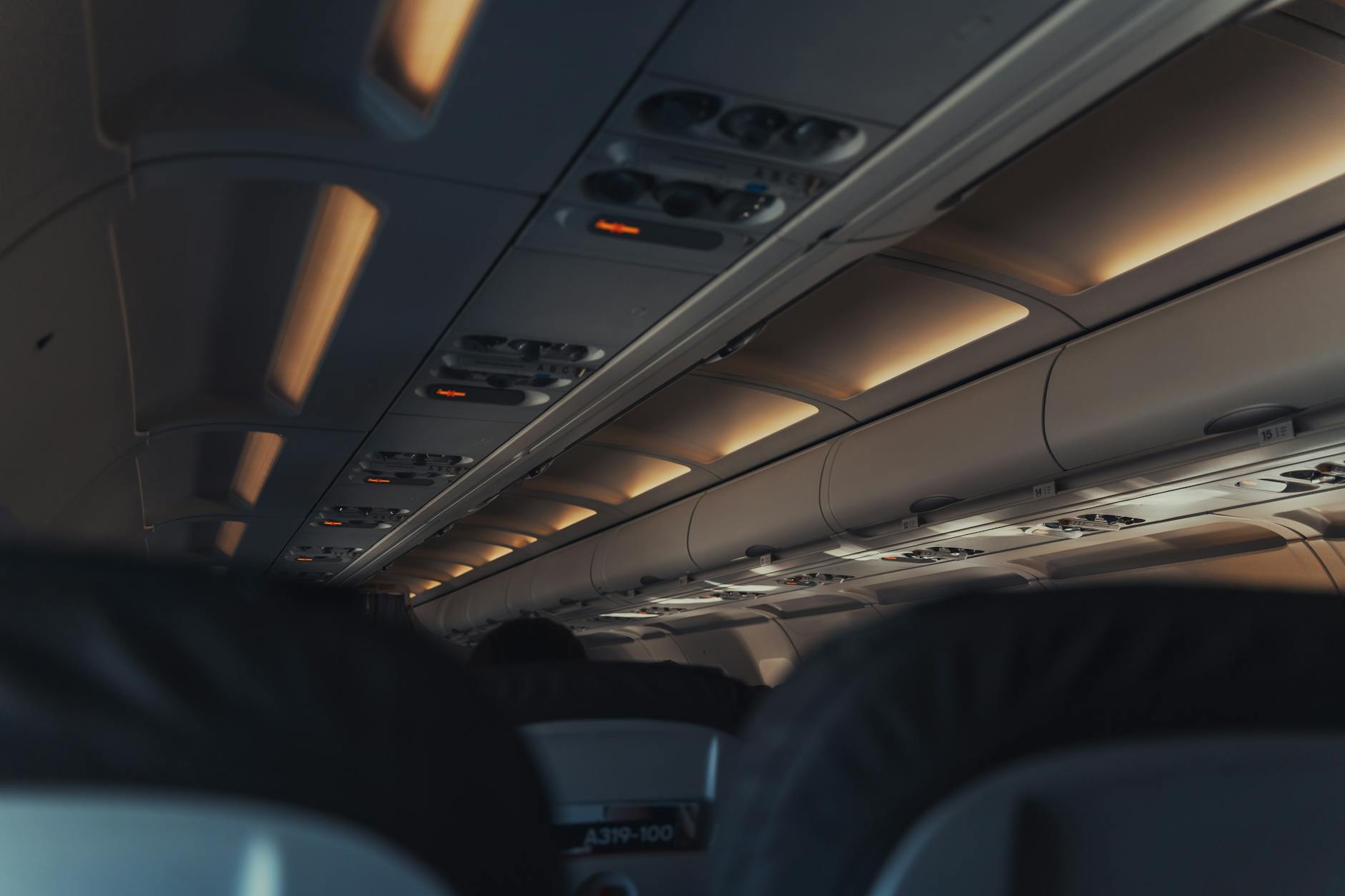

Airlines are quietly rolling out voice technology that could transform how passengers interact with their seats and order meals. Instead of fumbling with overhead buttons or flagging down busy flight attendants, travelers might soon control lighting, request blankets, and customize their dining experience with simple voice commands.
The aviation industry has been testing voice-activated systems for nearly two years, with several major carriers conducting trials on select routes. These systems use advanced speech recognition technology adapted for the unique challenges of aircraft cabins, including engine noise, multiple languages, and varying accents from international passengers.
Current Testing Programs and Technology
Emirates has been conducting trials on their Airbus A380 fleet, installing voice-activated controls in premium economy and business class seats. Passengers can adjust seat position, lighting intensity, and entertainment volume using natural speech patterns. The system responds to commands in English, Arabic, and Mandarin, reflecting the airline’s diverse passenger base.
Lufthansa launched a pilot program on Frankfurt-to-New York routes, focusing primarily on meal ordering through voice commands. Passengers can request specific dietary accommodations, modify existing meal selections, or inquire about available options without waiting for crew assistance. The German carrier reports that 73 percent of participants successfully completed voice-based meal orders during testing phases.
American Airlines has integrated voice technology into their premium cabin retrofits, partnering with Amazon’s Alexa for Business division. The system allows passengers to control seat functions, request service items, and access flight information through voice interaction. However, the airline has limited functionality to prevent potential security concerns and passenger privacy issues.
Singapore Airlines took a different approach, implementing voice ordering specifically for their premium economy cabins. Passengers can request beverages, snacks, and amenity kits using voice commands processed through the airline’s proprietary system. The technology recognizes multiple Asian languages and English dialects, addressing the linguistic diversity of their passenger demographics.
Technical Challenges in Aviation Environments
Aircraft cabins present unique obstacles for voice recognition technology. Ambient noise from engines, air conditioning systems, and passenger conversations creates challenging acoustic environments. Airlines have invested in specialized microphone arrays and noise-canceling algorithms to ensure accurate command recognition.
Privacy concerns have shaped system development significantly. Most airlines implementing voice technology use local processing rather than cloud-based recognition to protect passenger conversations. The systems activate only when specific wake words are detected, similar to consumer smart speakers but with enhanced privacy protocols.
Language processing remains complex, particularly for international carriers serving diverse passenger populations. Airlines must program systems to understand various accents, speech patterns, and cultural communication styles. Some carriers have partnered with local language processing companies to improve recognition accuracy for regional dialects.
Battery life and power consumption pose additional technical hurdles. Voice-activated systems require constant power for wake-word detection, potentially impacting aircraft electrical systems. Engineers have developed low-power processing chips specifically designed for aviation applications, reducing energy consumption while maintaining functionality.

Passenger Response and Service Integration
Early passenger feedback has been generally positive, with business travelers particularly embracing the technology. Frequent flyers appreciate the ability to adjust seat settings without interrupting sleep or disturbing fellow passengers. Voice commands for meal modifications have proven especially popular among passengers with dietary restrictions or food allergies.
Flight attendant unions initially expressed concerns about job displacement, but airlines emphasize that voice technology supplements rather than replaces human service. Crew members report that voice-activated systems reduce routine requests, allowing them to focus on passenger safety, complex service needs, and personal interaction.
Service integration has required significant crew training programs. Flight attendants must understand voice system capabilities to assist passengers effectively and troubleshoot technical issues. Airlines have developed standardized protocols for situations when voice systems malfunction or passengers need alternative assistance methods.
Some passengers remain skeptical about voice technology in aircraft environments, citing privacy concerns and preference for traditional service methods. Airlines have responded by making voice activation optional and maintaining conventional call buttons and service request methods alongside new technology.
The technology has shown particular promise for passengers with mobility limitations or visual impairments. Voice commands provide more accessible ways to control seat functions and request assistance, though airlines continue refining systems to ensure comprehensive accessibility compliance.
Future Implementation and Industry Trends
Airlines plan broader deployment of voice technology over the next three years, with most major carriers evaluating implementation strategies. The technology aligns with broader industry trends toward contactless service and personalized passenger experiences, accelerated by post-pandemic travel preferences.
Integration with existing airline mobile applications represents the next development phase. Passengers may soon use voice commands through their personal devices to pre-order meals, select seats, or request specific amenities before boarding. This approach leverages familiar smartphone technology while reducing aircraft-specific hardware requirements.
Artificial intelligence enhancements will enable more sophisticated interactions, including conversational meal recommendations based on passenger preferences, flight duration, and dietary requirements. Airlines are developing systems that learn individual passenger preferences over time, similar to personalized streaming service recommendations.
The technology may eventually extend beyond premium cabins to economy class, though implementation timelines depend on cost considerations and passenger acceptance rates. Airlines are exploring scaled-down versions that focus on essential functions like meal ordering and basic seat adjustments rather than comprehensive entertainment control.
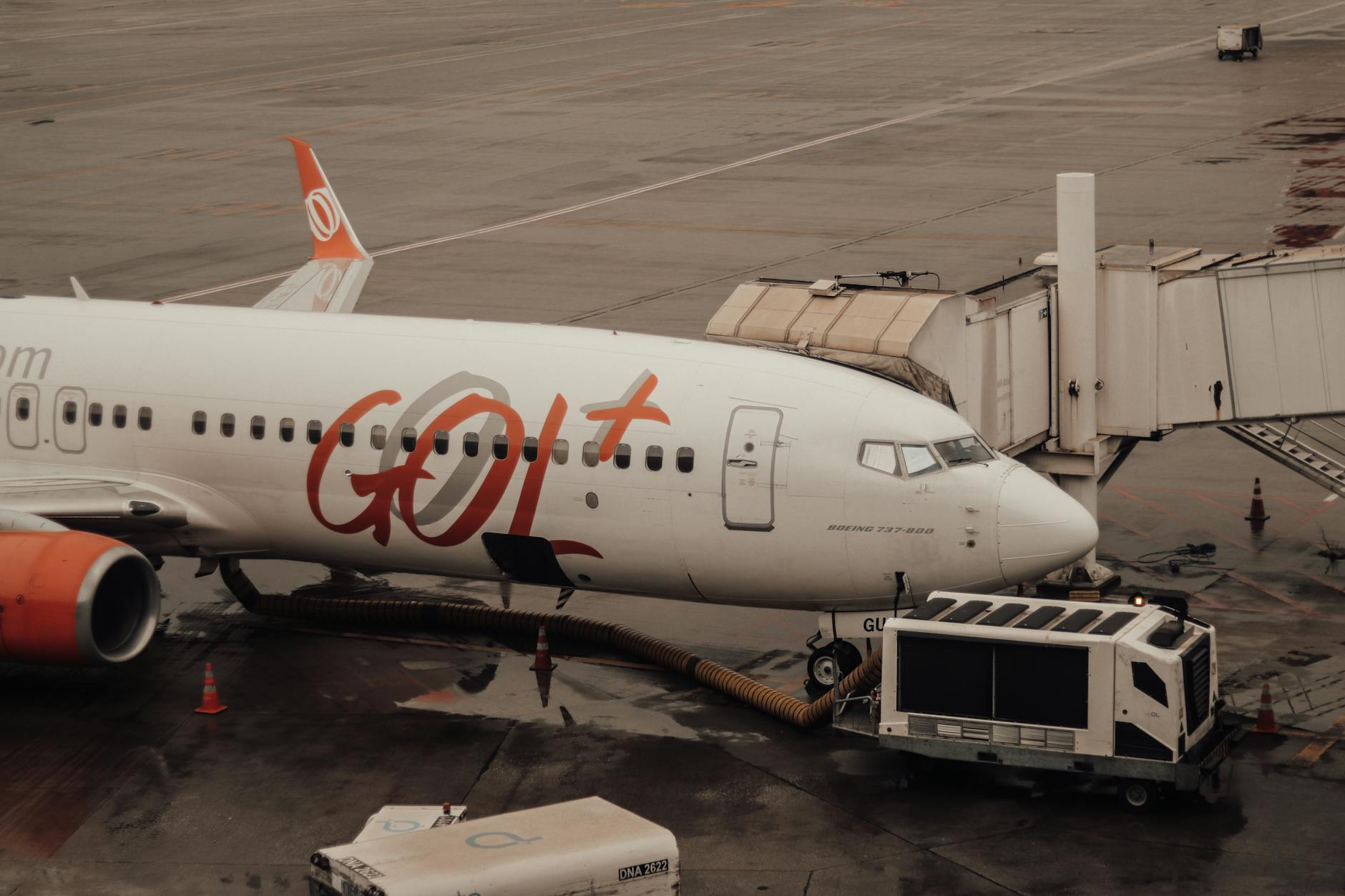
Voice-activated aircraft systems represent a significant shift in passenger service delivery, building on innovations like biometric boarding technology that airlines are implementing across multiple touchpoints. As carriers continue testing and refining these systems, voice commands may become as commonplace as in-flight entertainment screens, fundamentally changing how passengers interact with airline services at 35,000 feet.
The aviation industry’s embrace of voice technology signals a broader transformation toward more intuitive, accessible, and personalized travel experiences that could reshape passenger expectations for years to come.
Frequently Asked Questions
Which airlines are currently testing voice-activated systems?
Emirates, Lufthansa, American Airlines, and Singapore Airlines are conducting trials with voice technology in premium cabins.
What can passengers control with voice commands?
Voice systems allow seat adjustments, lighting control, meal ordering, and service requests without using traditional call buttons.