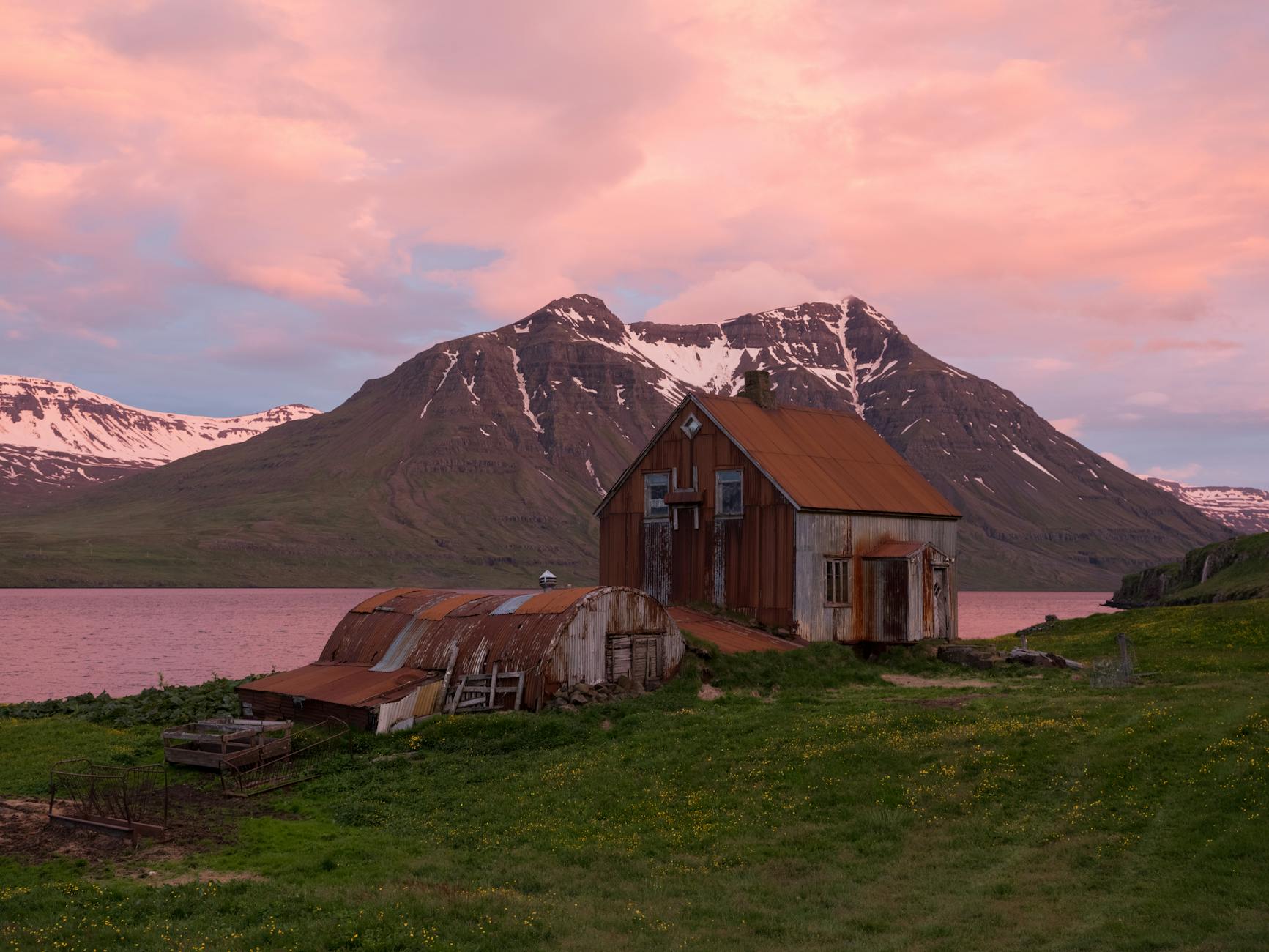

The Road Less Traveled Runs East
Most visitors to Iceland follow a well-worn loop: Geysir, Gullfoss, the Blue Lagoon, Reykjavik. The Golden Circle is efficient, photogenic, and absolutely packed. What that itinerary skips – almost entirely – is the eastern third of the country, a deeply corrugated stretch of coastline where fjords cut so far inland that some villages see direct sunlight for only a few weeks each winter. The Eastfjords region, stretching roughly from Djupivogur in the south to Borgarfjordur Eystri in the north, is drawing a quieter kind of traveler: one who came to Iceland for the landscape and left disappointed by the crowds.
The shift has been gradual but noticeable. Tour operators based in Reykjavik report more requests for multi-day itineraries that push past the Highlands and into the east, particularly among trekkers who have already done the classic routes or who specifically want to avoid them. The roads are longer, the infrastructure is thinner, and the weather along the eastern coast behaves differently from the southwest – more wind, more unpredictability, more silence.
That silence is exactly the point.
What the Eastfjords Actually Offer
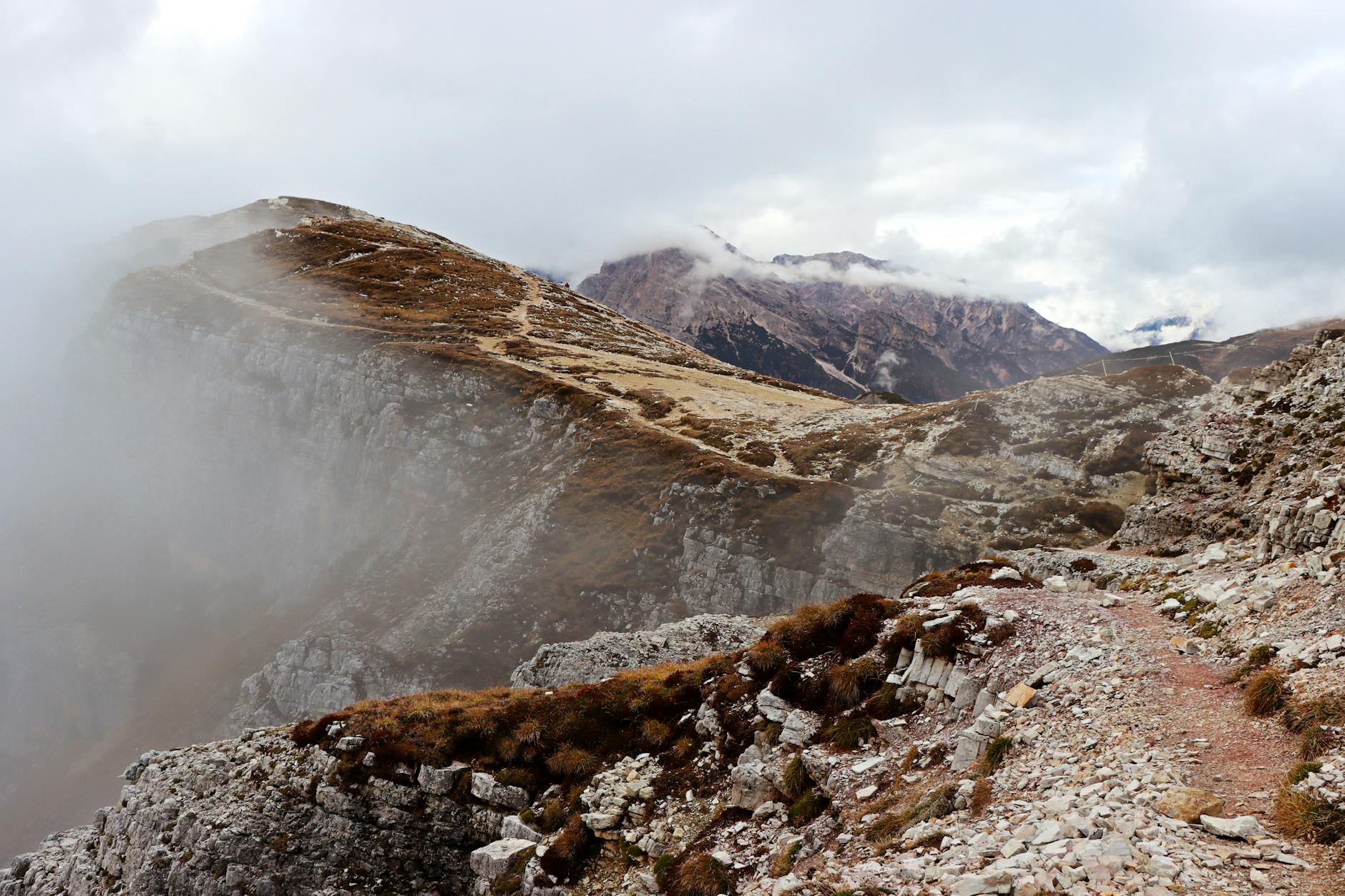
The terrain in the Eastfjords is unlike anything else in Iceland. Where the south coast delivers dramatic black sand beaches and easily photographed waterfalls, the east offers something slower and more demanding: switchback mountain roads that climb above the fjord line, trails that disappear into fog, and valleys where the only sound is running water and occasional Arctic tern. The hiking here is not curated. Waymarking varies by trail, and some routes require navigation skills that most Golden Circle day-trippers would not think to pack.
Borgarfjordur Eystri – a small village at the end of a long, winding road – has become a quiet base for serious trekkers. The surrounding mountains, part of the Dyrfjoll range, offer routes that range from accessible half-day walks to serious multi-day undertakings. Puffin colonies nest on the cliffs just outside the village harbor, close enough to observe without any organized tour structure. Accommodation is limited to a handful of guesthouses and a campsite, which keeps the footprint small and the pace unhurried.
Further south, the town of Seydisfjordur – painted in bold primary colors and known for its arts community – provides a different kind of draw. It sits at the end of a fjord and is accessible via a mountain pass that closes entirely in heavy snowfall. The town hosts the annual LungA arts festival each summer, pulling in a creative crowd that blends awkwardly and interestingly with the trekking set. It is one of the few places in Iceland where you might finish a twelve-kilometer ridge walk and end the evening at an outdoor film screening.
Getting There Without Getting Lost
The practical reality of visiting the Eastfjords is that it requires planning that the Golden Circle simply does not. The Ring Road – Route 1 – does pass through the region, but many of the most rewarding areas require turning off onto F-roads or mountain tracks that are impassable without a four-wheel-drive vehicle and, in some cases, require river crossings. Rental companies in Reykjavik offer the necessary vehicles, but the pricing reflects the demand for capable cars, and availability in peak season is not guaranteed if you book late.
Fly-bus connections from Reykjavik to Egilsstadir – the largest town in the east and the regional hub – take around five hours, and domestic flights from Reykjavik’s Domestic Airport cut that to around an hour. From Egilsstadir, public bus services reach some coastal villages, but schedules are infrequent and do not cover the more remote trailheads. The honest advice is that a rental car is close to non-negotiable for anyone who wants genuine flexibility in the region.
Food and fuel infrastructure is sparse outside of Egilsstadir and a few larger villages. Trekkers planning multi-day routes should carry supplies rather than rely on restocking along the way. This is not a complaint from those who know the east – it is part of the appeal. The region has not built itself around tourism the way the southwest has, and that absence of convenience is precisely what keeps the trail counts low.
Why Overtourism Pressure Is Pushing People East
Iceland’s most visited sites now manage visitor numbers in ways that would have seemed excessive a decade ago. Parking fees, timed entry slots, and boardwalks designed to protect fragile moss have become standard around Geysir and Thingvellir. The government has been explicit about needing to distribute tourism pressure across the country rather than concentrate it in the southwest, and the Eastfjords region is one of the areas directly named in that effort. Whether that translates into meaningful visitor redistribution will depend on whether travelers are willing to trade convenience for solitude – and whether infrastructure investment follows to support that shift without eroding what makes the east worth visiting. Trekkers exploring lesser-known Nordic terrain have been navigating similar questions in other destinations, including the Faroe Islands, where reservation-only trail systems are now actively managing access to protect fragile landscapes.
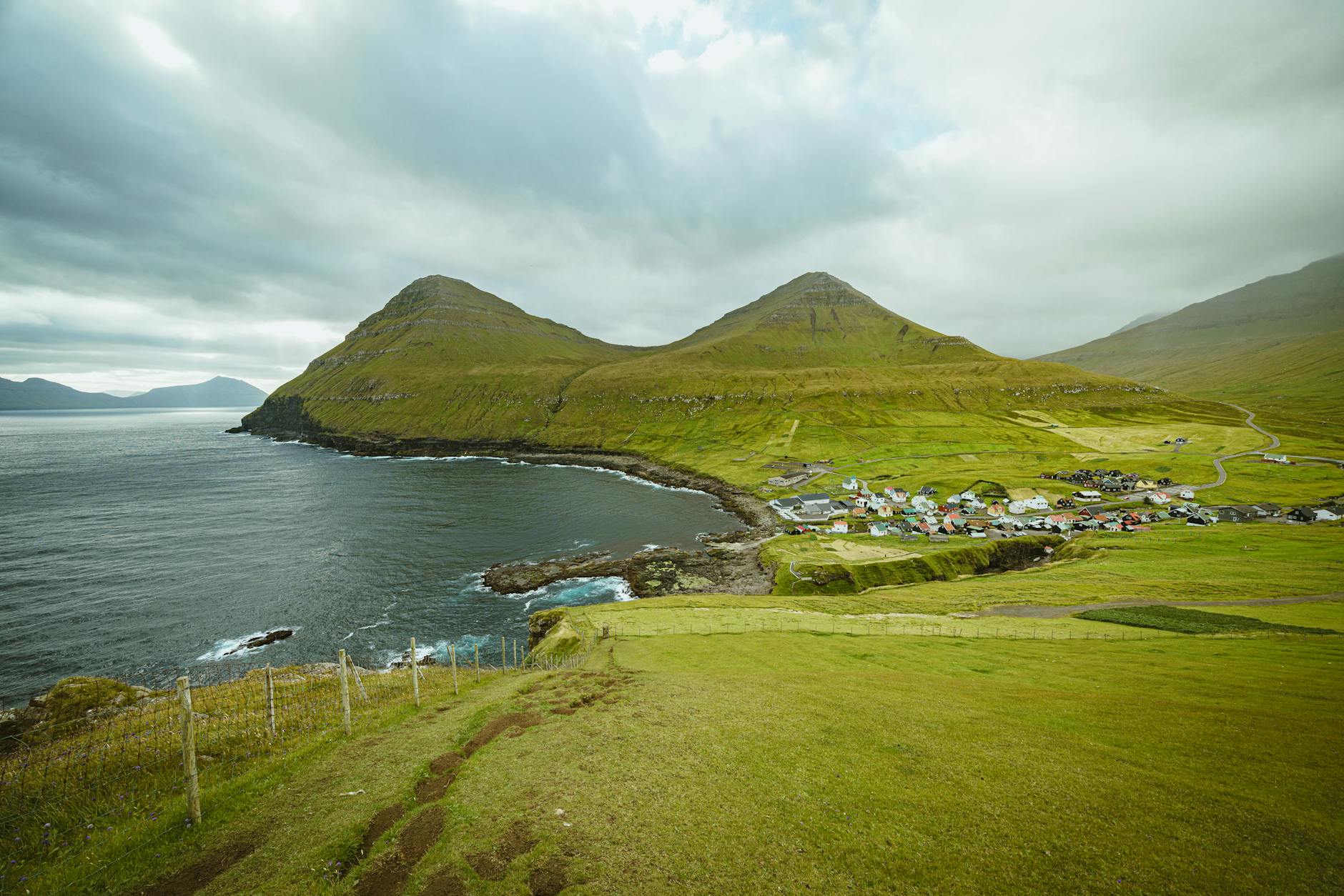
For now, the Eastfjords remain the version of Iceland that Iceland used to be everywhere: difficult to reach, easy to lose yourself in, and completely unprepared for the kind of foot traffic that arrives with a tour bus. The Dyrfjoll ridgeline on a clear August morning, with no one else visible in any direction and the fjord a blue-gray stripe far below, is still entirely possible to experience. Whether it stays that way once travel writers keep pointing people toward it is the question the region’s few hundred permanent residents are quietly asking themselves.
Frequently Asked Questions
When is the best time to trek in Iceland’s Eastfjords?
Late June through August offers the most stable trail conditions and longest daylight hours, though mountain passes can remain snowy into early summer.
Do I need a guide to hike in the Eastfjords?
Most trails can be done independently, but navigation skills and proper gear are essential – waymarking is inconsistent and weather changes quickly.