
The Road Less Traveled, Literally
Most travelers flying into Reykjavik have one instinct: rent a car and follow the Ring Road. It loops the entire island, hits the waterfalls, the geysers, the black sand beaches, and delivers the highlights with the reliability of a well-worn track. But Iceland has a second chapter that most people never open – the Westfjords, a remote peninsula in the country’s northwest that juts into the North Atlantic like a hand reaching for Greenland. The roads here do not loop. They dead-end, switchback over mountain passes, and disappear into tidal flats. That is exactly the point.
The Westfjords cover roughly a quarter of Iceland’s total coastline, packed into a fraction of the country’s landmass, which means fjord after fjord folded into each other with the kind of density that makes every bend in the road a new composition. Villages here measure their populations in the dozens. Tourists, until very recently, were an afterthought. That is changing – slowly, and for good reason.
What the Westfjords Actually Look Like
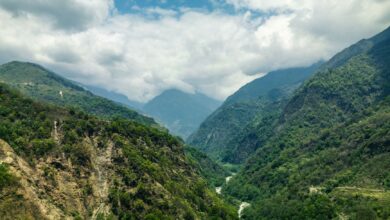
The visual logic of the Westfjords is different from the Ring Road’s drama. There are no roaring geysers, no famous glacier tongues sliding toward the sea. What the region offers instead is texture – layered basalt cliffs dropping straight into dark water, fox trails cutting across snow-patched plateaus in June, and beaches made of red sand instead of black. Raudasandur, one of those beaches, stretches for several kilometers along the southern coast of the peninsula and turns ochre-pink in afternoon light. It sees a fraction of the visitors that Reynisfjara draws on the south coast, despite being arguably more striking.
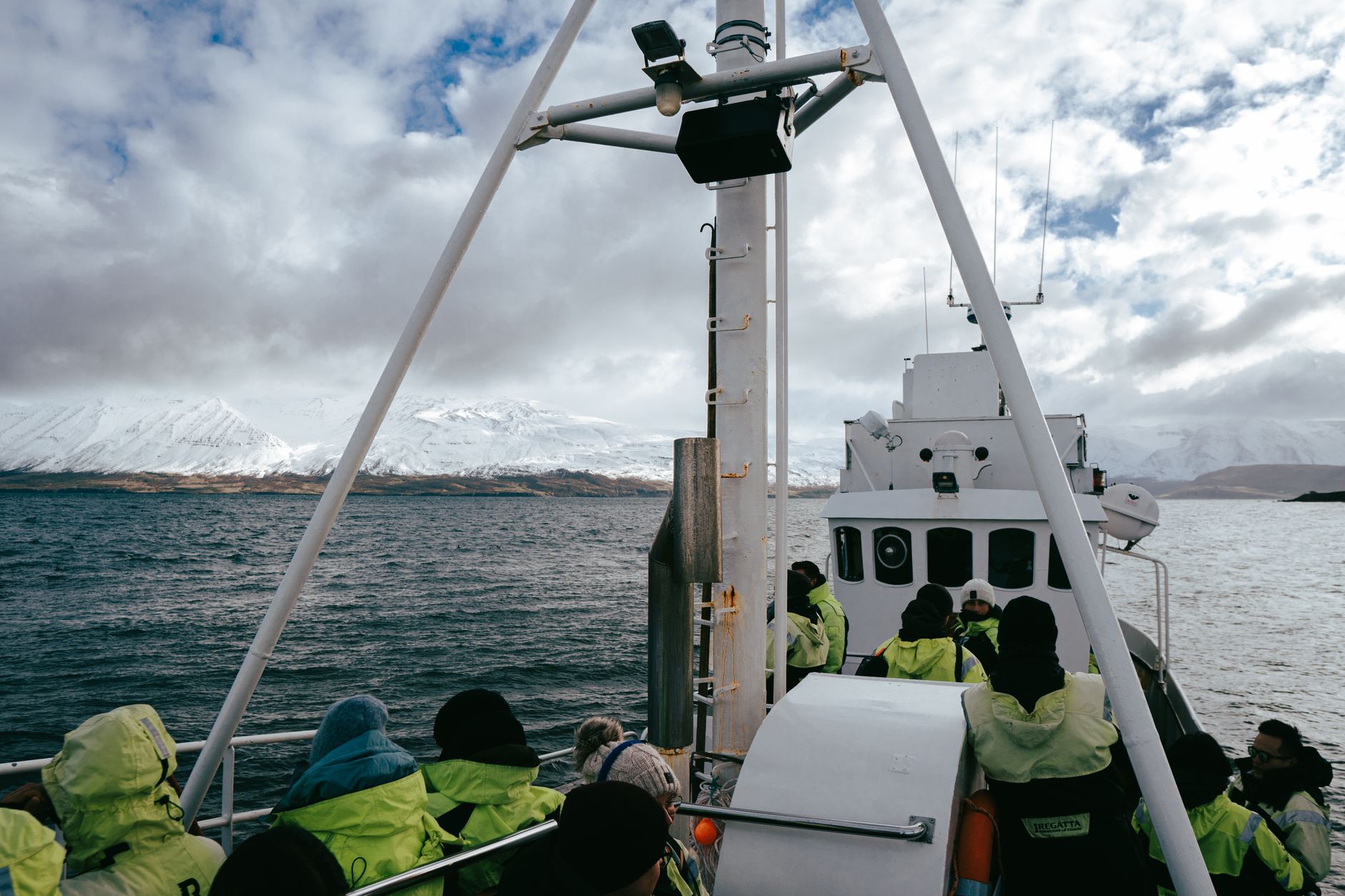
The region’s interior is defined by the Westfjords highlands, a plateau landscape that feels closer to the Arctic tundra than to the tourist-facing Iceland of travel brochures. In winter, many mountain roads are completely impassable, and several of the region’s smaller fjords are accessible only by ferry. This inaccessibility is not a design flaw. It is what has kept the Westfjords’ ecosystem and atmosphere intact while the Ring Road corridor became progressively more crowded over the past decade.
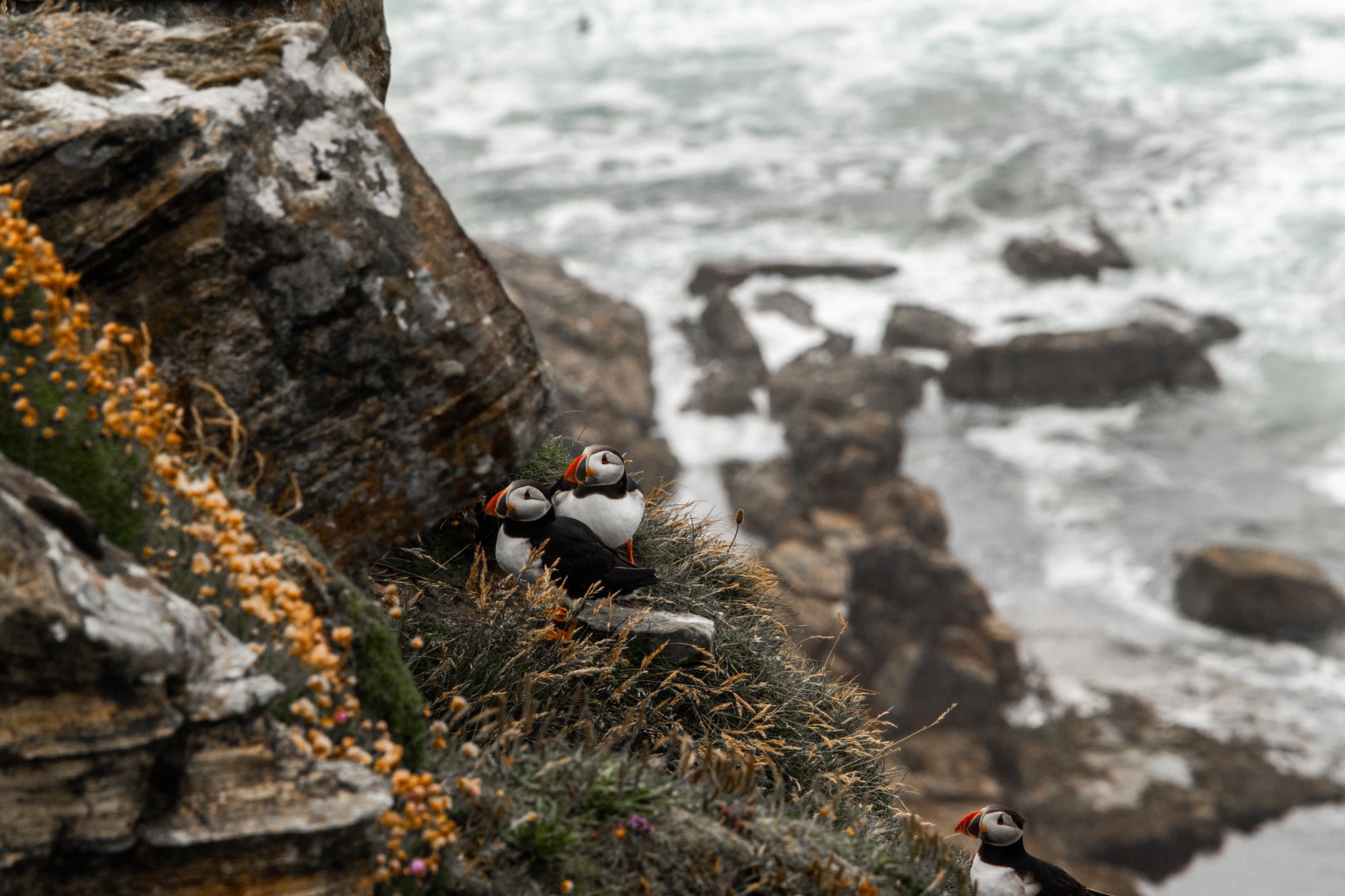
Wildlife here is not incidental. The Látrabjarg cliffs on the westernmost point of Iceland – and by extension, the westernmost point of Europe – host one of the largest seabird colonies on the continent. Puffins nest in burrows along the cliff edge with a confidence that comes from having few natural predators and fewer human visitors than comparable sites in Norway or Scotland. Arctic foxes, Iceland’s only native land mammal, are thick on the ground in the Westfjords in a way they simply are not elsewhere on the island.
The Infrastructure Gap and Why It Matters
Traveling the Westfjords requires a different approach to trip planning. A high-clearance vehicle is not just recommended – on certain mountain roads, it is the line between reaching your destination and reversing down a gravel pass for forty minutes. The region’s tunnel network is expanding, with several new bored passages cutting travel times that once required either a long coastal detour or a ferry crossing. The Arnarfjordur tunnel, for instance, has opened up eastern fjord access in a way that would have been logistically painful ten years ago.
Accommodation is sparse but not absent. A growing number of small guesthouses and farm stays have opened along the main coastal roads, and the town of Isafjordur – the region’s only real hub – has enough infrastructure to serve as a base for multi-day exploration. Isafjordur has a domestic airport with regular flights from Reykjavik, which means the Westfjords are accessible without committing to a full driving day from the capital. The flight takes about forty-five minutes and lands in a mountain valley so narrow that the approach requires the pilot to bank sharply before touchdown – which is, depending on your temperament, either alarming or a perfect introduction to the region’s character.
Why Fjord Travelers Are Shifting Attention Here
Norway’s fjord corridor – Geirangerfjord, Sognefjord, Naeroyfjord – has been the default answer to “where do I go to see fjords” for a generation of travelers. And those fjords are genuinely extraordinary. But Norway’s most famous fjord routes now carry cruise ships, organized tour groups, and summer queues at overlooks that rival anything in the Alps. The Westfjords offer comparable fjord geometry – deep, glacier-carved inlets flanked by steep walls – without the accompanying infrastructure of mass tourism. The experience of standing at the edge of Sugandafjordur or looking down the length of Dyrafjordur is not diluted by a gift shop fifty meters away.
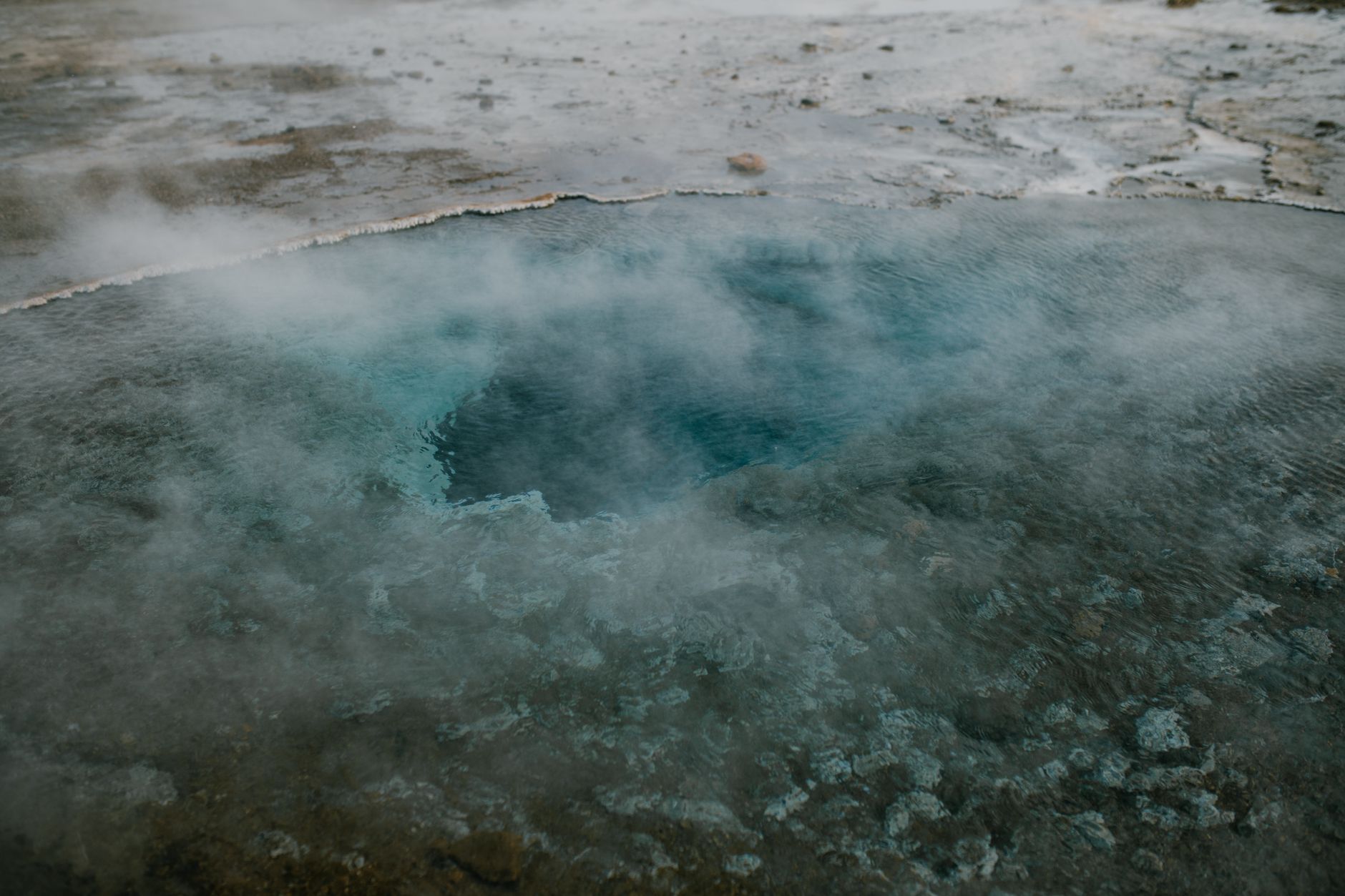
There is also the matter of hot springs. The Westfjords have a tradition of small, informal geothermal pools – not the engineered spa experience of the Blue Lagoon, but roadside pools and tidal-zone soaking spots that require some navigation to find. The Krossneslaug pool, at the end of a long gravel road near the northern tip of the Strandir coast, sits at the edge of the ocean. At high tide, the sea comes close enough to feel like the two bodies of water are in conversation. It is the kind of detail that does not photograph well and stays with you anyway.
For travelers who have already done the Ring Road and found it satisfying but crowded, the Westfjords represent a logical next question rather than a compromise. The road conditions demand more patience, the distances between services require more planning, and the weather – which can cycle through sun, sleet, and horizontal wind in a single afternoon – demands more flexibility. These are not obstacles so much as filters. They are what keeps the experience from being interchangeable with a hundred other northern European destinations.
That same quality of earned remoteness draws a particular type of traveler – one who is less interested in ticking landmarks than in the specific feeling of being somewhere that has not been fully processed into a product. For anyone who has felt that pull before, whether hiking Kyrgyzstan’s Karakol Valley or navigating unpaved high-altitude passes elsewhere, the Westfjords will feel recognizable in spirit if not in geography. The question is how long that spirit holds. Tourism numbers in the region are climbing, the tunnel network is making more of it reachable by standard rental cars, and Isafjordur has been adding accommodation capacity year over year. The Westfjords are not secret. They are simply still on the right side of the line between discovered and overrun – and that line is moving.