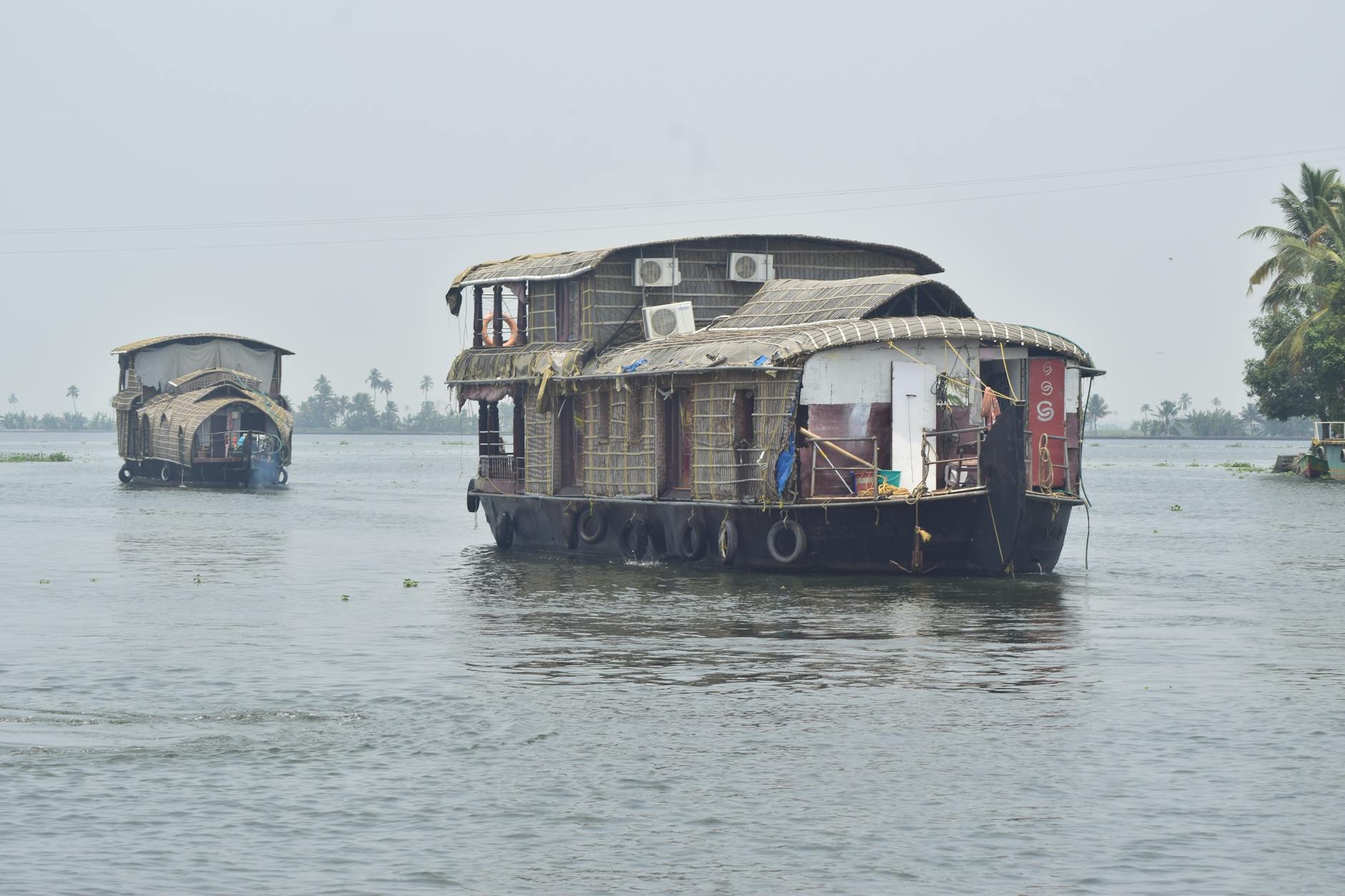

Kerala’s traditional houseboats are adding a new dimension to their peaceful backwater cruises. Several operators across Alleppey and Kumarakoram have launched hands-on cooking classes that teach guests authentic regional cuisine while floating through palm-lined canals.
The floating culinary schools combine Kerala’s famous houseboat experience with interactive lessons in local cooking techniques. Guests learn to prepare traditional dishes like fish curry with coconut milk, vegetarian thoran with fresh vegetables, and banana leaf-wrapped karimeen fish while cruising the interconnected waterways that define this coastal region.
Learning Kerala’s Culinary Secrets on Water
The cooking classes take place in specially equipped houseboats featuring traditional clay stoves and modern safety equipment. Professional chefs from local villages board the boats to guide sessions, sharing techniques passed down through generations of backwater fishing families.
Classes typically run for two to three hours during the afternoon portion of overnight cruises. Participants start by visiting floating markets where vendors in small canoes sell fresh fish, vegetables, and spices directly to the houseboats. The shopping experience itself becomes part of the cultural immersion, as guests negotiate prices and learn to identify regional ingredients like fresh curry leaves, black mustard seeds, and different varieties of coconut.
The cooking process emphasizes traditional methods still used in Kerala homes. Students grind spices on stone mortars, extract coconut milk by hand, and learn the precise timing required for tempering spices in coconut oil. Each lesson includes preparation of a complete meal with rice, vegetable dishes, fish curry, and traditional desserts like payasam made with jaggery and cardamom.
Authentic Recipes From Backwater Communities
The recipes taught in these classes come directly from fishing and farming families who have lived along the backwaters for centuries. Many ingredients are sourced from the immediate surroundings – fish caught that morning, vegetables grown on small islands, and coconuts harvested from palms visible from the boat.
Popular dishes in the curriculum include appam with stew, a combination of fermented rice pancakes served with coconut milk-based curry containing vegetables or meat. Students also learn to prepare traditional fish preparations specific to backwater communities, including methods for cooking in banana leaves that infuse the fish with subtle herbal flavors.
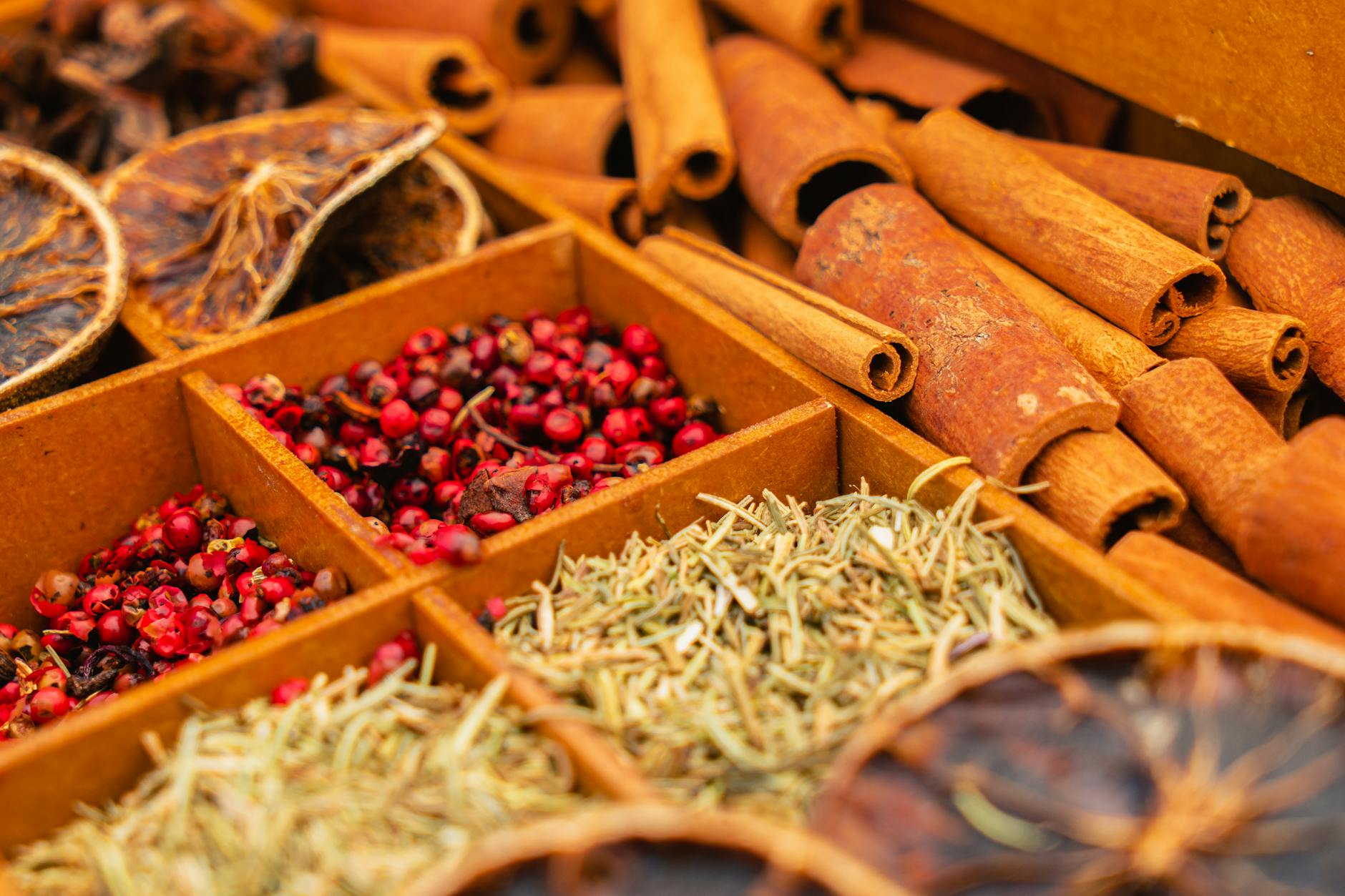
The vegetarian options focus on Kerala’s extensive repertoire of coconut-based dishes. Participants master the art of making sambar with freshly ground spices, various thoran preparations that combine vegetables with grated coconut, and traditional rice dishes flavored with ghee and whole spices.
Each cooking session includes instruction on the cultural significance of different dishes and their connection to local festivals, seasons, and family traditions. Instructors explain how backwater communities developed specific cooking techniques adapted to life on the water, including preservation methods and the use of ingredients readily available from the aquatic environment.
Growing Tourism Interest in Cultural Experiences
The cooking classes respond to increasing demand from travelers seeking immersive cultural experiences beyond traditional sightseeing. Tourism boards across India report growing interest in activities that provide hands-on learning about local traditions, similar to Peru’s Sacred Valley traditional weaving workshops that teach ancient textile techniques in village settings.
Kerala’s backwater region, already popular for its scenic beauty and traditional architecture, benefits from this trend toward experiential tourism. The cooking classes allow visitors to engage more deeply with local culture while supporting community-based tourism initiatives that provide income for village families.
Several houseboat operators report that guests often extend their stays specifically for the cooking experiences. The classes appeal particularly to food enthusiasts and cultural travelers who want to replicate authentic Kerala flavors at home.
Supporting Local Communities Through Culinary Tourism
The cooking class initiative creates employment opportunities for local chefs, spice vendors, and fishing families who supply ingredients and share their knowledge. Revenue from the programs supplements traditional incomes from fishing and agriculture, providing economic stability for backwater communities.
Many participating families have opened small businesses selling spice blends and cooking ingredients to class participants. Some villages now offer follow-up workshops on land, where visitors can learn additional recipes and techniques in traditional home kitchens.
The program also helps preserve traditional cooking knowledge that might otherwise be lost as younger generations move to cities. By creating commercial value for traditional skills, the classes encourage knowledge transfer between generations within participating families.
Food tourism experts predict continued growth in this sector as travelers increasingly seek authentic cultural exchanges over passive sightseeing. Kerala’s backwater cooking classes position the region at the forefront of India’s culinary tourism development, offering a unique combination of scenic beauty and hands-on cultural learning that differentiates it from other destinations.
The floating classrooms represent a natural evolution of Kerala’s tourism industry, adding educational value to existing infrastructure while creating new revenue streams for local communities. As word spreads about these intimate cultural experiences, Kerala’s backwaters continue attracting visitors seeking deeper connections with local traditions through the universal language of food.
Frequently Asked Questions
What dishes do guests learn in Kerala houseboat cooking classes?
Classes cover traditional dishes like fish curry with coconut milk, vegetarian thoran, banana leaf-wrapped fish, and regional rice preparations.
How long do the backwater cooking classes last?
Most cooking sessions run for two to three hours during afternoon portions of overnight houseboat cruises.