
The Valley That Keeps Getting Overlooked
Zanskar has long carried the mystique. Its name moves through certain circles of adventure travel the way a password does – quietly, with weight. But roughly 200 kilometers to the east, Spiti Valley sits in the same high-altitude cold desert belt of Himachal Pradesh, draws the same brutal blue skies, and somehow still gets treated as the second option. That reputation is starting to crack.
Spiti sits at an average elevation above 3,800 meters, hemmed in by snowfields for nearly eight months of the year and accessible only through two mountain passes that close when winter arrives hard. The Rohtang Pass connects it to Manali in the south; the Kunzum Pass links it to Lahaul. Both shut down by October. Both reopen, grudgingly, around May or June depending on the snowpack. That window is everything.
This is not a destination that rewards casual planning.
What Spiti Actually Looks Like on the Ground
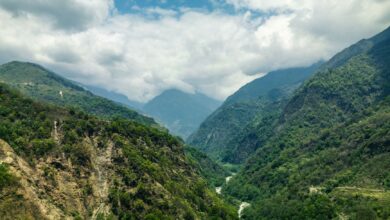
The landscape reads like a deliberate act of abstraction. Rivers cut silver lines through bone-dry valleys. Villages of whitewashed stone houses cling to ridges at angles that seem structurally improbable. The Spiti River, a tributary of the Sutlej, runs brown and cold through the valley floor, flanked by eroded cliffs that shift from rust to ochre depending on the hour and the light. Photographers who arrive expecting a manicured version of the Himalayas leave with something rawer and harder to caption.
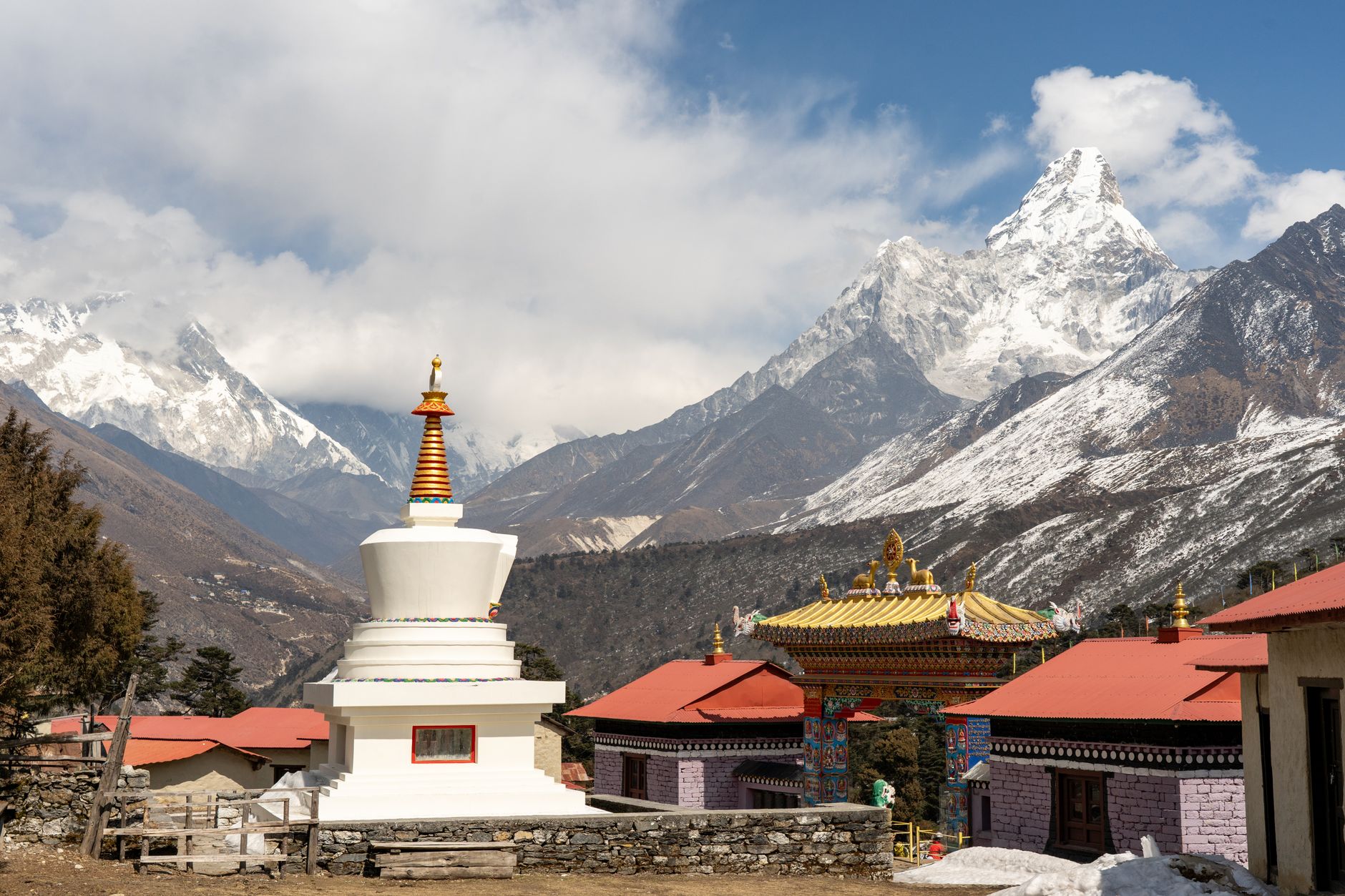
The monasteries here are less tourist infrastructure and more active religious communities. Key Monastery, perched above the valley near Kaza, has functioned as a Tibetan Buddhist institution for roughly a thousand years. Dhankar Gompa, older still, occupies a position on a crumbling cliff that engineers would reject and monks have maintained for centuries. Neither charges the kind of entry fees that signal a venue orienting itself toward foot traffic. Both receive it anyway, from the particular type of traveler Spiti attracts – people who read before they go, who carry altitude sickness medication, who do not expect reliable electricity.
Kaza, the district headquarters and the closest thing Spiti has to an urban center, has a population that hovers around a few thousand. It has guesthouses, a handful of restaurants that serve thukpa and momos alongside surprisingly decent coffee, and a petrol station that travelers approaching from Manali treat with something close to reverence. There is no five-star hotel. There is no nightlife. There is, depending on what you came for, exactly enough.
How Spiti Compares to Zanskar Without Flattening Either
Zanskar’s draw is partly its difficulty. Reaching the Zanskar Valley from Leh involves a road that has only recently become partially accessible by vehicle for a longer season, and for years the primary winter route was the Chadar – a frozen river trek that operates at the intersection of endurance sport and spiritual experience. That trek has a waiting list mentality around it now, a social currency that Spiti has not yet accumulated to the same degree. For some travelers, that absence is the point.
Spiti has its own version of extreme access: the Chandratal Lake, a glacial high-altitude lake sitting above 4,200 meters near the Kunzum Pass, requires a short but demanding trek from the nearest road point and sits in a landscape so stripped of color that it produces a visual quiet that is genuinely disorienting. The Pin Valley, a side branch of the main Spiti corridor, serves as a snow leopard habitat and offers some of the best wildlife tracking in the Indian Himalayas for travelers willing to hire a local guide and move slowly. Travelers drawn to Pakistan’s Hunza Valley for its high-altitude isolation would find Spiti occupying a recognizable psychological register – that feeling of having arrived somewhere the infrastructure has not fully caught up with yet.
What Spiti offers that Zanskar currently cannot is a slightly more navigable solo entry point. The Manali-Kaza highway, while punishing, can be driven by a reasonably experienced motorcyclist or traveled by shared jeep on a loose schedule. Zanskar’s comparative remoteness is part of its identity, but it also creates a ceiling on who can access it without a guided expedition. Spiti sits just below that ceiling – difficult enough to filter out the entirely unprepared, accessible enough that a solo traveler with two weeks, a flexible itinerary, and no fear of altitude can move through it independently.
The Window Is Narrower Than It Looks
The honest calculus for anyone considering Spiti is this: the months between mid-June and mid-September offer the most reliable access and the most forgiving conditions, which also means those months carry the bulk of the visitors the valley sees. July and August bring rain to much of India, but Spiti sits in a rain shadow that keeps precipitation low even as the rest of Himachal Pradesh is soaked. That rain shadow is a geological accident that functions, for the traveler arriving in August when most mountain regions are muddy and difficult, like a very specific kind of luck. September is widely considered the sharpest month – the summer crowds thin, the light gets longer and more horizontal, and the passes are still open, though the nights drop fast toward freezing. Book accommodation in Kaza or the village homestays around Langza and Komic before you arrive, because availability in September does not flex the way casual planning assumes it will.