Indonesia’s Komodo Islands Open Underwater Observatory Hotels for Dragon Tourism

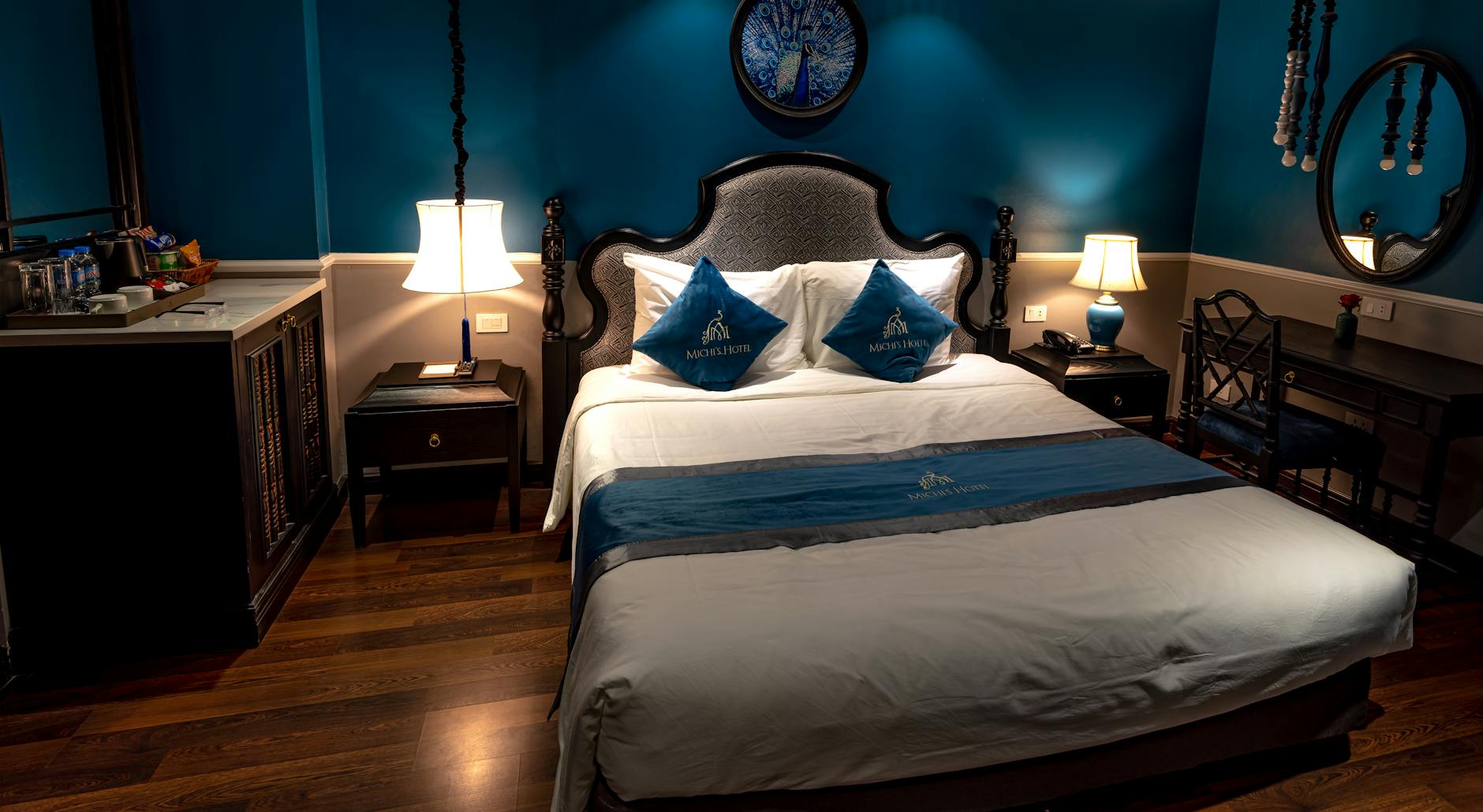
The world’s most dangerous lizards now have premium viewing rooms beneath the waves. Indonesia’s Komodo National Park has opened its first underwater observatory hotels, offering travelers unprecedented access to marine life while staying near the legendary Komodo dragons’ habitat.
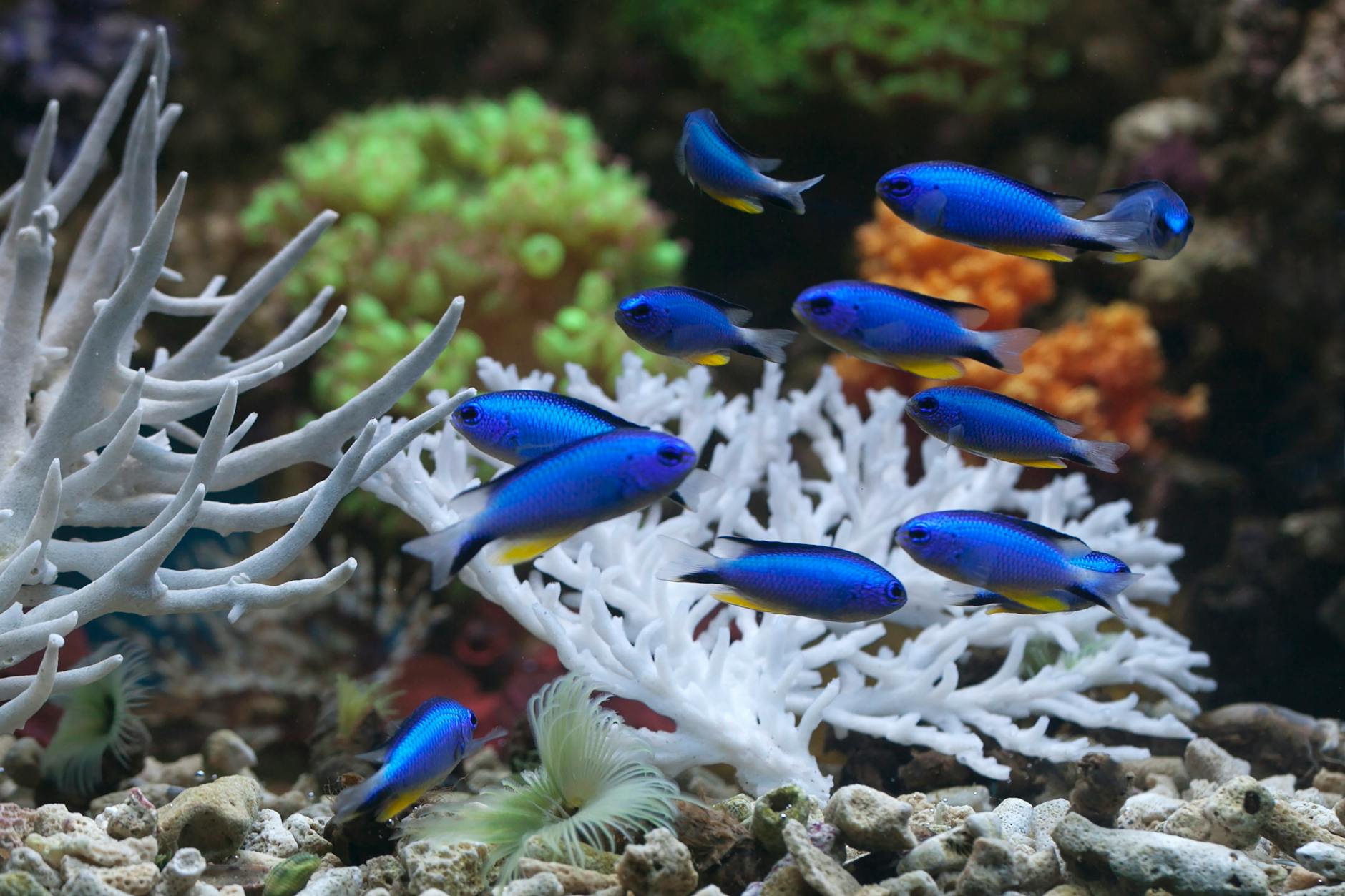
The floating accommodations, anchored in the crystal-clear waters between Komodo and Rinca islands, feature submerged observation decks where guests can watch manta rays, reef sharks, and tropical fish through floor-to-ceiling windows. Each suite sits partially underwater, creating an immersive experience that combines luxury hospitality with marine conservation education.
Revolutionary Design Meets Dragon Territory
The observatory hotels represent a breakthrough in sustainable tourism architecture. Built with reinforced glass panels and eco-friendly materials, these structures withstand ocean currents while minimizing environmental impact on the surrounding coral reefs. The hotels accommodate just 24 guests at a time, ensuring minimal disruption to the marine ecosystem.
Each underwater suite includes a living area positioned four meters below sea level, connected to surface-level sleeping quarters and amenities. The submerged sections maintain constant temperature through advanced climate control systems, while pressure equalization technology ensures guest comfort at depth.
The design draws inspiration from research stations, but with luxury touches like private decks, premium bedding, and gourmet dining prepared by Indonesian chefs. Guests access their underwater rooms via spiral staircases, creating a sense of descending into an aquatic world.
Marine Life Encounters and Dragon Expeditions
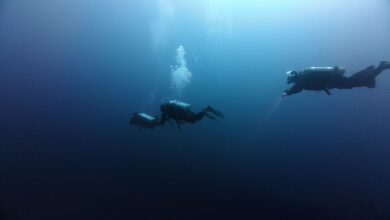
The hotels’ location in the heart of the Coral Triangle provides unparalleled marine biodiversity viewing. Guests regularly spot whale sharks, dolphins, and sea turtles from their underwater lounges. The morning hours offer the best visibility, when sunlight filters through the water creating natural spotlights on passing marine life.
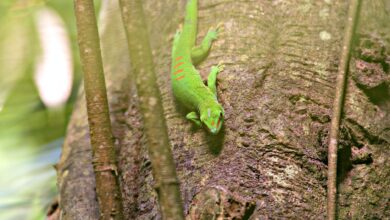
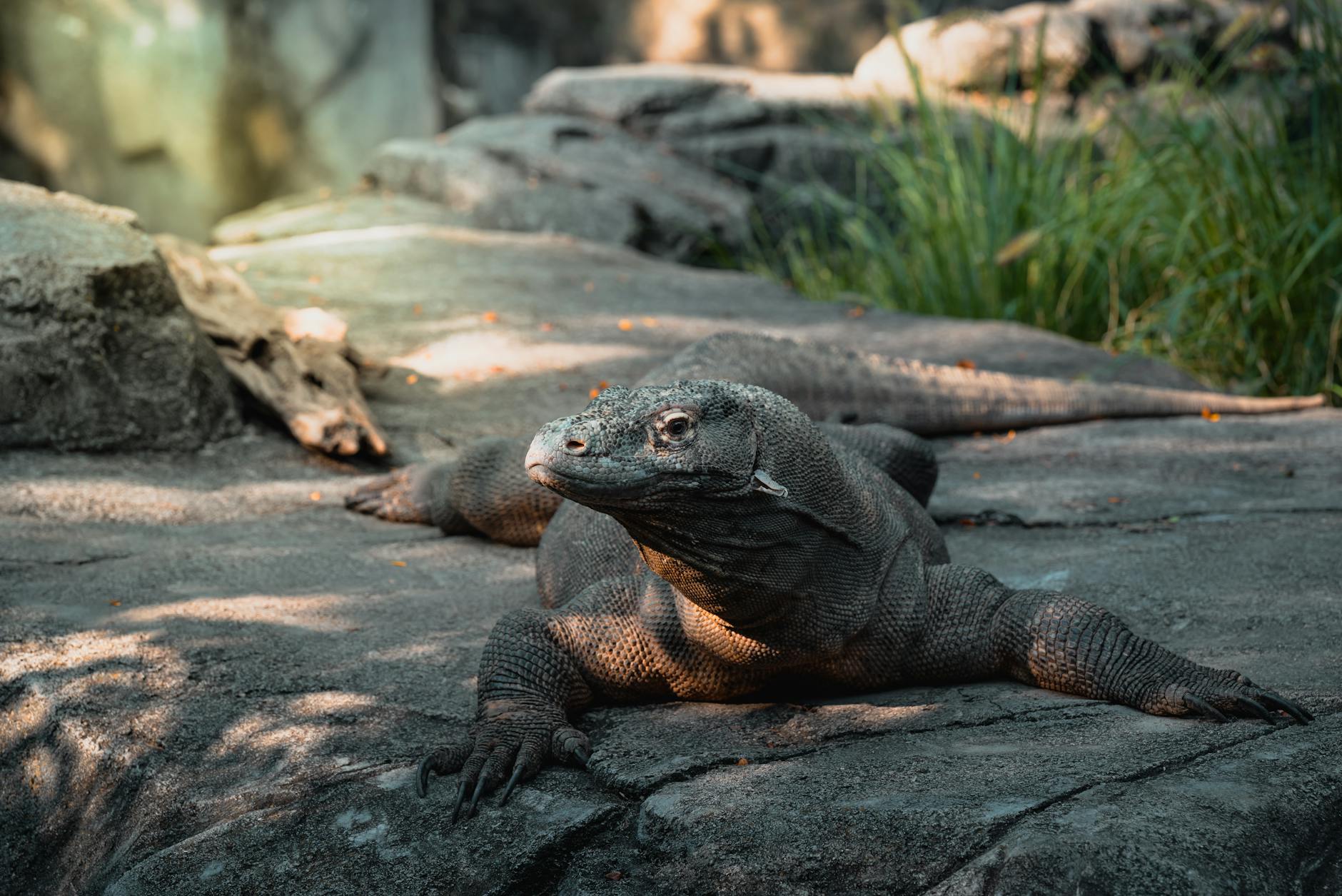
Daily excursions to Komodo and Rinca islands remain the primary draw for most visitors. These guided treks offer close encounters with the world’s largest lizards, some reaching three meters in length and weighing over 70 kilograms. Park rangers accompany all groups, sharing knowledge about dragon behavior and conservation efforts.
The hotels partner with marine biologists to offer educational programs about coral restoration and ocean conservation. Guests can participate in reef monitoring activities, learning to identify coral species and track fish populations. These citizen science opportunities add depth to what could otherwise be purely recreational travel.
Similar conservation-focused luxury experiences are emerging globally, including Rwanda’s elevated gorilla viewing platforms that combine wildlife encounters with habitat protection.
Booking Details and Conservation Impact
The underwater observatory hotels operate year-round, with peak season running from April to December when seas are calmest and visibility reaches 30 meters. Three-night packages start at approximately $800 per person, including all meals, dragon island excursions, and guided snorkeling sessions.
Reservations require booking at least six months in advance due to limited capacity. The hotels accept just four groups weekly, with each stay contributing directly to Komodo National Park conservation programs. Thirty percent of revenue funds ranger salaries, equipment purchases, and community development projects in nearby fishing villages.
The Indonesian government partnered with marine architects and hospitality developers to create these facilities while maintaining strict environmental standards. Construction used locally sourced materials where possible, and all waste systems operate on closed-loop principles to prevent ocean contamination.
The project also provides employment for local communities, training residents in hospitality, marine guiding, and boat operation. Former fishing families now work as cultural interpreters and boat captains, sharing traditional knowledge about local waters and wildlife behavior.
Future of Underwater Tourism
The success of Komodo’s underwater hotels signals growing demand for immersive nature experiences that balance luxury with conservation. Similar projects are planned for other Indonesian marine parks, including Raja Ampat and Bunaken, each tailored to local ecosystems and wildlife viewing opportunities.
The hotels’ innovative approach to sustainable tourism could influence development in other biodiversity hotspots worldwide. By limiting guest numbers while maximizing conservation impact, this model demonstrates how high-end tourism can support environmental protection rather than threaten it.
Technology continues improving underwater viewing experiences, with advances in glass manufacturing and pressure management systems making such accommodations more feasible. The Komodo hotels feature some of the largest underwater viewing panels ever installed in hospitality settings, creating truly cinematic perspectives on marine life.
As ocean tourism evolves, these pioneering accommodations establish new standards for combining adventure travel with scientific education and habitat preservation. The Komodo underwater observatory hotels prove that the most extraordinary travel experiences often emerge from protecting the planet’s most precious ecosystems.
The next phase of development includes expanded research facilities and partnerships with international marine institutes, positioning the hotels as centers for ocean conservation research as well as premium tourism destinations.
Frequently Asked Questions
How deep are the underwater hotel rooms in Komodo?
The underwater observation areas are positioned four meters below sea level with surface-level sleeping quarters.
When is the best time to visit Komodo’s underwater hotels?
Peak season runs April to December when seas are calmest and underwater visibility reaches 30 meters.