
The Coral Triangle’s Best-Kept Secret
Raja Ampat gets the headlines, the Instagram posts, and the long waitlists at overwater bungalows. Meanwhile, tucked inside the Gulf of Tomini in Central Sulawesi, the Togean Islands have been quietly hosting some of the most diverse marine encounters in Southeast Asia – with a fraction of the foot traffic and none of the premium pricing. The archipelago spans roughly 700 square kilometers of protected water and sits within the Coral Triangle, the global epicenter of marine biodiversity, where the sheer variety of reef ecosystems in a single day’s snorkeling can outpace destinations twice as famous.
What separates Togean from the crowded conversation about Indonesia’s top dive spots is not just what lives beneath the surface – it is how accessible all of it remains. There are no direct flights. There is patchy electricity in most guesthouses. The boat rides between islands take longer than most travelers expect. And yet, the snorkelers who make the journey tend to extend their stays, often by a week, sometimes by two.
Four Reef Types, One Archipelago
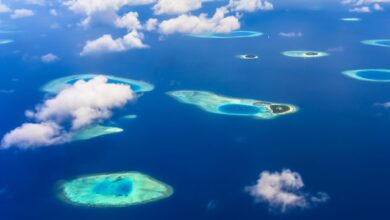
Most snorkeling destinations offer one dominant reef type. Togean offers four: barrier reefs, fringing reefs, patch reefs, and atoll reefs – all within easy boat distance of each other. The Malenge area is known for shallow coral gardens that extend for hundreds of meters in clear, calm water, making it ideal for beginners and children who want long, unhurried surface swims rather than deep dives. The atolls near Batudaka, by contrast, produce a drop-off effect where the reef shelf ends and the water falls away into deep blue, giving snorkelers that specific vertigo of floating above something vast.
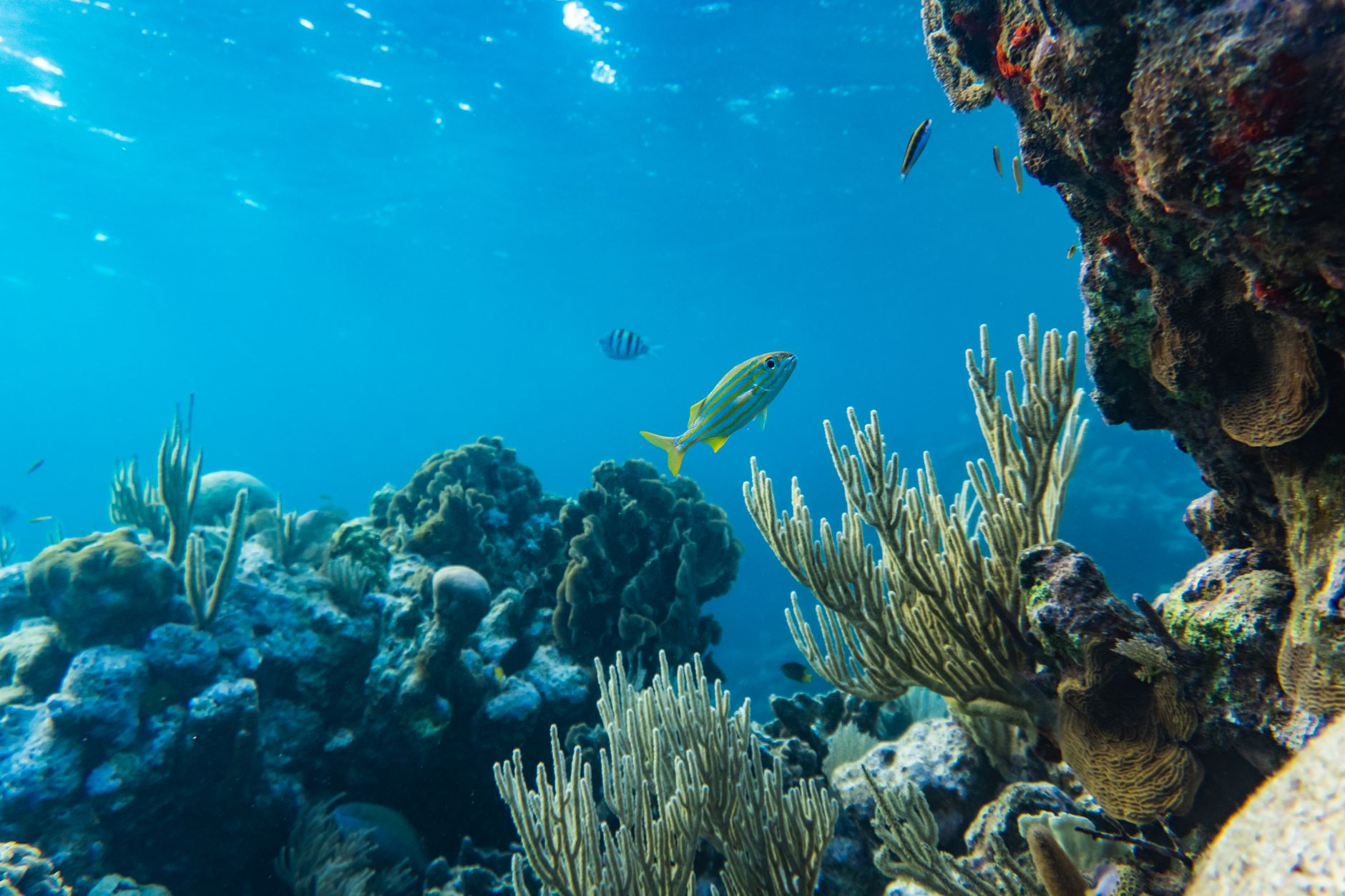
The sheer concentration of soft and hard coral varieties here is difficult to overstate without sounding hyperbolic, so consider the specifics: on a single morning’s float, it is routine to pass through fields of table coral, brain coral, staghorn formations, and sea fans the size of dining tables. Visibility in the dry season, which runs roughly from April through October, frequently exceeds 20 meters. What makes Togean unusual even within this region is that its relative isolation has kept anchor damage and bleaching stress lower than many comparable sites in Indonesia, where tourism pressure has visibly degraded coral in accessible zones.
The Jellyfish Lake Factor
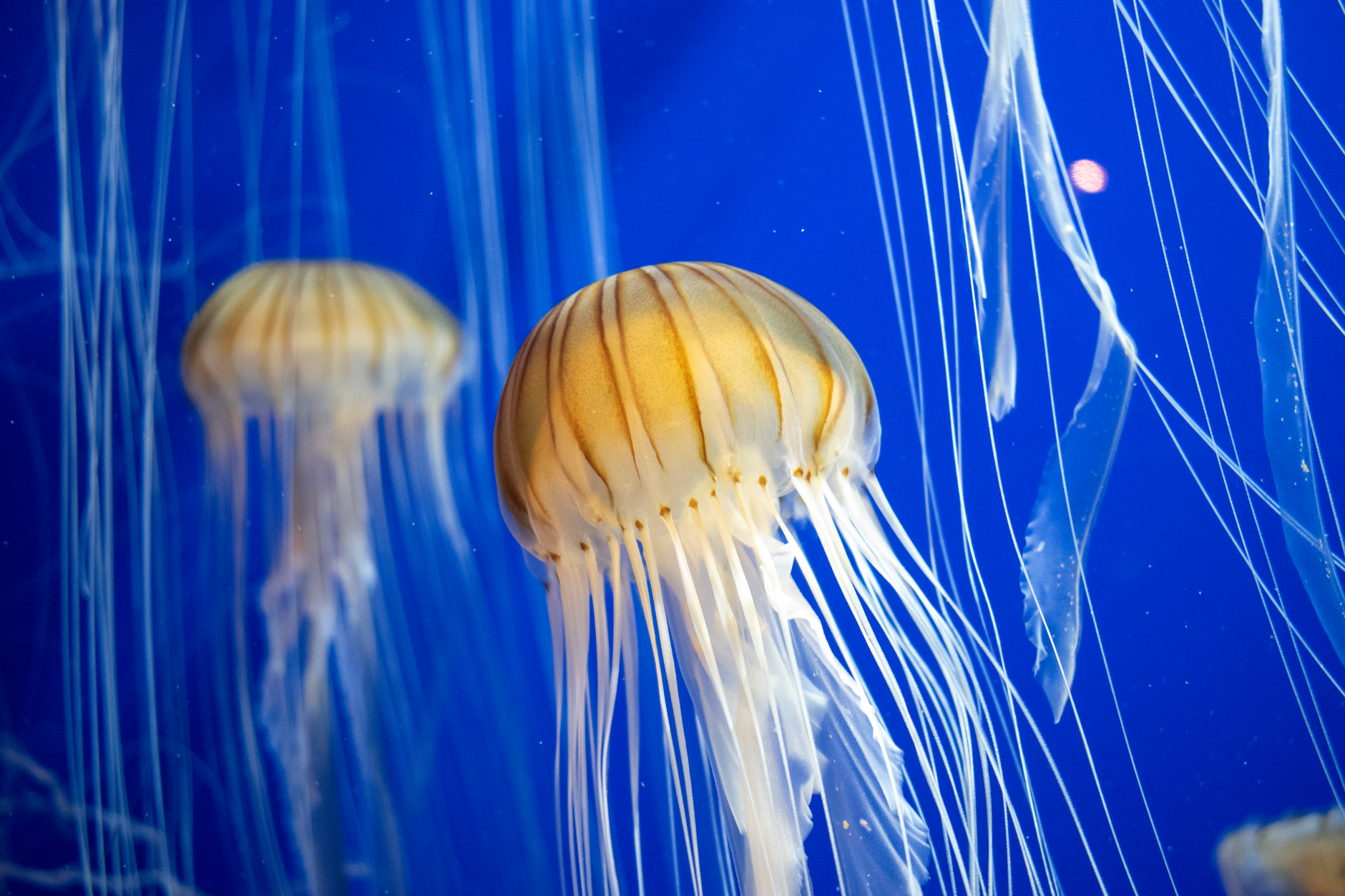
The Togean Islands contain one of the few marine lakes in Indonesia where stingless jellyfish have evolved in isolation. The lake near Pulau Kakkakamora attracts snorkelers who want the surreal experience of floating surrounded by hundreds of jellyfish with no risk of being stung – a rare sensory encounter that has no equivalent at Raja Ampat or Komodo. The jellyfish have lost their stinging function over generations because they have no predators in the enclosed lake environment, and they move in slow, pulsing clouds through shafts of sunlight that penetrate the surface.
This is not a manufactured attraction or a guided performance. You swim into the lake on foot after a short walk through the island’s interior, drop into the water, and the jellyfish are simply there, drifting around you. The experience lasts as long as you want it to. There is no entry queue, no timed slot, no guide counting your minutes.
Getting There Without a Tour Package
The most common route into Togean runs through Ampana, a small port town on Sulawesi’s northern coast reachable by flight to Luwuk or by bus from Palu or Tentena. From Ampana, public ferries depart for the main island clusters on a schedule that loosely follows posted times – arrive early, carry snacks, and treat the crossing as part of the experience rather than an obstacle to it. The ferry itself takes between three and five hours depending on destination, cutting across open water before threading between forested islands.
Wakai is the most functional hub in the archipelago, with a small market, fuel supply, and several guesthouses that cater specifically to snorkelers and divers. From Wakai, local boat charters to the best snorkeling sites run significantly cheaper than comparable arrangements at Raja Ampat, and most guesthouses can organize daily trips that cover multiple sites without requiring a full dive certification or equipment rental. Snorkel gear rental is available at the main accommodations, though bringing your own mask and fins ensures fit and comfort over multiple long sessions in the water.
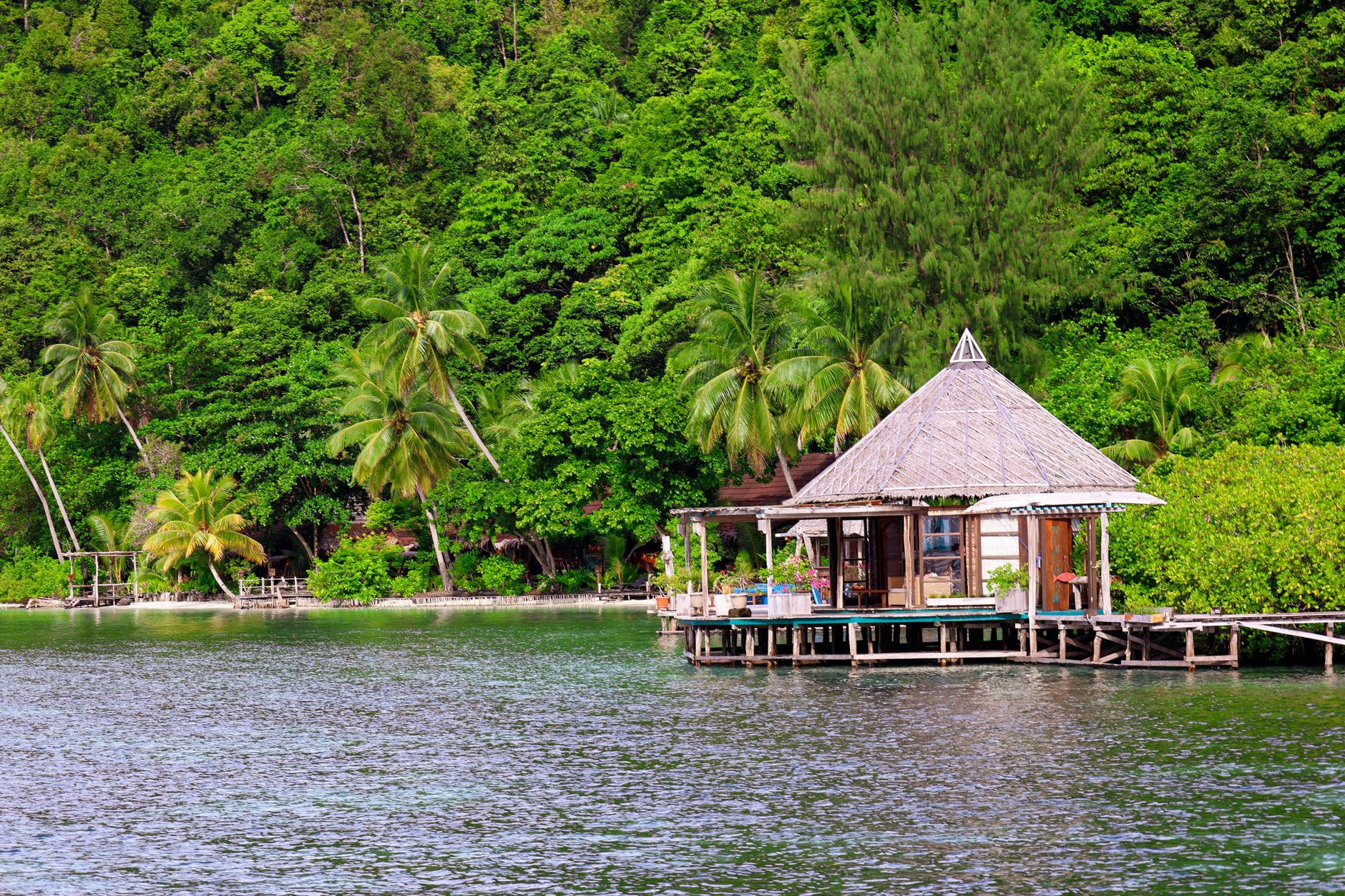
Accommodations range from basic wooden bungalows directly over the water to slightly more developed lodge-style rooms on the beach. Electricity is often limited to evening hours. Mobile data is inconsistent. Both of these realities contribute directly to the quality of the experience – the lack of connectivity removes the ambient distraction that follows most modern travelers, and the quiet that results is part of what draws people back.
Why Now Matters More Than You Think
The Togean Islands National Park designation has provided some structural protection for the reef system, but it has not resolved the ongoing tension between conservation and the incremental growth of tourism infrastructure. A small but growing number of operators are beginning to market the archipelago to international travelers, and the sites that are currently easy to visit alone or in small groups will eventually attract the coordination problems – boat congestion, anchor dropping, reef contact – that have compromised similar sites elsewhere in Indonesia.
There is also the question of seasonal timing. The wet season, which typically peaks between November and March, brings rougher seas and reduced visibility, making several of the outer reef sites genuinely inaccessible for days at a time. Traveling in shoulder season – April or October – balances decent water conditions with fewer visitors than the July and August peak, when the guesthouse capacity at Wakai and Kadidiri can fill up enough that arriving without a booking becomes risky.
For snorkelers specifically, the Togean Islands offer something Raja Ampat currently cannot: the feeling that you have arrived somewhere before the story became widely known. That window does not stay open indefinitely, and the reef itself is the clearest reason not to wait.