
The Castle Route Nobody Talks About
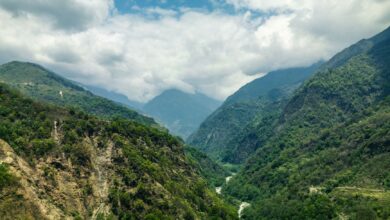
Cappadocia gets the photographers, the hot air balloons, and the Instagram queues. But tucked into the Alborz Mountains of northern Iran, the Alamut Valley has been quietly accumulating a different kind of traveler – one who comes for the fortresses, stays for the silence, and leaves with the distinct sense of having found something most people never will. The valley stretches roughly 100 kilometers northwest of Tehran, threading through dramatic gorges and terraced villages where the Assassin lords of the medieval Nizari Ismaili state once ruled from near-impenetrable heights.
The comparison to Cappadocia is not decorative. Both regions offer layers of rock-carved and mountain-perched history, dramatic landscapes that shift color by the hour, and a density of ruins that rewards slow travel far more than day-tripping. Where Cappadocia delivers fairy chimneys and underground cities, Alamut counters with a string of eagle’s nest fortresses overlooking valley floors still worked by local farmers growing walnuts and pomegranates. The difference is footfall. Cappadocia handles millions of visitors annually. Alamut, on most weekends, sees a few dozen.
That gap is narrowing.
Alamut Castle and the Assassin Legacy
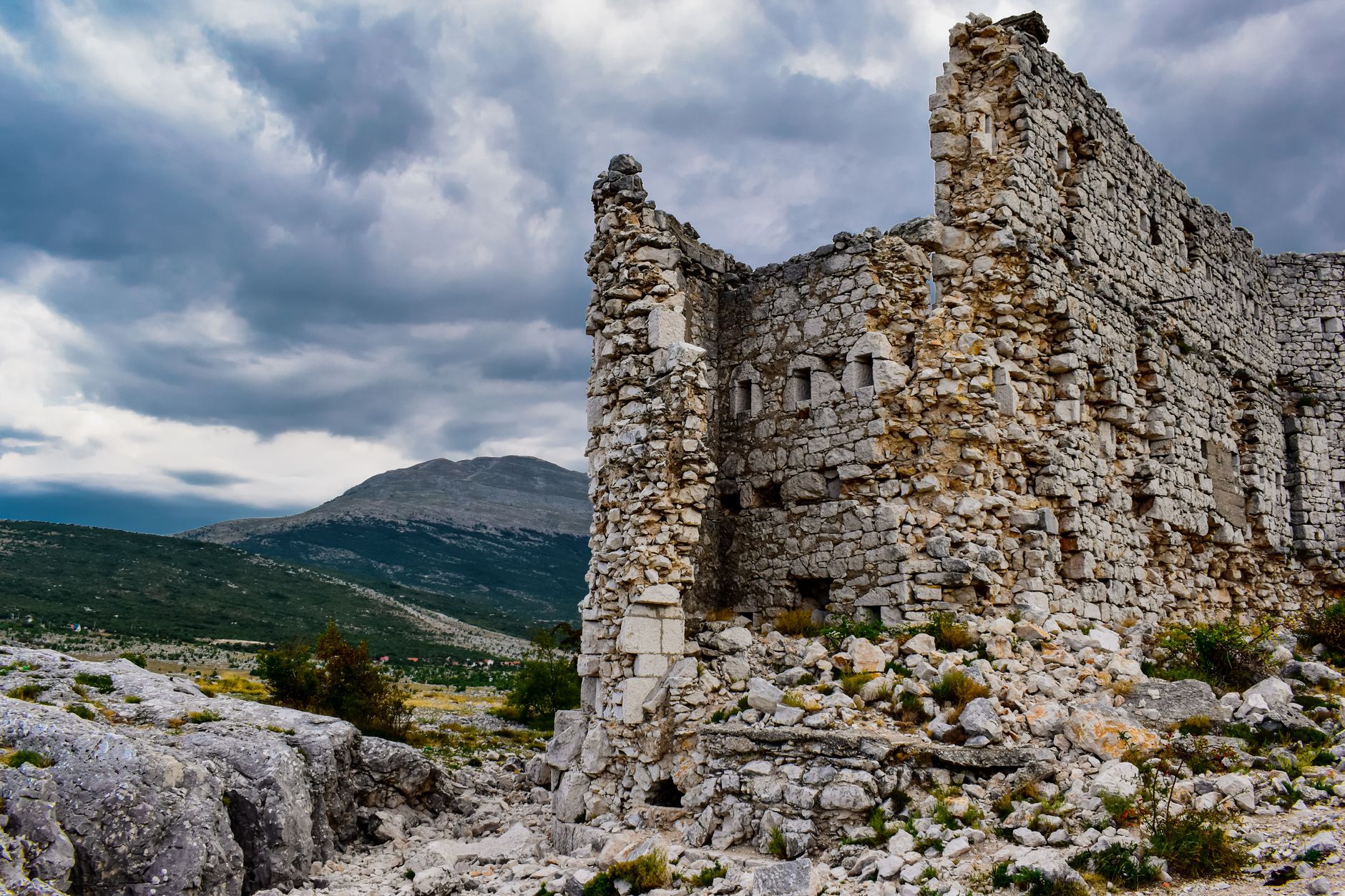
The valley’s anchor is Alamut Castle itself, perched on a narrow rock spine at roughly 2,100 meters above sea level. Construction dates to the 9th century, though the fortress rose to international notoriety under the Nizari Ismaili leader Hassan-i Sabbah, who seized it in 1090 and turned Alamut into the seat of a political and military network that extended across Persia and Syria for nearly 170 years. Marco Polo passed through this region and left descriptions vivid enough that “The Old Man of the Mountain” entered European imagination as a figure of near-mythic power. The Mongols demolished the castle in 1256. What remains – rock-cut cisterns, foundation walls, fragments of plaster – sits inside a restoration project that has been adding modest visitor infrastructure for the better part of a decade.
Getting there requires commitment. Most travelers drive from Qazvin, the nearest city with reliable accommodation, along a road that follows the Shahrud River before beginning a steep climb through villages like Gazorkhan. The final approach to the castle involves a 30-to-40-minute uphill walk on a maintained but strenuous path. At the top, the views justify every step: the valley spreads out in terraced green and ochre below, ringed by peaks that hold snow well into spring. The site has a small admission fee, a single tea seller near the base on busy days, and almost nothing else by way of tourist infrastructure.
That austerity is, for a growing subset of travelers, the appeal. The Assassin history alone draws readers of Bernard Lewis and fans of historical fiction who want to stand inside the actual geography rather than consume a packaged version of it. The fortress ruins are genuine rather than restored to photogenic smoothness, which means crumbled edges and root-cracked walls that communicate age rather than theme park approximation.
Beyond Alamut: Lambsar, Nevisar Shah, and the Valley Villages
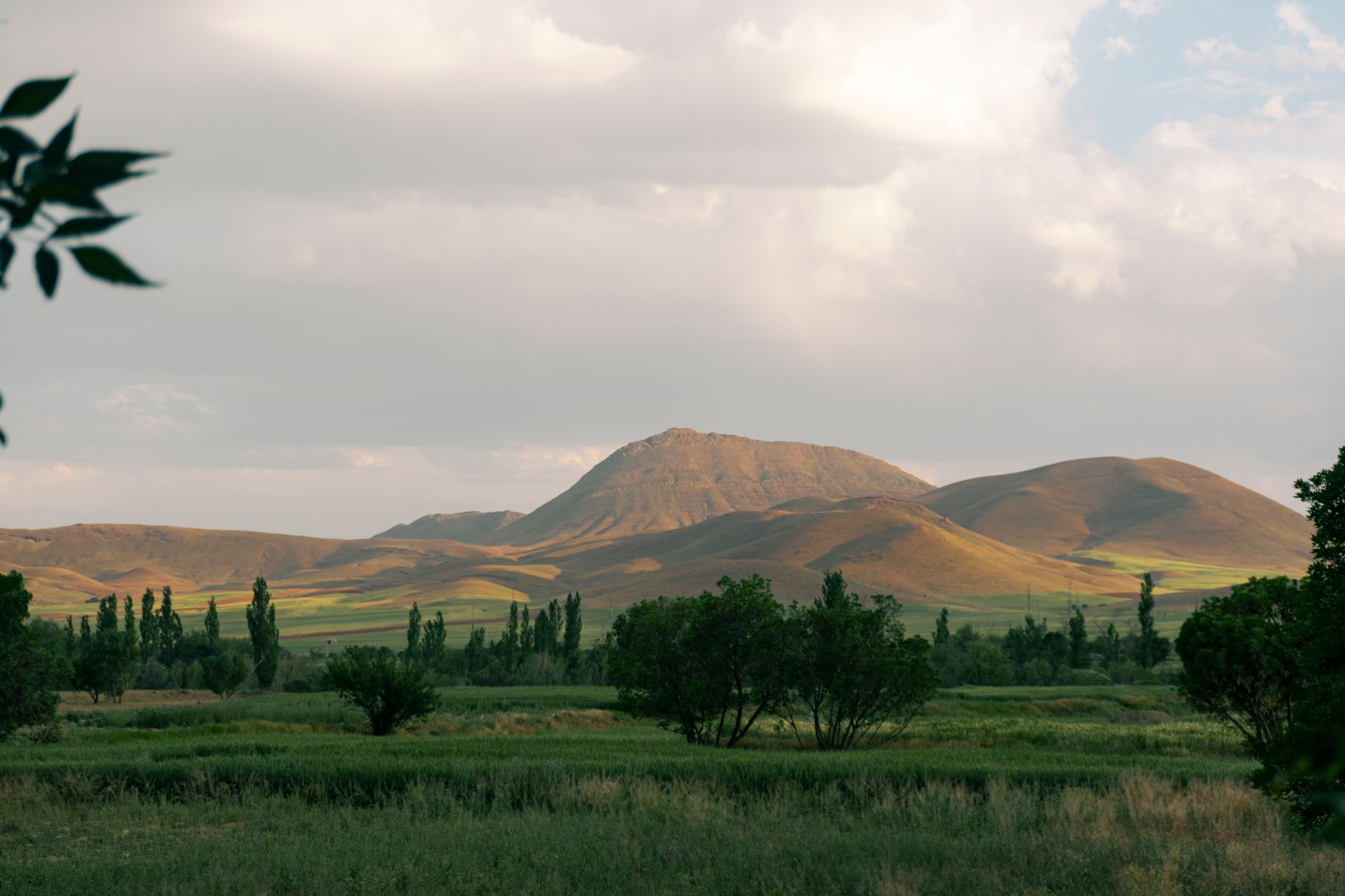
Alamut Castle is the headliner, but the valley holds more. Lambsar Castle, often overlooked even by visitors who make it to Alamut, sits to the west and requires a longer hike through agricultural land and rocky terrain. It is less visited and less restored, meaning sections of it are accessible only with careful footing and a tolerance for ambiguity about what exactly you are looking at. Nevisar Shah, higher still, sits above the snowline for much of the year and demands proper mountain gear and a guide. For travelers who want to string these sites together, a minimum of three days in the valley is the practical baseline, with five days allowing for the kind of unhurried wandering the region rewards.
The villages along the valley floor contribute a layer of experience that pure ruin-chasing misses. Garmarud and Andej are small enough that walking through them draws curious rather than commercial attention. Guesthouses exist – family-run, basic, occasionally brilliant in terms of the food produced from local gardens – but advance contact through a Tehran-based tour operator is strongly advisable rather than counting on walk-in availability. Persian is the working language of the valley, and outside of Qazvin, English is rare. Hiring a local guide doubles as hiring a translator, which changes the nature of interactions at sites and in villages dramatically.
The seasonal timing question matters more here than in most destinations. Spring, from late March through May, brings the valley to full color: wildflowers on the slopes, cold rivers running fast, and the kind of light that makes the gray rock of the castle ruins look almost warm. Autumn works nearly as well. Summer is manageable but hot in the lower elevations. Winter closes most of the upper routes and makes Nevisar Shah genuinely dangerous without specialized mountaineering experience.
Logistics, Visas, and the Honest Friction
Iran travel requires advance visa planning. Citizens of most Western countries can apply for a visa on arrival at major Iranian airports, though this carries conditions and processing uncertainty that make advance application through an Iranian embassy or a specialist travel agency the more reliable path. Travelers holding passports with certain prior entry stamps face additional complications that vary by nationality and change with political circumstances – checking current official guidance before booking is not optional here, it is the foundation of the trip. The same political context means travel insurance that covers Iran specifically is worth investigating, as standard adventure travel policies sometimes exclude the country by name.
None of this is said to discourage. It is said because travelers who arrive at Alamut having done the homework tend to find the experience proportionally rewarding – the effort filters the crowd, and the crowd that remains is generally one worth talking to over dinner in a Qazvin guesthouse. The city of Qazvin itself, often used purely as a staging point for the valley, holds a covered bazaar, a reasonable archaeological museum, and a historical center that merits an evening rather than just a highway bypass.
The question for serious castle wanderers is not whether Alamut competes with Cappadocia on spectacle. It does not – the Turkish region has scale, access, and an entire ecosystem of tours, hot air balloon companies, and cave hotels that Alamut cannot match and has no ambition to. The real question is what kind of experience you are after: a region optimized for visitors, or a valley where the ruins are still in the process of being understood, where the tea seller may or may not be at the base of the path, and where the history is dense enough that two hours with a knowledgeable guide will reframe everything you thought you knew about medieval Islamic political power.
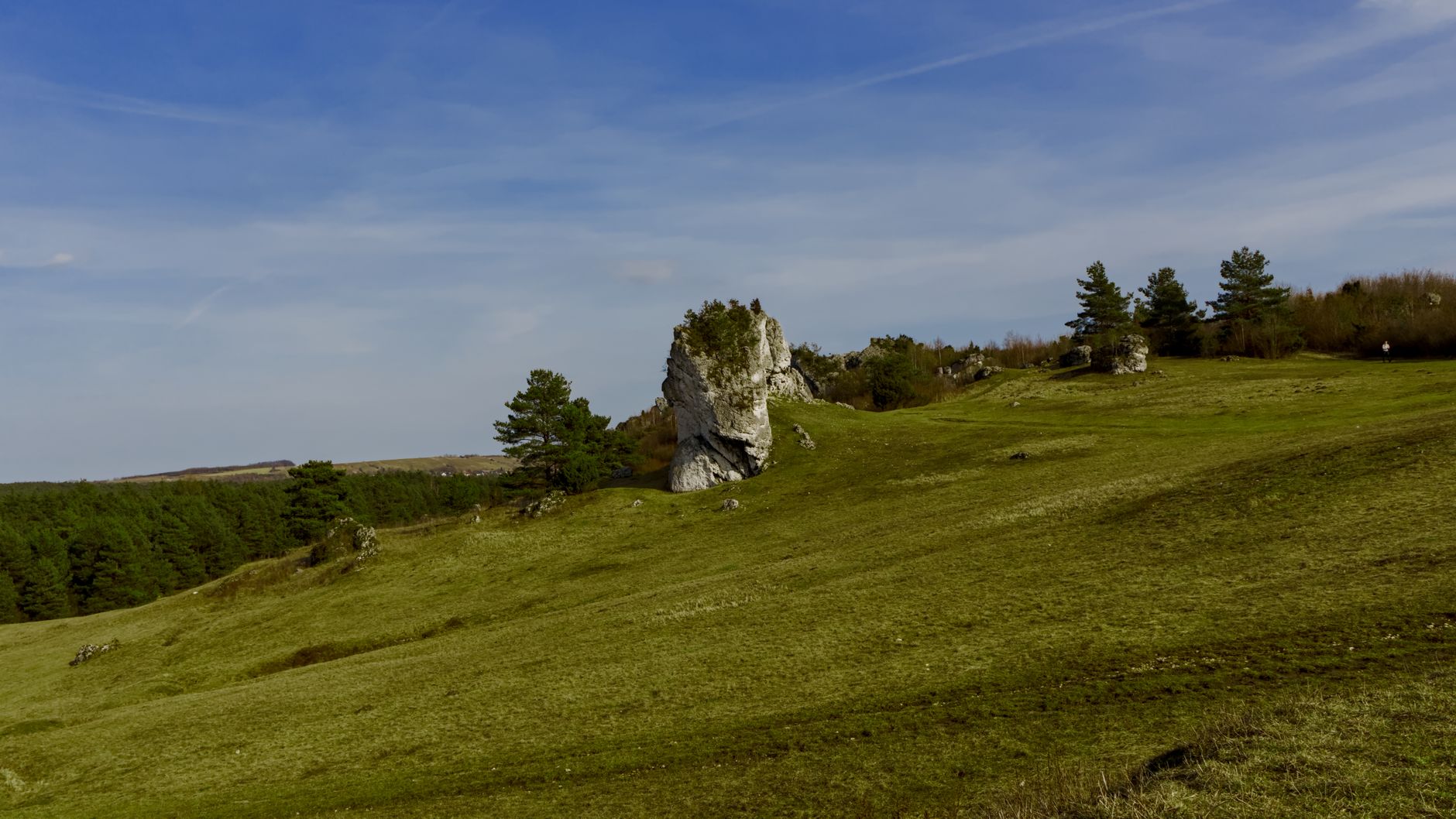
Alamut rewards the traveler who arrives knowing the story – who has read about Hassan-i Sabbah, who understands why a mountain fortress on a narrow rock spine in northern Iran became the organizational center of a movement that destabilized caliphates and terrified Crusader lords simultaneously. Show up without that context, and the ruins are just ruins. Arrive with it, and standing on that ridge above the valley becomes something else entirely.