
The City Istanbul Forgot to Mention
Isfahan sits at the geographic and cultural heart of Iran, and for centuries it served as the beating pulse of Silk Road commerce, where caravans from Central Asia unloaded saffron, silk, and lapis lazuli in the shadow of turquoise domes. Today, most Western travelers default to Istanbul when planning a historical city break along the old trade routes – understandable, given Turkey’s ease of access and familiar visa landscape. But those who have made it to Isfahan return with a quiet conviction: the comparison isn’t flattery. It’s accurate.
Isfahan’s Naqsh-e Jahan Square – translated roughly as “Image of the World” – was laid out in the early 17th century under Shah Abbas I and remains one of the largest public squares on earth. Its sheer architectural coherence, the way the Ali Qapu Palace, Sheikh Lotfollah Mosque, and the Grand Bazaar frame all four sides in near-perfect harmony, is the kind of urban design that stops conversation. Istanbul’s Grand Bazaar is louder and more famous. Isfahan’s is older, more intact, and far less crowded.
Architecture That Earns Every Superlative
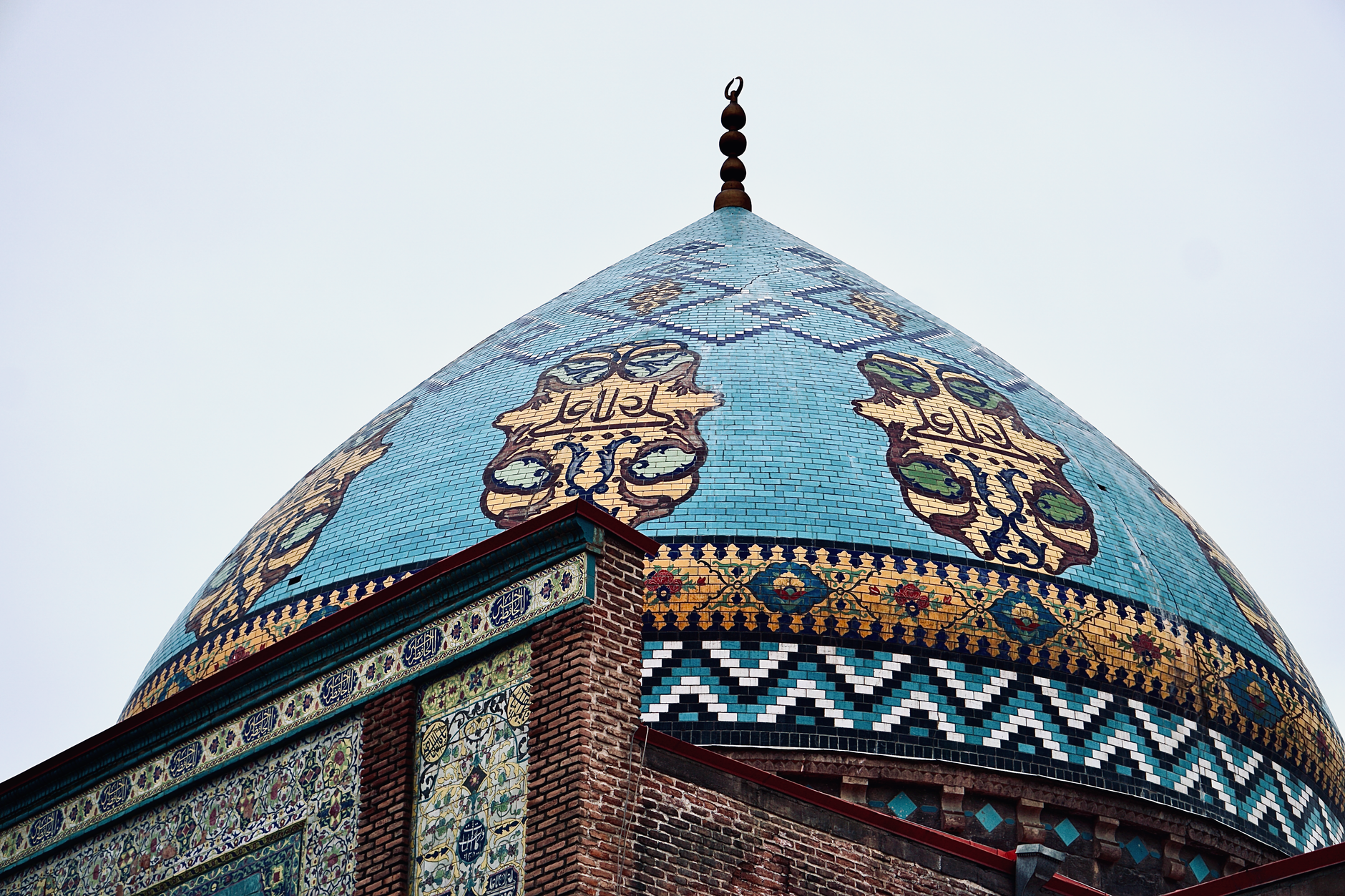
The Sheikh Lotfollah Mosque, built without a minaret and designed as a private royal chapel rather than a public house of worship, is arguably the finest example of Safavid-era tilework anywhere in existence. The interior dome shifts color across the day – cream and ivory in the morning, deepening to gold as afternoon light angles through the latticed windows. Travelers who arrive expecting something like the Blue Mosque in Istanbul often leave describing the Sheikh Lotfollah as more affecting, more intimate. There are no tour groups pressing in. There is no ticket line stretching around the block.
The Imam Mosque, directly across the square, takes a different approach entirely – massive in scale, almost theatrical in its ambition. The entry portal alone stands 27 meters tall. Inside, the acoustic phenomenon known locally as the “seven echoes” – stand under the central dome, clap once, and count the reverberations – has been drawing curious visitors for four hundred years. No staging, no technology. Just geometry.
Beyond the square, Isfahan’s Armenian Christian quarter of New Julfa tells a different story about the city’s history. Shah Abbas relocated a community of Armenian craftsmen and merchants here in the early 1600s, and the Vank Cathedral they built – with its frescoed interior blending Persian and European Christian visual traditions – is as historically layered as anything in Istanbul’s Hagia Sophia. The coexistence of these traditions in a single city is not incidental. It was deliberate policy, and the architecture reflects it.
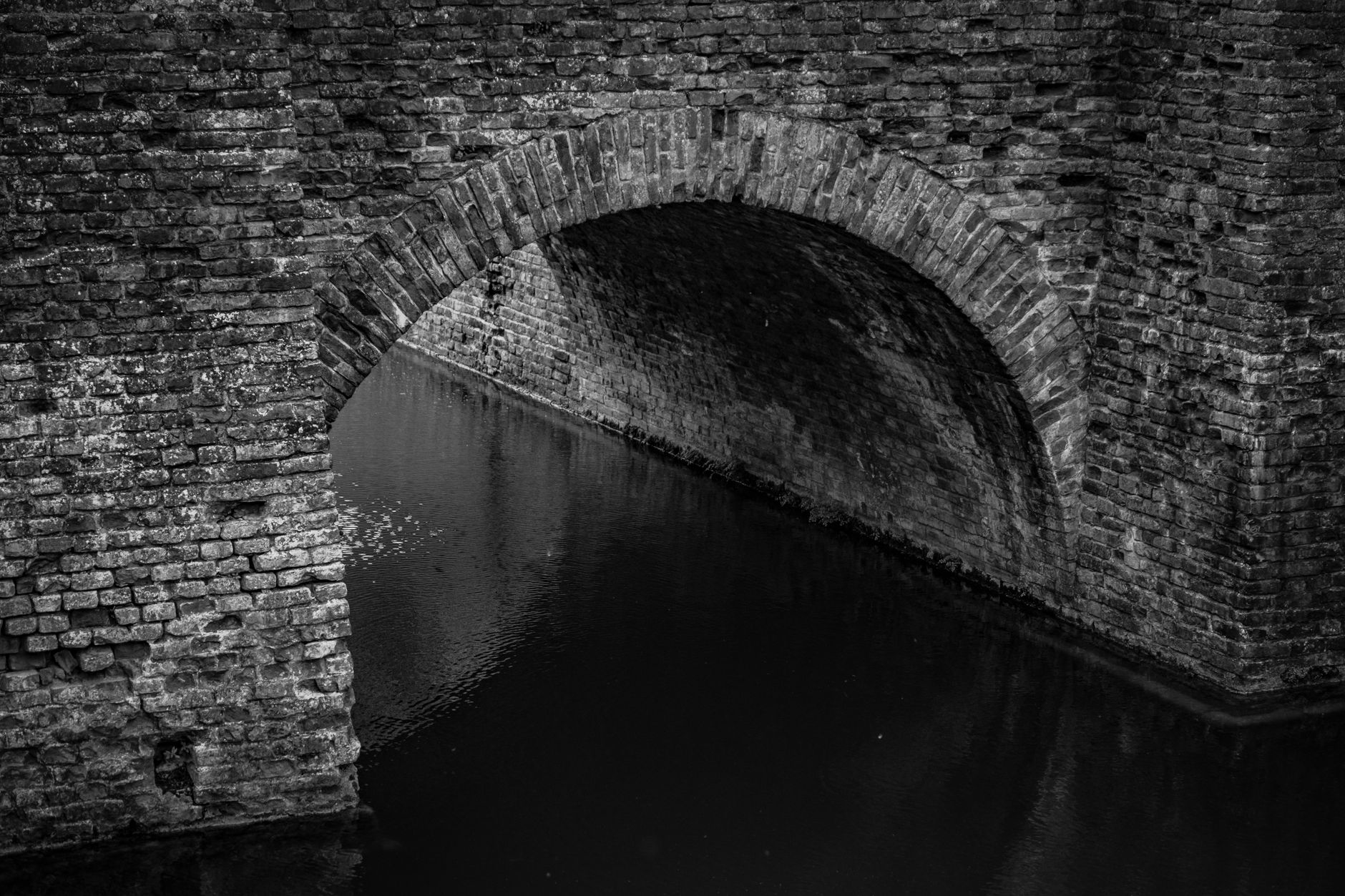
The Si-o-Se-Pol Bridge, spanning the Zayandeh River with 33 arches, functions as both infrastructure and social space. Locals gather on its lower walkways in the evenings, sitting on stone ledges with tea, watching the water. In warmer months, the scene beneath the arches feels closer to a Venetian evening than anything you’d expect from a city of two million people in central Iran. The bridge was built in 1602. It has never been replaced.
Getting There Is the First Obstacle
The practical reality of visiting Isfahan cannot be glossed over. American, British, and Canadian passport holders face significant restrictions – currently, independent tourist visas are either unavailable or require specific authorization processes, and many travelers from these countries visit through guided group tours, which remain the most common legal pathway. The geopolitical situation between Iran and several Western governments shifts periodically, so checking current visa conditions through official embassy channels before planning anything is non-negotiable.
Travelers holding passports from many European countries, along with visitors from East Asia, South Asia, and parts of Latin America, face fewer barriers and can obtain visas on arrival at Tehran’s Imam Khomeini International Airport. Isfahan itself has a domestic airport with regular connections from Tehran, or a roughly four-hour drive south through high desert that is, in itself, worth the journey.
Daily Life as the Real Draw
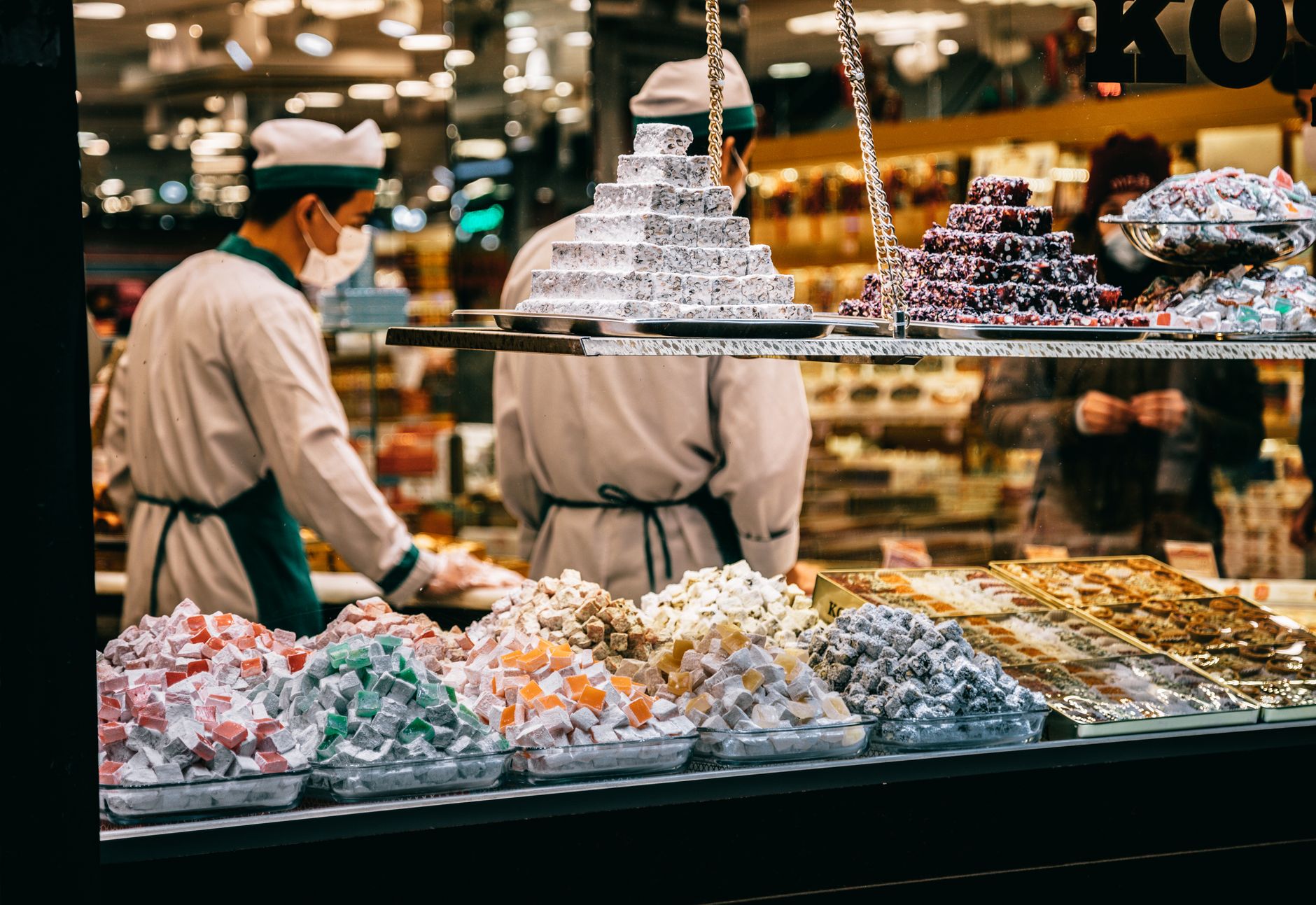
Isfahan’s food culture operates largely through its teahouses and the restaurants built into the old caravanserais along the bazaar’s outer corridors. The city is known within Iran for its gaz – a nougat-style confection made with rosewater, pistachios, and a plant sap called gaz, harvested from local shrubs. It is sold in ornate tins and tastes nothing like what the word “nougat” implies to most Western palates. Buying a box in the bazaar, from a vendor who has been selling the same family recipe for decades, is the kind of transaction that resists Instagram reduction.
The broader character of the city is one of quiet intellectual confidence. Isfahan has a major university, a well-educated population, and a street culture that tends toward curiosity rather than indifference toward foreign visitors. Conversations happen. Invitations to tea in private homes are not uncommon. This is the part of the travel experience that no itinerary can schedule, and the part that travelers cite most consistently when they talk about why Isfahan stays with them.
Isfahan’s relatively low profile among Western travelers means the physical experience of the city – the space inside its monuments, the unhurried pace of the bazaar, the evenings on the bridge – is categorically different from Istanbul’s, where the weight of global tourism is visible in every queue and every souvenir price. That gap may not last. A growing number of travelers from Southeast Asia, the Gulf states, and parts of Europe are already discovering what Silk Road scholars have long argued: that Isfahan was never secondary to anywhere. It was always a destination in its own right.
Frequently Asked Questions
Is Isfahan safe to visit as a tourist?
Many travelers from Europe and Asia visit Isfahan without incident, though conditions vary by nationality. Always check your government’s current travel advisory before booking.
Do I need a visa to visit Isfahan, Iran?
Visa requirements depend heavily on your passport. Some nationalities can get a visa on arrival in Tehran, while others face significant restrictions. Verify current rules through your country’s official embassy or consulate.