
A Free Zone in the Middle of Sanctions
Kish Island sits in the Persian Gulf about 19 kilometers off Iran’s southern coast, and for most Western travelers it barely registers as a destination at all. That invisibility is partly political, partly logistical, and partly a matter of reputation – Iran does not typically appear on anyone’s dream holiday shortlist. But for visitors from across the Arab world, South Asia, and increasingly from parts of East Africa and Central Asia, Kish has been operating as a functioning resort island for decades, drawing millions of arrivals each year to a place most Europeans and Americans have never heard of.
What makes Kish genuinely unusual is its legal structure. The island operates as a free economic zone, which means foreign nationals can enter without a visa for up to 14 days. That single policy separates Kish from the rest of Iran’s travel infrastructure and positions it as an accessible gateway for travelers who might otherwise skip the country entirely. It also creates a strange dual reality: an Iranian island that feels, in patches, more like a regional shopping hub and beach resort than anything connected to the constraints shaping the mainland.
What the Island Actually Offers
The appeal is not built around any single attraction. Kish works as a layered destination where duty-free shopping, warm Gulf waters, coral reefs, and a low-cost airline network arrive in the same package. The island has a dedicated domestic air hub with frequent connections to Tehran, Shiraz, Isfahan, and other Iranian cities, making it accessible to middle-class Iranian families looking for an affordable beach break. For visitors arriving internationally, charter and direct flights operate from Dubai, Doha, Muscat, Karachi, and several Central Asian capitals.
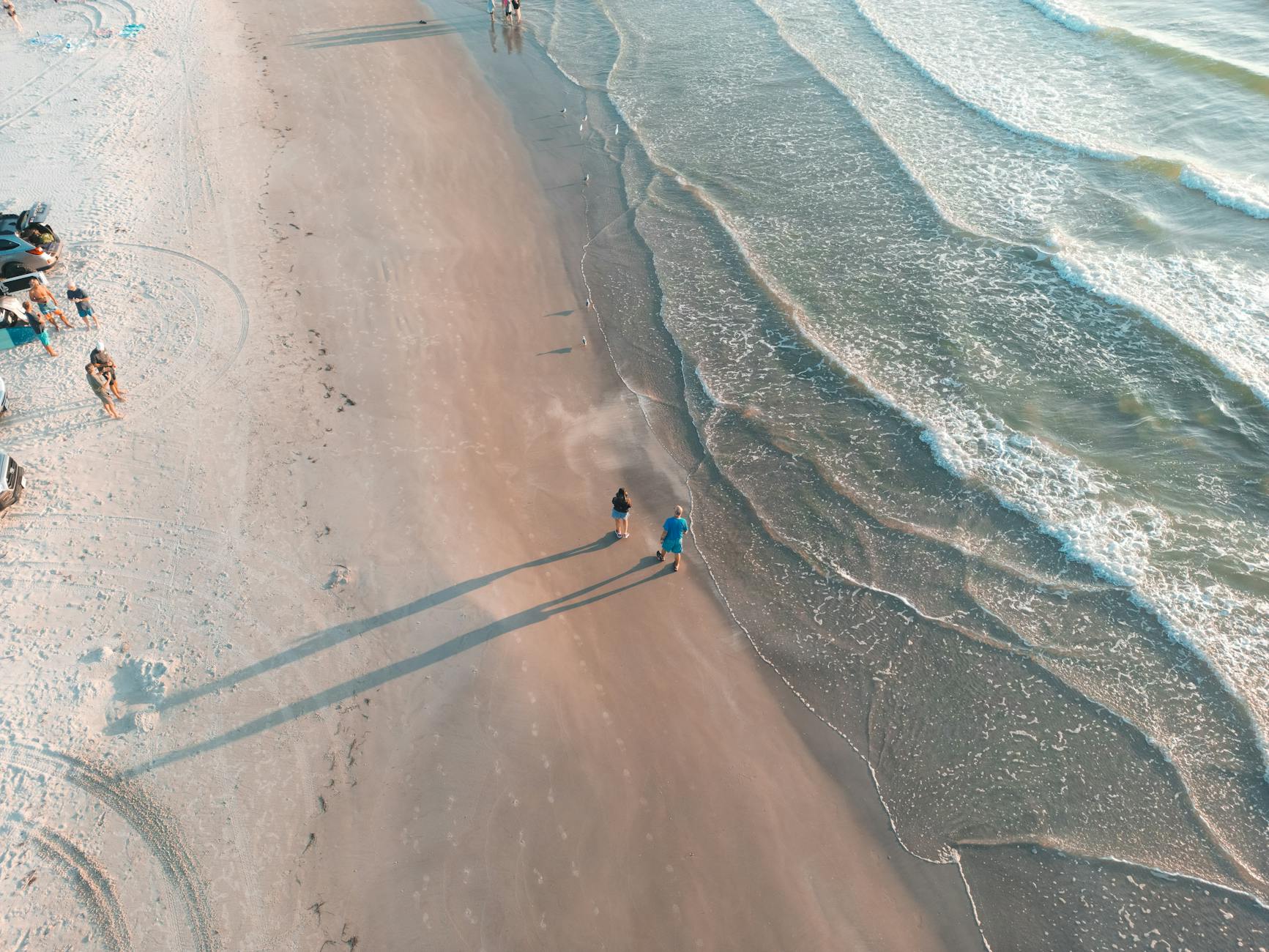
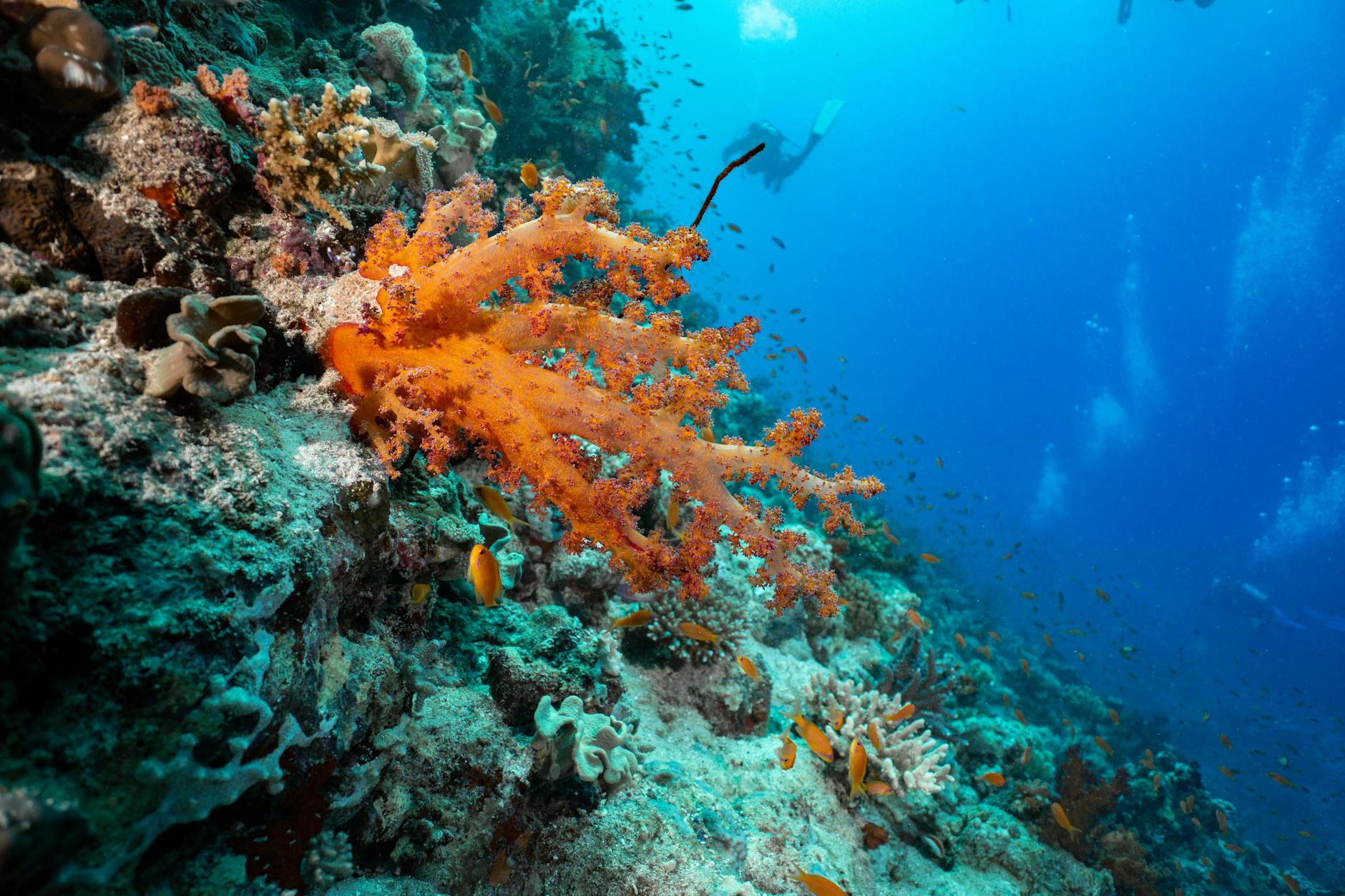
The coastline is the obvious draw. The water along Kish’s southern shore is clear, warm for most of the year, and relatively uncrowded by Gulf standards. The island has a coral reef system that attracts divers and snorkelers, and the beaches – while not lavishly developed – are clean and functional. Accommodation runs from budget guesthouses to mid-range hotels, and a handful of higher-end properties have opened over the past decade targeting Gulf tourists who want comfort without Dubai pricing.
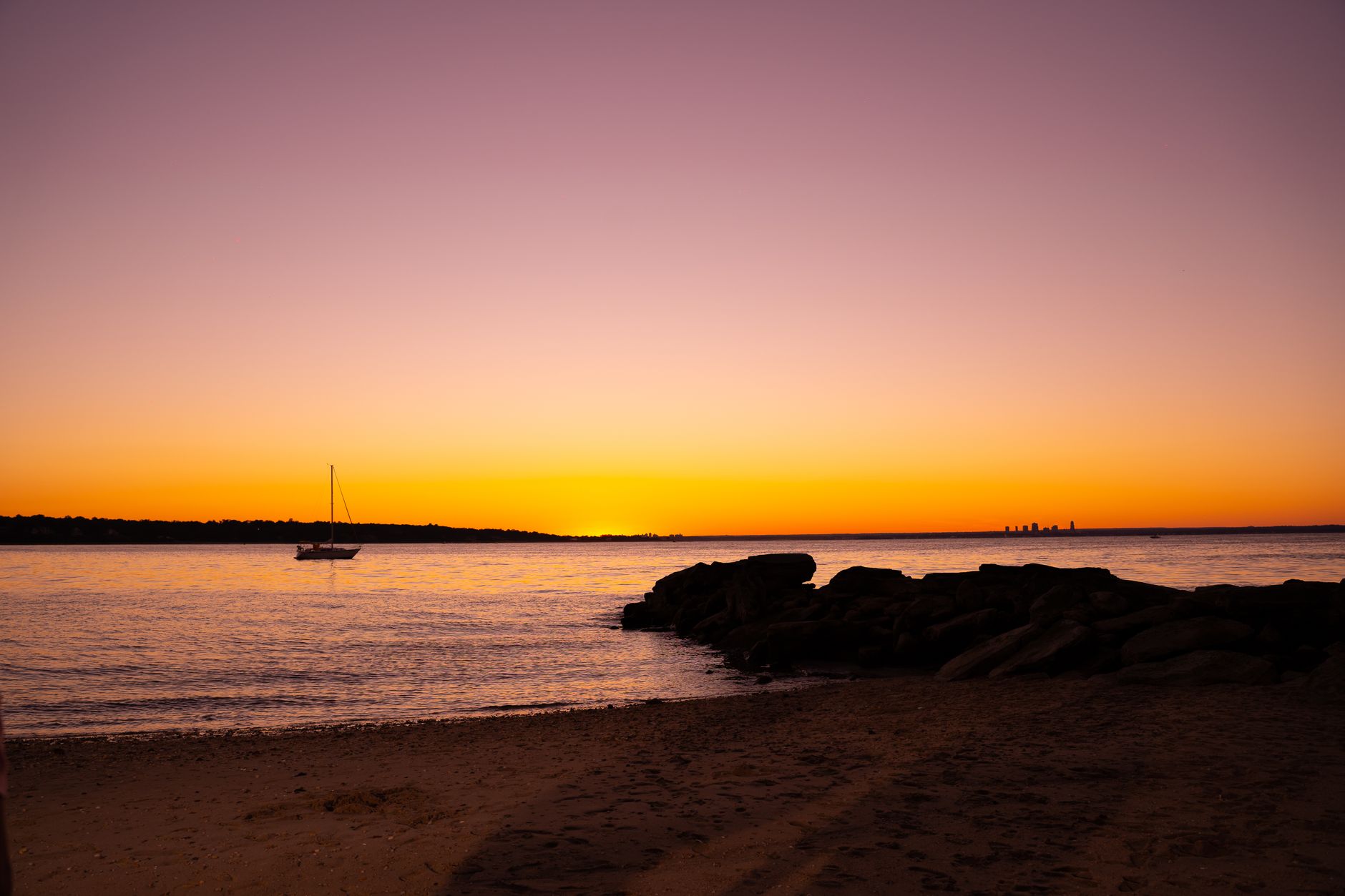
Shopping remains the engine driving much of the foot traffic. The island’s duty-free status means electronics, cosmetics, and branded goods can be purchased at significantly lower prices than on the Iranian mainland, and visiting Iranian nationals from the mainland treat Kish partly as a bargain-hunting trip. That commerce-first energy gives some parts of the island a slightly transactional feel, particularly around the main shopping complexes near Saffein and Sadaf. But step away from those zones and the island settles into something quieter – coral-colored sunsets, seafood restaurants on the waterfront, a historic underground city carved into the island’s limestone, and stretches of coast that see almost no one.
The Complication No Guidebook Can Fully Solve
Kish’s growth as a destination has always run alongside a set of complications that cannot be smoothed over with glossy marketing. Sanctions on Iran mean standard international payment systems do not function on the island. Credit cards issued outside Iran are useless. Travelers need to arrive with sufficient cash – typically US dollars or euros that must then be exchanged locally – and the exchange process itself can feel opaque for first-time visitors. Managing money logistics requires research before departure, not on arrival.
For travelers from countries with tense diplomatic relationships with Iran, there is also the practical concern about how a Kish stamp or entry record affects future travel. Citizens of some Western countries have historically worried that an Iran visit could complicate entry into the United States, which operates its own Visa Waiver Program rules around countries designated as state sponsors of terrorism. Kish’s free zone status does not create a workaround for those considerations – it only removes the Iranian visa requirement, not the downstream travel consequences that might follow.
The island navigates Islamic dress codes, though enforcement on Kish operates more loosely than on the Iranian mainland. Female visitors are still required to observe hijab rules in public, and alcohol is not available – a reality that positions Kish differently from neighboring Gulf destinations like Dubai or Bahrain, where nightlife is part of the draw. For travelers whose idea of a resort holiday centers on beach bars and late-night entertainment, Kish requires a genuine recalibration of expectations. The visitors who leave most satisfied tend to be those who arrive specifically for the water, the food, the coral, and the low cost – not those looking for a cheaper alternative to a party destination.
What Kish has quietly built over the past two decades is a loyal regional audience that returns precisely because it is not trying to replicate anywhere else. Iraqi families travel there for summer holidays. Pakistani and Indian tourists fly in for short breaks. Gulf nationals cross for the shopping and the diving. None of those visitor streams depend on Kish becoming more internationally legible. The island does not need Western validation to fill its hotels. A similar dynamic plays out across other underexplored regional destinations – Tunisia’s Djerba Island, for instance, has long served a loyal North African and European audience without cracking most English-language travel lists. Both destinations operate on the same principle: regional relevance that precedes and outlasts international discovery.
The harder question for Kish is whether its infrastructure can absorb a genuine surge in international interest without losing the low-key character that defines it now. The island’s road network is limited, its hotel stock outside the mid-range is thin, and the free zone’s administrative systems were not designed to handle the kind of visitor volume that a viral travel moment could produce. For the moment, that ceiling keeps Kish accessible and unhurried – which is exactly the condition most worth protecting.