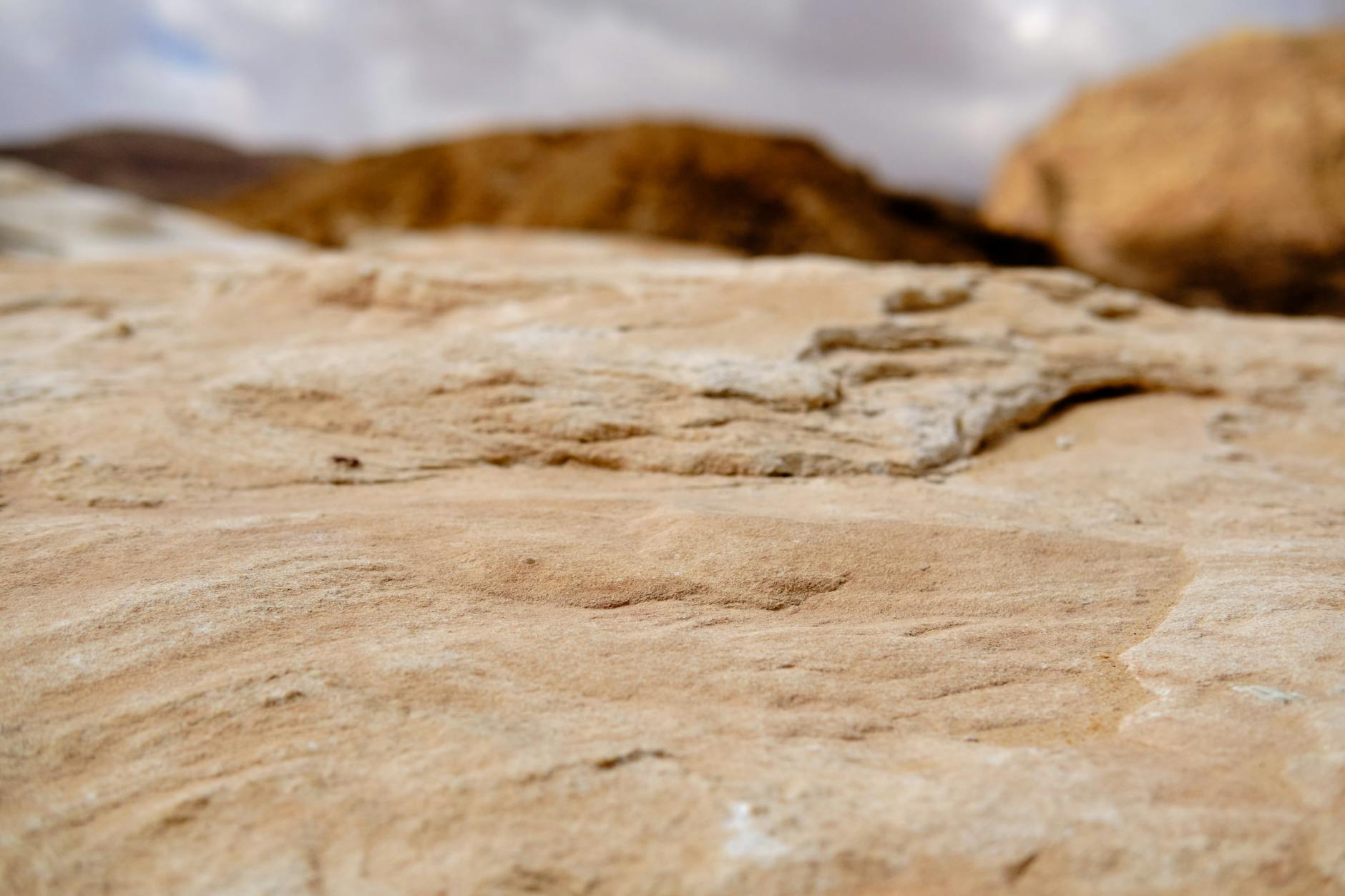

Where Mars Meets Rock Face
Wadi Rum has long drawn visitors who come simply to stare. The valley’s sandstone towers, rust-colored dunes, and silence so complete it registers as physical pressure have made it a fixture on Jordan’s tourism circuit for decades. What is changing now is who shows up – and what they do when they get there. Climbers, not just stargazers, are increasingly making the trip specifically for the rock.
The desert sits in southern Jordan, roughly 60 kilometers from Aqaba, and covers more than 700 square kilometers of protected wilderness. Bedouin guides have worked this terrain for generations, leading camel treks and jeep tours through corridors of stone that can rise 300 meters from the valley floor. The same formations that make for dramatic photographs turn out to offer some of the most technically varied climbing in the Middle East.
The climbing scene here is still developing – and that is precisely the draw.
What the Terrain Actually Offers
Wadi Rum’s geology is a mix of sandstone and granite, which produces a wider range of route styles than most desert climbing destinations. Sandstone faces tend to feature crack systems, slab sections, and pocketed walls ideal for sport and trad climbing alike. The granite, found on several of the larger massifs, is coarser and holds edges well, opening routes that reward more technical footwork. The combination means a visiting climber is not locked into a single style for an entire trip.
The most recognized formation is Jebel Rum, the valley’s highest peak at around 1,754 meters, where multi-pitch routes run up to 600 meters in length. Nassrani Tower, Jebel Khazali, and Barrah Canyon are among the other frequently visited walls, each with its own character. Routes range from moderate grade climbs accessible to intermediate visitors to demanding lines that have attracted serious alpinists from across Europe and beyond. The sheer volume of unclimbed or rarely repeated routes means that even experienced climbers often find themselves on faces with little existing documentation.
Conditions play a significant role in planning. The optimal windows fall between October and April, when temperatures sit in a range that allows sustained effort on sun-exposed walls. Summer heat – regularly above 40 degrees Celsius on valley floors – makes midday climbing on south-facing routes genuinely dangerous. Early mornings and north-facing walls remain viable in shoulder months, but most visiting climbers time their trips around the cooler season deliberately.
Guides, Access, and the Bedouin Factor
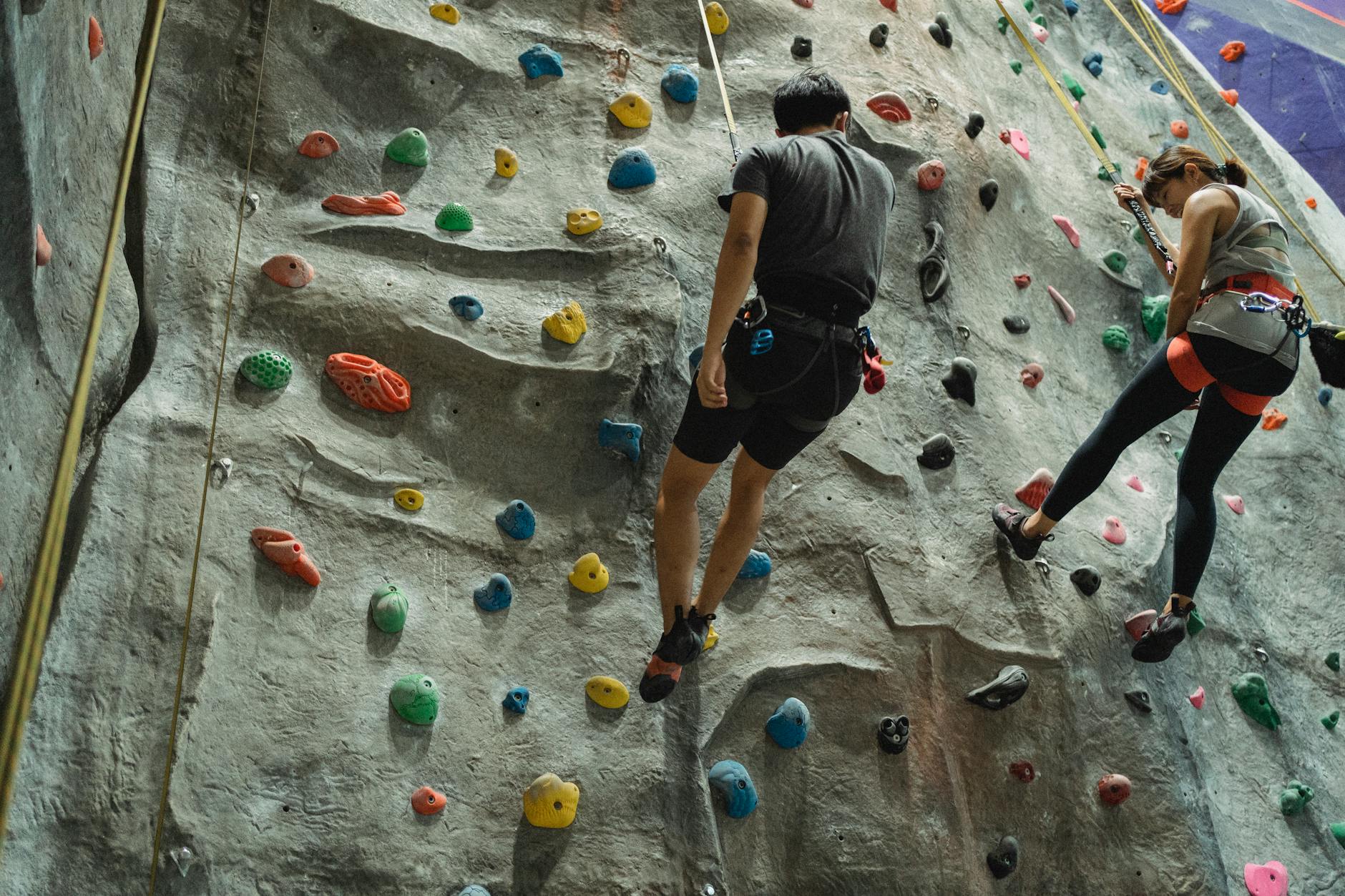
Unlike many established climbing destinations, Wadi Rum does not have a developed infrastructure of gear shops, climbing gyms, or guide companies built around the sport. The majority of climbers who visit work directly with local Bedouin guides, some of whom have built substantial route knowledge over years of accompanying foreign climbers and then continuing to explore independently. This arrangement shapes the experience considerably – a trip here rarely resembles a packaged mountain holiday.
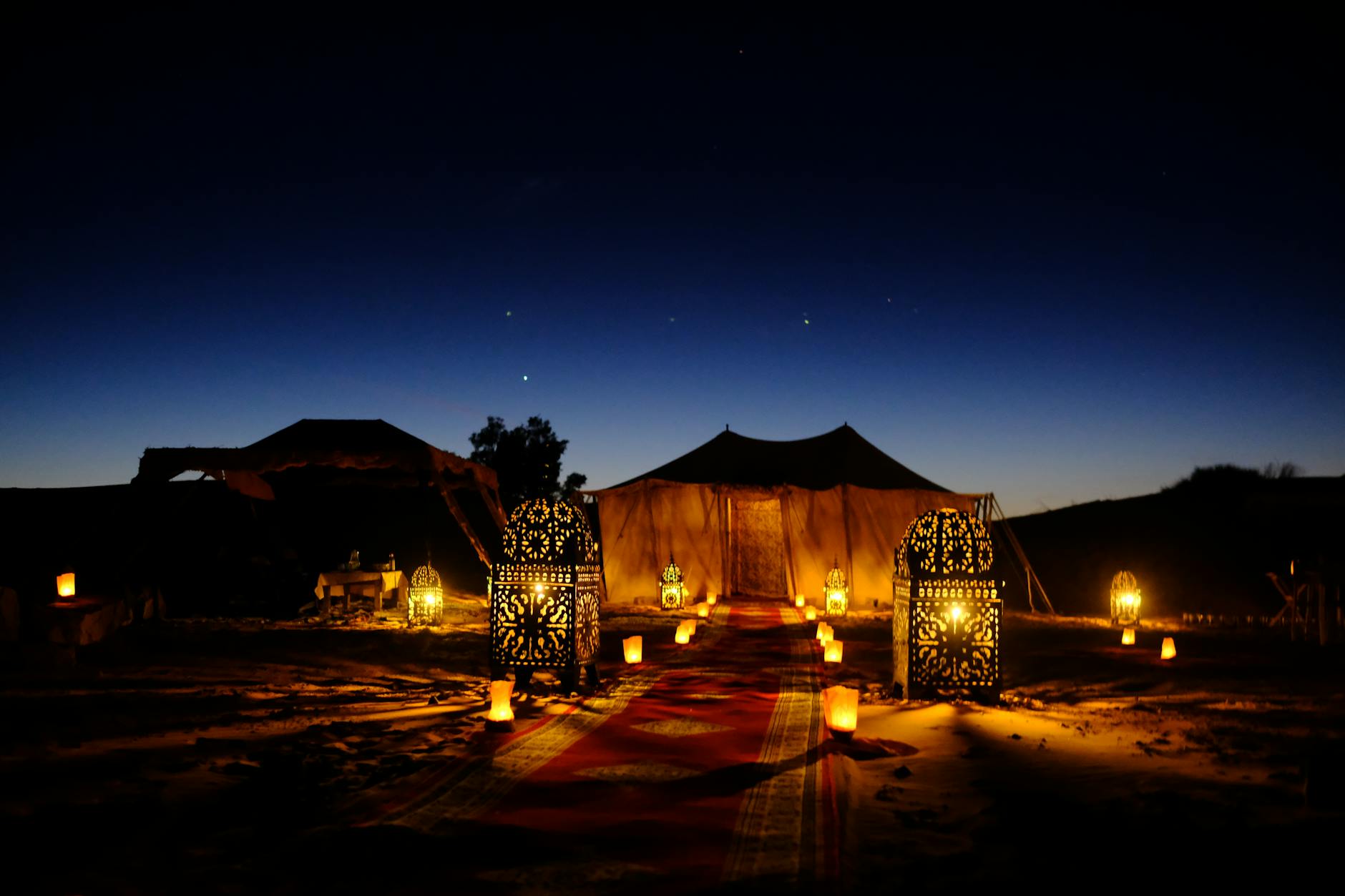
The protected area requires an entrance fee and, for certain routes, coordination with the Wadi Rum Visitor Centre. Camping is permitted within the reserve under managed conditions, and a network of Bedouin-run camps provides accommodation ranging from basic tent setups to more structured arrangements with communal meals. Some visiting climbers report that the logistical back-and-forth of finding the right local contact is itself part of the experience – an informal negotiation that feels more aligned with expedition climbing than weekend cragging.
Route documentation remains inconsistent. Several European climbers and guidebook writers have made efforts to catalog the existing lines, and a handful of Arabic-language resources have grown alongside international ones. Still, many walls have only partial information available, and the practice of on-site beta exchange – talking to whoever you meet near the base – remains common. For climbers who prefer printed topos and fixed anchors at every station, this can be frustrating. For those who find that kind of ambiguity motivating, Wadi Rum functions almost like a living archive of unfinished business.
A Destination Still Being Written
The broader conversation about remote adventure destinations – the kind happening around spots like Vietnam’s Mekong Delta glamping sites or volcanic spa districts in the Pacific – tends to center on infrastructure investment and visitor comfort. Wadi Rum is moving in a different direction. The climbing community drawn here is not pushing for bolt stations on every face or a lodge at the base of Jebel Rum. The tension between preserving the terrain’s raw accessibility and making it legible enough to attract the next generation of visiting climbers is the real story – and nobody has resolved it yet.