Jordan’s Wadi Rum Desert Launches Luxury Glamping Under Mars-Like Landscapes

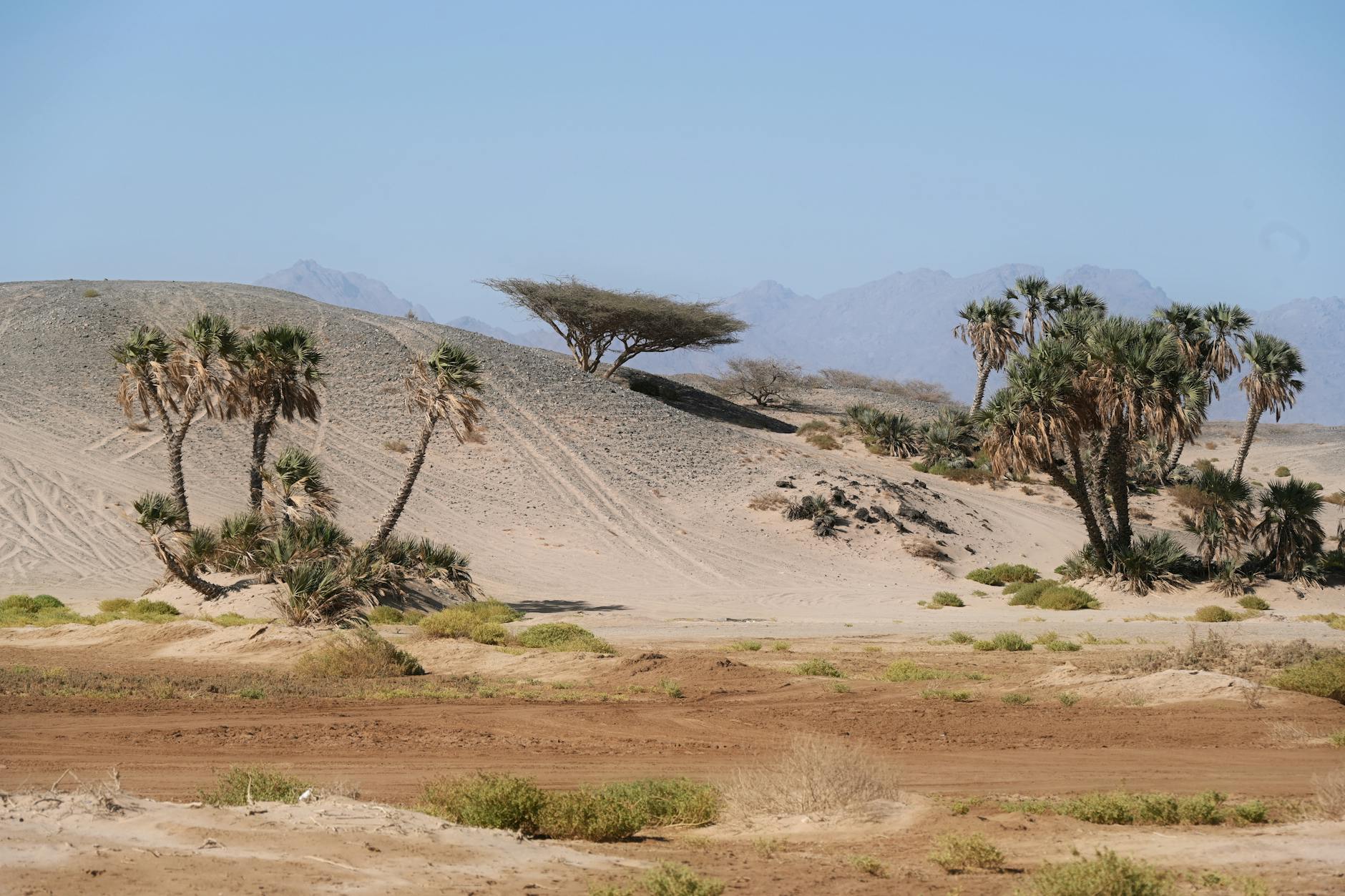
Red sandstone mountains rise like alien monoliths against an endless sky, their weathered faces carved by millennia of desert winds. This otherworldly landscape in Jordan’s Wadi Rum has captured imaginations for decades, serving as the backdrop for films like “The Martian” and “Dune.” Now, luxury glamping operators are transforming this UNESCO World Heritage site into an upscale desert retreat that rivals the world’s most exclusive wilderness experiences.
The Protected Area of Wadi Rum, often called the Valley of the Moon, spans over 720 square kilometers of dramatic desert terrain in southern Jordan. Its towering sandstone and granite formations create a landscape so Mars-like that NASA has used it for research and training. Tourism operators have recognized this unique appeal, launching high-end camping experiences that combine adventure with comfort.
Luxury Meets Desert Wilderness
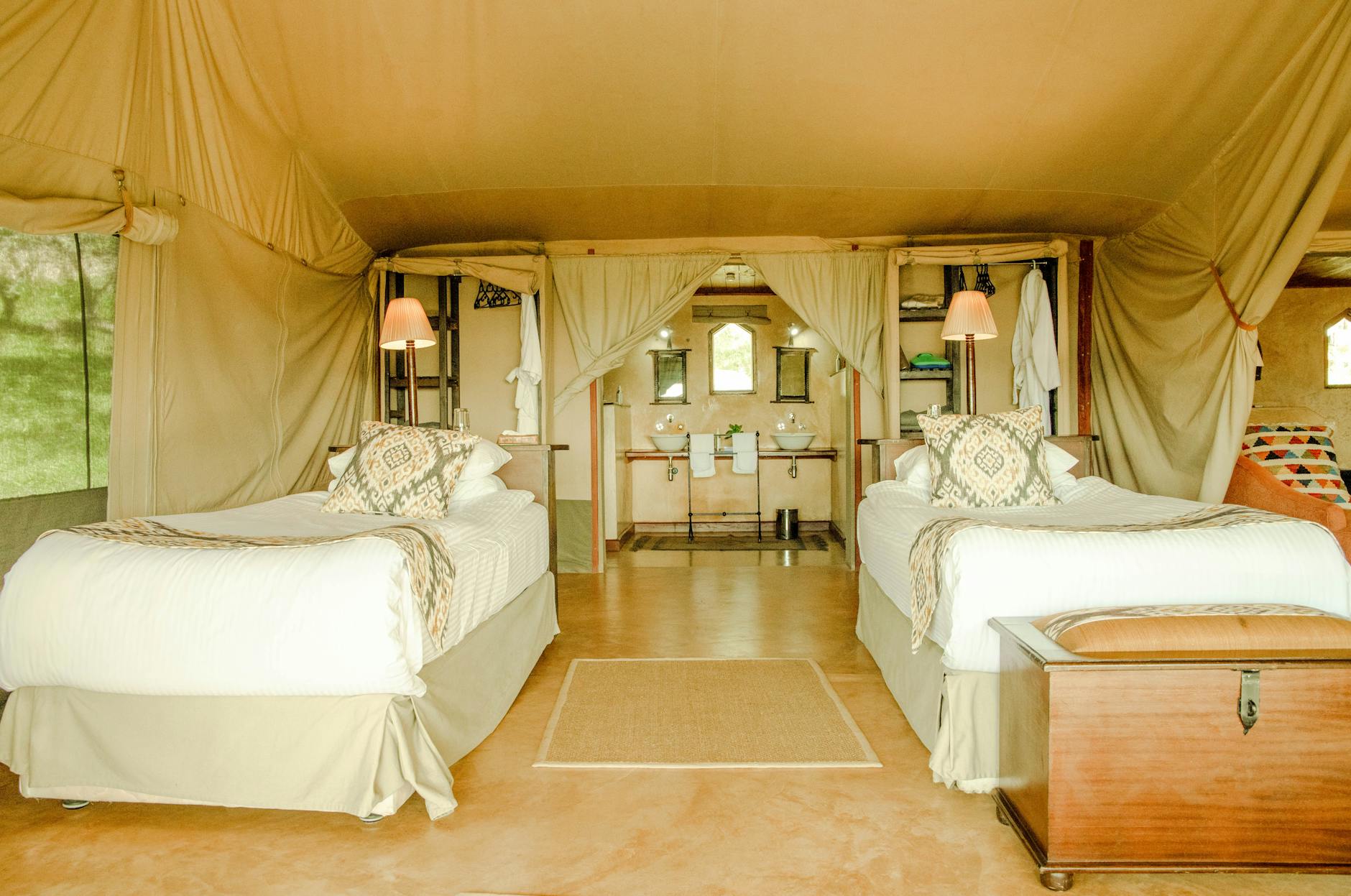
Several glamping operators have established premium camps throughout Wadi Rum, each offering a different take on desert luxury. Feynan Ecolodge, while technically outside the protected area, pioneered the concept of sustainable luxury in Jordan’s desert regions. Inside Wadi Rum proper, camps like Night Luxury Camp and Memories Aicha Luxury Camp provide air-conditioned bubble tents and traditional Bedouin-style accommodations with modern amenities.
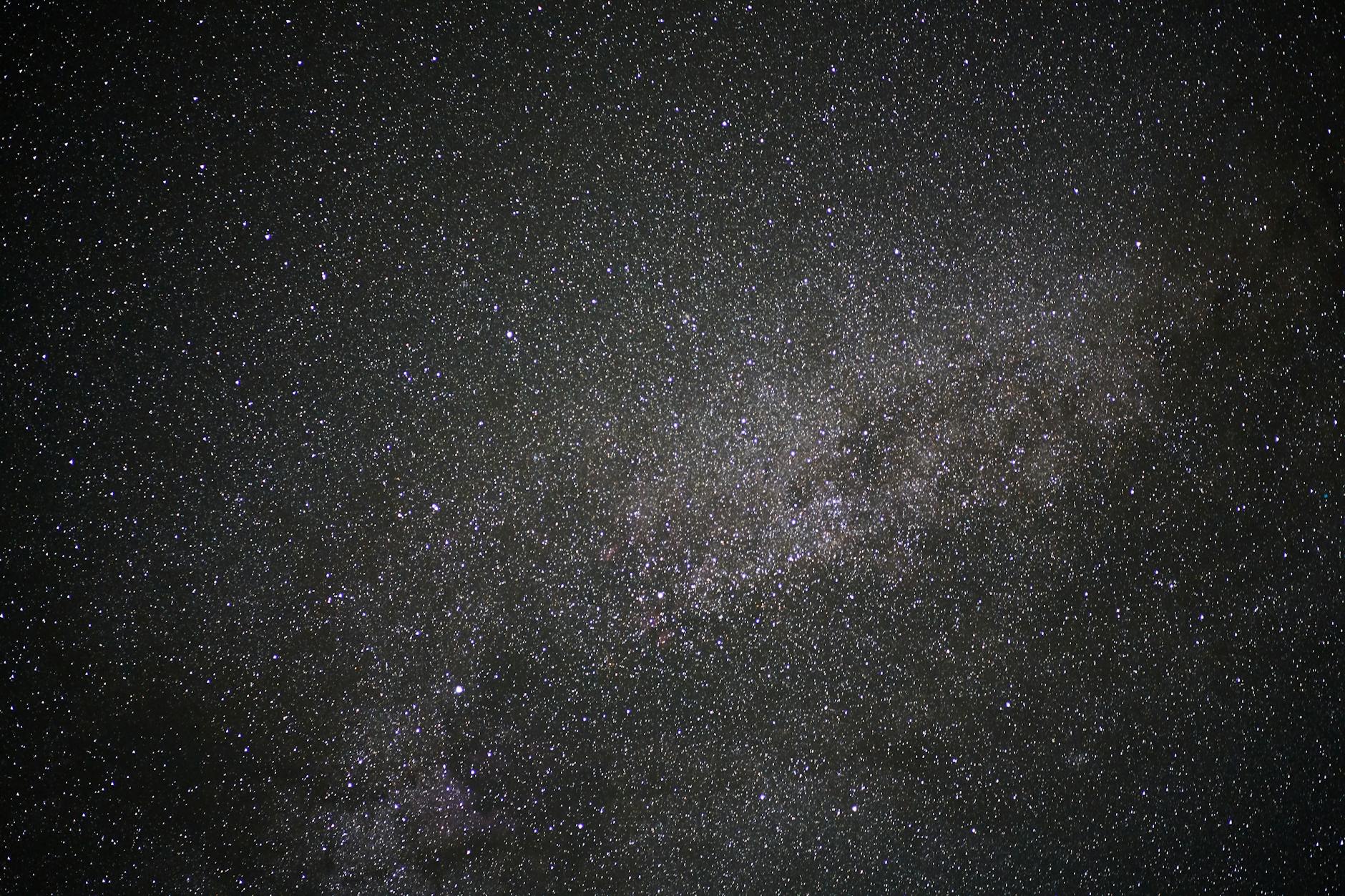
These camps feature spacious tents with private bathrooms, some equipped with transparent roofs for optimal stargazing. The absence of light pollution in Wadi Rum creates one of the world’s clearest night skies, making astronomy a central attraction. Many camps provide telescopes and employ local guides who share knowledge of desert navigation using celestial markers.
The luxury camping experience typically includes traditional Jordanian meals prepared by Bedouin chefs, featuring dishes like mansaf (lamb with yogurt sauce) and makloubeh (upside-down rice dish). Guests dine around communal fire pits, listening to traditional music and stories from local guides who trace their ancestry to the desert’s original inhabitants.
Adventure Activities in an Alien Landscape
Wadi Rum’s terrain offers activities impossible to replicate elsewhere. Rock climbing enthusiasts scale the towering jebels (mountains), with routes ranging from beginner-friendly scrambles to technical multi-pitch climbs. The sandstone provides excellent grip, though climbers must respect the protected environment and follow designated routes.
Camel trekking remains the most traditional way to explore the desert, with many camps offering multi-day expeditions that follow ancient trading routes. These journeys provide access to hidden canyons, natural rock bridges, and prehistoric petroglyphs that date back thousands of years. The slow pace allows for photography and contemplation of the landscape’s geological history.
For those seeking more adrenaline, some operators offer hot air balloon rides at sunrise, providing aerial views of the rock formations and vast sand seas. The early morning flights take advantage of stable desert conditions and offer photographers golden hour lighting across the red landscape.
Cultural Immersion and Bedouin Heritage
The luxury glamping experience extends beyond accommodation to cultural education. Local Bedouin guides, many from families who have lived in the region for generations, share knowledge of desert survival, traditional crafts, and the area’s role in Arab history. Lawrence of Arabia used Wadi Rum as a base during the Arab Revolt, and several sites connected to his campaigns remain accessible to visitors.
Guests participate in traditional activities like bread baking in sand ovens, henna painting, and learning basic Arabic phrases. Some camps arrange visits to working Bedouin settlements where families maintain traditional goat and camel herding practices alongside their tourism activities.
The integration of local communities into the tourism model provides economic benefits while preserving cultural traditions. Many guides and camp staff are locals who have transitioned from traditional nomadic lifestyles to tourism while maintaining their cultural connections to the land.
Similar cultural immersion experiences are gaining popularity globally, as seen in Madagascar’s vanilla plantations launching farm-to-table tourism experiences, where visitors connect with local agricultural traditions.
Sustainable Tourism in a Fragile Environment
The development of luxury camping in Wadi Rum faces the challenge of balancing visitor comfort with environmental protection. The Royal Society for the Conservation of Nature manages the protected area, implementing strict guidelines for tourism operators. Camps must use renewable energy sources, manage waste responsibly, and limit their environmental footprint.
Solar power systems provide electricity for most camps, taking advantage of Jordan’s abundant sunshine. Water conservation measures are essential in this arid environment, with many operators using greywater recycling systems and encouraging responsible consumption. Some camps have achieved carbon-neutral status through renewable energy use and offsetting programs.
The number of visitors is carefully managed to prevent overcrowding and environmental damage. Peak season runs from October through April when temperatures are more comfortable for outdoor activities. Summer months see fewer visitors due to extreme heat, allowing the ecosystem time to recover.
Conservation efforts extend to wildlife protection, as Wadi Rum hosts several endangered species including the Arabian oryx, which was successfully reintroduced to the wild after near extinction. Visitors often spot these antelope during desert excursions, along with desert foxes, hyenas, and various reptile species.
The future of luxury desert tourism in Jordan looks promising as international travel rebounds and experiential tourism gains popularity. Plans for expanded sustainable accommodations and new activity offerings are in development, with operators working closely with conservation groups to ensure responsible growth.
Jordan’s broader tourism strategy positions Wadi Rum as a flagship destination alongside Petra and the Dead Sea. The combination of otherworldly landscapes, cultural authenticity, and luxury amenities creates a unique proposition in the global adventure travel market. As travelers increasingly seek meaningful experiences in extraordinary settings, Wadi Rum’s Mars-like terrain offers an escape that feels both ancient and futuristic.
Frequently Asked Questions
What is the best time to visit Wadi Rum for glamping?
October through April offers comfortable temperatures for outdoor activities and desert camping experiences.
Are the luxury camps in Wadi Rum environmentally sustainable?
Most camps use solar power, water conservation systems, and follow strict environmental guidelines set by conservation authorities.