
The Desert Beyond the Rose City
Petra gets the postcards, the tour buses, and the bucket-list checkmarks. But tucked inside the vast sandstone wilderness of Wadi Rum, a loose constellation of Bedouin villages is drawing a quieter, more deliberate kind of traveler – one who wants to sleep under stars rather than shuffle through carved tombs with a selfie stick. The shift is gradual, but it’s real, and travelers who’ve made the comparison rarely go back to Petra as their primary reason for flying into Aqaba.
Wadi Rum is not a secret. It appeared in Lawrence of Arabia, stood in for Mars in The Martian, and has hosted enough luxury bubble-tent camps that the concept barely raises eyebrows anymore. What remains underappreciated is the village life threaded through that landscape – communities like Rum Village, Disah, and the settlements near the Saudi border where Bedouin families still operate guesthouses on their own terms, outside the packaged safari circuit entirely.
What the Villages Actually Offer
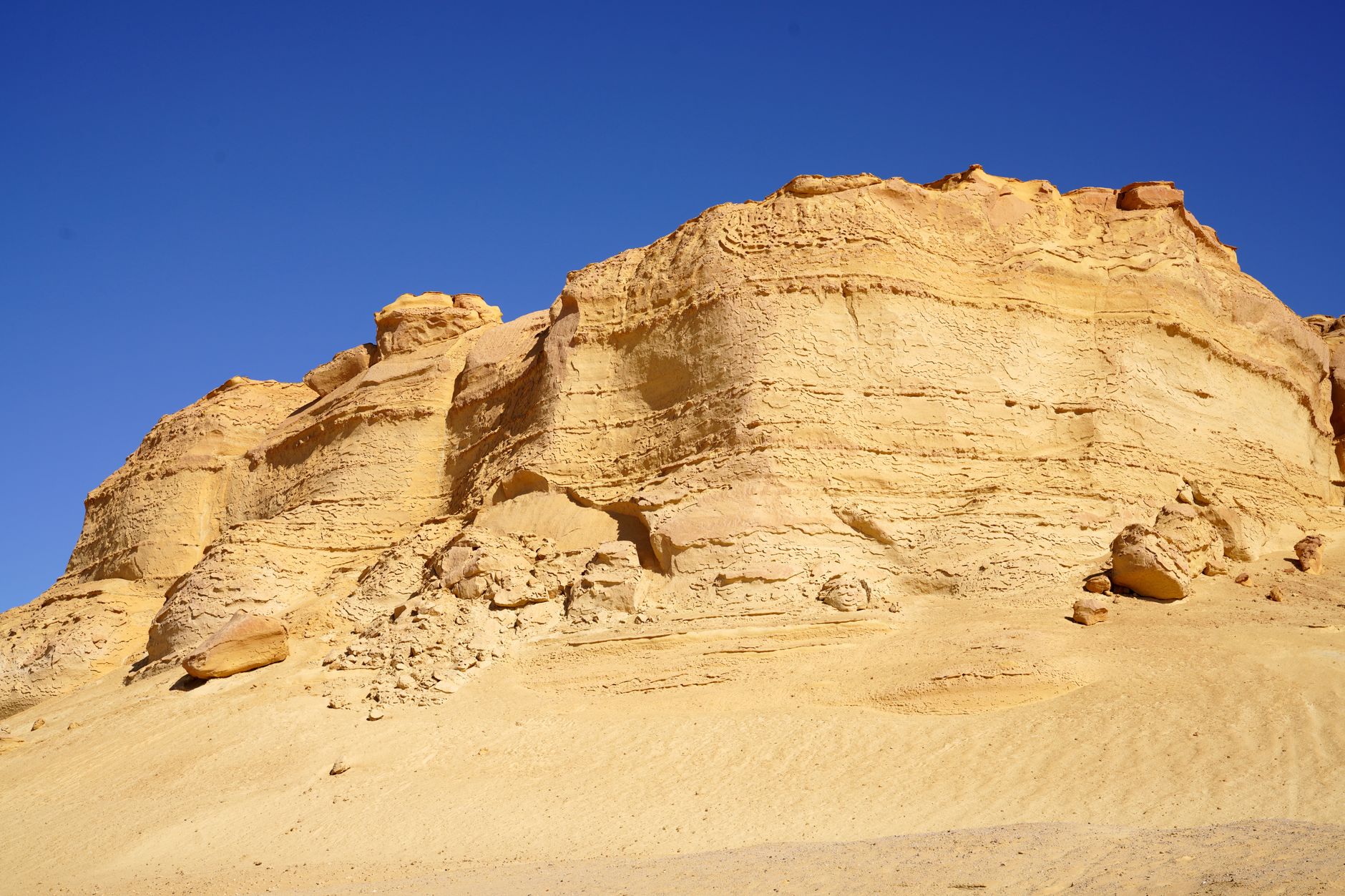
The practical case for basing yourself in a Wadi Rum village rather than just day-tripping from Aqaba or Petra comes down to access. The protected area covers roughly 720 square kilometers, and most of the cinematic formations – the red dune fields, the natural rock bridges, Khazali Canyon with its Nabataean inscriptions – sit far from the visitor center. Village-based guides who live in that terrain know the drainage channels that flood briefly after rare rains, the canyon walls that glow orange only in late afternoon, and the campsites that don’t appear on any map. That knowledge doesn’t transfer to a day-trip jeep driver hired at the gate.
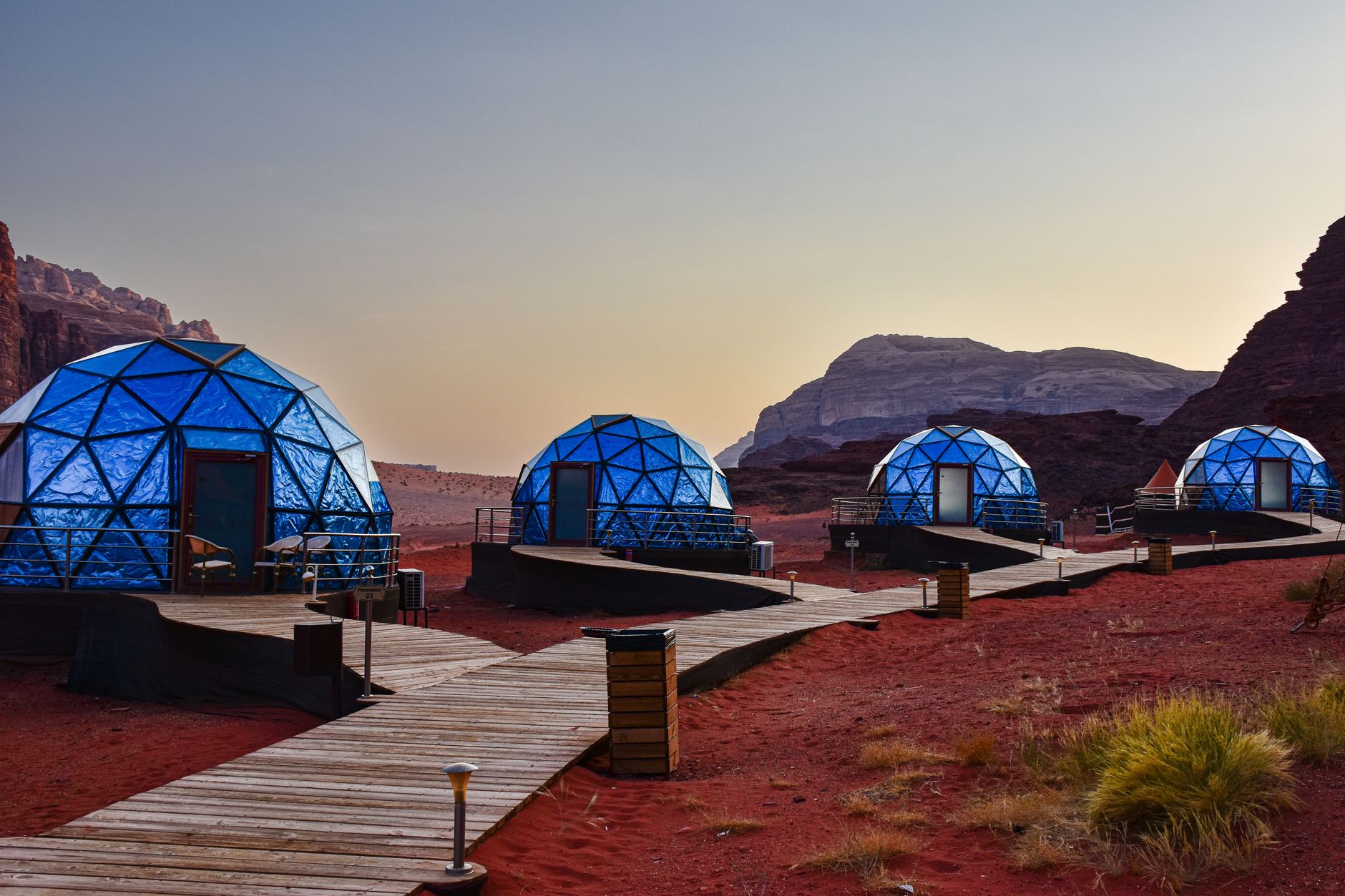
Accommodation in the villages ranges from canvas tents erected by Bedouin families on their land to fixed structures with solar power and rudimentary plumbing. Neither category tries to replicate a hotel experience, which is precisely why they work. Meals tend to follow the zarb tradition – meat and vegetables slow-cooked in a sand pit – and the portions are the kind of thing that makes a full day of climbing feel manageable. What the villages don’t offer is a lobby, a concierge, or a spa menu, and for desert dwellers specifically, that absence is the attraction.
Comparing the Petra Experience Honestly
Petra is extraordinary by any measure. The Siq, the Treasury, the Monastery hike – none of that diminishes under scrutiny. But the visitor infrastructure around Petra has grown to accommodate mass tourism in ways that change the texture of the place. The main trail from the entrance to the Treasury can feel like a corridor during peak season, flanked by trinket stalls and horse handlers soliciting rides. The village of Wadi Musa, which serves as the de facto base, operates largely as a service town: restaurants, hotels, and money changers arranged around the needs of people passing through.
Wadi Rum’s village experience runs on a different logic. Tourism there exists alongside Bedouin life rather than replacing it. Children still attend school in Rum Village. Goat herds still cross the main track in the early morning. The camps and guesthouses are family businesses, often run across generations, and the hosts are frequently willing to take guests along on tasks that have nothing to do with sightseeing – visiting a neighbor, checking on a distant water source, or simply sitting in silence long enough to notice how complete the quiet is.
The comparison also holds on price. A night in a mid-range Petra hotel during high season costs significantly more than a full-board stay at a village camp in Wadi Rum – and the Wadi Rum price typically includes dinner, breakfast, and a morning jeep ride. Petra charges an entrance fee that is among the steeper in the region, covering only access to the archaeological site itself. Travelers on longer itineraries who need to manage their budgets without sacrificing depth of experience consistently find the Wadi Rum village circuit the better value.
That said, the two places are not competing for the same traveler. Petra rewards people who want to stand inside history, to walk through a canyon that was carved two thousand years ago for spiritual and commercial reasons that still feel legible in the stone. Wadi Rum rewards people who want to feel small in a useful way – not diminished, but correctly proportioned against something that has no interest in being understood.
Getting There Without a Tour Package
The most common approach is flying into Amman and taking the JETT bus or a private car south to Aqaba or Wadi Rum directly – a four-hour drive through the Desert Highway. From the Wadi Rum visitor center, jeep transfers to specific villages can be arranged on arrival, though contacting a village guesthouse in advance to arrange a pickup avoids the commission structure at the gate. A growing number of village hosts communicate through WhatsApp, which is the practical standard for independent booking throughout rural Jordan.
Travelers who already have Bhutan or other off-circuit destinations on their radar – the way some routes through Bhutan’s Haa Valley draw visitors away from Paro’s main circuit – tend to adapt quickly to Wadi Rum’s village rhythm. The logic is the same: less infrastructure forces more genuine interaction with the place itself.
Timing, Seasons, and What to Bring
Spring (March through May) and autumn (September through November) are the obvious windows – mild days, cold nights, and long golden hours that make the sandstone look almost edible. Summer is brutal between 11am and 4pm, and while desert nights cool sharply, midday heat limits how much ground can be covered on foot. Winter is underrated: freezing nights require serious sleeping layers, but the clarity of winter light and the near-empty trails justify the preparation. Snow is rare but not unheard of in January, and the photographs of red sand under a thin white layer have a genuinely surreal quality.
Packing for a village stay is different from packing for a resort. Layers matter more than they seem to. The temperature swing between noon and midnight can exceed 20 degrees Celsius, and the wind off the open desert cuts directly through anything that isn’t windproof. Dust is constant – not the kind that brushes off, but the fine red variety that finds its way into everything within hours. Closed-toe shoes, a headlamp, and a basic first-aid kit are non-negotiable for anyone planning to hike beyond the main tracks.
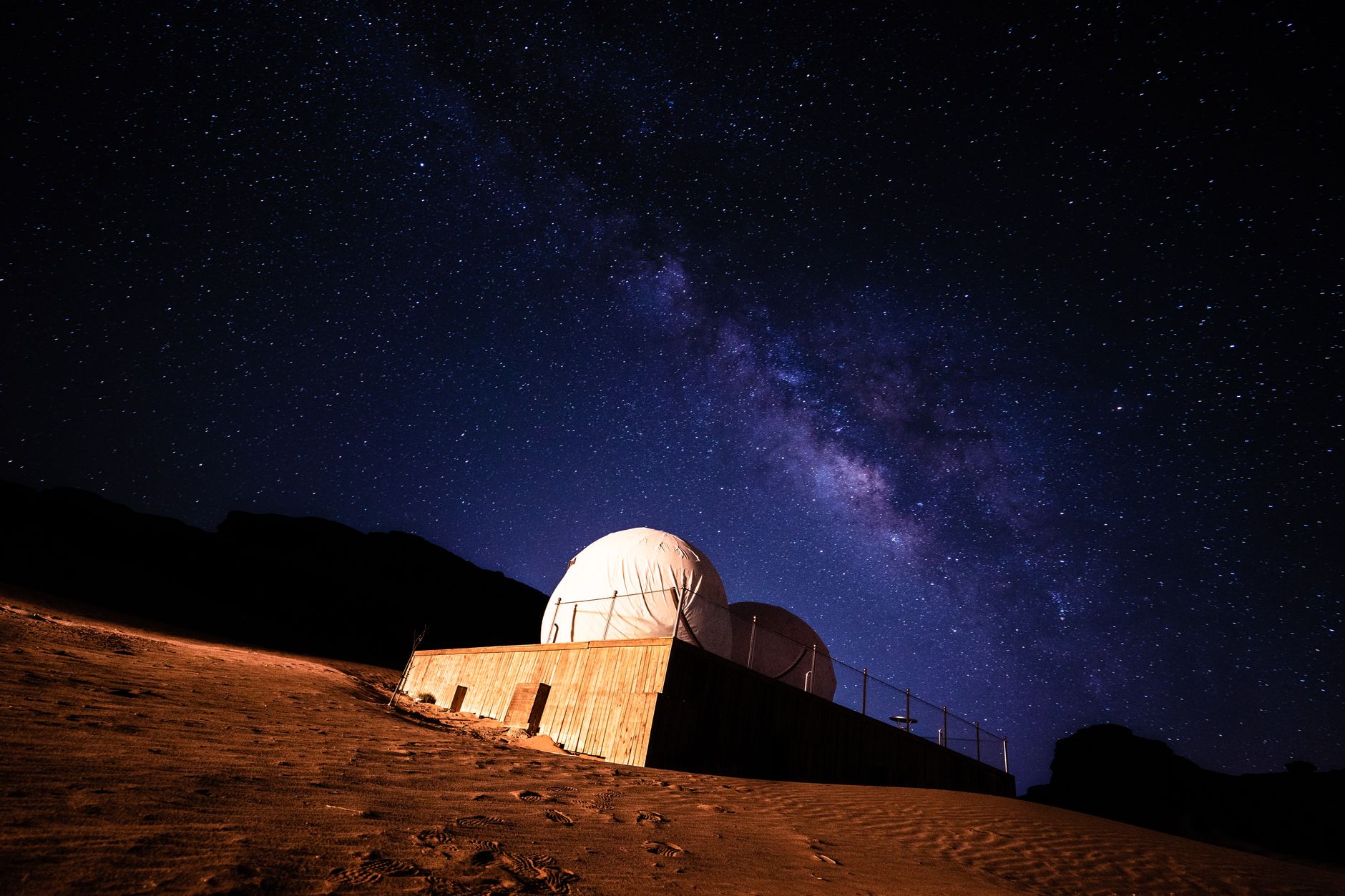
What travelers often don’t anticipate is the effect of the silence. Wadi Rum sits far enough from any city that light pollution is minimal and ambient noise essentially disappears after dark. The village camps don’t run generators through the night. There are no road sounds. The loudest thing most nights is wind against canvas, and that detail alone – the simplicity of what’s left when everything else is removed – is what separates a night in Wadi Rum’s villages from the experience of sleeping anywhere else on that particular stretch of the Middle East.