
Kenya’s wildlife tourism has long been synonymous with one name: the Masai Mara. The annual wildebeest migration, the open savanna, the well-worn safari lodges – it’s a formula that works, and millions of travelers have proven it. But a quieter, less-choreographed Kenya has been drawing a growing number of wildlife travelers north, to a high plateau where the animals are just as wild and the crowds are nowhere in sight.
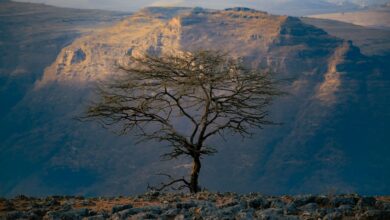
The Laikipia Plateau sits at roughly 1,700 to 2,500 meters above sea level, stretching across a vast semi-arid landscape northwest of Mount Kenya. It doesn’t have the Mara’s dramatic river crossings or the cinematic scale of the Serengeti. What it does have is one of the highest densities of wildlife outside a national park in all of Africa – and a conservation model that has quietly made it one of the continent’s more serious success stories.
A Landscape Shaped by Private Conservation
Unlike most of Kenya’s famous wildlife zones, Laikipia is not a national park or reserve. The plateau is a patchwork of private ranches, community conservancies, and wildlife sanctuaries, many of which have converted former cattle operations into conservation-focused businesses. This model means land is actively managed for wildlife rather than grazing, and the revenue from high-end safari guests directly funds anti-poaching patrols, community programs, and habitat restoration.
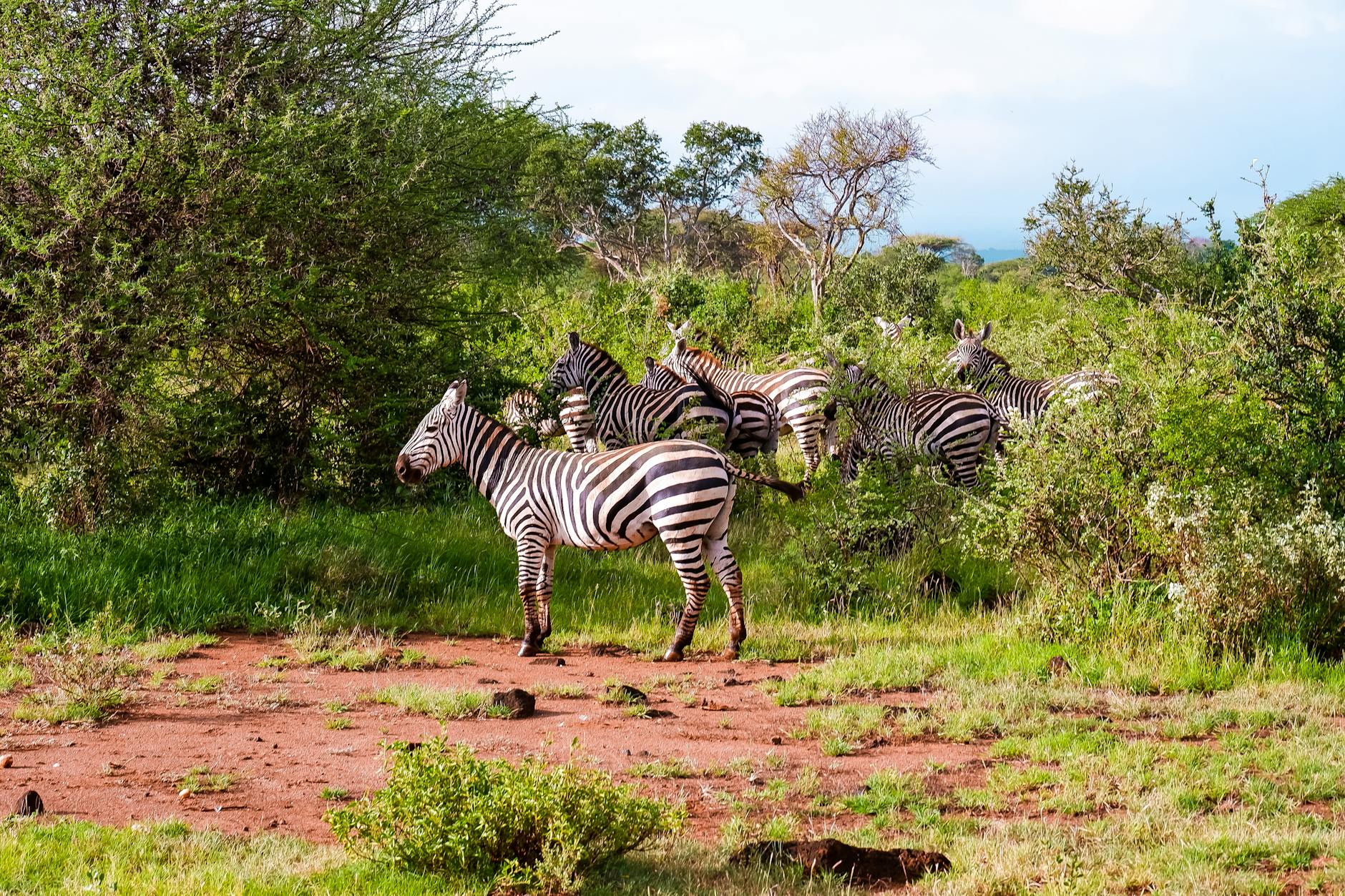
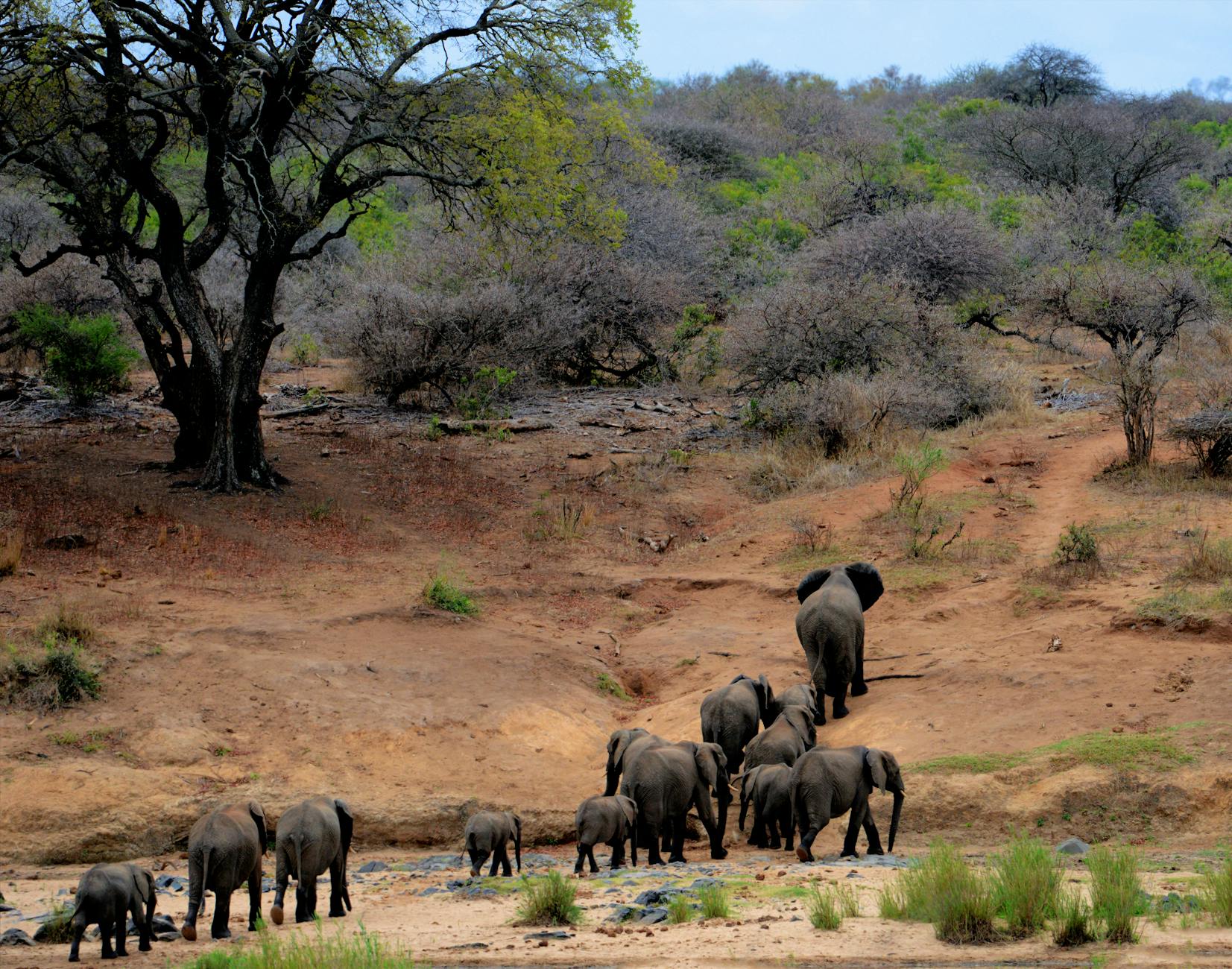
The approach produces results that are visible to any visitor who pays attention. Laikipia holds the second-largest population of black rhino in Kenya. It supports significant numbers of Grevy’s zebra, a critically endangered species found almost nowhere else on Earth. African wild dogs, elephants, reticulated giraffes, and lions all move through the landscape, often across multiple conservancies in a single day, following routes that predate any of the fences humans have drawn.
What the Safari Experience Actually Looks Like
Traveling in Laikipia feels different from a traditional Kenyan safari, and that difference is most obvious in how you spend your time. Many conservancies allow night drives, walking safaris, and camel-led treks through the bush – activities that are restricted or heavily regulated in national parks. A walking safari with a tracker who knows the terrain personally produces a quality of attention that a vehicle safari simply cannot replicate.
The low visitor density also changes the atmosphere around wildlife sightings. Finding a pride of lions or a breeding herd of elephants without another vehicle in sight has become increasingly rare in high-traffic areas of Kenya. In Laikipia, it remains the norm rather than the exception. The absence of radio chatter between guides coordinating on hotspots is, to many travelers who have done both, the clearest signal that something different is happening here.
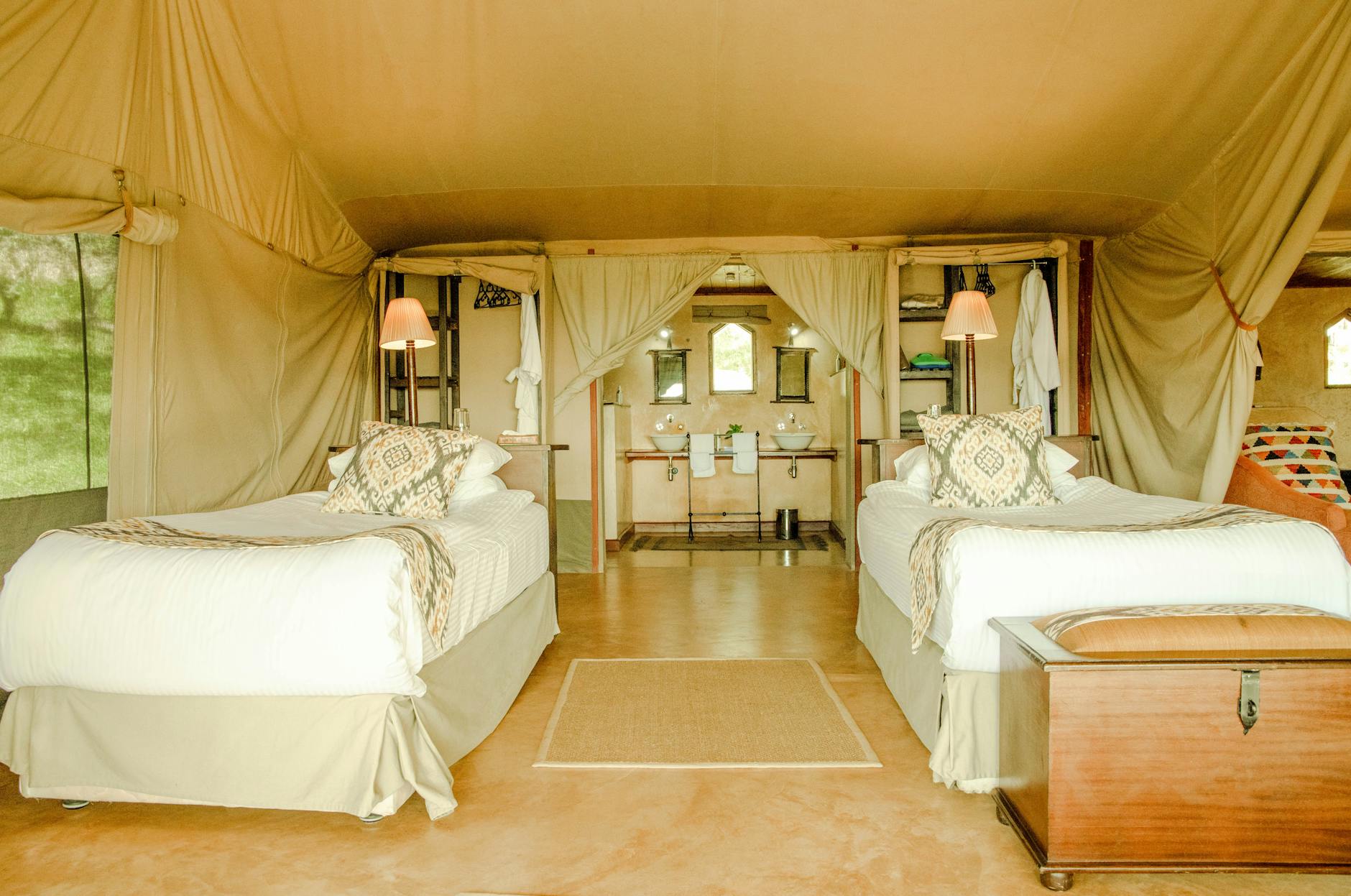
Accommodation across the plateau ranges from permanent tented camps to owner-run homesteads where guests eat dinner with the family managing the conservancy. The intimacy is intentional. Several properties keep their capacity deliberately small – sometimes fewer than a dozen guests at any time – which keeps the footprint light and the experience personal. Guides at these camps frequently have deep, multi-generational ties to the land, and that knowledge shapes every game drive.
Seasonality matters here more than it does in better-resourced parks. The long rains between March and May make some roads impassable, and the shoulder months can be unpredictable. The dry season from June through October and again from January through February offers the clearest game viewing, as animals concentrate around water sources. But even in a wet season, the plateau’s higher elevation keeps temperatures cooler than most Kenyan safari regions, and the landscape turns dramatically green in ways that draw a different kind of traveler entirely.
The Conservation Stakes Behind the Scenery
Laikipia’s wildlife success is not self-sustaining, and the people managing conservancies here are not shy about saying so. The plateau has faced serious pressure from land invasions, livestock incursions, and political instability over the years – disruptions that have at various points threatened the viability of the private conservancy model. Tourism revenue is not incidental to conservation here; it is structural. When visitor numbers drop, anti-poaching budgets shrink, and the consequences move through the ecosystem quickly.
That dependency cuts both ways. It makes Laikipia more sensitive to global travel patterns than a government-managed park would be, but it also means that travelers who choose Laikipia are making a choice that registers directly in the conservation budget. The connection between guest fees and wildlife survival is more transparent here than almost anywhere else on the continent.
Getting There and Planning Realistically
Laikipia is accessible by road from Nairobi – roughly four to five hours depending on which part of the plateau you’re heading to – but most travelers flying in use small charter flights to airstrips directly on the conservancies. Nanyuki, the largest town in the region, serves as a practical hub with a functional airport and enough infrastructure for a stopover night. Many itineraries combine Laikipia with a few days in the Masai Mara or Samburu National Reserve to cover a wider range of ecosystems and species within a single Kenya trip.
The price point is higher than budget safari options elsewhere in East Africa. Private conservancy camps with small capacities and full-board rates reflect the cost of running genuine conservation operations, and that’s a straightforward calculation. Travelers expecting the pricing of a large public park lodge will need to recalibrate. What they get in return – exclusivity, flexibility, access to rare species, and a direct conservation impact – is a different product rather than a more expensive version of the same one.
Booking directly through conservancies, rather than through general tour operators with no specific Laikipia focus, tends to produce better results. Properties here book out early in peak season, and the smaller camps have little capacity to absorb last-minute demand. First-time visitors to Kenya who are already doing the work of researching off-circuit destinations in other parts of the world will find that Laikipia rewards exactly that kind of deliberate planning – it’s a place that doesn’t advertise aggressively, and it doesn’t need to.
The waiting list for certain conservancies during the dry season tells you most of what you need to know about where Laikipia stands right now – and whether the crowds the Mara is famous for will eventually find their way north.