Kenya’s Laikipia Plateau Quietly Rivals the Masai Mara for Big Cat Wanderers

Africa’s Open Secret
The Masai Mara gets the magazine covers, the documentary crews, and the annual flood of tourists chasing the Great Migration. But roughly 200 kilometers north, straddling Kenya’s central highlands, the Laikipia Plateau runs on a different rhythm entirely. No migration spectacle, no bumper-to-bumper game drive convoys, and no queue for a lion sighting at dawn. What it does offer is something harder to find anywhere else on the continent: predators on private and community-owned land where human-wildlife boundaries are deliberately blurred and the experience of watching a leopard or a cheetah hunt feels genuinely unscripted.
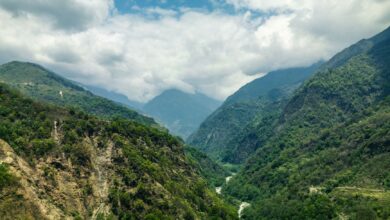
Laikipia is a mosaic of ranches, conservancies, and Maasai and Samburu community lands spread across an elevated plateau that sits between 1,600 and 2,500 meters above sea level. The altitude keeps temperatures cooler than the Mara, the vegetation shifts between acacia savanna, rocky escarpments, and riverine forest, and the wildlife – including some of Kenya’s largest remaining populations of endangered African wild dogs and Grevy’s zebra – operates without the audience pressure that defines high-season Mara tourism. For the category of traveler who wants big cats without the performance, Laikipia is already the answer.
Why the Big Cats Are Actually Here
Laikipia’s lion, leopard, and cheetah populations thrive partly because of how the land is managed. Unlike national parks with fixed boundaries, the plateau operates as an interconnected network of private ranches and community conservancies where animals can move freely across hundreds of thousands of acres. That mobility matters enormously to big cat behavior – territorial animals like leopards require expansive home ranges, and when the land allows it, they use it fully. The Laikipia Predator Project, a long-running research program operating across the plateau, has tracked this movement in detail and demonstrated just how extensively these cats range when corridors remain open.
The conservancy model also changes what a game drive actually looks like. Many camps and lodges in Laikipia operate on private or community concession land, which means off-road driving is not only permitted but expected. A tracker and a guide travel together in most vehicles. If a leopard moves into thick bush, the vehicle follows. This is not standard practice in the Mara’s government-managed zones, where staying on the track is mandatory and the leopard disappears while six other jeeps crowd the road edge. In Laikipia, the sighting moves with the animal.
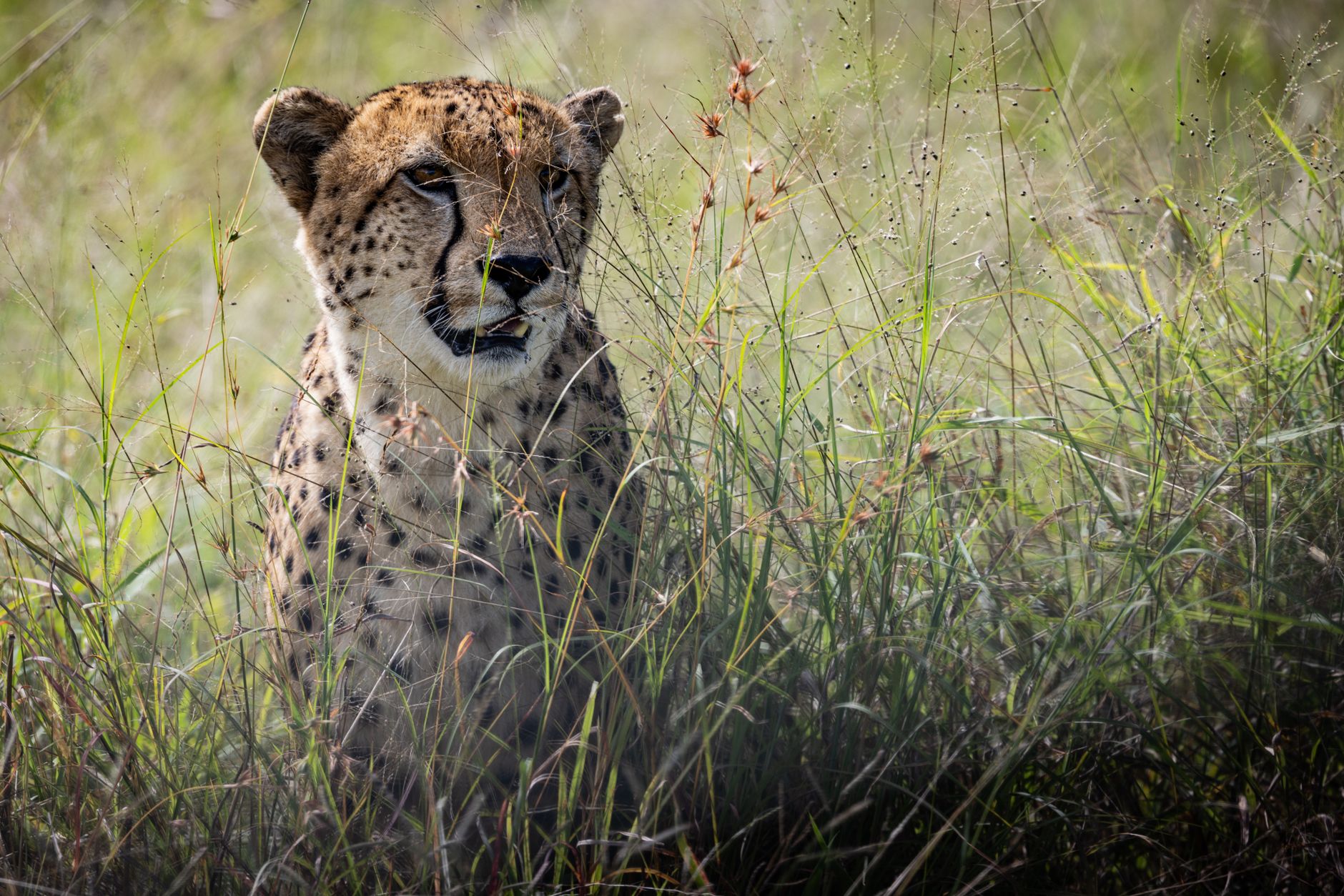
Cheetah numbers across the plateau are particularly notable. Kenya’s cheetah population has contracted severely in farming regions, but the open grasslands of northern Laikipia, combined with prey density and low poaching pressure, have kept resident cheetah families stable in certain conservancies. Some properties have documented the same cheetah coalitions returning across multiple seasons, a continuity that indicates genuine habitat suitability rather than incidental presence.
The Crowd Equation
The Mara’s peak season, roughly July through October, draws visitor numbers that the park infrastructure visibly strains under. Popular crossing points during the wildebeest migration attract dozens of vehicles at a time, and the experience of watching a kill or a birth in a traffic jam of Land Cruisers has become a recurring critique in safari travel writing. Laikipia does not have that problem, and the reason is structural rather than accidental.
Access is controlled. Most conservancies limit vehicle numbers on their land as a condition of the operating model. Because land ownership and management agreements are private, the cap is enforced directly rather than through a government ticketing system that can be overwhelmed. The result is that on a morning game drive across a Laikipia conservancy, it is entirely normal to spend three hours tracking lions without seeing another vehicle from a different property.
What the Plateau Offers Beyond Cats
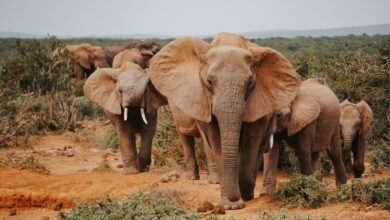
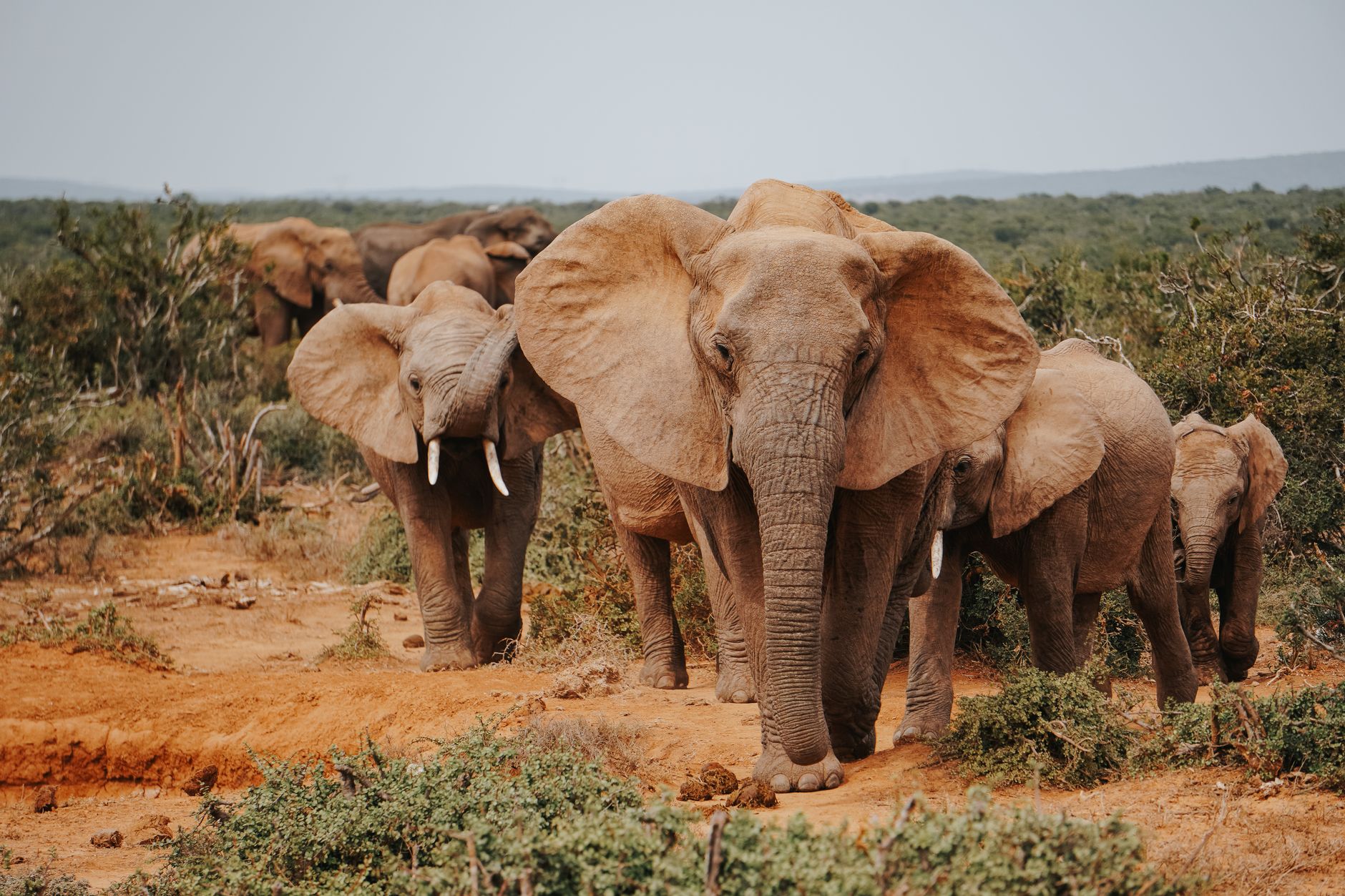
Laikipia holds Kenya’s second-largest elephant population, and the behavior of these herds differs from what visitors encounter in the Amboseli or Tsavo ecosystems. The plateau elephants move between properties with relative ease, and night footage from camera traps across various conservancies has repeatedly shown bulls traveling routes that cross multiple land boundaries in a single evening. Watching a breeding herd in the rocky escarpment country above the Ewaso Ng’iro River – a landscape of boulders, fig trees, and red laterite soil – carries a different visual weight than the flat-plain elephant sightings that define Amboseli’s famous photography.
Grevy’s zebra, the world’s largest wild equid and a critically endangered species, concentrate in northern Laikipia at densities found almost nowhere else. The visual difference from the common plains zebra is immediate – broader ears, tighter stripe patterns, and a body shape that reads more like a mule than the stocky Burchell’s zebra of the Mara. For wildlife travelers who have already done the standard circuit, encountering a Grevy’s stallion at a waterhole is often the sighting that reframes what they thought they knew about East African wildlife.
The African wild dog situation in Laikipia deserves specific attention. Wild dogs have been functionally absent from most of southern Kenya for decades, but the plateau has supported resident packs long enough that the Laikipia Wild Dog Project has built multi-year behavioral data on pack dynamics and denning. Sightings are never guaranteed – wild dogs cover enormous distances and cannot be tracked the way a territorial leopard can – but some camps maintain radio contact with research teams and can redirect a morning drive when a pack is located. Watching wild dogs hunt is a speed and coordination spectacle that no big cat encounter quite matches.
The plateau also runs an expanding number of conservancies managed directly by Maasai and Samburu communities, where the revenue model depends entirely on tourist bed nights rather than agricultural conversion. Il Ngwesi, one of Kenya’s oldest community-owned lodges, was built on land the Il Laikipia Maasai previously used for livestock, and the shift to wildlife-based income has been documented as a case study in conservation finance for years. Visiting these properties puts tourism money into a governance structure where the incentive to protect predator habitat is local and economic, not just philosophical. For a traveler trying to make a sighting mean something beyond the photograph, that context is part of the product.
The honest complication is accessibility. Laikipia requires either a small charter flight into one of the plateau’s private airstrips or a long drive from Nairobi on roads that deteriorate significantly in the wet seasons. There is no single-entry national park gate, no standard booking platform, and no package-tour infrastructure comparable to what the Mara’s established circuit provides. Planning a Laikipia itinerary still requires working through individual conservancies or a specialist operator. Whether that friction filters out the right type of traveler or simply keeps the plateau underserved is a question the conservancy model has not fully resolved.