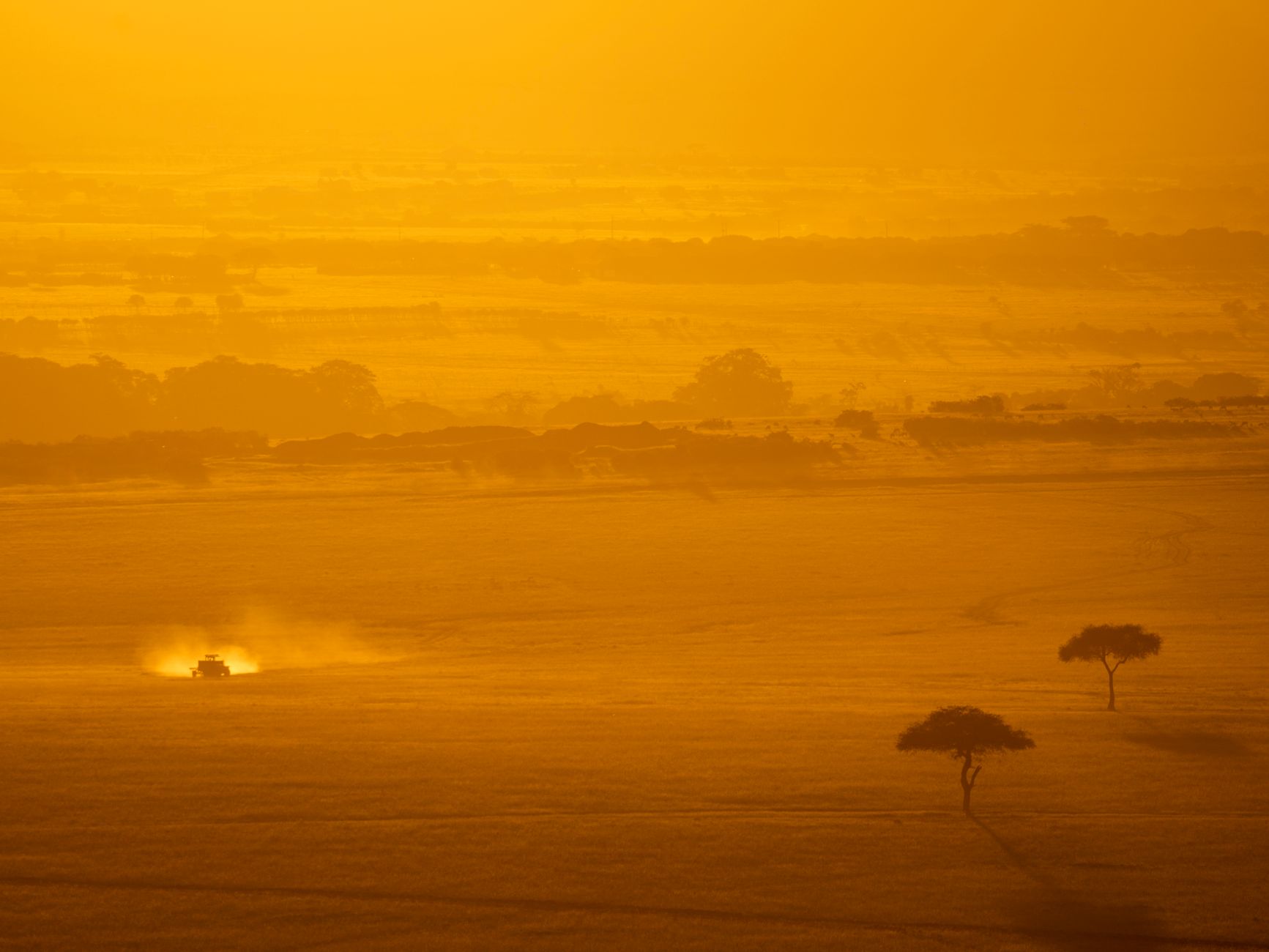
Kenya’s Laikipia Plateau Quietly Rivals the Masai Mara for Safari Seekers

Beyond the Mara: Why Serious Safari Travelers Are Heading North
The Masai Mara’s reputation is well-earned. The wildebeest migration, the balloon rides at sunrise, the big cats spread across open golden savanna – it delivers exactly what the brochures promise. But that predictability carries a cost: during peak season, the Mara’s most famous sites see a parade of safari vehicles stacking up around every lion kill, every cheetah sprint, every crossing at the Mara River. For travelers who want wildlife encounters without the choreography, Kenya’s Laikipia Plateau offers something harder to market but easier to love.
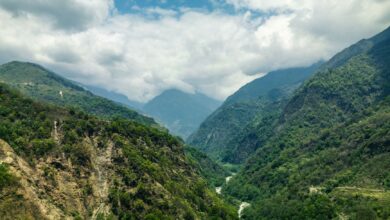
Laikipia sits north of the Central Highlands, roughly three hours from Nairobi, spread across a high-altitude plateau that combines semi-arid scrubland, riverine forest, and rocky escarpments. It doesn’t have a single defining spectacle. What it has instead is an ecosystem still complex enough to surprise – and a conservation model that has kept the land functioning, rather than just performing.
The Conservation Architecture Behind the Landscape
Laikipia operates on a patchwork of privately owned ranches, community conservancies, and wildlife corridors that together cover an area exceeding two million acres. This structure matters practically, not just philosophically. Because the land isn’t carved into one national park with a single gate and a set itinerary, guests at different camps genuinely access different terrain. A stay on the western plateau near the Ol Pejeta Conservancy offers a different experience than one in the far north near Lewa Wildlife Conservancy or the ranches bordering Samburu. Each operator holds exclusive or semi-exclusive access to their section, which is why the 4WD ratios around a sighting rarely exceed two or three vehicles.
The arrangement also means wildlife populations are managed by the landowners and communities who live with them year-round. Rhino sanctuaries in Laikipia – particularly at Ol Pejeta – hold some of the largest black rhino populations in East Africa. The northern white rhino, down to its last two individuals, has been housed here under full-time armed protection. These aren’t zoo conditions. The animals range across thousands of acres of natural habitat, and encounters are genuinely unpredictable, which is exactly the point.
What the Wildlife Calendar Actually Looks Like
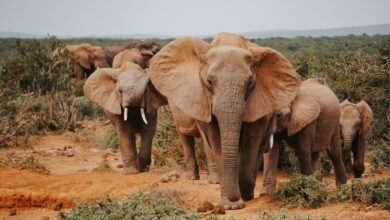
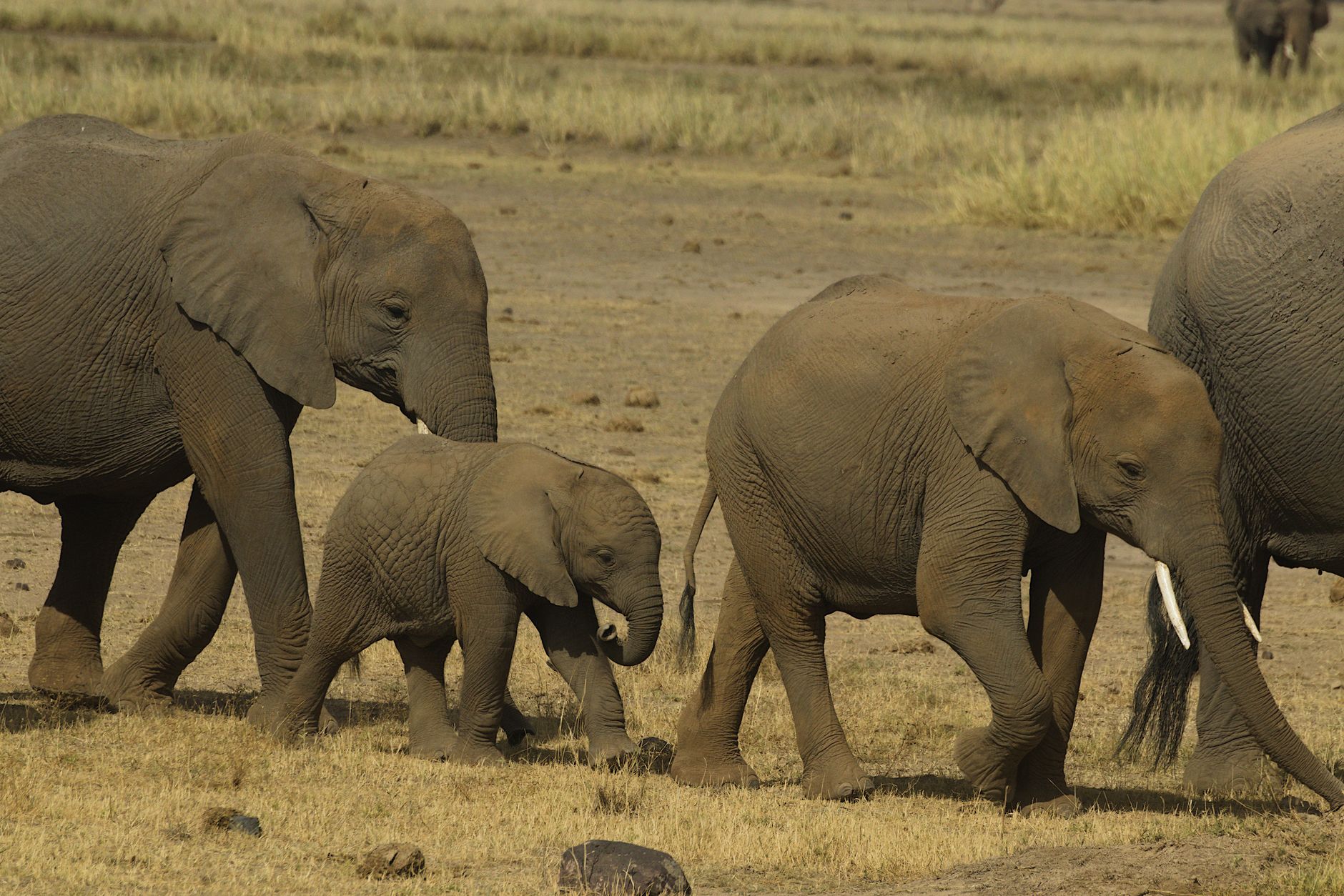
Laikipia doesn’t experience the Mara’s dramatic seasonal compression. There’s no single month when everything peaks and then falls away. Instead, the plateau shifts character across the year in ways that reward repeat visits or careful planning. The dry seasons – January through March and July through October – push animals toward permanent water sources, concentrating game along rivers like the Ewaso Ng’iro and making tracking more straightforward. Elephant herds, sometimes numbering in the hundreds, move with a sense of purpose during these periods that makes encounters feel earned rather than arranged.
The wet seasons change the texture entirely. The plateau goes green almost overnight after the long rains break, and the landscape shifts from tawny scrub to something closer to a high-altitude meadow. Predator activity doesn’t disappear – it relocates. Lions, leopards, and the plateau’s healthy wild dog packs adjust their ranges, and guides who know the land read these shifts better than any app. Night game drives, largely restricted in the Mara, are standard practice across most Laikipia properties, opening access to aardvark, porcupine, honey badger, and the occasional serval moving through torch-lit grass.
Wild dog sightings deserve their own mention. The species is functionally absent from the Masai Mara ecosystem, but Laikipia’s connected landscape supports a viable population. Watching a pack coordinate a hunt across open ground is a different kind of wildlife experience – less cinematic than a lion kill, more mechanical and unsettling, and far rarer globally.
Birdlife across the plateau runs to more than 500 recorded species. The riparian corridors along the Ewaso Ng’iro attract species that don’t appear on the plateau proper, and the open grasslands host raptors in numbers that make dedicated birders stay considerably longer than planned. This isn’t a secondary feature. For a growing number of travelers, it’s the primary draw.
The Camps and What They’re Actually Selling
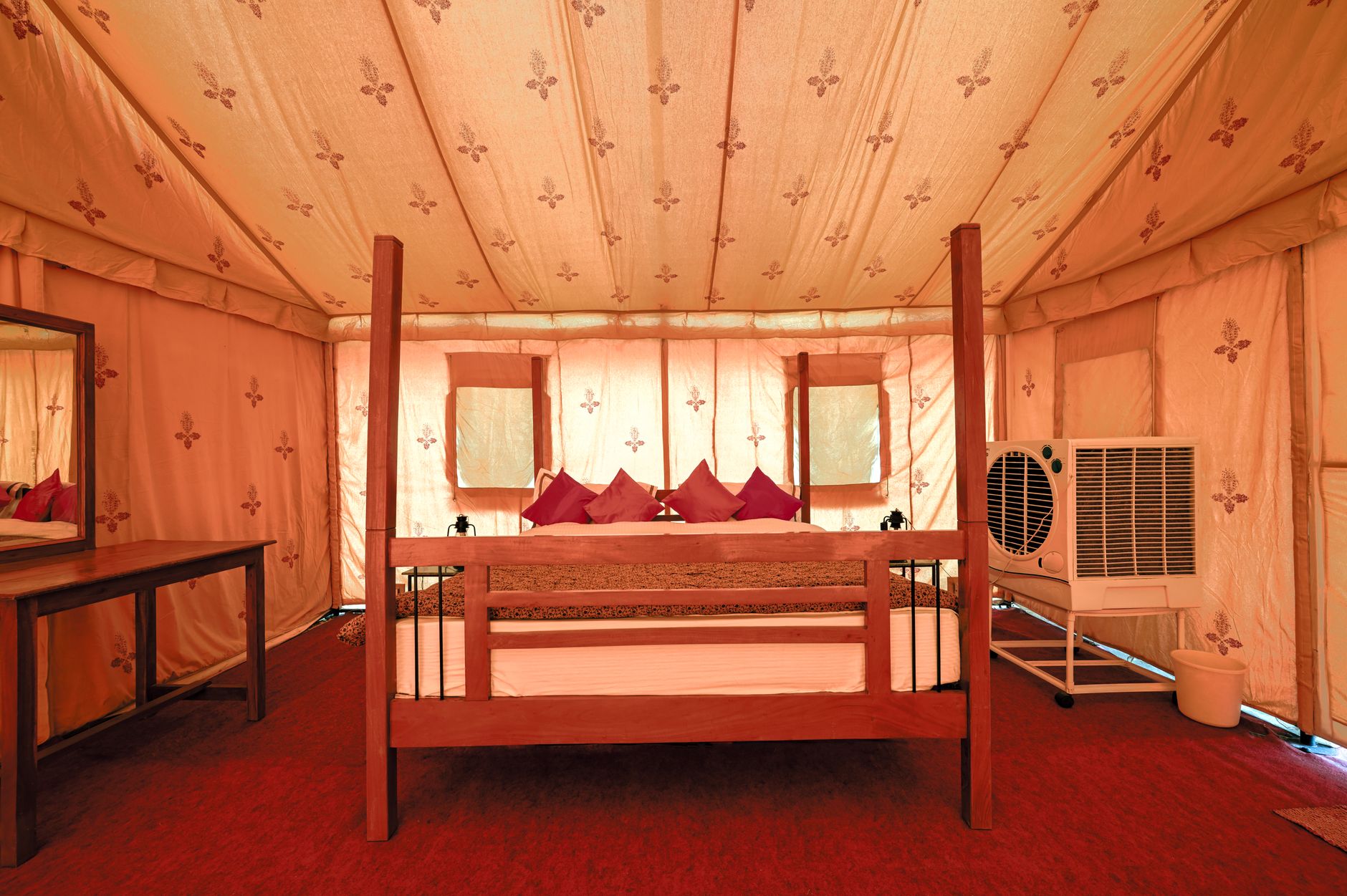
Accommodation in Laikipia skews toward small, owner-operated properties rather than the larger lodge groups that dominate Mara tourism. Several properties have fewer than ten tents or bandas, and some are still run by the families who converted their ranching operations into conservation enterprises decades ago. The intimacy is structural, not decorative – when a camp has eight guests, the guide-to-guest ratio changes everything about how a day in the field unfolds.
Rates across Laikipia’s premium properties are comparable to, and sometimes exceed, the Mara’s top camps. What the premium buys here is not luxury per se but access – to terrain without other vehicles, to activities like walking safaris and horseback game viewing that most national parks won’t permit, and to guides who often have decades of experience on the same stretch of land. That local depth is difficult to replicate in a park where guides rotate across concessions and guest turnover is constant.
Getting There and Thinking About Timing
Most Laikipia properties are reached by small charter aircraft from Nairobi’s Wilson Airport, with flights taking between 40 and 75 minutes depending on destination. Several airstrips service the plateau, and operators typically coordinate transfers directly with guests. Road access is possible from Nanyuki town, which connects to Nairobi via the A2 highway, though the final approach to most camps involves unpaved tracks that become challenging during the long rains in April and May.
Combining Laikipia with a few days in Samburu National Reserve to the north, or a stop in Nairobi for the David Sheldrick Wildlife Trust elephant orphanage, is a common itinerary structure. The plateau’s positioning in Kenya’s central-north corridor makes it a logical connector rather than a standalone detour. Travelers already thinking about less-visited alternatives to famous destinations will recognize the logic immediately: the effort to get somewhere slightly harder to reach almost always pays dividends in what you find when you arrive.
The Laikipia Plateau doesn’t market itself with a single image the way the Mara does. There’s no equivalent of the wildebeest river crossing, no one photograph that stands in for the whole experience. For most travelers, that’s a limitation. For the right traveler, it’s the entire reason to go – and the wild dog pack that shows up at dawn on day two, with no other vehicle in sight, will confirm it.
Frequently Asked Questions
Is Laikipia Plateau better than the Masai Mara for safari?
It depends on priorities. Laikipia offers fewer crowds, exclusive conservancy access, and rarer species like wild dogs and rhinos, while the Mara delivers the wildebeest migration spectacle.
What is the best time to visit Laikipia Plateau?
The dry seasons from January to March and July to October concentrate wildlife near water sources, making game viewing most consistent. Each season offers distinct wildlife behavior.
How do you get to Laikipia Plateau?
Most visitors fly by charter aircraft from Nairobi’s Wilson Airport, with flights taking 40 to 75 minutes. Road access via Nanyuki town is also possible year-round.