
The Alpine Shortcut Most Trekkers Miss
Almaty gets the Instagram posts, the glossy travel features, and the direct flights from half of Europe. Its surrounding Tian Shan ridges are well-mapped, well-staffed, and well-worn. But roughly 350 kilometers to the east, across the Kyrgyz border, the Karakol Valley sits in a state of near-perfect obscurity – despite offering terrain that matches, and in certain stretches exceeds, anything Kazakhstan’s outdoor circuit has to offer.
Karakol, the town anchoring the valley, sits at the eastern tip of Issyk-Kul, one of the largest alpine lakes in the world by volume. The lake alone would justify the trip. But most serious trekkers come for what’s above the waterline: the Terskey Alatau range, which frames the valley’s southern edge with a wall of glaciated peaks topping out near 5,000 meters.
The crowd simply hasn’t arrived yet.
What the Valley Actually Offers
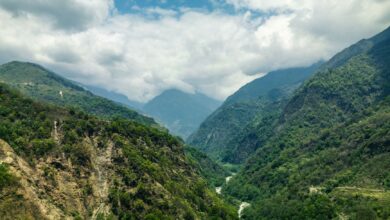
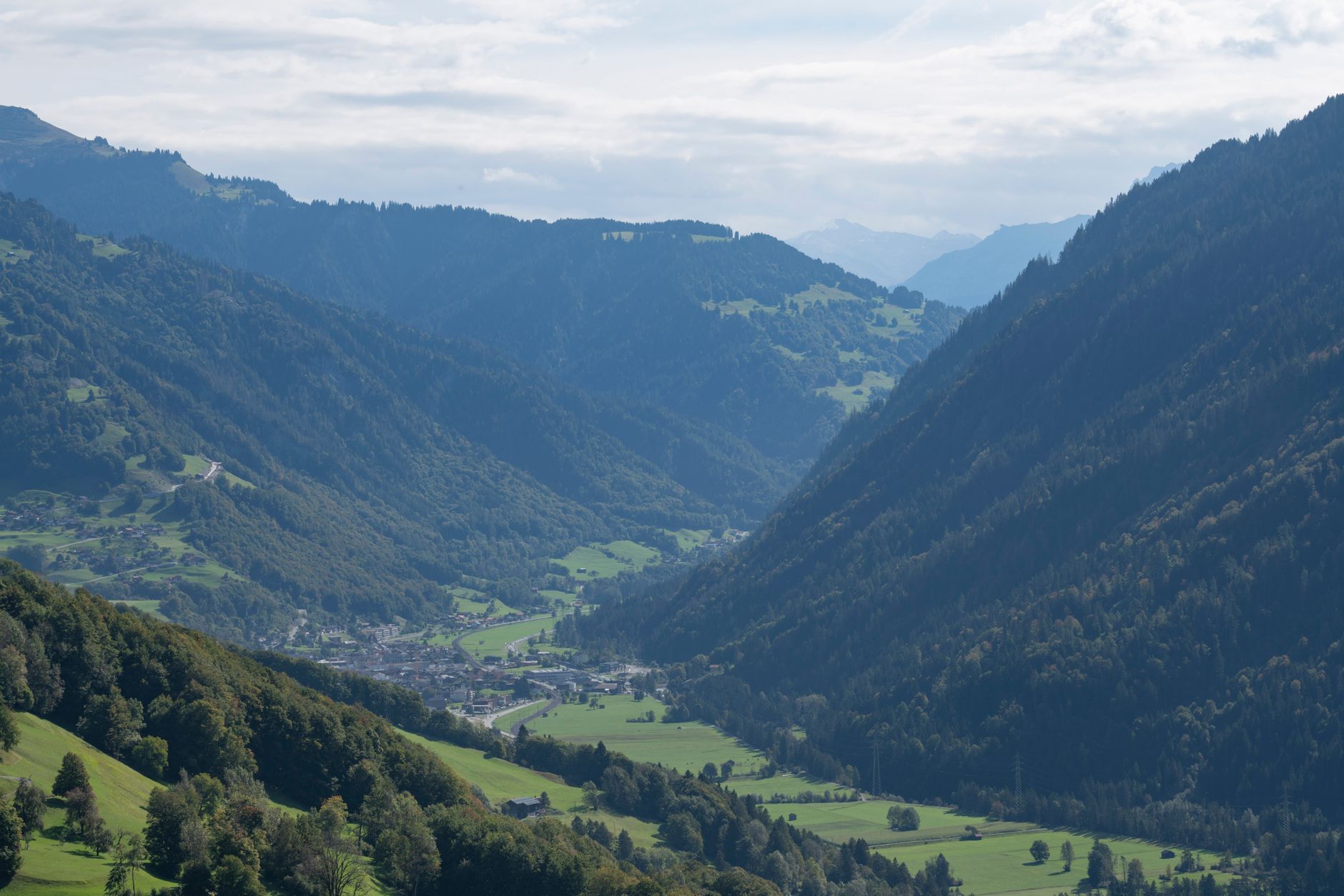
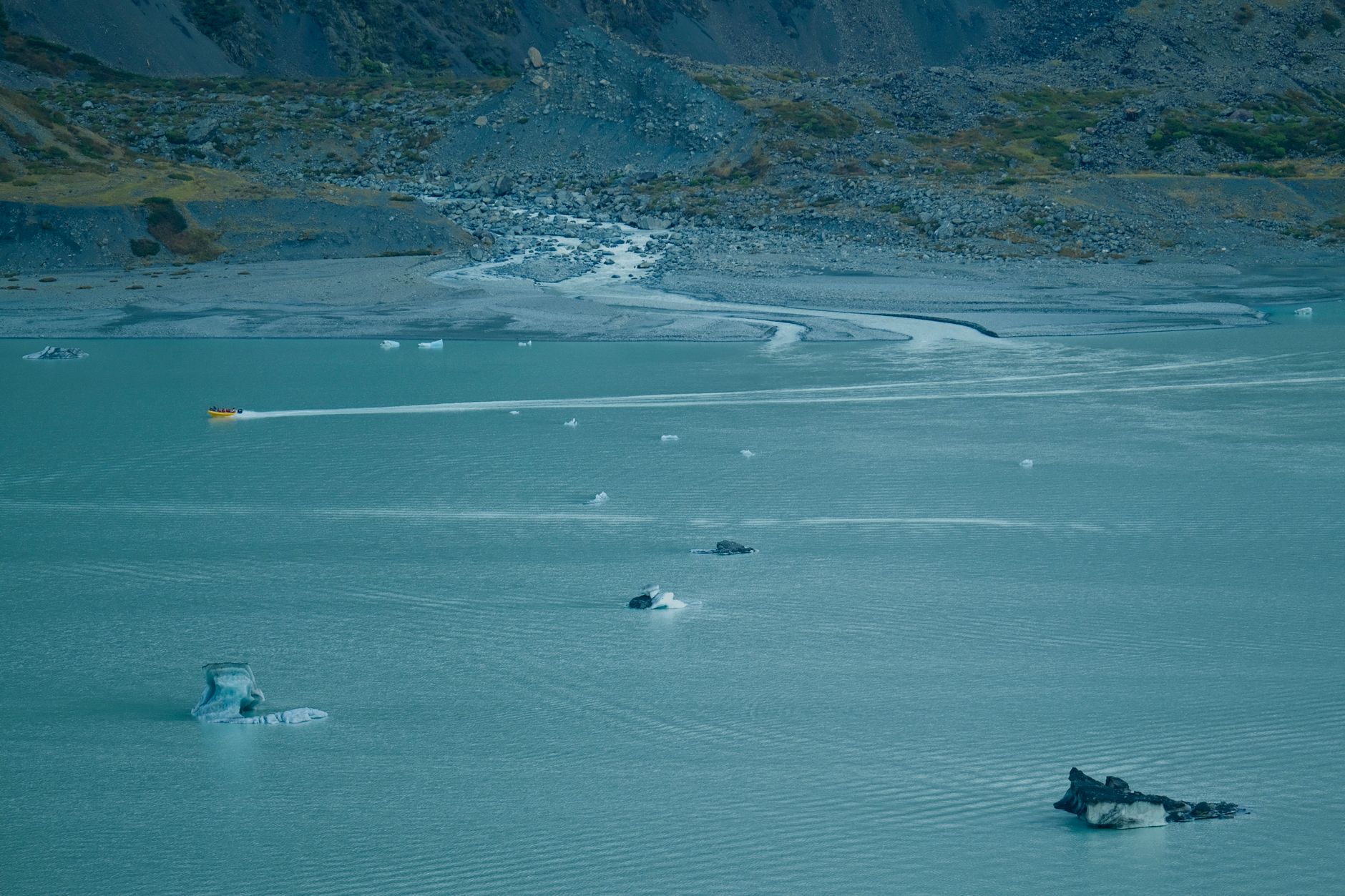
The Karakol Valley proper runs south from town into a corridor of spruce forest, moraines, and high-altitude meadow that opens onto the base of Palatka Peak and the surrounding glaciers. Day hikers can reach the snout of the Karakol Glacier in under four hours from the trailhead. Multi-day circuits through Ala-Kul Lake – set at around 3,500 meters with a color that shifts between turquoise and jade depending on light conditions – regularly appear on best-of Central Asia trekking lists, usually with the caveat that you’ll encounter almost no one on the trail.
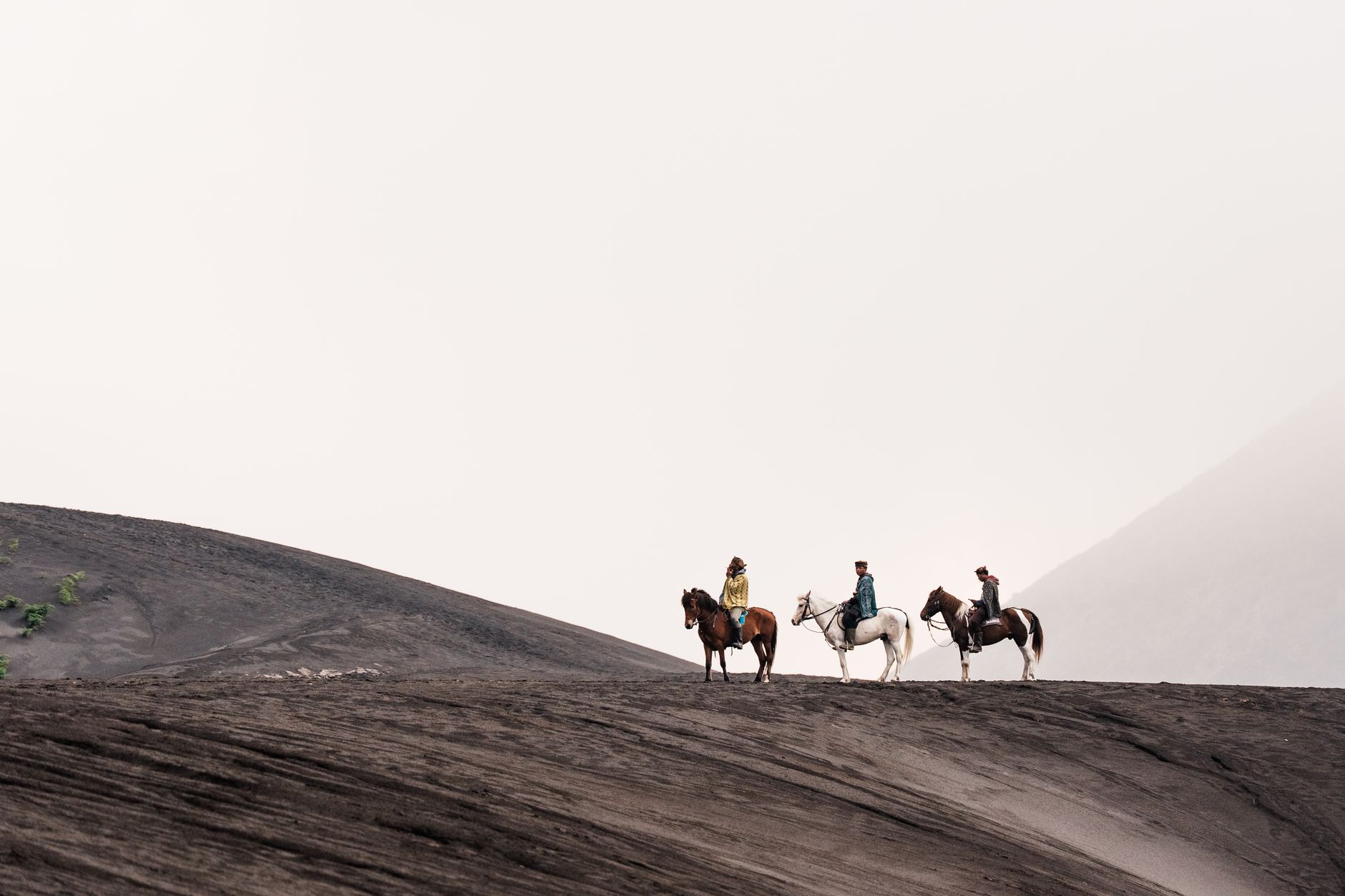
The infrastructure is lean but functional. Guesthouses operated by local Kyrgyz families line the town’s outer neighborhoods, offering bed-and-board arrangements that cost a fraction of what trekking lodges in Almaty’s Shymbulak corridor charge. Gear rental shops have multiplied along the main drag over the past several years, and a small cluster of independent trekking outfitters now runs guided itineraries into the Terskey Alatau without requiring the logistics planning that once made this corner of Kyrgyzstan feel inaccessible. Horse trekking remains deeply embedded in the local economy – renting a horse and a guide for a two- or three-day circuit into the high pastures above Jeti-Oguz, a canyon roughly 30 kilometers west of Karakol, costs less than a mid-range hotel night in Almaty.
For climbers, Karakol Peak itself – at 5,216 meters – is a technical but accessible objective that draws a small international crowd each summer season. The approach through the valley is long enough to acclimatize properly, and local guide services are familiar with the route’s standard lines. Almaty’s climbing scene is more developed in terms of formal club infrastructure, but Karakol’s peaks carry significantly less traffic, which matters for anyone who came to Central Asia to feel remote.
The Comparison That Keeps Coming Up
Almaty has advantages that are hard to dismiss. Direct international connections, a polished urban base with serious restaurants and gear outfitters stocking international brands, and the Trans-Ili Alatau range sitting almost literally within city limits – you can take a gondola to 3,200 meters without leaving the metropolitan area. For travelers combining a city break with alpine day trips, Almaty makes a kind of effortless sense that Karakol cannot match.
But the framing of Almaty as the default Central Asian alpine destination quietly disadvantages Kyrgyzstan’s options for anyone whose priority is the mountains themselves rather than the city surrounding them. The Terskey Alatau is a longer, higher, and less-developed range than the Trans-Ili Alatau. The trails above Karakol don’t flatten out into groomed resort terrain – they stay wild for longer, gain elevation more aggressively, and deposit you into valleys where the only structures are seasonal shepherd camps. Travelers drawn to that kind of landscape are trading convenience for something more specific, and the trade-off pays out. Those interested in neighboring high-altitude adventures might also consider what Tajikistan’s Wakhan Corridor offers for trekkers pushing further along the old Silk Road routes.
The access question is less complicated than it once was. Bishkek receives regular flights from Istanbul, Moscow, Dubai, and several European hubs. From Bishkek, Karakol is roughly a six-hour drive along the northern Issyk-Kul shore, or a marshrutka ride that costs almost nothing. The road is paved and straightforward. First-time visitors sometimes assume Central Asian logistics will be punishing – the reality for this particular corridor is that it’s no harder than reaching many comparable alpine destinations in Georgia or northern Pakistan.
What separates Karakol from the destinations that have already been discovered is timing – the window where trails are quiet, guesthouses are available without advance booking six months out, and the commercial scaffolding hasn’t yet thickened around the experience is still open, but the trekking community talks, and that window narrows every season.