Kyrgyzstan’s Karakol Valley Quietly Rivals Nepal for High-Altitude Trekkers

The Valley Nepal Trekkers Haven’t Heard Of Yet
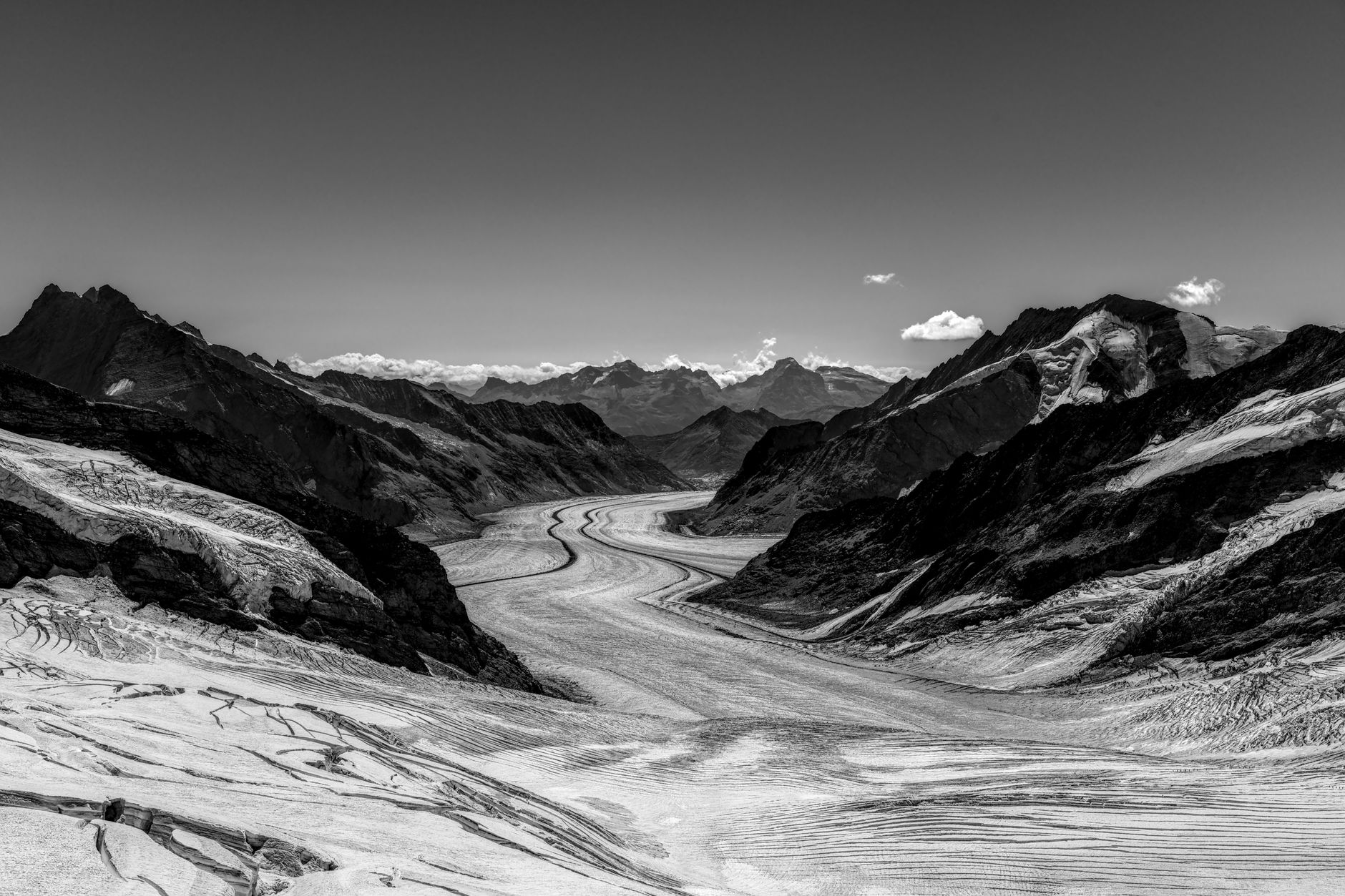
Somewhere between Bishkek and the Chinese border, tucked into the eastern edge of Kyrgyzstan’s Issyk-Kul region, the Karakol Valley runs south into a wall of glaciated peaks that most Western trekkers have never seen in person. The Tian Shan range here – sometimes called the “Celestial Mountains” – stacks ridgeline after ridgeline above 4,000 meters, with passes that rival anything the Annapurna Circuit can offer in terms of raw elevation drama. The difference is that you can walk for three days without seeing another foreign trekker.
Nepal still dominates the high-altitude trekking conversation, and for good reason – the Himalayas are the Himalayas. But the Karakol Valley has been quietly accumulating a devoted following among serious trekkers who have noticed something important: the infrastructure is improving, the scenery is genuinely world-class, and the costs are a fraction of what a comparable Nepali trek now runs. That combination is starting to shift where experienced mountain walkers are buying their plane tickets.
What the Valley Actually Delivers
The Karakol Valley proper begins just south of the city of Karakol – the regional hub that once served as a Tsarist Russian garrison town – and pushes up through dense spruce forest before opening into the wide, glacially carved upper valley. The main trekking circuit connects through the Ala-Kul Lake trail, which crests a pass at around 3,900 meters and drops into a neighboring valley via loose scree and permanent snowfields. The lake itself sits in a glacial bowl and turns a shade of turquoise that photographs look almost artificially enhanced.
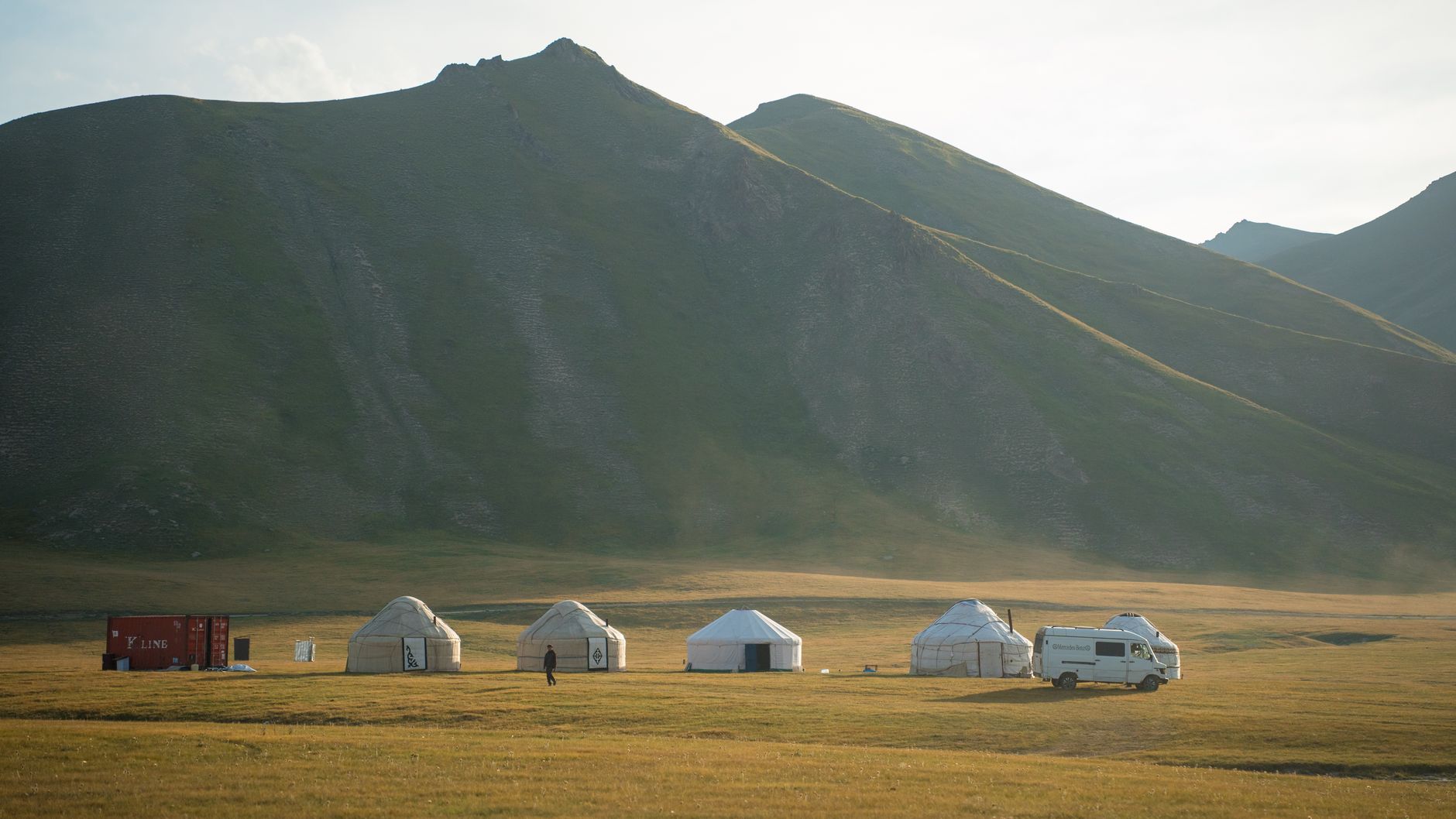
The longer Ak-Suu traverse extends this further, looping through multiple high passes over several days and covering terrain that shifts from alpine meadow to exposed rock to summer-only yurt camps. Kyrgyz shepherds still move livestock through these corridors seasonally, and the working pastoral landscape gives the route a texture that many heavily managed Himalayan trails have lost. You are not walking through a trekking industry. You are walking through someone’s summer pasture.
Permits are minimal compared to Nepal’s increasingly complex system. There is no trekkers’ information management system, no mandatory checkpoint registration every few kilometers, and no peak royalty fee attached to viewpoints. For trekkers who have found the Nepali permit structure – which can add several hundred dollars to a single route – to be a friction point, the relative simplicity of entering Kyrgyz backcountry is genuinely appealing.
The Cost Reality That Changes the Math
A fully guided, porter-supported trek through the Annapurna region now routinely runs well above $1,500 per person for ten days, once permits, flights into Pokhara, accommodation, food, and guide fees are tallied. The Karakol Valley equivalent – guided, with horse support instead of porters, and including local guesthouse stays – typically comes in at roughly half that figure. The horse support system in Kyrgyzstan is worth highlighting separately: horses carry gear through passes that would break a porter’s knees, and the cost per day for a horse and handler is far lower than equivalent carry weight in Nepal.
The guesthouse network around Karakol city and the lower valley has expanded steadily over the last decade, with CBT (Community Based Tourism) initiatives connecting trekkers directly to local families offering beds and meals. This keeps money in the region rather than flowing to Bishkek-based operators, and it means the food – lagman noodles, fresh bread, fermented mare’s milk if you are adventurous – reflects actual Kyrgyz culture rather than a trekker-menu approximation of it.
Where Karakol Still Falls Short
The honest comparison between Karakol and Nepal requires acknowledging what Kyrgyzstan does not yet have. Trail signage in the upper valley is inconsistent, and route-finding on passes requires either a confident GPS user or a local guide who has walked the terrain recently. Several high passes have no marked trail at all – the route is implied by the landscape and confirmed by experience. Nepal’s major corridors, for all their commercialization, are rarely ambiguous. You follow the teahouses. In Karakol, you follow your guide, your map, or your instincts.
Medical infrastructure is another gap. Kathmandu and Pokhara both have altitude medicine clinics familiar with high-altitude cerebral and pulmonary edema cases coming off the mountain. Karakol city has a regional hospital that functions adequately for lower-altitude emergencies but is not equipped for complex altitude evacuation scenarios. Helicopter rescue is available but depends on weather, distance, and whether the right contacts can be reached quickly. Any trekker arriving without travel insurance that covers mountain rescue is making a serious miscalculation.
The trekking season is also narrower. Nepal’s trails see traffic from October through December and again from March through May, with two distinct windows to plan around. Karakol’s high passes are generally accessible from late June through early September, and the shoulder weeks on either end carry real risk of early snowfall closing routes without warning. Missing a pass closure by a day or two is not a dramatic inconvenience – it means a full route reversal through terrain you have already covered, with no alternative descent.
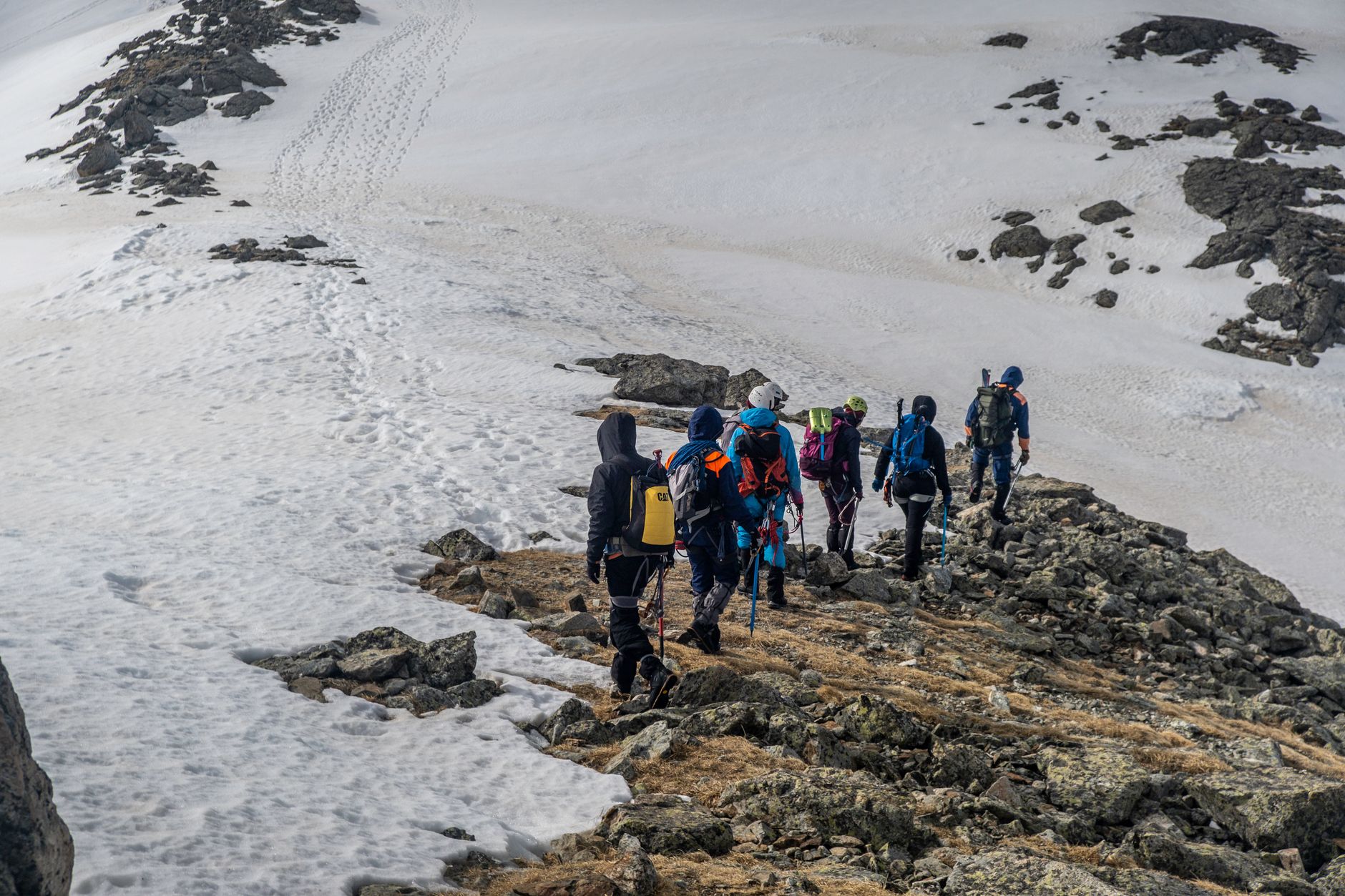
None of this is disqualifying, but it does separate Karakol from the kind of destination a first-time high-altitude trekker should approach without preparation. Nepal’s trail system has been engineered, over decades, to accommodate inexperienced walkers. Karakol rewards people who already know what they are doing at altitude, who have managed their own gear in variable weather, and who can read a topo map without a phone signal. The valley does not flatten the learning curve – it assumes you already climbed it somewhere else. That assumption is, depending on your experience level, either the most appealing thing about it or the most important reason to wait another season before going.
Frequently Asked Questions
When is the best time to trek the Karakol Valley in Kyrgyzstan?
The high passes are generally accessible from late June through early September. Outside this window, snowfall can close routes without warning.
Do you need permits to trek in the Karakol Valley?
Permit requirements are minimal compared to Nepal. Most routes do not require advance permits, though some border-adjacent areas may need registration.