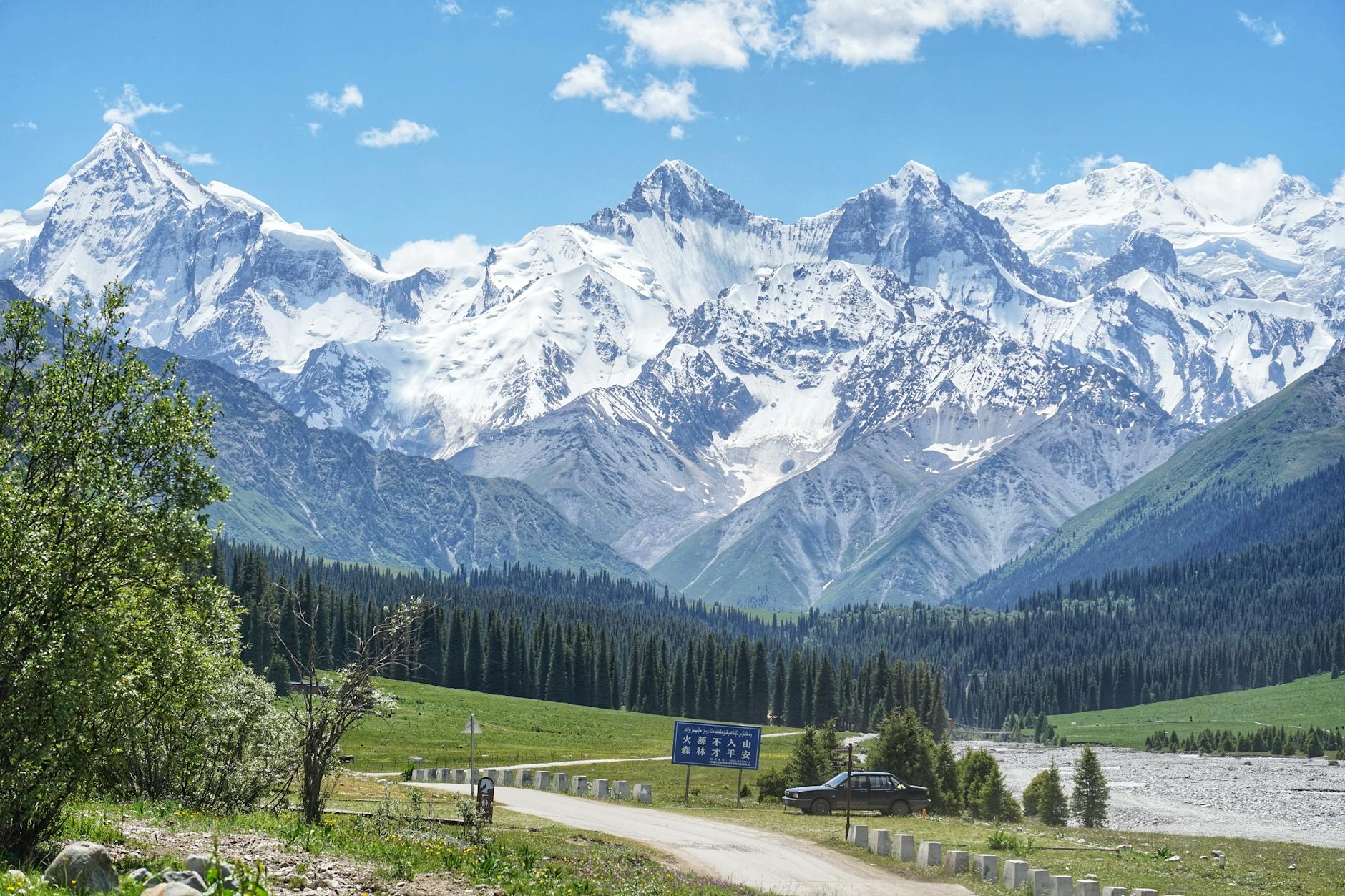

A Remote Range, Finally Within Reach
Kyrgyzstan’s Tian Shan range has long existed at the edges of serious trekkers’ wish lists – known, respected, but treated as too logistically complex for anyone without a guided expedition budget. That calculation is changing, and quickly.
Why Independent Travel Here Was So Difficult
For years, accessing the high valleys and glacier-fed passes of the Tian Shan meant navigating a patchwork of informal guesthouses, inconsistent transport links, and a permit system that varied by region and, frankly, by who you asked. Solo travelers often found themselves relying on word-of-mouth routing, hand-drawn maps from hostel owners in Bishkek, and the kind of logistical improvisation that appeals to a very specific type of adventurer. Most travelers, understandably, hired guides instead.
The country’s tourism infrastructure has historically concentrated around Issyk-Kul, the enormous high-altitude lake in the northeast, while the deeper mountain corridors – the Ak-Suu valley, the Central Tian Shan around Khan Tengri, the remote reaches near the Chinese border – stayed effectively off-limits for anyone without serious planning resources. Border zone restrictions added another layer of complexity, with certain areas requiring special permits that were difficult to obtain from outside the country.
Trail documentation was also sparse. Unlike the well-mapped trekking networks of Nepal or Patagonia, the Tian Shan had no standardized waymarking, no reliable GPS tracks widely shared in the trekking community, and almost no English-language route guides that reflected current conditions. What existed was fragmented across outdated forums, a handful of expedition reports, and the occasional travel blog written by someone who had figured it out the hard way.
All of that is shifting. Kyrgyzstan’s Community Based Tourism network, which connects trekkers directly with local homestay families across rural areas, has expanded significantly over recent years. The system now covers a much wider geographic footprint, giving independent travelers a reliable accommodation chain rather than a gamble. Paired with better digital mapping resources and growing mobile coverage in valley corridors, the barrier to entry has dropped substantially.
What the Routes Actually Look Like Now
The Ak-Suu Traverse in the Terskey Alatoo range is drawing serious attention as a multi-day high route that independent trekkers can realistically complete without local guide support. The route crosses several passes above 4,000 meters, moves through yurt camps where meals and accommodation can be arranged on arrival, and delivers views of glaciated peaks that remain genuinely uncrowded. Early season conditions – typically late June through July – still involve significant snowpack on the higher passes, so route timing matters.
The Jyrgalan Valley, in the eastern corner of the country, has become a focal point for trail development. Local initiatives have put real effort into mapping and signposting routes across the valley system, creating a network that ranges from day hikes to multi-day loops. The village of Jyrgalan itself has rebuilt much of its economy around outdoor tourism after the closure of a nearby coal mine, which means the hospitality infrastructure there is newer, more intentional, and run by people who are genuinely invested in the visitor experience.
Further afield, the approach routes toward Khan Tengri – one of the highest peaks in the Tian Shan, sitting at nearly 7,000 meters on the Kazakhstan-Kyrgyzstan border – are technically accessible to independent trekkers willing to stop well short of the summit zone. The southern glacier approach from the Kyrgyz side passes through landscape that most trekkers in the Himalayas or Alps would consider extraordinary. The caveat is real: this is remote, high-altitude terrain with limited rescue infrastructure, and self-sufficiency is not optional.
Altitude is the factor that catches newcomers off guard consistently. The Tian Shan does not offer a gradual acclimatization ladder the way some lower-elevation ranges do. Passes come fast and high, and the elevation gain from Bishkek to a typical first camp can happen over less than 24 hours if travelers are moving quickly. Anyone coming from sea level without prior acclimatization time is working against their own physiology before they’ve even set foot on trail.
The yurt stay culture deserves mention separately, because it is not simply a budget accommodation option – it is the experience. Nomadic herding families move into the high summer pastures, called jailoos, each year from roughly June to September, and trekking routes pass through these active camps. Meals are typically lamb-based, dairy-heavy, and served with a directness that is distinctly Central Asian. Guests are expected to participate, or at minimum observe, the rhythm of the camp. For travelers used to transactional hospitality, the adjustment is noticeable.
What Travelers Should Know Before Going
Visa access for Kyrgyzstan is relatively open, with citizens of a large number of countries able to enter visa-free for stays up to 30 or 60 days depending on nationality. The OVIR registration requirement – a legacy Soviet system that once required travelers to register with authorities upon arrival – has been largely removed for short stays, simplifying the administrative side considerably. That said, some border zone areas still require advance permits, and processing those from outside the country is faster than trying to do it in Bishkek the day before departure.
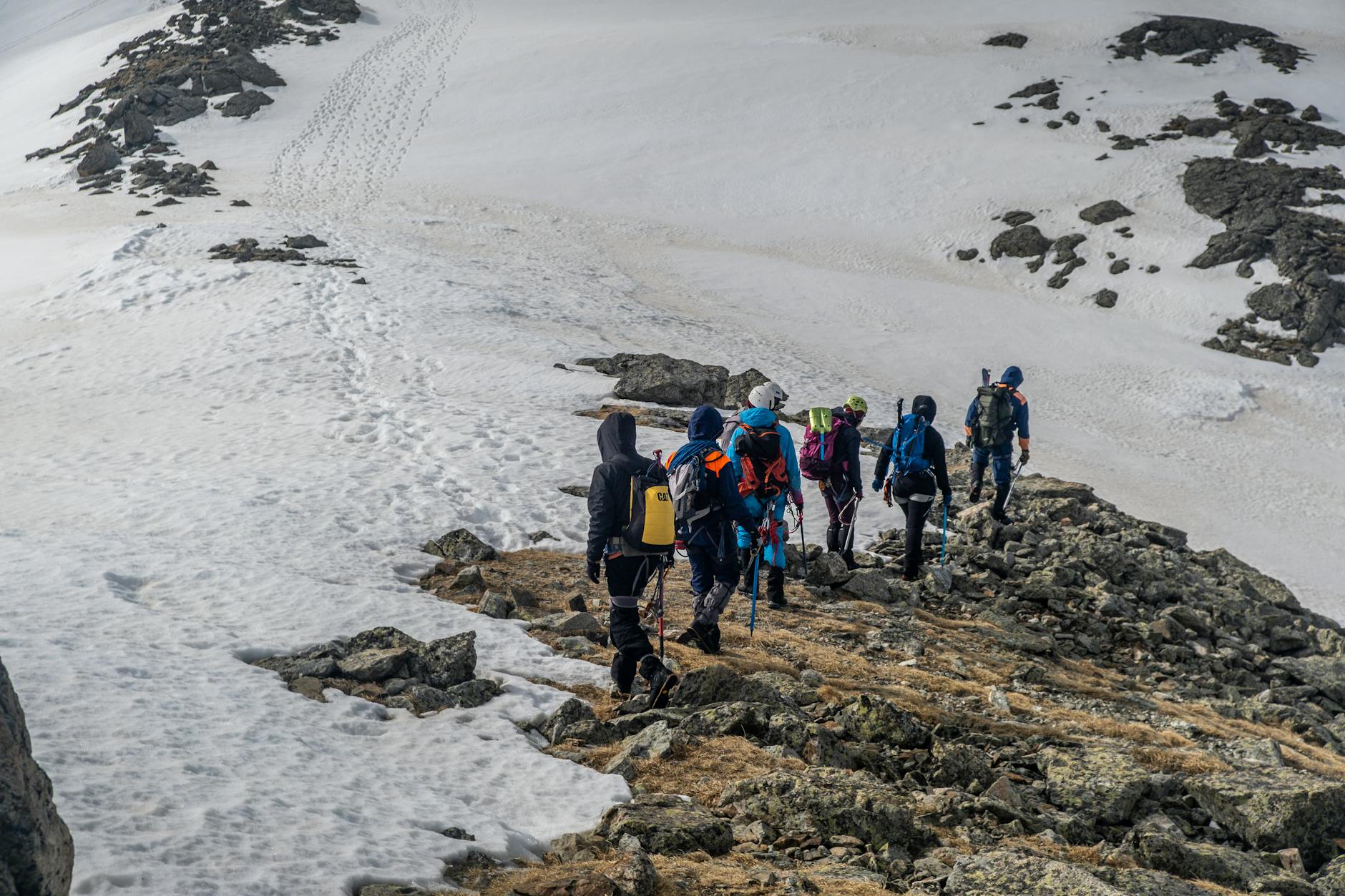
Trekkers who’ve spent time on Ethiopia’s Simien Mountains or similar high-altitude African routes will find some points of comparison here – the remote scale, the reliance on local homestay networks, the sense of traveling through landscapes that haven’t been worn smooth by mass tourism. The difference in Kyrgyzstan is the cold. Even in August, nights at elevation drop hard, and afternoon weather windows can close without much warning. Gear lists that work in warmer mountain environments will not work here without modification.