Laos’s Phonsavan Plain Quietly Rivals Luang Prabang for History Wanderers

The Plateau Most Travelers Skip
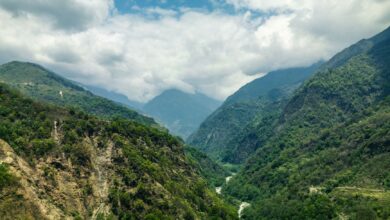
Luang Prabang gets the magazine covers, the Instagram grids, the UNESCO designation, and the tour buses that idle outside golden temples at dawn. It deserves most of that attention. But roughly 400 kilometers to the northeast, on a windswept plateau in Xieng Khouang Province, Phonsavan sits with an entirely different kind of history – one that doesn’t come framed in saffron robes or river mist. It comes in the form of enormous stone jars, scattered bomb casings, and a landscape that absorbed decades of war and still hasn’t finished telling the story.
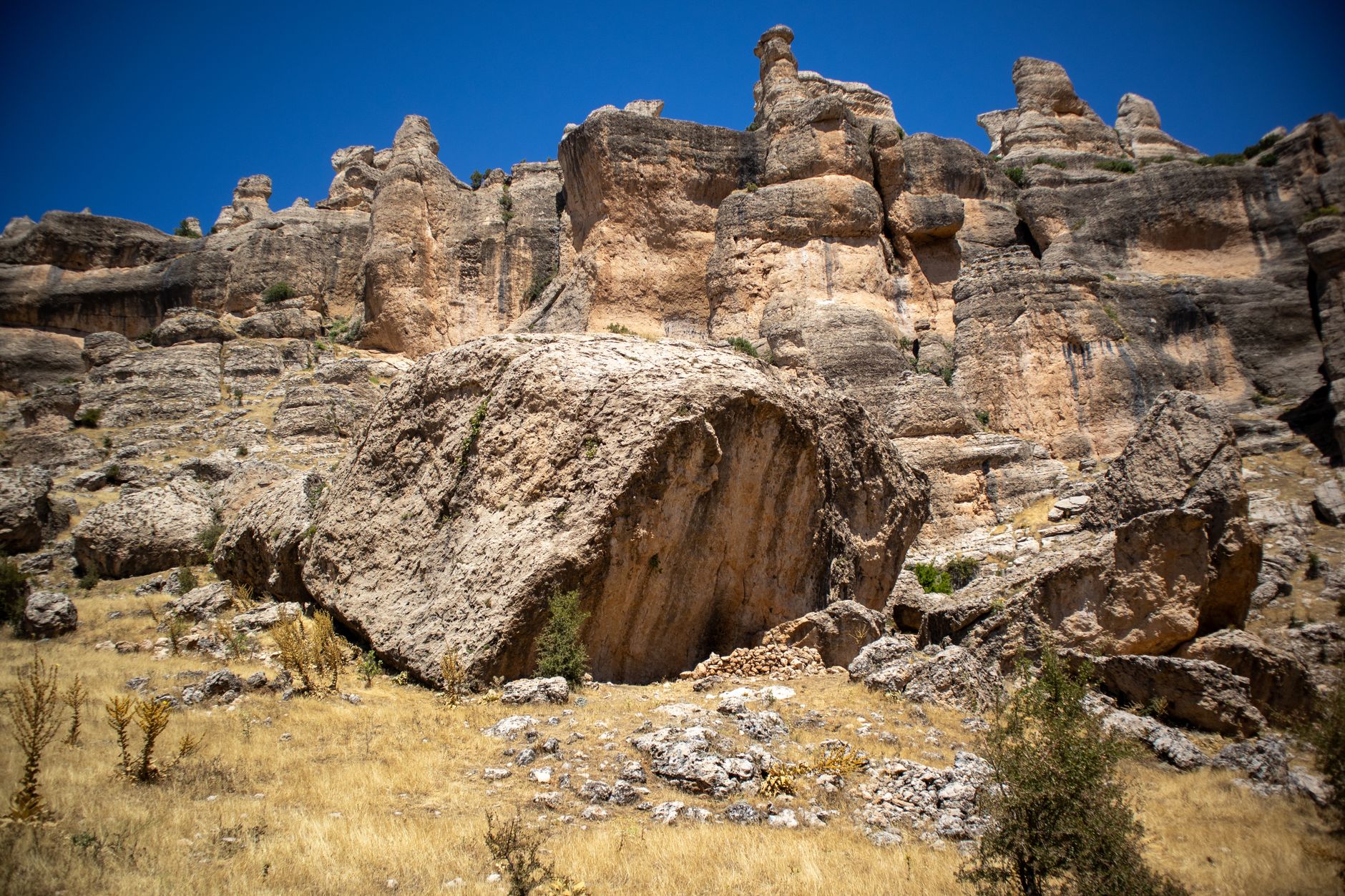
The Plain of Jars is the obvious draw – a UNESCO World Heritage site since 2019, covering multiple archaeological zones where thousands of stone vessels, some reaching two meters in height, sit in open fields without ropes, fences, or interpretive theater. You walk among them. You touch them. Nobody stops you. That accessibility, that absence of performance, is what separates Phonsavan from the polished heritage experience travelers have come to expect from Laos’s more famous northern city.
What the Jars Actually Are – and What Nobody Agrees On
Archaeologists date the jars to the Iron Age, somewhere between 500 BCE and 500 CE, which places their construction in the same broad era as the first Silk Road trade routes and the rise of early Southeast Asian kingdoms. The dominant theory holds that they functioned as funeral urns – massive containers used in burial rituals, possibly for fermenting the body before secondary burial practices. Some researchers have proposed they stored food, water, or rice wine for ancient travelers crossing the plateau. The honest answer is that nobody has settled the question definitively, and that uncertainty is part of what makes standing among them so strange.
The jars were carved from sandstone, granite, limestone, and conglomerate, depending on what material was available near each site. The logistics of moving objects that weigh several tons across a plateau with no mechanized equipment suggest a civilization that was highly organized and culturally serious about whatever it was building these for. Several jars still have stone lids nearby. A few have carvings. Most are just blank, weathered cylinders that have been sitting in the rain and dry-season dust for roughly two millennia.
Site 1, the largest and most visited, holds over 300 jars and is a short drive from Phonsavan town. Sites 2 and 3 require longer, rougher travel and see far fewer visitors – which is a reason to go to them specifically. At Site 2, the jars are clustered near a Buddhist cemetery, creating an accidental layering of ritual across centuries that no museum could stage deliberately. The light in the late afternoon at Site 3 moves across the plateau in a way that makes every shadow count.
The War Layer Nobody Can Ignore
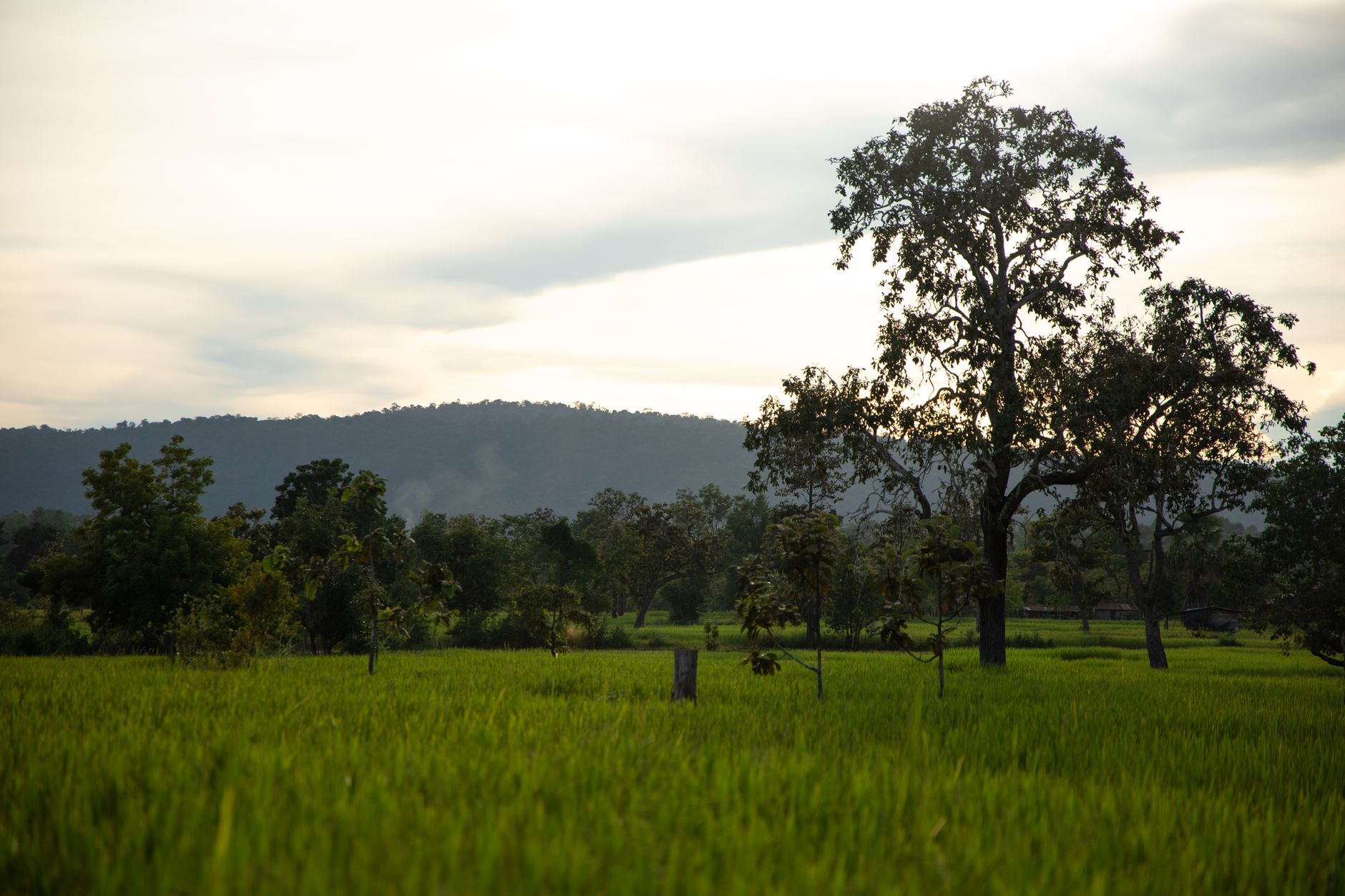
Xieng Khouang Province was one of the most heavily bombed regions on earth during the Second Indochina War. Between 1964 and 1973, the United States dropped more ordnance on Laos than was dropped on Germany and Japan combined during World War II – making Laos the most heavily bombed country per capita in history. Much of that bombing concentrated on the Plain of Jars, which served as a strategic battleground between U.S.-backed forces and the Pathet Lao. The plateau still holds an estimated 80 million pieces of unexploded ordnance.
That number is not background information. It is the present reality. Organizations like MAG (Mines Advisory Group) continue active clearance operations in the province, and only a fraction of the land has been declared safe. The archaeological sites themselves were partially cleared so they could open to visitors – which means the access paths are safe, but stepping off marked routes is genuinely dangerous. At some jars, you can see bomb craters sitting within meters of the ancient vessels. The craters have started to grass over. The jars have been there for two thousand years. The juxtaposition is not subtle, and it shouldn’t be.
Phonsavan town grew largely after the war destroyed most of what preceded it. The local economy runs on agriculture, tourism, and the grim but important cottage industry of UXO (unexploded ordnance) awareness and clearance support. Bomb casings have been repurposed as flower pots, fence posts, and decorative pillars outside restaurants – not as kitsch, but as material pragmatism from people who had a lot of metal lying around after the bombing stopped. The COPE Visitor Centre in Vientiane covers the broader national UXO story in depth; Phonsavan’s local museum adds the regional layer with artifacts, maps, and survivor accounts that don’t soften the timeline.
This dual inheritance – ancient mystery and recent catastrophe – is what gives Phonsavan a weight that even Luang Prabang’s layered Buddhist history doesn’t quite match. Luang Prabang asks you to admire and reflect. Phonsavan asks you to reckon. Those are different kinds of travel, and for a specific kind of history-focused traveler, the second is more demanding and more lasting.
Practical Reasons More Travelers Are Finding Their Way Here
Getting to Phonsavan has historically been the friction point. The road from Vientiane is long, mountainous, and involves a bus journey that most guidebooks describe with a warning. Lao Airlines operates flights from Vientiane and Luang Prabang that reduce the journey to under an hour, though schedules shift seasonally and the small aircraft feel appropriately remote. A growing number of travelers are building Phonsavan into a broader northern Laos circuit – combining it with Luang Prabang and occasionally pushing east toward the Vietnamese border – rather than treating it as a detour.
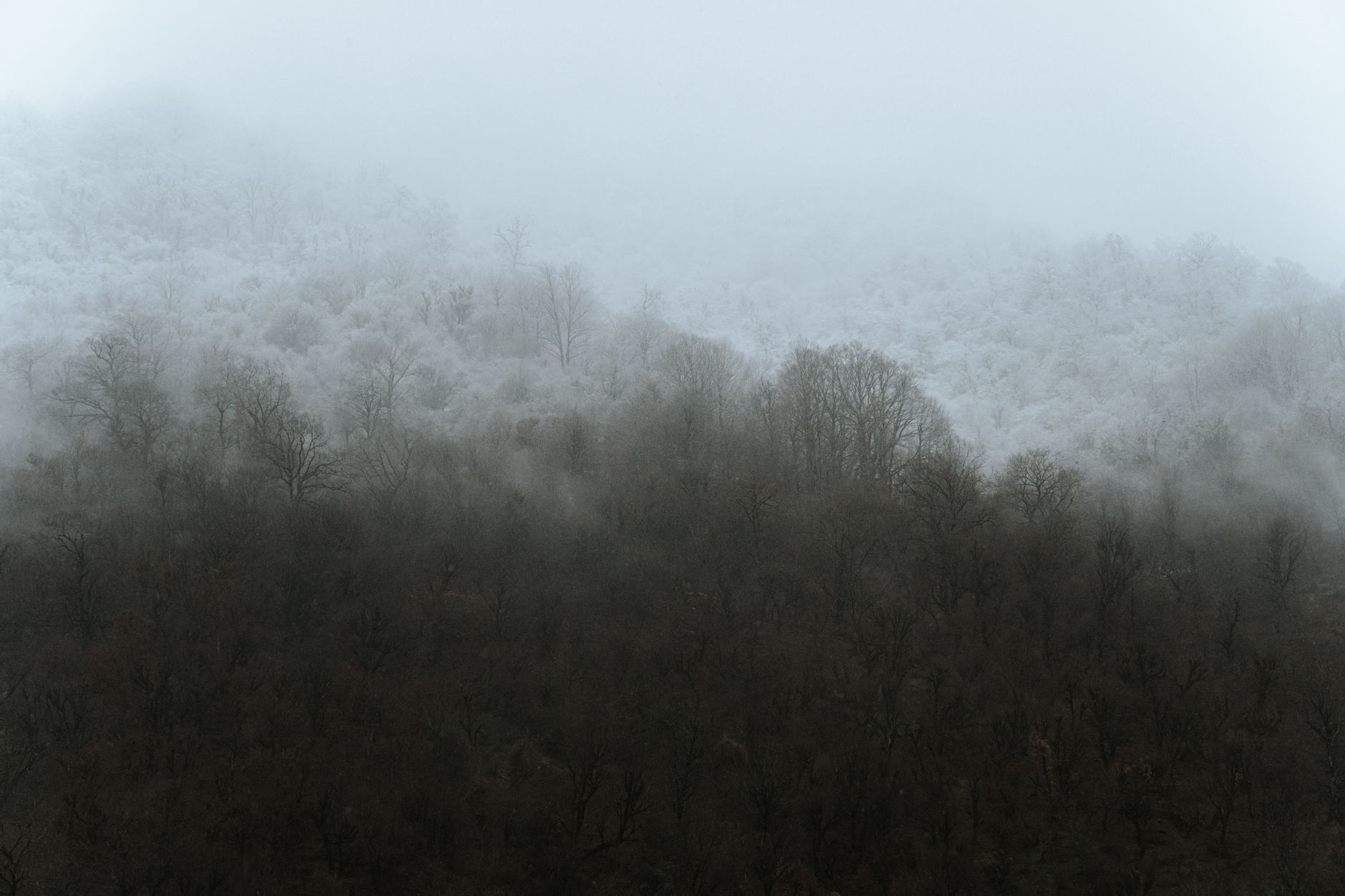
Accommodation in Phonsavan is functional rather than luxurious, which keeps the crowd self-selecting. The travelers who end up here tend to be the kind who carry actual guidebooks, ask their guesthouse owners questions, and don’t need a rooftop infinity pool to justify a destination. That self-selection shapes the atmosphere on the plateau itself: quieter, slower, and more willing to stand in front of something old without immediately reaching for a phone. Dry season – November through April – brings cooler temperatures and clearer skies, which makes the plateau’s treeless, rolling terrain feel more like the Scottish Highlands than Southeast Asia. That comparison sounds strange until you’re standing in it, watching fog roll across the jars at 7 a.m., and it doesn’t feel strange at all.